
Transforming Workplace Dining With Smart Catering Solutions
Modern workplaces have changed dramatically over the past few years. Companies are no longer focused only on salaries and office spaces because employee experience has become one of the biggest priorities in business culture. Food plays an important role in creating that experience. From team lunches and client meetings to virtual events and training sessions, quality meals help improve collaboration, productivity, and workplace satisfaction. This is where EzCater has become one of the most trusted platforms for office catering and corporate food delivery solutions.
Businesses today need convenience, flexibility, and reliable service when organizing meals for employees or guests. Traditional catering systems often required endless phone calls, menu discussions, and delivery coordination that consumed valuable working hours. Modern food delivery platforms simplify the entire process and make office meal planning faster and more efficient. Companies of all sizes now use digital catering services to manage recurring lunches, conference meals, employee appreciation events, and remote team food programs without stress.
One of the biggest advantages of professional office catering is the ability to support employee morale and workplace engagement. A well-planned meal creates a positive environment where teams can connect naturally. Employees often feel more valued when companies invest in quality dining experiences during meetings or special occasions. Food also improves participation during training sessions, brainstorming events, and corporate celebrations because it creates a comfortable and welcoming atmosphere.
The rise of hybrid work has also transformed corporate catering services. Businesses now need solutions that can support both office employees and remote workers at the same time. Flexible food delivery systems allow companies to provide meals to workers in multiple locations without managing complicated logistics internally. Platforms designed for corporate catering make it easier to organize food delivery for large distributed teams while maintaining consistency and quality.
Another reason businesses rely on specialized office catering services is the wide range of restaurant options available. Companies can choose meals that fit different dietary preferences, cultural backgrounds, and event styles. Whether the organization needs healthy lunches, breakfast meetings, premium executive dinners, or casual team snacks, digital catering platforms provide customized options suitable for every requirement. This flexibility helps businesses create inclusive dining experiences that satisfy everyone in the workplace.
Technology has also improved the ordering process significantly. Modern corporate food delivery platforms offer scheduling tools, expense tracking, centralized billing, and real-time delivery updates. These features save administrative teams a significant amount of time while helping organizations maintain budget control. Instead of manually handling multiple invoices and restaurant communications, companies can streamline their entire catering workflow using one centralized system.
Reliable office catering also strengthens professional relationships during client interactions. High-quality meals during presentations or business meetings create a more polished and organized impression. Clients often appreciate thoughtful hospitality because it reflects attention to detail and professionalism. Food can help create relaxed discussions and improve communication during important negotiations or collaborative projects.
As companies continue to focus on employee wellness and workplace culture, the demand for dependable catering solutions continues growing rapidly. Businesses now recognize that food is not simply a convenience but an important part of employee satisfaction and operational efficiency. Platforms that specialize in office catering help organizations deliver consistent dining experiences while reducing the complexity of managing food services internally.
Why Corporate Catering Has Become Essential For Modern Businesses

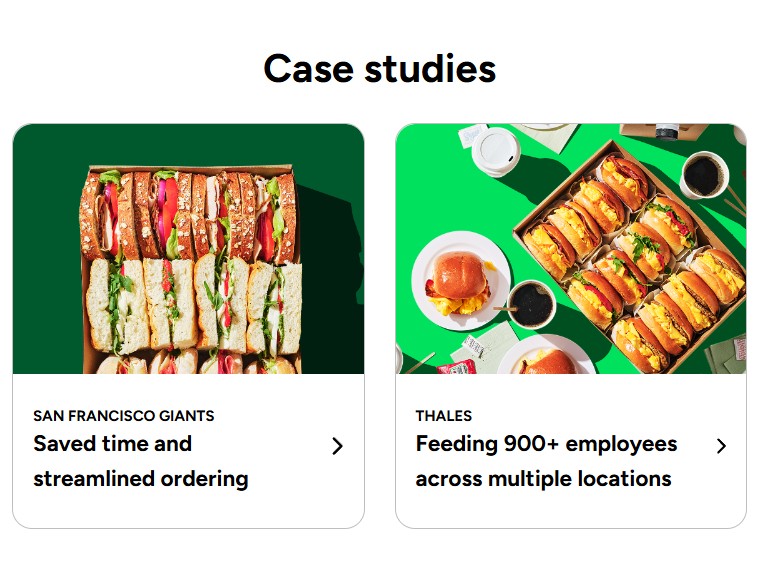
Corporate catering has evolved from an occasional luxury into a necessary part of business operations. Companies now understand that workplace meals directly influence employee productivity, morale, and overall company culture. Organizations that invest in quality food services often experience stronger team engagement and improved workplace satisfaction because meals encourage social interaction and collaboration among employees.
One major reason businesses prioritize office catering is time efficiency. Employees working through long meetings or training sessions can remain focused when meals are conveniently available at the workplace. Instead of leaving the office to search for food, teams can continue working productively while enjoying professionally prepared meals delivered directly to their location. This reduces downtime and helps organizations maintain workflow consistency during important projects or events.
Another significant advantage of corporate catering is employee appreciation. Companies frequently use meals to celebrate achievements, recognize milestones, and reward teams for hard work. Providing catered lunches or snacks during busy periods demonstrates that management values employee contributions. Small gestures such as breakfast meetings or surprise team lunches can create stronger workplace relationships and improve employee loyalty over time.
Corporate food delivery solutions also support recruitment and retention efforts. Modern professionals often evaluate workplace culture carefully before accepting job opportunities. Offices that provide organized meals, team dining experiences, or regular catering programs can appear more employee-focused and supportive. Competitive workplace benefits now include wellness initiatives and comfortable office environments where food services contribute significantly to overall employee satisfaction.
Businesses hosting conferences, presentations, or networking events also benefit greatly from professional catering services. Organized meal arrangements help events run smoothly while creating a positive experience for attendees. High-quality food leaves a strong impression and encourages guests to remain engaged throughout the event. Whether hosting investors, clients, or internal teams, businesses can create a more professional atmosphere with carefully planned catering solutions.
The flexibility offered by modern food delivery platforms is another reason for their growing popularity. Companies no longer need to rely on a single restaurant or limited menu. Digital catering systems provide access to numerous restaurants and cuisines, allowing organizations to customize meals according to dietary requirements, cultural preferences, and event objectives. This adaptability is particularly important in diverse workplaces where employees may have varying nutritional needs or food restrictions.
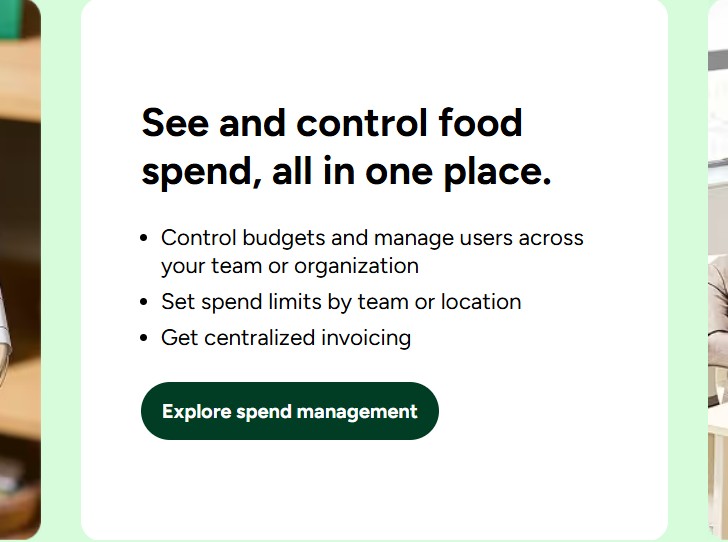
Expense management has also become easier with specialized corporate catering platforms. Businesses can monitor food budgets, manage invoices, and approve expenses more efficiently using centralized systems. Finance departments appreciate simplified billing processes because they reduce paperwork and improve transparency. Companies can also establish recurring meal schedules for regular meetings or office programs, saving administrative time and improving operational consistency.
Remote and hybrid work environments have further increased the importance of flexible food delivery solutions. Organizations with distributed teams often organize virtual events where employees receive meals at their homes during online meetings or celebrations. This helps maintain team connection even when employees are not physically present in the office. Corporate catering platforms designed for remote workforce support make it possible to coordinate deliveries across multiple locations efficiently.
Health-conscious dining has also become a major workplace priority. Employees increasingly prefer nutritious meal options that support energy and wellness throughout the day. Corporate catering services now include healthy menus, vegetarian choices, vegan meals, gluten-free options, and balanced nutrition plans that help organizations promote healthier workplace habits. Businesses focusing on employee wellness can use catering services to encourage better eating practices without sacrificing convenience.
The growth of office catering reflects broader workplace trends where employee experience, efficiency, and flexibility are becoming essential business priorities. Companies that integrate professional food delivery solutions into their operations often create stronger workplace cultures while improving productivity and employee satisfaction simultaneously.
How EzCater Simplifies Office Food Ordering And Delivery
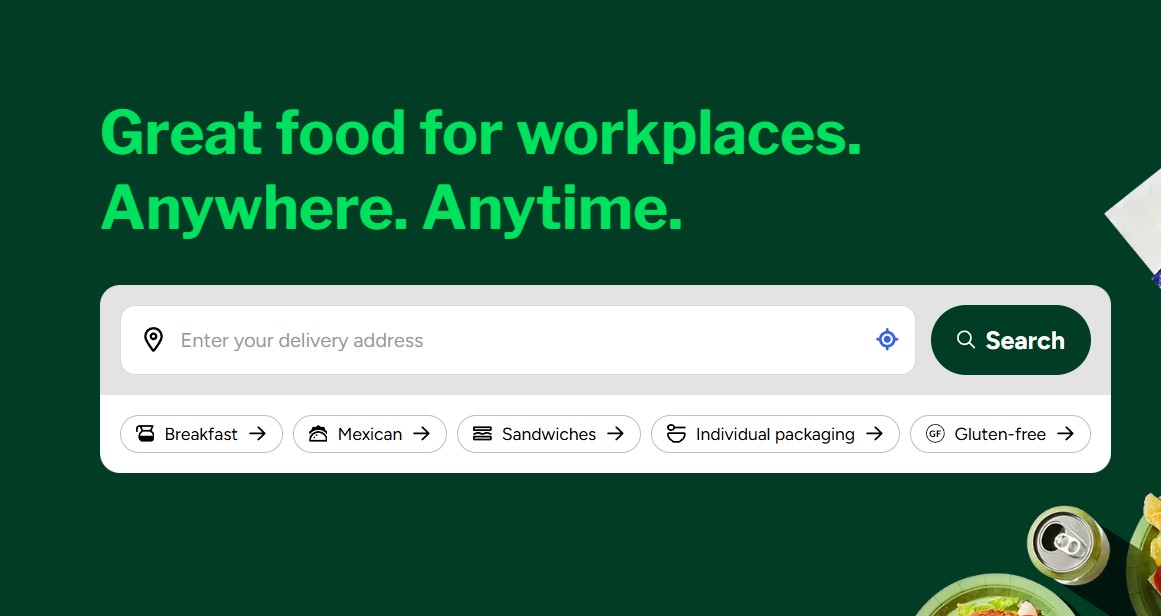
EzCater has transformed the corporate catering industry by making office food ordering simple, organized, and highly efficient. Businesses no longer need to spend hours contacting restaurants individually, comparing menus, or coordinating deliveries manually. The platform centralizes the entire process and provides companies with an easy way to manage office meals for meetings, events, and daily workplace dining needs.
One of the biggest strengths of the platform is its extensive restaurant network. Companies can access a wide selection of local restaurants, national chains, and specialty catering providers through one system. This gives organizations flexibility when selecting meals for different occasions. Teams can choose breakfast options for morning meetings, sandwich platters for training sessions, healthy lunches for wellness initiatives, or premium dining experiences for executive events without using multiple vendors.
The ordering interface is designed for simplicity and speed. Businesses can browse menus, compare pricing, customize meal selections, and schedule deliveries in advance. Administrative teams benefit from streamlined workflows because the platform reduces repetitive communication with restaurants. Instead of managing multiple calls and invoices, everything can be organized digitally in one location.
Another important feature is delivery reliability. Timely food delivery is critical during corporate events and business meetings because delays can interrupt schedules and reduce professionalism. Platforms focused on office catering prioritize delivery coordination to ensure meals arrive fresh and on time. Reliable logistics help businesses maintain smooth operations during conferences, workshops, and employee gatherings.
Large organizations often require complex catering management systems, especially when multiple departments place orders regularly. Corporate catering platforms provide tools for centralized billing, spending controls, and approval workflows that simplify financial management. Companies can track expenses, manage budgets, and organize recurring orders more effectively. This improves transparency while reducing administrative complexity for accounting and procurement teams.
Customization options also make office catering more practical for diverse workplaces. Employees may have allergies, dietary restrictions, or cultural food preferences that require careful planning. Modern catering systems allow businesses to filter menus and select meals that accommodate vegetarian, vegan, halal, gluten-free, dairy-free, and low-calorie preferences. This helps create inclusive dining experiences where every employee feels considered and respected.
Recurring meal programs are another valuable advantage for companies with regular office schedules. Businesses that provide weekly lunches, client breakfasts, or monthly team events can automate orders and maintain consistency without repeated manual effort. Scheduled ordering reduces planning stress and ensures meals are arranged reliably for ongoing workplace activities.
Hybrid work support has also become an important feature in modern corporate catering. Distributed teams working from different locations still benefit from shared meal experiences during virtual events or online training sessions. Flexible delivery coordination allows companies to send meals directly to employees’ homes while maintaining team engagement across remote environments. This helps organizations preserve company culture even when teams are geographically separated.
Customer support is another essential part of successful office catering solutions. Businesses often require quick adjustments, special requests, or last-minute order changes. Responsive support systems help organizations handle unexpected challenges efficiently and minimize disruptions during important events. Reliable assistance provides peace of mind for office managers and event coordinators responsible for workplace dining arrangements.
Technology-driven catering platforms also generate valuable operational insights. Companies can analyze ordering patterns, monitor spending trends, and identify employee preferences over time. This information helps businesses optimize future catering decisions while improving satisfaction and cost efficiency. Data-driven planning supports better workplace dining strategies and allows organizations to create more personalized employee experiences.
As corporate food delivery continues evolving, businesses increasingly prefer centralized digital solutions that combine convenience, flexibility, and reliability. Platforms designed specifically for office catering help organizations save time, reduce stress, and create positive workplace dining experiences that support productivity and employee engagement.
Building Stronger Workplace Culture Through Shared Meals
Food has always been connected to human interaction, communication, and relationship building. In professional environments, shared meals create opportunities for employees to connect beyond formal workplace responsibilities. Office catering programs can strengthen company culture significantly by encouraging collaboration, conversation, and team bonding in relaxed settings.
One of the most important benefits of workplace dining is improved communication between employees. Teams often interact differently during meals compared to structured meetings. Casual conversations during lunch can lead to stronger professional relationships, better teamwork, and increased trust among colleagues. Shared dining experiences help employees feel more comfortable expressing ideas and collaborating naturally.
Employee morale also improves when companies provide thoughtful meal experiences. Small gestures such as breakfast gatherings, celebration lunches, or surprise snacks demonstrate appreciation for employees’ efforts. Workers who feel valued by their organization are often more motivated and engaged in their roles. Food becomes more than just nourishment because it represents recognition and care from management.
Office catering also supports collaboration across departments. In large organizations, employees from different teams may rarely interact during regular workdays. Shared meals create informal opportunities for networking and relationship building between departments. This can improve communication, reduce workplace silos, and encourage greater organizational unity.
Company celebrations become more meaningful with professionally organized catering. Milestones such as successful product launches, anniversaries, project completions, or holiday gatherings are enhanced by quality dining experiences. Employees often remember these moments because food contributes to a positive and enjoyable atmosphere that strengthens emotional connection with the workplace.
New employee onboarding can also benefit from catered events. Welcoming lunches or team breakfasts help new hires integrate more comfortably into the organization. Informal dining environments reduce social barriers and allow new employees to build relationships with colleagues more naturally. This contributes to smoother onboarding experiences and faster workplace adaptation.
Corporate catering plays an important role during high-pressure work periods as well. Teams working long hours on deadlines or major projects often appreciate convenient meal support. Providing food during demanding schedules helps employees remain energized and focused while showing that the company recognizes their hard work and dedication.
Remote work environments present additional challenges for maintaining workplace culture, but food delivery solutions can still create meaningful shared experiences. Companies increasingly organize virtual lunches, online celebrations, and distributed team events where meals are delivered directly to employees. These initiatives help remote workers feel connected and included despite physical distance.
Health and wellness initiatives are another important aspect of workplace culture that can be supported through office catering. Businesses promoting balanced nutrition and healthy lifestyles often provide nutritious meal options for employees. Access to healthier food choices encourages better eating habits and demonstrates organizational commitment to employee well-being.
Inclusivity is also strengthened through diverse catering options. Offering meals that accommodate different dietary needs and cultural preferences helps employees feel respected and represented. Organizations with inclusive dining practices often create more welcoming workplace environments where everyone feels comfortable participating in company events and team activities.
Leadership teams also benefit from shared dining experiences with employees. Informal meals create opportunities for open conversations between management and staff that may not happen during formal meetings. These interactions can improve transparency, strengthen trust, and encourage more approachable leadership relationships within the organization.
Strong workplace culture is built through consistent positive experiences, and shared meals contribute significantly to that process. Companies that prioritize thoughtful catering solutions often create more connected, collaborative, and motivated teams while improving overall employee satisfaction and engagement.
The Future Of Corporate Food Delivery And Workplace Dining

The future of workplace dining is evolving rapidly as businesses continue adapting to changing employee expectations and modern work environments. Corporate food delivery is no longer limited to occasional office lunches because it has become an integrated part of employee experience strategies, workplace wellness programs, and operational efficiency planning.
Technology will continue shaping the future of office catering in significant ways. Artificial intelligence, automated scheduling systems, and advanced analytics are helping businesses personalize dining experiences more effectively. Companies can now analyze employee preferences, dietary trends, and ordering behaviors to create more customized meal programs that improve satisfaction and reduce waste.
Hybrid work environments are expected to remain a permanent part of modern business operations. This means corporate catering services must continue supporting both office-based and remote employees simultaneously. Flexible delivery systems that coordinate meals across multiple locations will become increasingly important as organizations maintain distributed workforces. Businesses will seek solutions that create equal dining experiences regardless of where employees work.
Sustainability is also becoming a major priority in workplace catering. Companies are increasingly concerned about environmentally responsible food practices, including eco-friendly packaging, reduced food waste, and locally sourced ingredients. Corporate catering providers that focus on sustainable operations are likely to become more attractive to businesses aiming to support environmental responsibility initiatives.
Employee wellness trends will further influence workplace dining choices. Organizations now recognize the connection between nutrition, mental performance, and productivity. Future office catering programs will likely place greater emphasis on balanced meals, fresh ingredients, and wellness-focused menu options that support employee health and energy levels throughout the workday.
Customization and personalization will continue growing in importance as workplace diversity expands. Employees increasingly expect meal options that align with their dietary needs, cultural backgrounds, and personal preferences. Catering platforms capable of offering highly personalized dining experiences will help organizations create more inclusive and employee-centered workplace environments.
Automation may also improve operational efficiency within corporate catering systems. Smart inventory management, predictive ordering tools, and automated expense tracking could simplify food coordination further for businesses. Administrative teams will benefit from reduced manual workload while companies gain better control over budgets and meal planning processes.
Corporate events are also expected to become more experience-focused rather than purely functional. Businesses increasingly view food as part of brand identity, employee engagement, and workplace culture. Creative dining experiences, themed catering events, and interactive food programs may become more common as organizations aim to strengthen team relationships and improve employee satisfaction.
The expansion of global workforces will also influence future catering services. International companies with employees across different regions require flexible food delivery systems capable of supporting various cuisines, dietary customs, and cultural preferences. Platforms offering broad restaurant networks and scalable logistics will become increasingly valuable for multinational organizations.
Another emerging trend is the integration of catering services into broader workplace management systems. Businesses may eventually manage food ordering, meeting scheduling, employee wellness programs, and office operations through connected digital platforms. This integration could improve efficiency while creating more seamless workplace experiences overall.
The corporate food delivery industry continues growing because businesses understand the strategic value of quality dining experiences. Food influences employee morale, productivity, collaboration, and workplace culture in powerful ways. Companies investing in modern catering solutions are not simply ordering meals but creating environments where employees feel supported, appreciated, and connected.
As workplace expectations continue evolving, platforms like EzCater will likely remain important partners for businesses seeking reliable, flexible, and efficient office catering solutions. Organizations that prioritize employee experience through thoughtful dining programs will continue building stronger teams, healthier workplace cultures, and more productive business environments for the future.