


To choose the right bag for work and travel, consider your primary activities, typical weather conditions, and the items you’ll carry. Leather bags offer durability and professional aesthetics but require more maintenance and are heavier. Fabric bags, especially nylon or canvas, are lighter, often more water-resistant, and easier to clean, making them ideal for frequent travel or casual work environments. Prioritize features like laptop compartments, anti-theft designs, and comfortable straps. Proper care, including regular cleaning and conditioning for leather, and spot-cleaning for fabric, will extend your bag’s lifespan, whether you’re navigating London’s Underground or flying Ryanair.
We’ve all been there: admiring a beautiful new bag, envisioning it as the perfect companion for our daily commute, an important business trip, or even just running errands around Paris. But as the days turn into weeks, and weeks into months, the initial sheen starts to fade. A scuff here, a coffee stain there, and suddenly that ‘perfect’ bag looks less than ideal. The challenge isn’t just buying the best bags for travel and work; it’s keeping them looking good and functional through the rigours of everyday life and adventurous journeys.
Understanding how to care for leather and fabric bags is crucial for protecting your investment and ensuring they serve you well for years. Whether you’re a frequent flyer navigating TSA security at New York JFK, a student juggling textbooks in Berlin, or a professional commuting in Milan, your bag endures a lot. This guide provides practical, no-nonsense advice to maintain your bag’s integrity, appearance, and longevity.
Ultimately, a bag is more than just a container; it’s an extension of your personal style and a vital tool for organization. When you invest in a quality piece, you want it to stand the test of time, resisting wear from busy airports and bustling city streets alike. This means knowing the specific needs of its materials.
Before we dive into the specifics of care, let’s get a quick overview of what makes a bag truly suitable for the demands of modern life, and what you can do to maintain it.
Key Considerations for Travel and Work Bags & Their Upkeep
- Material Matters: Leather offers elegance and durability, while high-denier nylon, waxed canvas, or polyester excels in weather resistance and lightweight design.
- Durability for the Daily Grind: Look for reinforced stitching, quality hardware (zippers, buckles), and solid strap attachments.
- Compartmentalization: Dedicated laptop sleeves, internal pockets for organization, and external quick-access pockets are essential for efficiency.
- Anti-Theft Features: Lockable zippers, RFID-blocking pockets, and slash-resistant materials offer peace of mind, especially in crowded tourist spots or while flying easyJet.
- Comfort & Ergonomics: Padded, adjustable straps are non-negotiable for carry-on bags or backpacks that you’ll wear for extended periods.
- Cleaning & Protection: Regular cleaning and appropriate protective treatments are the backbone of bag longevity.
- Storage: Storing your bags properly, away from direct sunlight and dust, prevents premature aging.
- Geo-Specific Needs: Consider airline carry-on dimensions (e.g., Ryanair limits) or urban commuting challenges (e.g., navigating a rainy London).
Choosing the Right Bag: Leather vs. Fabric for Your Lifestyle
The first step in proper bag care starts even before you buy: selecting the right material for your needs. The choice between leather and fabric significantly impacts not just aesthetics but also durability, weight, and maintenance requirements.
Leather Bags: The Professional’s Choice
Leather bags, whether a sleek briefcase for a meeting in Frankfurt or a stylish crossbody for exploring Rome, exude sophistication. They are known for their resilience and ability to develop a unique patina over time, telling the story of your journeys.
- Pros: Highly durable, ages beautifully, professional appearance, often water-resistant (especially full-grain leather).
- Cons: Heavier, generally more expensive, susceptible to scratches, requires specific conditioning.
- Best for: Business travel, professional environments, users who prefer a classic aesthetic and are committed to regular care.
Fabric Bags: The Versatile Workhorse
Fabric bags, ranging from solid nylon laptop bags to trendy canvas tote bags, offer unparalleled versatility. They are often lighter, more casual, and can be highly functional for various scenarios.
- Pros: Lightweight, often water-resistant (especially synthetic fabrics), easier to clean (spot-cleaning), wider range of colors and styles, often more affordable.
- Cons: Can show dirt easily, may not offer the same level of professional polish as leather, prone to snags or tears if not high-quality.
- Best for: Students, casual travel (carry-on bags), outdoor activities, anyone prioritizing lightness and ease of maintenance.
Essential Care for Leather Bags: Keeping Them Supple and Strong
Leather is a natural material that, with proper attention, can last a lifetime. Neglect it, however, and it can dry out, crack, or stain permanently. The key is consistent, gentle care.
Regular Cleaning and Conditioning
For everyday leather care, a soft, dry cloth is your best friend. Wipe down your bag weekly to remove dust and light grime. For deeper cleaning, use a dedicated leather cleaner. Apply a small amount to a clean cloth, gently wipe the bag, and then buff dry.
Men’s Fashion on the Go: How to Find the Best Man Bag for Your Style
Conditioning is vital to prevent leather from drying and cracking. Aim to condition your leather bag every 3-6 months, or more frequently if it’s exposed to harsh conditions (e.g., dry climates, heavy use). Use a high-quality leather conditioner, applying it sparingly with a clean cloth in small circular motions. Let it absorb, then buff off any excess.
Protecting Against Stains and Scratches
Prevention is better than cure. Consider using a leather protector spray, especially for lighter-colored leathers, to create a barrier against water and oil-based stains. Always test any product on an inconspicuous area first.
For minor scratches, some can be buffed out with a soft cloth or a tiny amount of leather conditioner. Deeper scratches might require professional repair. Be mindful of where you place your bag; avoid rough surfaces or sharp objects.
Caring for Fabric Bags: Practicality Meets Durability
Fabric bags, particularly those made from synthetic materials like nylon or polyester, are often celebrated for their low-maintenance nature. However, ‘low-maintenance’ doesn’t mean ‘no-maintenance.’ They still benefit greatly from regular cleaning and mindful use.
Spot Cleaning and Deep Cleaning
For most fabric bags, spot cleaning is your go-to. Use a mild soap (like dish soap) diluted in water and a clean cloth or soft brush to gently scrub the affected area. Rinse by dabbing with a damp cloth, then air dry completely. Avoid harsh chemicals or excessive scrubbing, which can damage the fabric or fade its color.
For a deeper clean, some fabric bags (check care labels!) can be hand-washed in cool water with a mild detergent. For larger items like carry-on bags or laptop bags, a professional cleaner specializing in luggage might be a good investment, especially if it has delicate components or intricate structures.
Water Resistance and Stain Protection
Many fabric bags, especially those designed for travel or outdoor use, come with a water-resistant coating. Over time, this can wear off. Reapply a fabric protector spray (suitable for your bag’s material) periodically to maintain its protective qualities. This is particularly useful for students carrying books in rainy London or commuters in unpredictable Parisian weather.
Smart Storage and Travel Tips: Extending Your Bag’s Life
How you store and travel with your bags significantly impacts their lifespan. A little foresight goes a long way.
Proper Storage Techniques
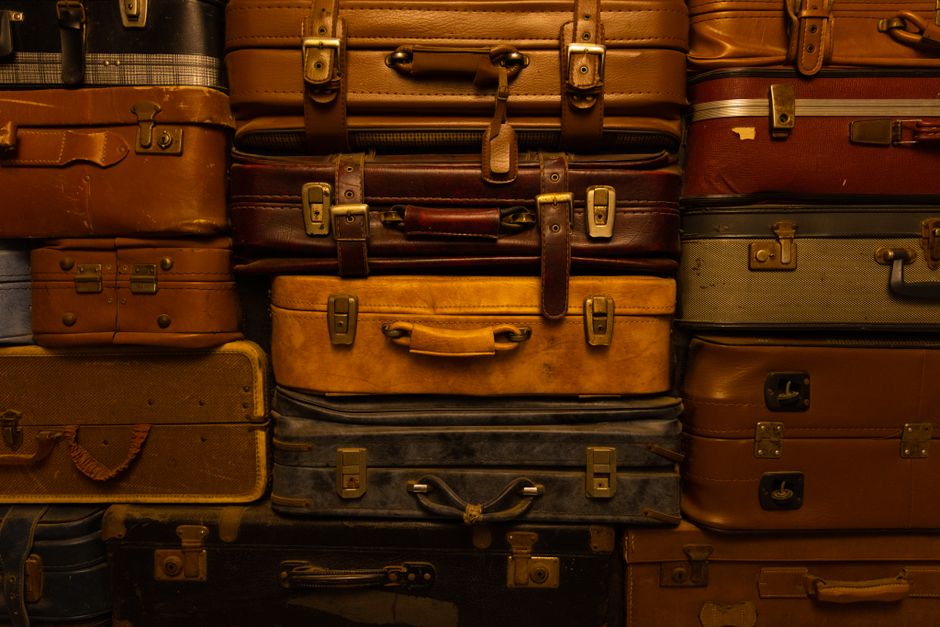
When not in use, store your bags in a cool, dry place away from direct sunlight, which can fade colors and dry out leather. For leather bags, stuff them with tissue paper or bubble wrap to maintain their shape. Never store leather in plastic bags, as it needs to breathe. For fabric bags, ensure they are completely dry before storing to prevent mildew.
If you have multiple bags, use dust bags (often provided with quality purchases) to protect them from dust and scratches. For larger travel bags or duffles, store them in a way that minimizes crushing or creasing.
5 Essential Tips for Choosing the Perfect Man Bag: A Must-Read Guide!
Travel-Specific Considerations
When traveling, especially with valuable items, consider anti-theft bags. These often feature slash-resistant materials and lockable zippers, providing peace of mind whether you’re in a bustling market in Madrid or a busy train station in Warsaw. Always check airline regulations for carry-on bags dimensions before flying. Ryanair and easyJet, for instance, have strict size limits that can vary.
For laptop bags, ensure the laptop compartment is well-padded and the bag distributes weight evenly. This protects your electronics and reduces strain on your shoulders. When going through airport security like TSA, remember to remove electronics from your bag for screening, streamlining the process and reducing potential damage.
FAQ: Direct Answers to Your Bag Care Questions
How often should I clean my leather bag?
For daily use, wipe your leather bag with a soft, dry cloth weekly to remove dust. A deeper clean with a specialized leather cleaner is recommended every 1-2 months, or as needed for spills and stains. Conditioning should be done every 3-6 months to keep the leather supple.
Can I machine wash my fabric bag?
Most fabric bags, especially those with structure or multiple compartments, should NOT be machine washed. Machine washing can damage zippers, linings, and alter the bag’s shape. Always check the care label; if in doubt, spot clean with mild soap and water, or opt for professional cleaning.
What should I do if my leather bag gets wet?
If your leather bag gets wet, gently blot away excess water with a clean, dry cloth. Do NOT rub. Allow it to air dry naturally, away from direct heat sources like radiators or sunlight, as rapid drying can cause cracking. Stuff it with paper to maintain its shape while drying.
How can I remove a stubborn stain from my fabric bag?
For stubborn stains on fabric bags, create a paste with baking soda and a small amount of water, apply it to the stain, let it sit for 30 minutes, then gently scrub with a soft brush and rinse with a damp cloth. For oil-based stains, cornstarch can absorb the oil before cleaning. Always test on an inconspicuous area first.
Are anti-theft bags truly effective?
Anti-theft bags significantly deter opportunistic theft by incorporating features like slash-resistant fabric, lockable zippers, and RFID-blocking pockets. While no bag is 100% theft-proof, these features make it much harder for thieves to access your belongings, offering enhanced security for your valuables during travel or daily commutes.
Key Takeaways for Enduring Bag Care
The longevity and appearance of your favorite travel and work bags hinge on understanding their materials and providing consistent, appropriate care. Whether you’re navigating the bustling streets of New York or commuting in a Polish city, your bag is an investment that deserves attention.
For leather bags, regular cleaning and conditioning are non-negotiable to prevent drying, cracking, and maintaining that luxurious feel. For fabric bags, spot cleaning and protecting against water and stains will keep them looking fresh and functional for years. Always prioritize quality materials and construction when choosing new bags, as a well-made bag is inherently easier to maintain.
Remember, a little preventive maintenance goes a long way in preserving both the aesthetic and the utility of your bags. By following these practical tips, you ensure your bags remain reliable companions for all your adventures, from the daily grind to grand tours across Europe and beyond.
Explore more bags guides on AtTheFashion to find your next perfect companion.


Leave feedback about this