

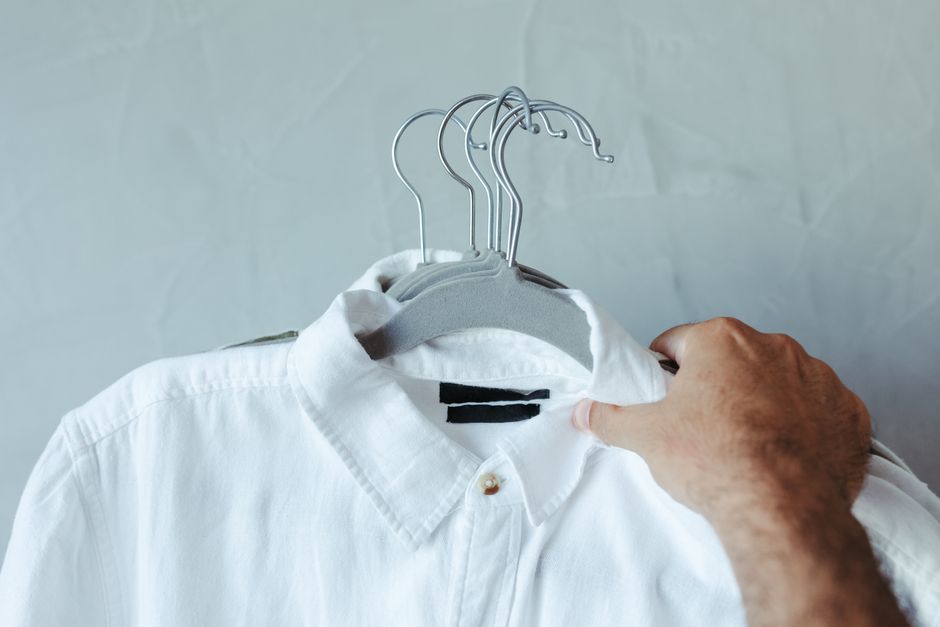
Men can build a useful wardrobe without overspending by focusing on high-quality, versatile basics that offer an excellent fit and lasting comfort. Instead of chasing fleeting trends, invest in foundational pieces made from sustainable fabrics like organic cotton, linen, or recycled blends. This approach allows for a lean, functional capsule wardrobe where items can be easily interchanged, maximizing outfits from fewer garments. Prioritize pieces that suit your lifestyle and geographic location, ensuring each purchase adds genuine value and reduces the need for frequent replacements, ultimately saving money and promoting a more sustainable approach to men’s fashion.
Navigating the world of men’s fashion can often feel overwhelming, especially when trying to balance personal style with practical concerns like budget and environmental impact. Many men find themselves with closets full of clothes, yet nothing to wear, or worse, pieces that feel uncomfortable and ill-fitting. The good news is that building a smart, effective wardrobe doesn’t require endless spending or chasing every new trend. It’s about understanding the core principles of fit, comfort, and versatile style, all while making conscious choices that support sustainable men’s fashion basics.
This guide will cut through the noise, offering actionable men’s fashion advice to help you curate a collection of essential garments that not only look good but feel great and stand the test of time. We’ll explore how to invest wisely in pieces that truly serve your lifestyle, ensuring every item in your wardrobe is a workhorse, not just a hanger warmer. By focusing on quality over quantity and making informed decisions, you can cultivate a personal style that’s both confident and responsible.
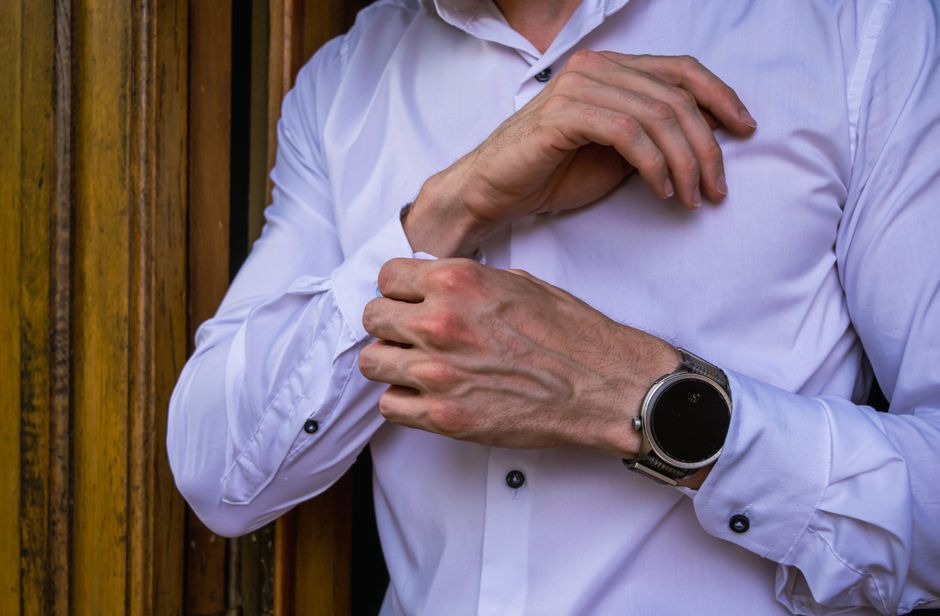
Building a useful wardrobe without overspending hinges on strategic choices. It’s about prioritizing quality basics that offer an excellent fit and lasting comfort. Instead of chasing fleeting trends, invest in foundational pieces made from sustainable fabrics like organic cotton, linen, or recycled blends. This approach allows for a lean, functional capsule wardrobe where items can be easily interchanged, maximizing outfits from fewer garments. Prioritize pieces that suit your lifestyle and geographic location, ensuring each purchase adds genuine value and reduces the need for frequent replacements, ultimately saving money and promoting a more sustainable approach to men’s fashion.
The Cornerstone of Style: Mastering the Fit
No matter how expensive or sustainably made a garment is, if it doesn’t fit well, it won’t look good. Fit is arguably the most crucial aspect of men’s fashion advice, yet it’s often overlooked. Understanding your body type and how clothes should sit on you can improve your entire appearance. A well-fitting garment flatters your physique, conveys confidence, and is more comfortable to wear.
Understanding Different Fits
- Slim Fit: Tapered through the body and sleeves, but not skin-tight. Ideal for a modern, streamlined look.
- Regular Fit: Offers more room in the chest and waist, providing a classic, comfortable silhouette.
- Athletic Fit: Designed for broader shoulders and chests with a tapered waist, accommodating a more muscular build without excess fabric.
- Relaxed Fit: Generous cut for maximum comfort and a more casual, laid-back vibe.
In practice, don’t be afraid to try on different sizes and styles. What works for one brand might differ for another. For example, a ‘slim fit’ shirt from a brand popular in Milan might be cut differently than one from a German brand. Pay attention to shoulder seams, sleeve length, collar gap, and trouser break. A common mistake is buying clothes that are too large, mistakenly thinking it adds comfort. Instead, it often creates a sloppy appearance.
The Power of a Good Tailor
Even off-the-rack clothing can achieve a bespoke feel with minor alterations. A good tailor is an invaluable asset. Shortening sleeves, tapering trousers, or taking in a jacket can dramatically improve the fit and overall look of your garments. This is especially true for essential items like suits, blazers, and dress shirts. Investing a small amount in tailoring extends the life and wearability of your clothes, making them truly yours.
The Ultimate Guide to Choosing the Perfect Woman Bag: Top Tips and Tricks
Comfort as a Non-Negotiable: Why It Matters
Style without comfort is unsustainable. If a piece of clothing feels restrictive, itchy, or just generally unpleasant, you simply won’t wear it. True style integrates comfort smoothly into your daily life. This means choosing fabrics that feel good against your skin, allow for movement, and are appropriate for the climate.
Fabric Choices for Comfort and Sustainability
When selecting your men’s fashion basics, the material makes all the difference. Prioritize natural fibers and innovative sustainable fabrics. These not only feel better but also often have a lower environmental footprint.
- Organic Cotton: Soft, breathable, and durable. A classic for T-shirts, casual shirts, and underwear. Look for certifications like GOTS (Global Organic Textile Standard).
- Linen: Excellent for warmer climates or summer wear. Highly breathable, absorbent, and develops a beautiful natural texture over time. Perfect for casual shirts, trousers, and blazers.
- Hemp: Similar to linen in its breathability and durability, but often even stronger. It softens with each wash and requires less water to grow.
- Tencel/Lyocell: A cellulosic fiber made from sustainably sourced wood pulp. Known for its incredible softness, drape, and moisture-wicking properties.
- Recycled Materials: Recycled polyester (rPET) or recycled cotton blends reduce waste and conserve resources. Great for outerwear, activewear, and some casual garments.
- Merino Wool: For cooler climates, merino wool is a miracle fiber. It’s soft, regulates temperature, wicks moisture, and resists odor, making it ideal for sweaters, socks, and base layers.
For example, a sustainable brand in Berlin might focus heavily on organic cotton and recycled materials for their urban wear, while a designer in Paris might prioritize linen and Tencel for their elegant resort collections. Think about your local climate in places like New York or London and choose fabrics that will serve you year-round.
Cultivating Versatile Style with Men’s Fashion Basics
The goal of sustainable men’s fashion basics is to build a highly versatile capsule wardrobe. This means selecting pieces that can be easily mixed and matched to create numerous outfits for various occasions, from smart casual to more formal settings. This approach not only saves money but also reduces decision fatigue.
The Smart Casual Core
Smart casual is arguably the most useful dress code for modern men, bridging the gap between overly formal and too relaxed. Mastering it means you’re prepared for most social and professional situations. Here are some menswear essentials:
- Chinos: A versatile alternative to jeans and dress trousers. Opt for neutral colors like navy, khaki, grey, and olive.
- Dark Wash Jeans: A well-fitting pair of dark indigo or black jeans can be dressed up or down. Avoid excessive distressing.
- Plain T-shirts: High-quality T-shirts in white, black, navy, and grey are foundational. Look for heavier weight organic cotton for durability.
- Oxford Button-Down Shirts: A wardrobe workhorse. White, light blue, and subtle patterns are excellent for layering or wearing on their own.
- Sweaters: Crew neck or V-neck sweaters in merino wool or cashmere blends (if budget allows) add warmth and sophistication.
- Blazer/Sport Coat: A navy or grey unstructured blazer instantly elevates any outfit. It’s a key piece for smart casual in cities like Milan or London.
- Classic Sneakers: Clean, minimalist leather or canvas sneakers can be paired with almost anything.
- Dress Boots/Loafers: A pair of versatile leather shoes rounds out your footwear options.
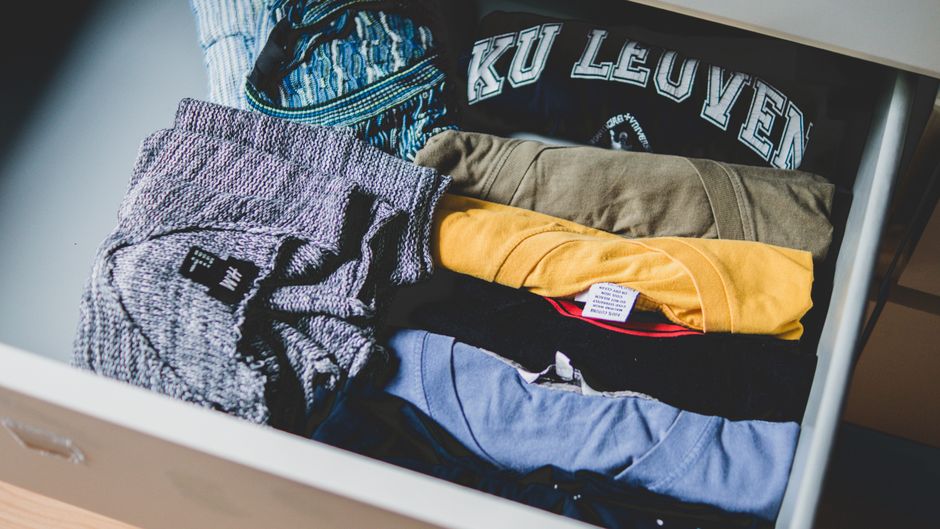
When building your capsule wardrobe, think about color palettes. Sticking to a neutral base (navy, grey, white, black, beige) with a few accent colors makes mixing and matching effortless. For instance, a plain white organic cotton T-shirt can be worn under a navy blazer with chinos for a smart casual look, or with dark jeans and sneakers for a weekend outfit. This thoughtful approach to men’s fashion advice sustainable men’s fashion basics ensures every piece pulls its weight.
The Environmental Imperative: Shopping Sustainably
Sustainable men’s fashion goes beyond just fabric choices; it encompasses the entire lifecycle of a garment. When making purchasing decisions, consider factors like ethical production, transparency, and durability. Brands in regions like Scandinavia and even some emerging labels in Poland are leading the way in sustainable practices.
Men’s Travel Clothes for Europe and the US: Your Essential Packing Guide
Key Considerations for Sustainable Shopping
- Durability: Invest in high-quality items designed to last. Fast fashion contributes significantly to waste.
- Ethical Production: Look for brands that ensure fair wages and safe working conditions. Certifications like Fair Trade can be a good indicator.
- Transparency: Reputable sustainable brands are often open about their supply chains, from fiber sourcing to manufacturing.
- Secondhand/Vintage: Explore secondhand options. Places like flea markets in Berlin or vintage shops in London offer unique, high-quality pieces with zero new environmental impact.
- Care and Repair: Extend the life of your clothes by following care instructions, and repair items instead of replacing them.
Regional Style Notes: Adapting Your Basics
While the core principles of men’s fashion advice sustainable men’s fashion basics remain universal, subtle regional differences in climate and culture can influence specific choices. For instance:
- United States: A strong emphasis on casual wear, but with growing appreciation for well-tailored business casual. Durable denim and versatile smart casual pieces are key in cities like New York.
- United Kingdom: Classic tailoring and heritage brands are prominent, especially in London. Tweed and wool are popular for outerwear.
- Germany: Practicality and quality are highly valued. Functional, well-made garments, often in muted tones, are favored, particularly in bustling cities like Berlin.
- France: Understated elegance and effortless chic. Lean towards minimalist designs, quality fabrics, and excellent fit, especially evident in Paris.
- Italy: Renowned for impeccable tailoring, luxurious fabrics, and a keen eye for detail. Soft tailoring and elegant accessories are common in Milan.
- Spain: Lighter fabrics and vibrant colors are more common, especially in warmer regions, but classic sharp dressing is still appreciated.
- Poland: Growing interest in contemporary designs mixed with traditional craftsmanship. Practical, stylish pieces suitable for varied climates are appreciated.
FAQ: Common Questions on Sustainable Men’s Fashion
How can I tell if a garment is truly sustainable?
Look for specific certifications such as GOTS (Global Organic Textile Standard) for cotton, OEKO-TEX for safe textiles, or Fair Trade for ethical production. Brands that are transparent about their supply chain and manufacturing processes are generally more reliable. Be wary of ‘greenwashing’ and vague claims without evidence.
What are the most essential men’s fashion basics for a minimalist wardrobe?
A minimalist wardrobe should include versatile items like dark wash jeans, chinos in neutral colors, plain organic cotton T-shirts, an Oxford button-down shirt, a merino wool sweater, a versatile blazer, and classic white sneakers or leather boots. These pieces can be easily mixed and matched for various occasions.
Is sustainable fashion always more expensive?
Initially, sustainable fashion items can have a higher price tag due to ethical labor, higher quality materials, and responsible production methods. However, they are often more durable and last longer, reducing the need for frequent replacements. This ‘cost per wear’ can make sustainable options more economical in the long run.
How do I care for my sustainable clothes to make them last?
Always follow the care label instructions. For natural fibers, cold water washing, air drying, and gentle cycles can significantly extend garment life. Avoid harsh detergents and excessive heat. Mend small tears or loose buttons promptly to prevent further damage. Proper care is key to longevity.
Where can I find reputable sustainable men’s fashion brands?
Many online directories and publications focus on sustainable fashion. Look for brands that specialize in ethical production and use sustainable fabrics. Local boutiques in cities like Berlin or London often stock smaller, eco-conscious labels. Reading reviews and brand transparency reports can also guide your choices.
Can I build a stylish wardrobe with only a few items?
Absolutely. The concept of a capsule wardrobe, built on versatile, well-fitting basics in a cohesive color palette, allows for a multitude of outfits from a limited number of garments. Focus on quality over quantity and ensure each piece can serve multiple purposes and occasions. This is the essence of effective men’s fashion advice sustainable men’s fashion basics.
Conclusion: Style That Lasts
Building a wardrobe based on sustainable men’s fashion basics—prioritizing fit, comfort, and versatile style—is a smart investment in yourself and the planet. By making informed choices about materials, understanding what truly fits your body, and opting for durable, timeless pieces, you’ll develop a personal style that feels authentic, looks sharp, and contributes to a more responsible future. It’s about curating a collection you love, that works hard for you, and that you can feel good about wearing every day. Discover more men’s style inspiration and practical guides. Explore more men’s guides on AtTheFashion.

Leave feedback about this