


Men can build a useful and versatile travel wardrobe without overspending by focusing on quality, multi-functional pieces that can be mixed and matched. Prioritize durable fabrics, neutral colors, and classic styles that transition easily from day to night and adapt to various climates and cultural settings, whether you’re exploring the historic streets of Paris or navigating a business meeting in New York. The key is strategic selection, not excessive spending, allowing for adaptability and comfort across diverse travel scenarios.
Packing for a trip, especially one spanning continents, often feels like a puzzle. For men, the challenge is amplified by the desire to look presentable, stay comfortable, and avoid the dreaded oversized suitcase. Whether your itinerary involves charming European cobblestones or the bustling avenues of American cities, understanding the nuances of men’s fashion advice for men’s travel clothes for Europe and the US is crucial. It’s about more than just fitting everything; it’s about smart choices that enhance your travel experience.
Many travelers fall into predictable traps: overpacking casual wear, underestimating the need for versatility, or simply bringing items that don’t translate well across different cultural backdrops. This guide aims to sidestep those common mistakes, providing practical, confidence-building strategies for a streamlined and stylish travel wardrobe. We’ll explore how to pack smarter, not harder, ensuring you’re prepared for anything from a business lunch in London to a leisurely stroll through Berlin’s art districts.
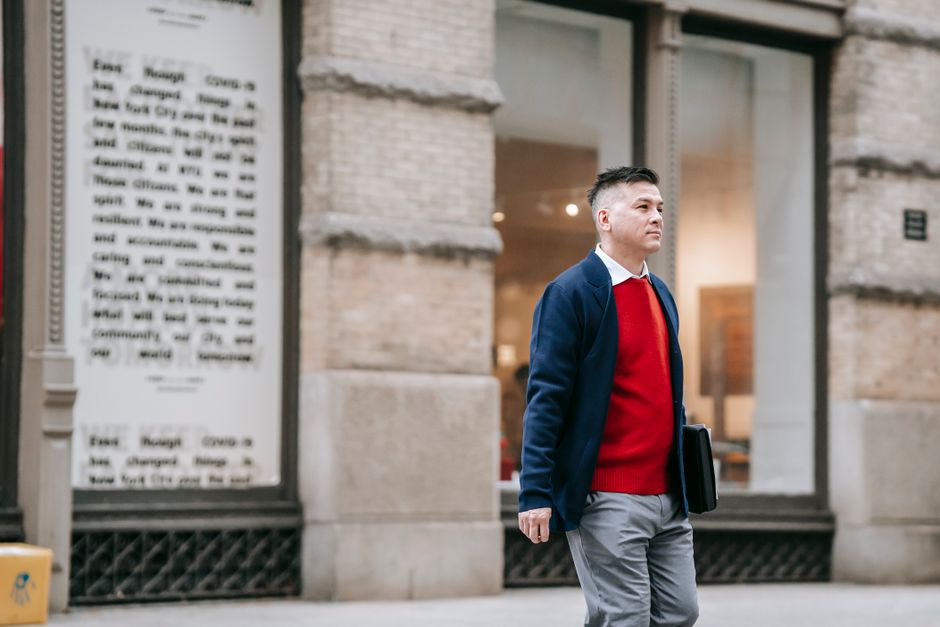
The Pitfalls: Common Men’s Travel Clothing Mistakes
Before we dive into solutions, let’s identify the most frequent blunders men make when choosing their travel attire. Recognizing these issues is the first step toward a more efficient and stylish packing strategy.
Overpacking and Underutilizing
Perhaps the most universal mistake is simply bringing too many clothes. A suitcase bursting at the seams often means a significant portion of its contents will go unworn. This isn’t just an inconvenience; it can lead to extra baggage fees and the stress of lugging unnecessary weight.
- The ‘Just in Case’ Syndrome: Bringing items for hypothetical scenarios that rarely materialize.
- Lack of Interchangeability: Packing individual outfits rather than versatile pieces that can be combined in multiple ways.
Ignoring Local Fashion Norms
While personal style is important, a successful traveler often blends in, at least subtly, with local aesthetics. Dressing too casually in places where a more polished look is common, or vice-versa, can feel out of place. Think of the distinct smart casual approach in Milan compared to a more relaxed vibe in, say, a beach town in the US.
Forgetting the Power of Layers
Weather is unpredictable, and climates can shift dramatically, even within a single day. Neglecting to pack appropriate layers is a quick way to find yourself either shivering or sweating. This is particularly true in cities like London or Paris, where mornings can be crisp and afternoons surprisingly warm.
The Ultimate Guide to Rocking a Man Bag: Top Tips and Tricks Revealed
Prioritizing Trends Over Timelessness
While keeping up with fashion can be fun, a travel wardrobe demands practicality and longevity. Trendy items might feel exciting but often lack the versatility and durability needed for prolonged wear and diverse settings.
Easy Fixes: Crafting Your Smart Travel Wardrobe
Now that we’ve pinpointed the problems, let’s turn our attention to the solutions. Building a useful wardrobe without overspending hinges on smart choices and a capsule mentality.
The Capsule Wardrobe Approach: Quality Over Quantity
The core principle of men’s fashion advice for men’s travel clothes for Europe and the US is the capsule wardrobe: a collection of versatile, complementary items that can be mixed and matched to create numerous outfits. This drastically reduces the number of items needed while maximizing your stylistic options.
- Neutral Base Colors: Black, navy, grey, and khaki form a solid foundation. These colors pair easily with almost anything and hide minor stains well.
- Strategic Pops of Color: Introduce personality with one or two colored shirts, a scarf, or socks, rather than a full wardrobe of bright hues.
- High-Quality, Durable Fabrics: Invest in materials that resist wrinkles, dry quickly, and stand up to repeated wear. Think merino wool, technical blends, and wrinkle-resistant cotton. Sustainable fabrics are also becoming increasingly popular, offering both durability and an eco-conscious choice.
Versatility is Key: From Day to Night, City to Countryside
Every item you pack should ideally serve multiple purposes. This is where smart casual menswear essentials truly shine.
- Convertible Trousers: Chinos or smart dark jeans can go from daytime sightseeing to an evening dinner with a simple change of shirt and shoes. Consider a pair of well-fitting, dark-wash jeans that aren’t overly distressed—they’re surprisingly adaptable for most European and US cities.
- Multi-Purpose Shirts: A few well-fitting button-down shirts (oxford or chambray) can be dressed up with a blazer or down worn open over a t-shirt. Performance polos can work similarly.
- Lightweight Outerwear: A simple, unstructured blazer or a stylish, water-resistant field jacket can improve any outfit and provide crucial warmth.
Footwear: The Often-Overlooked Foundation
Your shoes are arguably the most important items you’ll pack. Comfort is paramount, but style shouldn’t be sacrificed. Aim for two to three pairs.
- Comfortable Walking Shoes: Stylish sneakers (like classic white or dark leather trainers) or high-quality walking shoes are non-negotiable for long days on your feet, whether you’re navigating the sprawling Louvre in Paris or pounding the pavements of New York.
- Versatile Dressier Option: A pair of loafers, chukka boots, or smart leather sneakers that can be worn with both jeans and dressier trousers.
- Optional: If your trip involves specific activities, like hiking or formal events, add a third pair specific to that need.
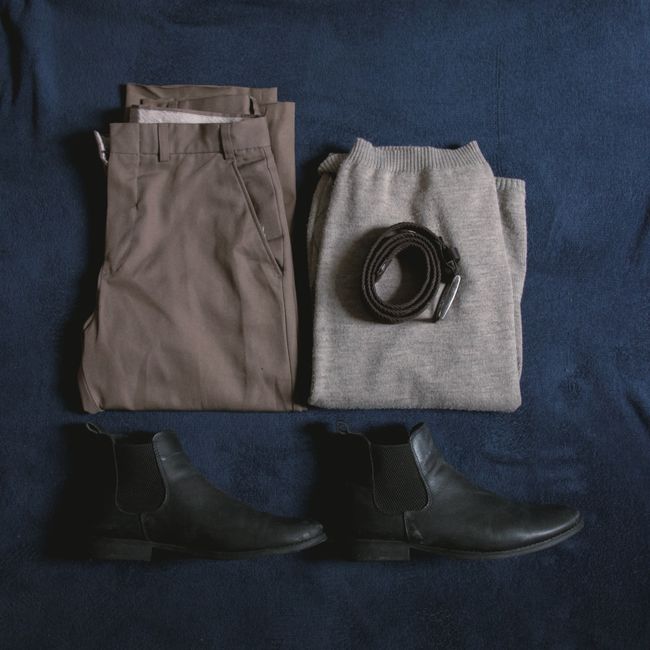
Layering Like a Pro: Adapting to Any Climate
Effective layering ensures you’re ready for fluctuating temperatures without overpacking bulky items.
- Base Layer: Lightweight, breathable t-shirts (e.g., merino wool or performance fabric) are excellent for regulating body temperature.
- Mid-Layer: A smart casual button-down, a lightweight sweater (V-neck or crew neck), or a cardigan adds warmth and style.
- Outer Layer: A packable, water-resistant jacket or a blazer completes the ensemble. This combination means you can add or remove items throughout the day.
Region-Specific Considerations: Europe vs. US
While the capsule wardrobe principles apply broadly, there are subtle differences in men’s fashion advice for men’s travel clothes for Europe and the US to keep in mind:
Men’s Travel Clothes for Europe and the US: Realistic Outfits on a Budget
- Europe (e.g., Paris, Milan, London, Berlin): Generally leans towards a more tailored, sophisticated smart casual. Darker colors, slim fits, and quality fabrics are appreciated. Avoid overly bright touristy clothing. A well-fitting blazer is often your best friend. In cities like Milan, known for its fashion, even everyday wear can feel more polished.
- US (e.g., New York, Los Angeles): Can be more diverse. Major cities like New York often have a similar polished vibe to European capitals, but other regions might be more relaxed. Generally, comfort is prioritized, but quality still matters. Good denim and stylish sneakers are widely accepted.
Accessories That Make a Difference
Accessories are the easiest way to personalize an outfit and adapt to different settings without adding significant bulk.
- A Quality Watch: Adds a touch of sophistication.
- A Stylish Belt: A simple leather belt can tie an outfit together.
- Scarf: Practical for warmth in cooler climates (especially in Europe) and a stylish accent.
- Sunglasses: Essential for both sun protection and style.
How can men build a useful wardrobe without overspending?
Building a useful and stylish travel wardrobe doesn’t require breaking the bank. The trick is to focus on foundational pieces that offer maximum versatility and durability, allowing them to be mixed, matched, and re-worn in various configurations. Instead of buying many cheap, trend-driven items, invest in fewer, higher-quality classics. Look for sales on reputable brands known for their durable menswear essentials, and prioritize neutral colors like navy, grey, black, and khaki that can anchor multiple outfits. Think of each purchase as an investment in versatility, ensuring every item earns its place in your suitcase and can transition smoothly from a busy day exploring New York to an evening out in London. This approach reduces overall spending by minimizing the need for constant replacements and maximizing the utility of each piece.
FAQ: Your Top Travel Style Questions Answered
What are the essential items for a European men’s travel wardrobe?
For European travel, essential men’s items include dark, well-fitting jeans or chinos, a few quality t-shirts (plain or subtle patterns), two to three button-down shirts, a lightweight sweater or cardigan, an unstructured blazer, a versatile jacket (e.g., a field jacket), comfortable yet stylish walking shoes, and a dressier shoe option like loafers. Don’t forget a belt and a versatile scarf for cooler weather or added style.
How can I avoid looking like a tourist in Europe?
To avoid looking like a tourist in Europe, prioritize smart casual attire over overly casual clothing like baggy shorts, bright athletic wear, or large branded t-shirts. Opt for well-fitting clothes in neutral colors, choose stylish sneakers or leather shoes over chunky trainers, and pay attention to details like a good belt or a simple watch. Blending in subtly often means dressing a bit more polished than you might at home.
Are jeans acceptable for men’s travel in Europe?
Yes, dark-wash, well-fitting jeans are generally acceptable for men’s travel in Europe, especially for daytime sightseeing and casual evenings. However, avoid overly ripped, distressed, or baggy jeans if you’re aiming for a more polished look or planning to visit upscale restaurants or cultural events. For these occasions, chinos or tailored trousers are often a better choice.
What kind of shoes are best for walking in European cities?
The best shoes for walking in European cities are comfortable, supportive, and stylish. Opt for classic leather sneakers (e.g., plain white or dark colors), well-made walking shoes with good arch support, or chukka boots. Prioritize shoes that can handle many miles on cobblestones or uneven pavements while still looking presentable with various outfits.
How many outfits should a man pack for a week-long trip?
For a week-long trip, a man can comfortably pack 3-4 bottom items (e.g., 2 pairs of trousers/jeans, 1-2 pairs of shorts/chinos), 5-7 tops (mix of t-shirts and button-downs), 1-2 layering items (sweater/cardigan), 1-2 versatile jackets/blazers, and 2-3 pairs of shoes. The key is ensuring all items can be mixed and matched to create numerous distinct outfits.
Conclusion: Travel Smart, Dress Confidently
Mastering men’s fashion advice for men’s travel clothes for Europe and the US is about thoughtful preparation, not excessive packing. By focusing on a versatile capsule wardrobe, prioritizing quality over quantity, and understanding regional style nuances, you can navigate any destination with comfort and confidence. Forget the stress of overflowing luggage and embrace the freedom of a well-curated travel wardrobe. Now, go explore the world, looking your best every step of the way!
Explore more men’s guides on AtTheFashion.

Leave feedback about this