

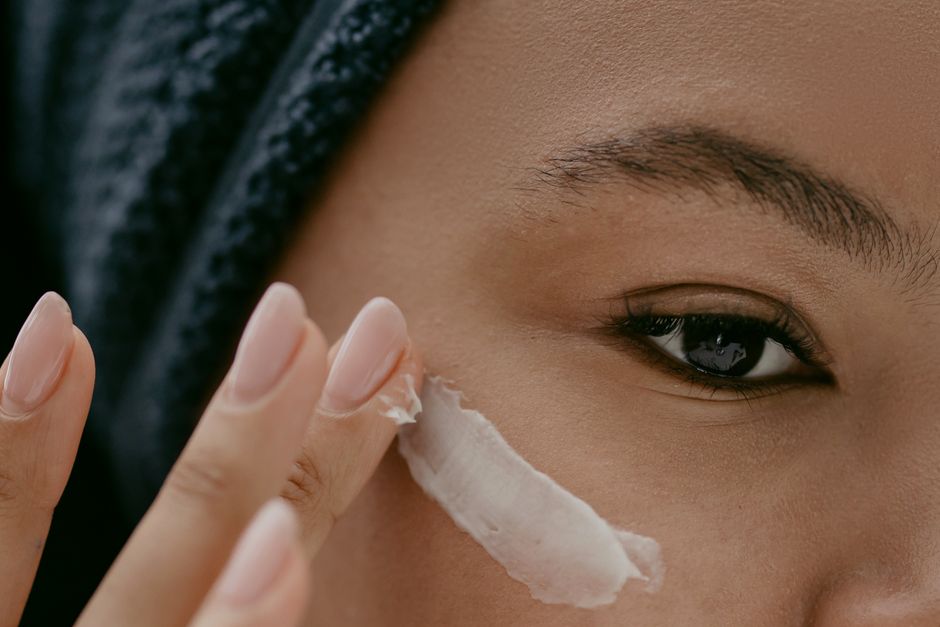
Long-haul flights, while exciting in their promise of new destinations, can be incredibly taxing on our skin. The cabin environment – notoriously dry, recirculated air, and significant pressure changes – can strip skin of its natural moisture, leaving it feeling tight, dull, or even leading to breakouts. This challenge is universal, whether you’re departing from New York City for Berlin or flying from Paris to Los Angeles.
It’s a common misconception that a complicated regimen is needed to combat these effects. In practice, a streamlined, intelligent approach focused on core principles like hydration and barrier support is far more effective. The goal isn’t just to look good upon arrival, but to ensure your skin remains healthy and comfortable throughout the journey and beyond.
Understanding the Unique Challenges of Cabin Air
The air on an airplane, particularly during long-haul flights, is significantly drier than what most of us are accustomed to. Relative humidity levels can drop to as low as 10-20%, which is comparable to desert conditions. This extreme dryness actively pulls moisture from your skin, leading to dehydration. For many, this manifests as tightness, flakiness, or increased sensitivity. Moreover, changes in cabin pressure can affect blood circulation, sometimes contributing to puffiness or a lack of radiance.
For US and European travelers, access to products can vary, but the fundamental needs remain the same: protecting the skin barrier and ensuring ample hydration. Understanding these environmental stressors is the first step in building a truly practical beauty and skincare guide beauty essentials for long-haul flights.
Your Practical Beauty and Skincare Guide: Essentials for Long-Haul Flights
Crafting your inflight beauty arsenal doesn’t require a suitcase full of products. Focus on multi-tasking heroes and generous sizes of key items, ensuring they comply with liquid restrictions for carry-on luggage (typically 100ml/3.4oz per container in both US and EU airports).
1. Gentle Cleanser: Start Fresh, Stay Fresh
Before you even step on the plane, cleanse your face. Opt for a mild, hydrating cleanser, ideally one that doesn’t strip your skin. Micellar water or a cream cleanser is excellent for sensitive skin. During the flight, if you feel the need to refresh, a quick wipe with micellar water on a cotton pad can do wonders without the harshness of tap water found in airplane lavatories. Brands like Bioderma (widely available across Europe and increasingly in the US) or Cetaphil offer reliable, gentle options.
2. Hydrating Serum: The Moisture Magnet
This is where hyaluronic acid shines. A serum rich in hyaluronic acid can draw moisture from the air (if there’s any to be found!) and into your skin, providing crucial hydration. Apply it to slightly damp skin for best results. Look for formulations that also include ceramides, which are essential for maintaining a healthy skin barrier – your skin’s first line of defense against environmental aggressors. Popular options include The Ordinary Hyaluronic Acid 2% + B5 (affordable and global) or La Roche-Posay Hyalu B5 Serum.
3. Rich Moisturizer: Seal in the Goodness
Layering a generous amount of a rich, occlusive moisturizer over your serum is perhaps the most critical step. This creates a protective barrier, preventing moisture loss and shielding your skin from the dry cabin air. Look for ingredients like shea butter, squalane, or petrolatum. Don’t be afraid to apply a thicker layer than you normally would. Think of it as a comforting cocoon for your skin. Brands like Augustinus Bader (luxury, but effective), CeraVe (affordable and derm-approved across US and Europe), or Avène (French pharmacy favorite) have excellent choices for sensitive skin.
Hydrating Skincare for Dry Winter Weather: A Simple Routine for Beginners
4. Lip Balm & Hand Cream: Don’t Forget the Extremities
Your lips and hands are equally susceptible to dehydration. A good quality lip balm (like Laneige Lip Sleeping Mask or Blistex for a more budget-friendly option) and a nourishing hand cream are non-negotiable. Reapply frequently. L’Occitane’s shea butter hand creams are a staple for many European and US travelers.
5. SPF for Arrival: Essential Protection
Even if you’re landing in cloudy weather or plan to head straight to your hotel, SPF is crucial. UV radiation can penetrate airplane windows, and upon arrival, you’ll be exposed to the elements. Opt for a broad-spectrum SPF 30 or higher. Tinted mineral sunscreens can offer a bit of coverage too, simplifying your makeup routine. Consider brands like Supergoop! (popular in the US) or La Roche-Posay Anthelios (a European pharmacy favorite, widely available). Remember, SPF is your most important anti-aging product, whether you’re on the ground or in the air.
6. Minimal Makeup: Let Your Skin Breathe
While a full face of makeup might feel appealing, it can often feel heavy and uncomfortable as skin dehydrates. If you must wear makeup, choose lightweight, hydrating formulas. A tinted moisturizer, a touch of concealer, and a brow gel are often all you need. Save the heavy foundations and powders for after you’ve landed and refreshed.
7. Retinol – Use with Caution, or Skip Entirely
For some, retinol is a nighttime staple. However, on a long-haul flight, especially for those with sensitive skin, it might be best to skip your retinol treatment. Retinoids can increase skin sensitivity and dryness, which are exacerbated by the cabin environment. If you’re using a low-strength retinol and your skin is well-acclimated, you might be fine, but for most, it’s safer to pause and resume your regular routine upon arrival.
Comparing In-Flight Hydration Strategies: Mists vs. Masks vs. Creams
When it comes to battling dryness in the air, there are several product categories often discussed. Understanding their pros and cons can help you decide what fits your practical beauty and skincare guide best.
| Product Type | Pros | Cons | Best For |
|---|---|---|---|
| Facial Mists | Instant refreshing feeling; quick pick-me-up; easily reapplied. | Can evaporate quickly, potentially drawing moisture from skin if not followed by an occlusive; may not be enough for extreme dryness. | Quick refreshes, waking up skin, setting makeup lightly. Look for mists with hydrating ingredients like hyaluronic acid, not just water. |
| Sheet Masks | Intense hydration boost; forces you to relax; feels luxurious. | Can be messy; might feel awkward in a public cabin; often exceed 100ml liquid limits for carry-on; some ingredients can be irritating. | Dedicated pampering if you have a private space; pre-flight boost. Ensure the mask itself isn’t too saturated or bulky. |
| Rich Creams/Balms | Long-lasting moisture; forms protective barrier; highly effective against dryness. | Can feel heavy or greasy to some; may require more blending. | Primary defense against extreme cabin dryness; essential for skin barrier support. Can be layered generously. |
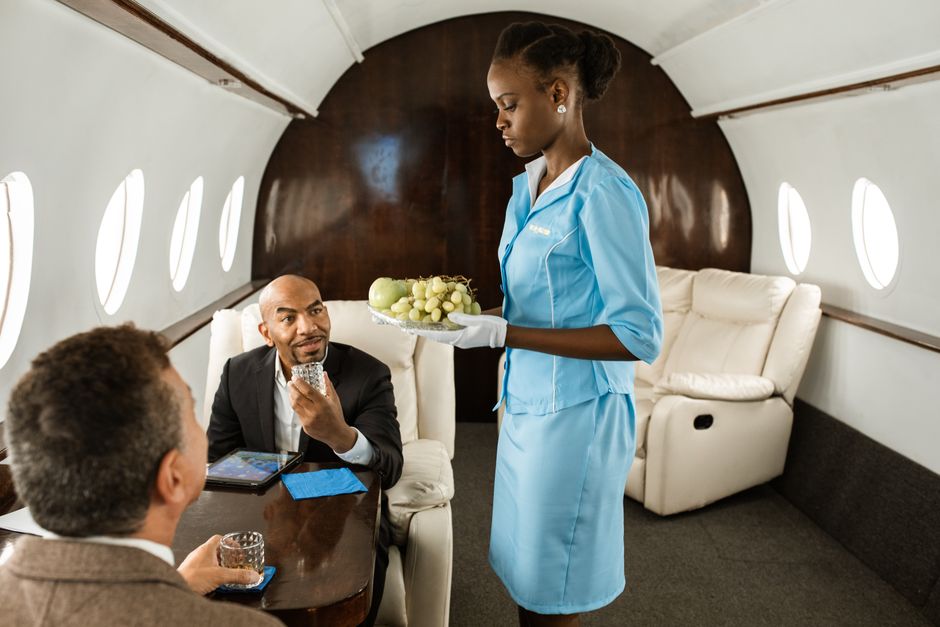
Common Mistakes to Avoid on Long-Haul Flights
Even with the best intentions, some habits can inadvertently sabotage your inflight skincare efforts. Being aware of these can save your skin some stress.
Over-Cleansing
While it’s tempting to feel ‘clean,’ excessive washing or using harsh cleansers will further strip your skin of its natural oils, exacerbating dryness. Stick to a gentle cleanse before the flight and minimal refreshing during the journey.
Hydrating Skincare for Dry Winter: A Practical Guide for US & European Shoppers
Forgetting Internal Hydration
Skincare is only half the battle. Staying well-hydrated internally is just as crucial. Drink plenty of water throughout your flight, and try to limit dehydrating beverages like alcohol and excessive caffeine. This supports overall skin health from within.
Ignoring Sun Protection
As mentioned, UV rays penetrate airplane windows. This means you’re exposed to potential damage, especially if you have a window seat during the day. Failing to apply SPF upon arrival is another common oversight, leaving your compromised skin vulnerable.
Touching Your Face Frequently
Airplane surfaces are notorious for harboring germs. Touching your face after handling trays, armrests, or seatbelt buckles can transfer bacteria, potentially leading to breakouts. Keep your hands clean with hand sanitizer and try to avoid unnecessary face touching.
FAQ: Answering Your Top Long-Haul Flight Beauty Questions
What is the simplest beauty routine for healthy-looking skin on a long-haul flight?
The simplest routine involves a gentle cleanser, a hydrating serum (like one with hyaluronic acid), and a rich moisturizer. Finish with SPF upon arrival. This minimalist approach prioritizes hydration and barrier protection, combating cabin dryness effectively without needing many products.
Should I bring my full skincare routine on a long-haul flight?
No, it’s generally best to streamline your routine. Focus on hydration, protection, and gentle cleansing. Leave active ingredients like strong exfoliants or high-strength retinol at home, as they can increase sensitivity in the dry, low-humidity cabin environment.
Can I use a face mask on a plane?
While you can, consider practicality. Sheet masks can be messy and might feel awkward in public. If you prefer a mask, opt for a sleeping mask or a very rich cream that acts like a mask, applying a thick layer that you can leave on or gently tissue off.
How can I prevent breakouts on long-haul flights?
To prevent breakouts, focus on gentle cleansing, avoiding touching your face, and keeping skin hydrated but not smothered. Over-drying skin can paradoxically trigger oil production, so maintaining moisture balance is key. Using non-comedogenic products helps too.
What about my eyes? Do they need special care?
Yes, the delicate skin around your eyes is particularly susceptible to dryness and puffiness. A hydrating eye cream can be beneficial. Look for formulations with ceramides or hyaluronic acid. If you’re prone to puffiness, consider a cooling eye mask or roller.
Is it true that I should avoid using facial mists on a plane?
Facial mists can provide temporary relief, but if they contain only water and aren’t sealed in with a moisturizer, the evaporation can actually draw moisture from your skin. Choose mists with humectants like glycerin or hyaluronic acid, and always follow with a rich cream to lock in the hydration.
Navigating the unique challenges of long-haul travel doesn’t mean sacrificing your skin’s health or comfort. By focusing on smart, practical choices for your beauty and skincare, especially emphasizing hydration and barrier protection, you can arrive at your destination looking and feeling refreshed. Explore more beauty guides and expert advice to enhance your routine at home and on the go. Explore more beauty guides on AtTheFashion.


Leave feedback about this