

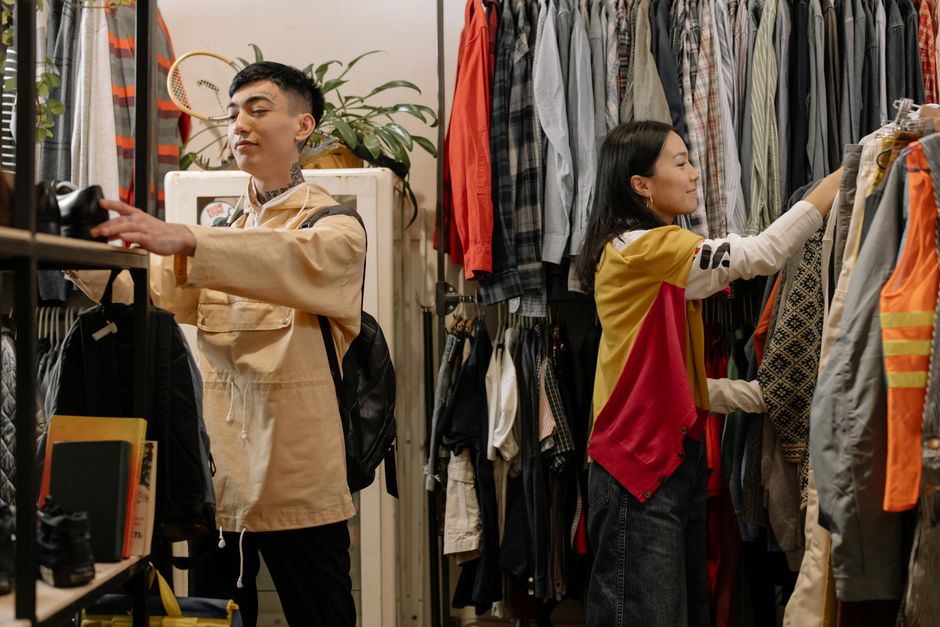
Men can build a useful wardrobe without overspending by focusing on high-quality, versatile sustainable men’s fashion basics that mix and match easily. Prioritize durable fabrics, classic styles, and responsible brands. Invest in fewer, better pieces that stand the test of time, reducing the need for frequent replacements. Create a capsule wardrobe where each item serves multiple purposes, allowing for smart casual to professional looks. Strategic shopping during sales, caring for existing garments, and avoiding impulse buys are also crucial for both budget and environmental impact.
Walk through any major city — be it London, Berlin, New York, or Paris — and you’ll see a spectrum of men’s style. Some men look effortlessly put together, their clothes appearing to have a story, while others seem to chase fleeting trends. The difference often lies not in budget, but in a deliberate approach to building a wardrobe. For many, the idea of ‘sustainable’ fashion still conjures images of rough hemp or limited choices, but modern menswear has evolved significantly.
The goal isn’t to overhaul your entire closet overnight, nor is it to become a fashion ascetic. It’s about making smarter choices, slowly transitioning to a collection of items that serve you well, look good, and align with a more responsible way of consuming. This isn’t just good for the planet; it’s good for your wallet and your peace of mind.
This practical guide on sustainable men’s fashion basics will help you navigate the options, ensuring your wardrobe is both stylish and ethical, without breaking the bank. It’s about informed decisions that stand the test of time.
Why Invest in Sustainable Men’s Fashion Basics?
In a world of fast fashion cycles and constantly shifting trends, the idea of a ‘sustainable wardrobe’ might seem daunting. However, the benefits extend beyond environmental impact. Investing in sustainable men’s fashion basics means prioritizing durability, versatility, and ethical production. You get garments made from higher-quality materials, often with better craftsmanship, leading to items that last longer and look better over time. This reduces your long-term spending by cutting down on frequent replacements and contributes to a smaller fashion footprint.
Moreover, understanding the provenance of your clothes — from the cotton fields to the factory floor — connects you to a larger global narrative. Brands prioritizing sustainability often ensure fair wages, safe working conditions, and reduced environmental harm, issues that resonate with conscious consumers from Milan to Manchester. It’s about moving away from disposable fashion towards pieces you truly value and that reflect a considered approach to personal style and global citizenship.
Building Your Sustainable Men’s Wardrobe: A Practical Buying Checklist
When curating your collection of sustainable men’s fashion basics, focus on timeless pieces that can be dressed up or down. Think of a capsule wardrobe approach where every item can be mixed and matched with several others, maximizing outfits with fewer garments.
1. The Foundation: Quality T-Shirts and Polo Shirts
Forget multi-packs of disposable tees. Invest in 3-5 high-quality organic cotton or recycled fabric t-shirts in neutral colors (white, black, navy, grey) and one or two well-fitting polo shirts. These form the backbone of your casual and smart-casual looks. Look for certifications like GOTS (Global Organic Textile Standard) or Oeko-Tex for assurance on fabric sourcing and processing.
2. Versatile Shirts: Oxfords and Chambray
An Oxford cloth button-down (OCBD) shirt is a menswear essential. Aim for one in white and another in light blue. These pair smoothly with jeans, chinos, or tailored trousers. A chambray shirt offers a slightly more casual, yet equally versatile alternative. Seek out brands using linen or Tencel™ Lyocell for breathability and a softer environmental impact.
Men’s Travel Clothes for Europe and the US: Your Essential Packing Guide
3. The Right Denim: Durable Jeans
A well-fitting pair of dark wash, straight-leg or slim-fit jeans is indispensable. Prioritize brands that focus on reducing water usage and chemical dyes in their denim production. Raw denim, while requiring a break-in period, lasts incredibly long and develops unique fades over time, making it a truly sustainable choice.
4. Smart Casual Trousers: Chinos and Wool Trousers
Chinos in navy, olive, or beige offer a smart-casual alternative to jeans. For more formal settings, a pair of charcoal or navy wool trousers provides a sophisticated option that works for business casual offices in New York or dinner in Berlin. Look for recycled wool blends or ethically sourced virgin wool.
5. Essential Outerwear: A Versatile Jacket and Coat
A classic navy or olive field jacket or a minimalist bomber jacket provides excellent versatility for milder weather. For colder climates, a timeless wool overcoat or a well-insulated parka made with recycled materials is a smart investment. These pieces should be durable enough to withstand years of wear and varying conditions, from Parisian autumns to Polish winters.
6. Knitwear: Sweaters and Cardigans
Merino wool, cashmere (ethically sourced), or organic cotton sweaters and cardigans offer warmth and layering options. A crewneck sweater in grey or navy, and a V-neck or cardigan, can improve a casual shirt or add warmth over an OCBD. These are core pieces for adapting to changing temperatures.
7. Underwear and Socks: The Unsung Heroes
While often overlooked, sustainable options for underwear and socks are growing. Look for organic cotton, bamboo, or recycled synthetic blends. These fabrics offer comfort and breathability while minimizing environmental impact. Investing in quality here means less waste over time.
8. Footwear: Classic & Comfortable
A good pair of leather sneakers (from LWG-certified tanneries or vegan alternatives), classic leather boots (like Chelsea or chukka boots), and formal dress shoes are foundational. Consider brands known for their repairability or those using recycled rubber soles. A comfortable, stylish pair of shoes can make or break an outfit and should be built to last.
Comparing Sustainable Fabric Choices
Understanding sustainable fabrics is key to making informed decisions. Here’s a quick overview:
| Fabric Type | Pros | Cons | Best For |
|---|---|---|---|
| Organic Cotton | Soft, breathable, requires less water/pesticides than conventional cotton. | Can still be resource-intensive in production. | T-shirts, shirts, underwear, casual wear. |
| Recycled Cotton | Reduces textile waste, saves water/energy. | Can be less durable than virgin cotton, often blended. | Denim, knitwear, some shirts. |
| Linen | Highly sustainable (flax requires minimal water/pesticides), durable, breathable. | Wrinkles easily, can feel rough if not pre-softened. | Summer shirts, trousers, light jackets. |
| Tencel™ Lyocell | Made from wood pulp, closed-loop process, very soft, drapes well. | Can be more expensive, wrinkles. | Dress shirts, relaxed trousers, soft knitwear. |
| Recycled Wool | Reduces landfill waste, conserves resources. | Quality can vary depending on blend. | Sweaters, overcoats, tailored trousers. |
| Hemp | Very durable, grows easily with little water/pesticides, gets softer with wear. | Can be coarse initially, limited color options. | Casual wear, sturdy jackets, denim alternatives. |
Common Mistakes to Avoid in Sustainable Menswear
Building a sustainable wardrobe isn’t just about what you buy, but also what you avoid. A common mistake is falling for ‘greenwashing’ – marketing claims that exaggerate environmental efforts without substantive change. Always look for third-party certifications (like GOTS, Fair Trade, B Corp) rather than vague claims like ‘eco-friendly’.
Men’s First Date & Dinner Outfits: A Practical Buying Checklist
Another pitfall is buying too many trendy items, even if they are marketed as ‘sustainable’. Trends by their nature are short-lived. A sustainable wardrobe thrives on timelessness. Focus on classic silhouettes and colors that won’t go out of style in a season or two. This is particularly true for professionals who need versatile pieces for the office in cities like Milan or London.
Ignoring garment care is also a major mistake. Even the most sustainable garment will have a short life if not cared for properly. Read care labels, wash clothes less frequently, use cold water, and air dry when possible. Proper care extends lifespan, saving money and resources.
Finally, don’t feel pressured to buy everything new. Secondhand shopping in stores or online marketplaces in places like Berlin or New York is an excellent way to acquire quality pieces at a fraction of the cost, giving garments a second life and significantly reducing your environmental footprint. It’s a key part of smart men’s fashion advice.
FAQ: Your Questions on Sustainable Men’s Fashion Answered
What is the most sustainable fabric for men’s clothing?
There isn’t a single ‘most sustainable’ fabric, as impact varies by production method. However, materials like organic linen, hemp, Tencel™ Lyocell, and recycled wool or cotton are excellent choices due to their lower environmental footprint compared to conventional alternatives. Always look for certifications to ensure truly sustainable practices.
How can I tell if a brand is truly sustainable?
Look for transparency in their supply chain, third-party certifications (like GOTS, Fair Trade, B Corp, Oeko-Tex), and clear information about their ethical practices and environmental goals. Vague claims like ‘eco-friendly’ without specifics are often red flags. Genuine sustainable brands share detailed impact reports and worker conditions.
Is it expensive to build a sustainable men’s wardrobe?
Initially, individual sustainable pieces might have a higher upfront cost than fast fashion items. However, they are designed to last much longer, reducing the need for frequent replacements. Over time, this investment often saves money, making it a cost-effective approach to building a quality, durable wardrobe.
How do I care for sustainable clothing to make it last?
Proper care is crucial. Always check garment care labels. Generally, wash clothes less frequently, use cold water, and air dry to preserve fabric integrity and color. Avoid harsh detergents and excessive machine drying. Mending minor tears promptly also extends garment life significantly.
Can I find sustainable men’s fashion basics in all sizes?
Yes, the sustainable fashion market is expanding rapidly, with many brands offering a diverse range of sizes. While smaller brands might have limited stock, larger ethical companies are increasingly catering to a broader audience. Online marketplaces and specialized sustainable boutiques often provide more options.
Building a wardrobe based on sustainable men’s fashion basics is a journey, not a destination. It’s about making conscious choices, enjoying quality garments, and fostering a style that genuinely reflects who you are. For more men’s fashion advice and guides, explore more men’s guides on AtTheFashion.

Leave feedback about this