

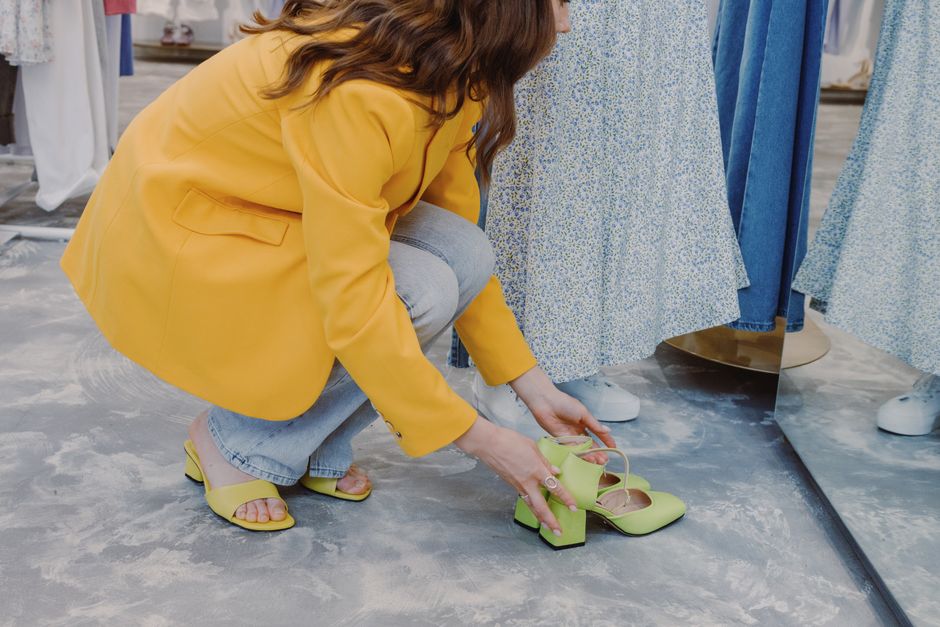
For all-day comfort, a shoe needs proper arch support, adequate cushioning, and a flexible sole that complements your foot’s natural movement. For walking, this often means a slightly firmer, more stable design, while running shoes prioritize shock absorption and a more aggressive tread. Beginners on a budget should look for versatile cross-trainers or entry-level models from reputable brands, focusing on fit over features. Proper fit ensures your toes have room to splay, your heel feels secure, and there’s no pinching or rubbing, making a significant difference whether you’re navigating European cobblestones or a New York street.
Deciding between a pair of running shoes and walking shoes can feel like a surprisingly complex task, especially when you’re just starting out and watching your budget. It’s not just about aesthetics; the right footwear choice profoundly impacts your comfort, performance, and long-term foot health, whether you’re tackling your first 5k, commuting across London, or exploring the historic streets of Rome. Many beginners, understandably, conflate the two categories, assuming any athletic shoe will suffice for either activity. This often leads to discomfort, blisters, or even minor injuries, derailing good intentions before they’ve truly taken hold.
The fundamental difference lies in how each type of shoe is engineered to support the specific biomechanics of its intended activity. Walking involves a heel-to-toe roll with less impact, while running involves higher impact forces and a more dynamic foot strike. Understanding these distinctions is key to finding comfortable footwear for beginners, especially when balancing quality with a budget.
Ignoring these differences can mean buying a shoe that doesn’t provide the necessary support or cushioning for your chosen activity. Imagine trying to power walk through Paris in shoes designed for a marathon sprint – you’d quickly feel the strain. This guide aims to demystify the choices, helping US and European shoppers find budget-friendly options that prioritize comfort and performance for their specific needs.
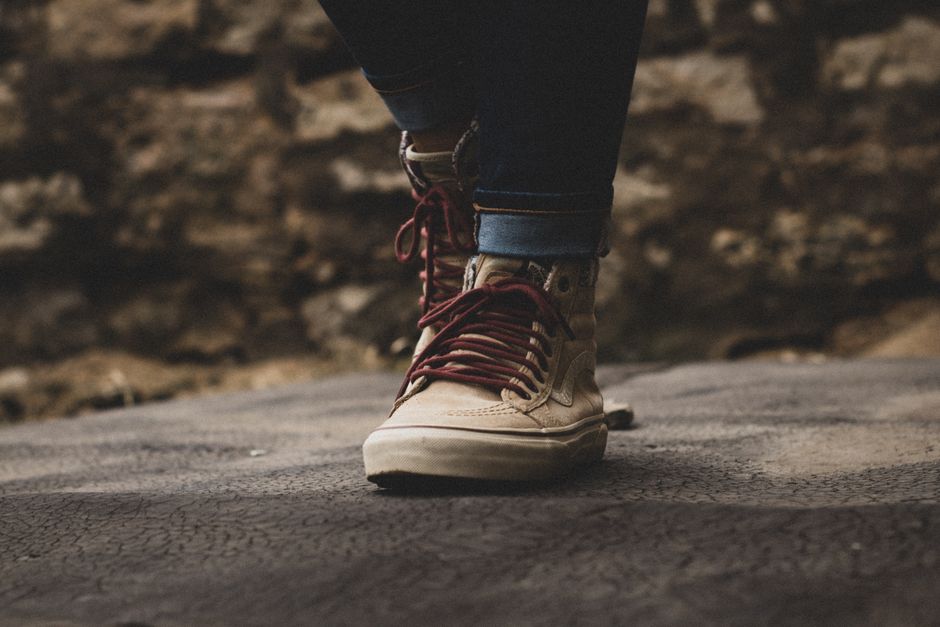
Quick Overview: Running vs. Walking Shoes
- Cushioning: Running shoes typically have more cushioning to absorb higher impact forces. Walking shoes often feature moderate cushioning for sustained comfort.
- Flexibility: Walking shoes are more flexible in the forefoot to allow for the natural roll of the foot. Running shoes often have more rigidity or specialized flexibility patterns for propulsion.
- Heel Drop: Running shoes vary widely, but many have a slightly higher heel drop. Walking shoes often have a lower heel drop for stability.
- Weight: Running shoes, especially performance models, prioritize lightweight design. Walking shoes might be slightly heavier, emphasizing durability and support.
- Stability: Both can offer stability, but walking shoes often focus on lateral stability for varied terrain, while running shoes focus on pronation control.
- Tread: Running shoe treads are designed for grip and propulsion on specific surfaces (road, trail). Walking shoe treads are often more general-purpose and durable.
- Budget Impact: Entry-level models in both categories can be very similar in price, but specialized running shoes can quickly become more expensive.
The Core Differences: How Footwear Influences Your Stride
At first glance, many athletic shoes look alike, but their internal engineering caters to very different demands. For beginners, grasping these distinctions is critical for choosing comfortable footwear that genuinely supports their activity.
Cushioning and Shock Absorption
Running shoes are built to absorb significantly higher impact forces. When you run, the force exerted on your foot can be 2-3 times your body weight with each stride. To mitigate this, running shoes feature advanced cushioning systems, often using proprietary foams and gel inserts, distributed throughout the midsole. This helps protect your joints and muscles from repetitive stress.
Walking, by contrast, generates less impact. A walker’s foot typically experiences 1-1.5 times body weight in force. Therefore, walking shoes require cushioning, but it tends to be firmer and more evenly distributed, prioritizing sustained comfort over shock absorption. The goal is to provide a plush, supportive feel for hours on end, not just during the high-impact phases of a run.
Flexibility and Foot Roll
The way your foot moves through its stride — known as the gait cycle — differs between walking and running. A walking stride involves a heel-to-toe roll. As such, walking shoes are designed to be more flexible in the forefoot, allowing your foot to bend naturally with each step. This supports the smooth transition from heel strike to toe-off. Consider walking across the uneven cobblestones of London or navigating a busy market in Berlin; you need that natural flexibility.
Running shoes often feature more structured flexibility. Some are highly flexible for a natural feel, while others incorporate plates or firmer sections for propulsion or stability. The point of flex is often further back towards the midfoot, aligning with where the foot pushes off during a run.
Waterproof Shoes for Rainy Commutes: Budget-Friendly Options for US and European Shoppers
Heel Drop and Stability
Heel drop refers to the height difference between the heel and the forefoot of a shoe. Many traditional running shoes have a higher heel drop (8-12mm) to encourage a heel strike and facilitate a forward roll. Minimalist running shoes have a lower drop (0-4mm) for a more natural midfoot strike.
Walking shoes generally feature a lower heel drop (often 0-8mm), which promotes a more stable, natural walking posture. A lower drop, combined with a wider base, provides enhanced stability, which is particularly beneficial for those spending long hours on their feet, like city tourists or workers in professions requiring constant movement.
What Makes a Shoe Comfortable for Walking All Day?
For comfortable footwear that supports walking all day, several factors are paramount. It’s not just about soft cushioning; it’s about a holistic design that cradles and supports the foot through countless steps. Proper arch support is non-negotiable; whether you have high arches, flat feet, or something in between, the shoe’s arch contour should match your foot’s natural shape to prevent strain. Adequate cushioning, as discussed, is key, but it needs to be responsive—soft enough to absorb impact but firm enough to prevent your foot from sinking too much, which can cause fatigue. The upper material should be breathable, especially for long days, allowing air circulation to prevent sweat buildup and chafing. Think about navigating a hot summer day in Paris or Chicago; breathability is a lifesaver. Finally, a secure fit around the heel and midfoot, combined with ample room in the toe box, prevents blisters and ensures your foot stays comfortably in place without feeling constricted.
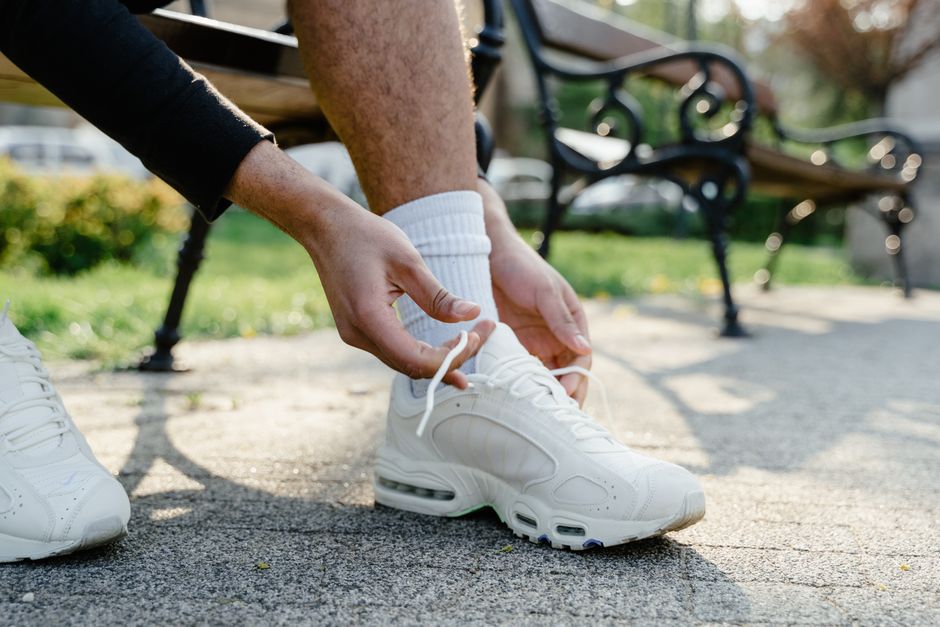
Budget-Friendly Options: Getting Started Without Breaking the Bank
For beginners in the US and Europe, finding comfortable footwear doesn’t mean emptying your wallet. Reputable brands offer excellent entry-level options that deliver on comfort and durability.
For Walkers: Everyday Comfort and Durability
When looking for walking shoes, prioritize general comfort, support, and a flexible forefoot. Brands like Skechers, New Balance (especially their walking lines like the 840 or 990 series), and Brooks (e.g., Addiction Walker) often have great options. For European shoppers, brands like Decathlon’s Kalenji range offer surprisingly good value, as do certain models from Adidas and Puma that focus on lifestyle and casual walking. Look for sales on previous year’s models; a shoe that was €120 last year might be €70 this year and still perfectly suited for your needs. Waterproof walking shoes are also a wise investment, particularly in climates like the UK or parts of Germany, where unexpected rain is common. Brands like Merrell or Columbia offer budget-friendly waterproof options.
When traversing specific terrains, such as the historic European cobblestones, you’ll appreciate a shoe with a stable sole and good traction. A slightly thicker outsole provides a barrier against uneven surfaces, making those long days exploring London, Paris, or Rome much more pleasant.
For Runners: Entry-Level Performance and Protection
For beginning runners, the goal is often consistent cushioning and support without the highly specialized (and expensive) features of elite race shoes. Brands like Saucony (e.g., Cohesion), ASICS (e.g., Gel-Contend), and Nike (e.g., Revolution or Downshifter) consistently offer reliable entry-level running shoes. These models provide ample cushioning for road running and typically have a durable rubber outsole. Again, seasonal sales are your friend. Keep an eye out at larger sporting goods retailers in the US like Dick’s Sporting Goods or Kohl’s, and in Europe, stores like Intersport, Decathlon, or online retailers like Zalando. You can often find a suitable pair for around $60-$100 or €50-€90. Remember, the ‘best’ running shoe for you is the one that fits your foot shape and feels comfortable from the moment you try it on.
The Hybrid Option: Cross-Training Shoes
If you’re truly a beginner and plan to do a mix of light walking, gym work, and perhaps very short, infrequent runs, a good cross-training shoe can be a versatile, budget-friendly option. These shoes offer a balance of cushioning, flexibility, and lateral stability. While not specialized for either activity, they can serve as an excellent starting point, allowing you to gauge your interest before investing in activity-specific footwear. Look for models from brands like Reebok, Nike (e.g., Metcon series, though often pricier), or Puma.
Summer Sandals That Support Long Walks: Avoiding Painful Footwear Mistakes
Shoe Fit: The Unsung Hero of Comfort
No matter the shoe type or budget, proper fit is paramount. A poorly fitting shoe, even an expensive one, will cause discomfort and potential injury. Always try shoes on at the end of the day when your feet are slightly swollen. Wear the type of socks you’d normally use. Ensure there’s a thumb’s width of space between your longest toe and the end of the shoe. Your heel should feel secure, not slipping excessively, and there should be no pinching or tightness across the widest part of your foot.
Many experienced salespeople in shoe stores, especially specialty running stores, can offer gait analysis or fitting advice. Don’t be shy about asking for help. A good fit means the difference between enjoying your activity and dreading every step, whether you’re navigating the sprawling avenues of New York or the charming lanes of Florence.
FAQ: Common Questions About Footwear Choices
What’s the main difference in sole design for running versus walking shoes?
Running shoes typically have a more aggressive sole pattern for grip and often feature firmer rubber in high-wear areas, along with specialized cushioning technologies. Walking shoes usually have a flatter, more even sole designed for consistent ground contact and flexibility, often with moderate traction suited for varied urban and light trail surfaces. The goal for walkers is often stability and all-day comfort.
Can I use running shoes for walking all day?
Yes, you can use running shoes for walking, and many people do, especially if they are softer, more cushioned models. However, they might not offer the same level of forefoot flexibility or lateral stability as dedicated walking shoes, potentially leading to less efficient movement or slight discomfort over very long distances. For casual, shorter walks, they are usually fine.
Are expensive shoes always better for beginners?
Not necessarily. While high-end shoes often feature advanced technologies, these benefits might be overkill or even detrimental for a beginner whose gait and needs are still developing. Focus on mid-range, well-reviewed models that prioritize comfort, fit, and adequate support for your specific activity. Many budget-friendly options provide excellent value for beginners.
How often should I replace my walking or running shoes?
As a general guideline, replace running shoes every 300-500 miles (500-800 km) or every 6-8 months, whichever comes first. Walking shoes, due to less impact, can last longer, typically 500-700 miles (800-1100 km) or 9-12 months. Look for signs of wear like compressed cushioning, worn-down tread, or aches and pains you didn’t experience before.
What are some good budget-friendly brands for waterproof walking shoes in Europe?
For budget-friendly waterproof walking shoes in Europe, consider brands like Decathlon’s Quechua or Forclaz ranges, which offer excellent value and often feature proprietary waterproofing. Other accessible options include certain models from Columbia, Regatta, and even some Salomon or Merrell models when on sale, especially in stores across Germany, France, Italy, Spain, and Poland.
Key Takeaways for Your Footwear Journey
Choosing the right footwear, whether for running or walking, is a foundational step in ensuring comfort and preventing injury, especially for beginners. The core distinction lies in the engineering: running shoes prioritize impact absorption and propulsion, while walking shoes focus on sustained comfort, flexibility in the forefoot, and stability for hours on your feet. For beginners, a common mistake is underestimating the importance of a proper fit. Always prioritize fit over flashy features or brand names. Finally, remember that budget-friendly options from reputable brands are plentiful in both the US and European markets, making comfortable footwear accessible to everyone. Don’t be afraid to look for sales or last season’s models to get more for your money.
Explore more footwear guides on AtTheFashion to continue your journey towards optimal comfort and style.


Leave feedback about this