

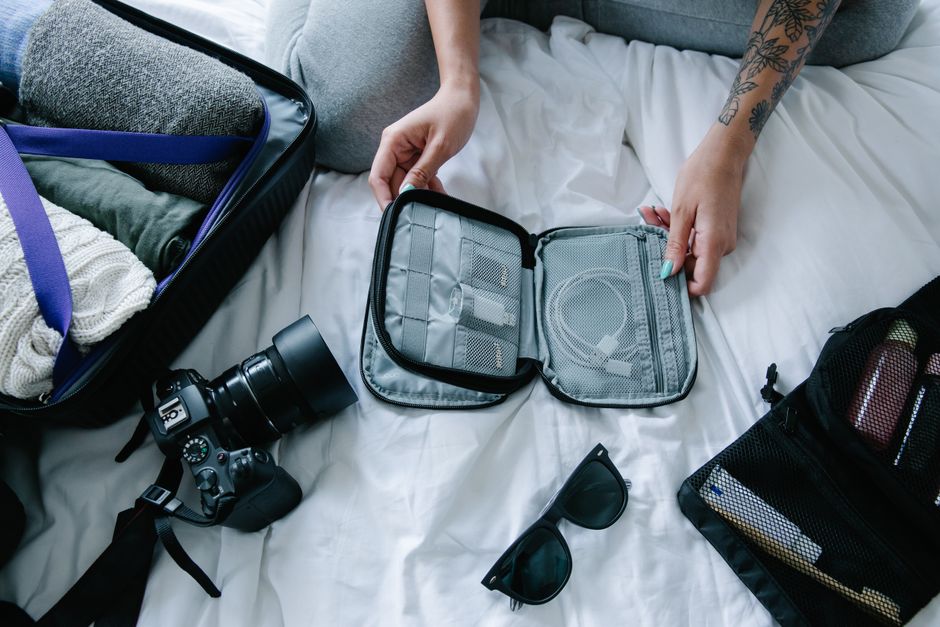
To choose the right bag for work and travel, prioritize comfort for extended wear, robust durability for daily use and various environments, and security features to protect your valuables. Consider the bag’s capacity relative to your daily essentials, internal organization for small items like keys, wallet, and phone, and specific requirements such as laptop sleeves or water bottle pockets. For international travel, look for features that comply with airline regulations (e.g., easyJet carry-on limits) and protect against theft, especially in crowded urban centers like Paris or New York. The best bags for travel and work everyday bags that organize small essentials offer a blend of these attributes tailored to your specific needs.
Navigating the daily grind or an unexpected trip often reveals the true worth of a well-designed bag. It’s not just about carrying items; it’s about seamless access to your phone, finding your passport without a frantic search, or knowing your laptop is secure during a bumpy commute. A bag that organizes your small essentials transforms potential chaos into calm efficiency.
From the hurried dash for a train at King’s Cross to a leisurely stroll through a Roman piazza, your bag is more than an accessory—it’s your portable command center. It holds the keys to your world, quite literally, and ensures that whether you’re closing a deal in New York or enjoying a weekend getaway in Berlin, everything you need is exactly where you expect it to be.
The Unsung Heroes: Why Everyday Organization Matters
In our increasingly mobile lives, the demand for bags that expertly manage small essentials has never been higher. We’re talking about more than just a main compartment; we need dedicated spots for our smartphone, wallet, keys, passport, earbuds, power bank, and perhaps a small notebook or a pen. The frustration of rummaging through a cavernous bag, especially when you’re in a hurry or in a crowded place like a busy airport security line (hello, TSA!), is a universal experience.
The right bag minimizes stress. It protects your valuables, helps you stay on schedule, and even prevents those small but significant moments of panic. For commuters in London, students in Paris, or professionals travelling between cities, a bag that excels at organization is indispensable. It’s the difference between a smooth transition and a fumbled mess, ensuring that the best bags for travel and work everyday bags that organize small essentials truly earn their keep.
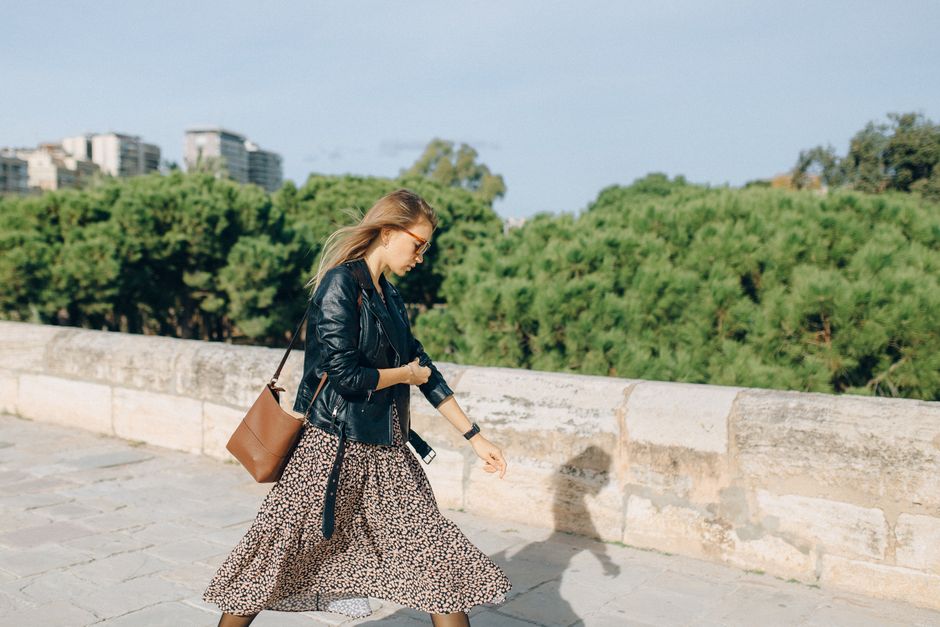
Choosing Your Ideal Companion: Practical Considerations
How do I choose the right bag for work and travel? It boils down to a few key pillars: comfort, durability, and security. But beyond these, specific features and your personal use case will dictate the ultimate choice.
1. Prioritize Ergonomics and Comfort
A comfortable bag is one you forget you’re wearing, even after hours. Look for padded, adjustable shoulder straps, especially if you’re carrying a laptop or heavy books. Crossbody bags should have wide straps that distribute weight evenly, preventing strain on your neck and shoulder. Backpacks should offer back panel padding and potentially a sternum strap for stability, particularly useful if you’re cycling or walking long distances, common in cities like Berlin or Barcelona.
2. Assess Durability for Longevity
Durability isn’t just about lasting years; it’s about withstanding daily wear and tear. Consider the material: water-resistant nylon or polyester for everyday protection against spills or light rain, solid leather for a professional look and feel, or sturdy canvas for a more casual aesthetic. Examine the stitching, zippers (YKK are often a good indicator of quality), and hardware. A flimsy zipper or weak strap attachment can quickly render a bag useless.
Vegan Leather vs. Real Leather Bags: Budget-Friendly Choices for US and European Buyers
3. Emphasize Security Features
Security is paramount, whether you’re navigating crowded markets or simply leaving your bag under your desk. Look for bags with lockable zippers, RFID-blocking pockets for passports and credit cards, and slash-resistant materials or straps. Anti-theft bags often incorporate these features. Concealed pockets are excellent for storing critical documents or emergency cash. When flying with airlines like Ryanair or easyJet, ensuring your valuables are secure in your carry-on bags is crucial.
4. Internal Organization is King
This is where the ‘organize small essentials’ part truly shines. A good bag will have a thoughtful array of pockets: a padded laptop sleeve, dedicated slots for pens, business cards, and a phone, a key leash, and perhaps an external pocket for a water bottle or umbrella. The goal is to give every item a home, making it easy to find what you need without a second thought.
5. Consider Capacity and Size
Your bag’s capacity should match your daily load. A small crossbody might be perfect for just essentials, while a larger backpack or messenger bag might be necessary for a laptop, files, and a change of clothes. For travelers, remember airline carry-on bags restrictions (e.g., TSA rules, specific dimensions for low-cost carriers in Europe). Don’t overpack; an overloaded bag is uncomfortable and can accelerate wear.
6. Style and Professionalism
While practicality is key, your bag also makes a statement. For a professional setting, a sleek laptop bag or a minimalist backpack in a neutral color often works best. For casual use or travel, you might opt for something more vibrant or adventurous. The best bags for travel and work often strike a balance between function and form.
Comparing Everyday Bag Types: What Suits You Best?
Let’s look at some popular categories and how they stack up for organizing small essentials, comfort, durability, and security.
| Bag Type | Comfort | Durability | Security | Organization for Small Essentials | Ideal Use Case |
|---|---|---|---|---|---|
| Backpack | Excellent (even weight distribution) | High (often solid materials) | Moderate-High (can have anti-theft features) | Excellent (multiple compartments, sleeves) | Commuting, students, light travel, outdoor activities |
| Crossbody Bag | Good (hands-free, accessible) | Moderate-High (depends on material) | High (worn close to body, can be anti-theft) | Good (often smaller, but dedicated pockets) | City exploration, daily errands, travel, minimal carry |
| Messenger Bag | Moderate (single strap, can shift) | High (often durable canvas or leather) | Moderate (front flap closure, can be bulky) | Very Good (often has laptop sleeve, pen loops) | Work, casual commuting, urban professionals |
| Tote Bag | Moderate (shoulder carry, can slip) | Varies (canvas often durable, leather more so) | Low-Moderate (open top common, few security features) | Poor-Moderate (often a single compartment, needs organizers) | Shopping, carrying large irregular items, casual use |
| Sling Bag | Good (worn close, quick access) | Moderate (lighter materials common) | High (very close to body, hard to snatch) | Good (compact, but often thoughtful internal pockets) | Minimal carry, quick trips, active use, travel documents |
Common Mistakes to Avoid When Choosing Your Bag
A common mistake is buying a bag based purely on aesthetics without considering its practical function. That stylish bag might look great in a shop window in Milan, but if it lacks proper organization for your everyday essentials or causes discomfort during your commute, it quickly becomes a burden.
Another pitfall is underestimating the importance of security, especially for travelers. In bustling cities like Paris or New York, an easily accessible main compartment without secure zippers can be an open invitation for pickpockets. Always factor in how well your bag protects your valuables, particularly when you’re in unfamiliar surroundings or crowded public transport.
Everyday Bags That Organize Small Essentials: Your Guide to Smarter Carry
Overlooking material quality in favor of a lower price point is also a frequent misstep. While saving money is appealing, a poorly constructed bag with weak zippers or flimsy fabric will likely fall apart quickly, costing you more in the long run. Investing in durable materials and reputable brands pays off in longevity and reliability.
Finally, not considering your specific travel context is crucial. A large backpack suitable for a hiking trip in Germany won’t be ideal for navigating airport security quickly, especially with low-cost carriers like Ryanair or easyJet, where carry-on bag dimensions are strictly enforced. Always match the bag to the activity.
FAQ: Answering Your Bag Questions
What features are essential in a good travel bag?
A good travel bag needs lockable zippers, RFID-blocking pockets, a separate padded laptop sleeve, and external water bottle pockets. It should be made from durable, water-resistant material and have comfortable straps for extended wear. Look for a design that fits airline carry-on limits, which is vital for smooth journeys through airports like London Heathrow or JFK.
How important is material for bag durability?
Material is extremely important for bag durability. High-denier nylon, Cordura, or reinforced polyester offers excellent abrasion and water resistance. Genuine leather provides a timeless look and superior longevity, though it requires more care. Well-constructed seams and high-quality zippers (like YKK) are equally critical for preventing wear and tear.
Can one bag truly work for both travel and work?
Yes, many versatile bags are designed for both. Look for bags with a professional aesthetic, dedicated laptop and document compartments for work, and practical features like anti-theft pockets and luggage pass-throughs for travel. A well-designed backpack or a sophisticated messenger bag often fits this dual role effectively for commuters and travelers in cities from Madrid to Warsaw.
What is RFID blocking and why do I need it?
RFID blocking technology prevents unauthorized scanning of your credit cards and passport. It’s a critical security feature, especially when traveling through busy areas like train stations in Rome or airports. Many modern bags include a dedicated RFID-blocking pocket to protect your sensitive personal and financial data from digital theft.
Are anti-theft bags truly effective?
Anti-theft bags significantly reduce the risk of theft by incorporating features like slash-resistant materials, lockable zippers, and hidden pockets. While no bag is 100% theft-proof, these features make it much harder for thieves to access your valuables, providing peace of mind whether you’re exploring the Eiffel Tower or navigating a busy market.
Choosing the best bags for travel and work everyday bags that organize small essentials comes down to understanding your specific needs and making informed choices regarding comfort, durability, and security. A thoughtful selection ensures your daily commute or next adventure is organized and worry-free. For more in-depth guides and comparisons, explore more bags guides on AtTheFashion.


Leave feedback about this