

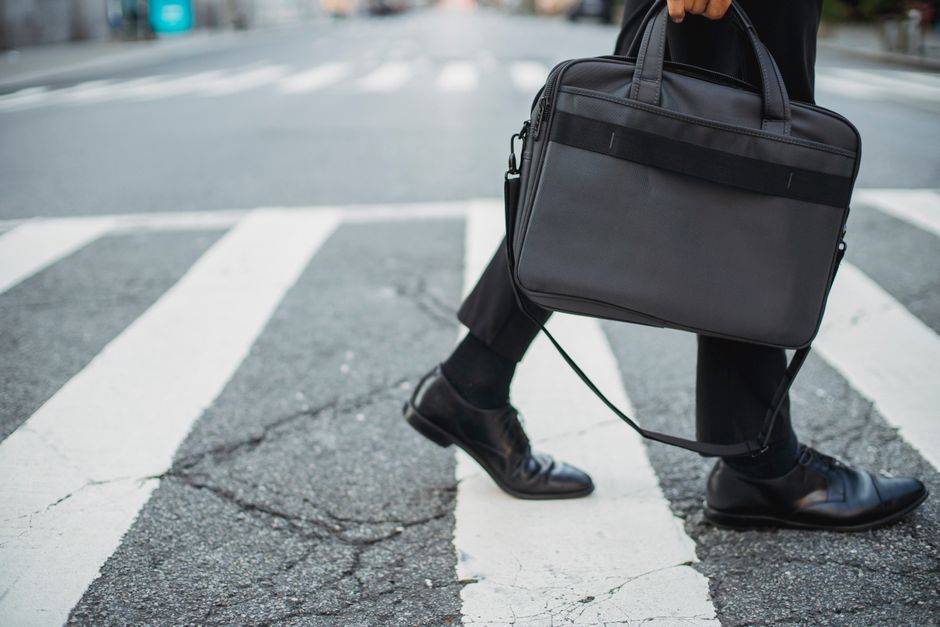
For men, building a useful wardrobe without overspending starts with foundational pieces, and comfortable office shoes are paramount. Prioritize quality over quantity, focusing on versatile styles like Oxfords, Derbies, and loafers that can transition across formal and smart casual settings. Look for shoes with good arch support, cushioning, and breathable materials. Proper fit is crucial to prevent discomfort and extend shoe life, ensuring your investment pays off in both comfort and longevity, allowing you to maintain a polished look whether you’re in Milan or New York.
Navigating the professional world often means long hours on your feet, commuting through bustling cities like London or Berlin, and maintaining a polished appearance from morning meetings to evening events. While the suit or smart trousers get most of the attention, the shoes you choose are arguably the most critical element for both comfort and overall impression. A well-chosen pair of comfortable office shoes for men can make or break your day, influencing everything from your posture to your mood.
It’s a common observation among those who consult on men’s fashion advice that many men overlook the importance of truly comfortable footwear for the office. The temptation to prioritize style alone often leads to shoes that pinch, rub, or simply don’t offer adequate support, especially when you’re constantly on the move in places like Paris or New York.
This guide aims to cut through the noise, offering practical, experience-backed advice to help you select comfortable office shoes for men that smoothly blend impeccable style with all-day wearability, ensuring you’re confident and comfortable, whether you’re closing a deal or simply commuting home.
Understanding the Foundation: Why Comfort Matters in Professional Footwear
In the professional realm, your shoes are more than just an accessory; they are a functional necessity that impacts your health and productivity. Poorly fitting or uncomfortable shoes can lead to a host of problems, from foot pain and blisters to back issues and fatigue. For professionals spending significant time standing or walking, the right footwear is non-negotiable. This is particularly true for men’s fashion advice concerning office attire, where the expectation is often a blend of formality and practicality.
Consider the varied demands of a typical workday in a city like Milan or Frankfurt. You might walk several blocks to a client meeting, stand for presentations, or navigate large office spaces. Your shoes need to support your feet, absorb shock, and allow for natural movement without causing strain. The focus isn’t just on cushioned insoles, but also on the overall construction, material breathability, and how the shoe interacts with your foot’s natural biomechanics. Investing in quality, comfortable office shoes for men is an investment in your daily well-being and long-term health.
A man in smart business attire walking through a modern office building, showcasing elegant yet comfortable shoes.
First Impressions Count: Men’s Outfits for First Dates and Dinners
Key Elements of Comfortable Office Shoes for Men
When selecting your next pair of office shoes, consider these crucial factors:
- Proper Fit is Paramount: This cannot be overstated. A shoe that is too tight will pinch and restrict circulation; one that is too loose will cause your foot to slide, leading to rubbing and blisters. Always try shoes on at the end of the day when your feet are slightly swollen. Ensure there’s a thumb’s width between your longest toe and the end of the shoe. The ball of your foot should sit comfortably at the shoe’s widest part, and your heel should feel secure without excessive slipping. Different brands and lasts fit differently, so don’t assume your size is universal.
- Arch Support and Cushioning: Look for shoes that offer adequate arch support for your foot type. Many quality office shoes now incorporate anatomical insoles or can accommodate custom orthotics. Cushioning in the sole, often provided by materials like EVA foam or rubber, helps absorb impact, reducing strain on your feet, knees, and back.
- Breathable Materials: Leather remains the gold standard due to its durability, ability to mold to your foot over time, and natural breathability. Full-grain leather is often preferred. Avoid synthetic materials that trap heat and moisture, which can lead to discomfort and odor, especially in warmer climates or busy offices. For sustainable fashion options, explore leathers from tanneries with certifications or innovative plant-based alternatives gaining traction.
- Flexible Sole: A good office shoe should offer some flexibility, allowing your foot to bend naturally with each step. Test this by gently bending the shoe; it should flex where your foot bends, not rigidly across the arch. However, too much flexibility can indicate a lack of support.
- Construction Method: Goodyear welted or Blake stitched shoes are often more durable and can be resoled, extending their life. While these methods can sometimes make a shoe feel stiffer initially, they often provide better support and longevity. Cemented constructions can be lighter and more flexible but are generally less durable.
- Heel Height and Stability: For men’s office shoes, a low, stable heel is ideal. Avoid overly high heels or flimsy designs that can compromise balance and comfort. A stacked leather or rubber heel offers stability and durability.
- Style Versatility: Aim for styles that can be dressed up or down. Classic Oxfords, Derbies, and loafers are excellent choices for men’s fashion advice on comfortable office shoes, suitable for most professional environments from New York to Paris. Consider dark browns, blacks, and versatile oxbloods.
- Break-in Period: Understand that even the most comfortable leather shoes may require a short break-in period. Don’t expect them to be perfectly comfortable straight out of the box. Wear them for short periods initially to allow the leather to mold to your foot.
Comparing Popular Styles for Office Comfort
Choosing the right style is crucial for both aesthetic and comfort reasons. Here’s a comparison of common office shoe styles:
| Style | Comfort Factors | Ideal For | Considerations |
|---|---|---|---|
| Oxford | Often more structured, requiring a good fit. Classic elegance, less flexible than others. | Formal business, interviews, traditional offices (e.g., London finance). | Can feel restrictive if not properly fitted. Best in leather. |
| Derby | Open lacing offers more give, generally more comfortable for wider feet or higher insteps. | Business formal to smart casual (e.g., Berlin tech, New York agencies). | Very versatile. Can be less formal than an Oxford. |
| Loafer (Penny/Tassel) | Slip-on convenience, often more flexible and lighter. Good for walking. | Smart casual, relaxed business environments (e.g., Milan fashion, creative agencies). | Less formal, ensure good arch support in slip-on design. |
| Monk Strap | Buckle closure provides adjustable fit. Can be sleek and comfortable. | Business formal to smart casual, a stylish alternative to laces. | Offers a distinct, confident look. Single or double strap options. |

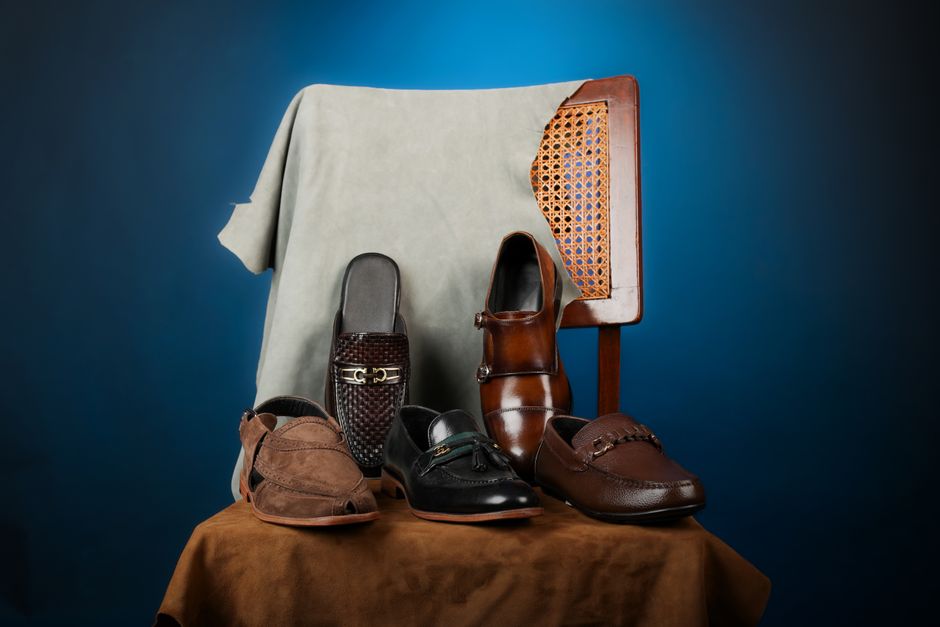
A close-up of a selection of well-maintained men’s dress shoes, including Oxfords, Derbies, and loafers, on a wooden floor.
Common Mistakes to Avoid When Buying Comfortable Office Shoes
Even with good intentions, it’s easy to fall into traps when shopping for comfortable office shoes for men. Being aware of these common pitfalls can save you time, money, and discomfort.
A common mistake is prioritizing brand name or price over actual fit and comfort. Just because a shoe is expensive or from a prestigious brand doesn’t automatically mean it will be comfortable for your feet. Feet are unique, and what works for one person might not work for another. Always try shoes on, walk around the store, and pay attention to how they feel, not just how they look on the shelf.
Another frequent error is buying shoes that are too small or too narrow, hoping they will ‘stretch out’. While leather does stretch a bit, it won’t fundamentally change the last or the intended fit. A shoe that is uncomfortably tight from the start will likely remain uncomfortable, potentially leading to long-term foot issues. Conversely, buying shoes that are too large in an attempt to gain comfort can lead to foot instability and rubbing.
Ignoring the importance of socks is another oversight. The type of socks you wear can significantly impact the comfort and fit of your shoes. Always try on shoes with the type of socks you intend to wear with them for work. Thin dress socks will offer a different fit experience than thicker cotton socks.
How to Choose Men’s Jeans Online: Common Mistakes and Easy Fixes for a Smarter Wardrobe
Finally, neglecting maintenance is a mistake that impacts both comfort and longevity. Good quality leather shoes require care – polishing, conditioning, and using shoe trees – to maintain their shape, suppleness, and breathability. A well-maintained pair will stay comfortable for longer, making them a true menswear essential in your capsule wardrobe.
FAQ: Men’s Comfortable Office Shoes
How can men build a useful wardrobe without overspending?
Building a useful men’s wardrobe without overspending means focusing on versatile, high-quality essentials. Prioritize foundational pieces like well-fitting blazers, trousers, and comfortable office shoes that can be mixed and matched. Invest in durable fabrics and classic styles over fleeting trends. Sustainable fashion principles, like buying less but better, often lead to a more effective and cost-efficient wardrobe in the long run.
What are the best types of comfortable office shoes for men?
For men seeking comfort and style in the office, classic Derbies, Oxfords, and loafers are excellent choices. Derbies offer more flexibility due to their open lacing, accommodating various foot shapes. Loafers provide easy slip-on convenience and are often more relaxed. Oxfords are the most formal. Look for quality leather, good arch support, and cushioned soles in all these styles for all-day wearability.
How do I ensure my office shoes fit properly for maximum comfort?
To ensure proper fit, try on office shoes at the end of the day when your feet are slightly swollen. There should be about a thumb’s width between your longest toe and the shoe’s end, and the ball of your foot should align with the shoe’s widest part. Your heel should feel secure without excessive slipping. Always wear the type of socks you’d normally wear to work during the fitting.
Are loafers considered formal enough for a professional office environment?
Loafers can certainly be formal enough for many professional office environments, particularly in smart casual settings or industries like creative, tech, or even fashion in cities like Milan or Paris. Penny loafers and tassel loafers in polished leather are generally more appropriate than driving mocs. For very conservative or formal business settings (e.g., finance in London), Oxfords or Derbies might be a safer bet.
How important is material choice for comfort in men’s office shoes?
Material choice is crucial for comfort. Full-grain leather is highly recommended for its breathability, durability, and ability to mold to your foot over time. It helps regulate temperature and moisture. Avoid synthetic materials that can trap heat and lead to discomfort and odor. For sustainable options, investigate brands using responsibly sourced leather or innovative eco-friendly alternatives.
What are some tips for maintaining comfortable office shoes for men?
Maintaining comfortable office shoes involves regular cleaning, conditioning, and polishing to keep the leather supple and prevent cracking. Use shoe trees to help absorb moisture and retain the shoe’s shape when not in use. Rotate your shoes daily to allow them to air out and recover. Resoling quality Goodyear welted or Blake stitched shoes can also extend their life and comfort significantly.
Ultimately, selecting comfortable office shoes for men is a thoughtful process that balances professional aesthetic with personal well-being. By understanding fit, materials, and construction, you can build a collection that serves you well across various professional settings, from the demanding schedules of New York to the sophisticated offices of Milan. To explore more men’s guides and refine your professional wardrobe, Explore more men’s guides on AtTheFashion.


Leave feedback about this