

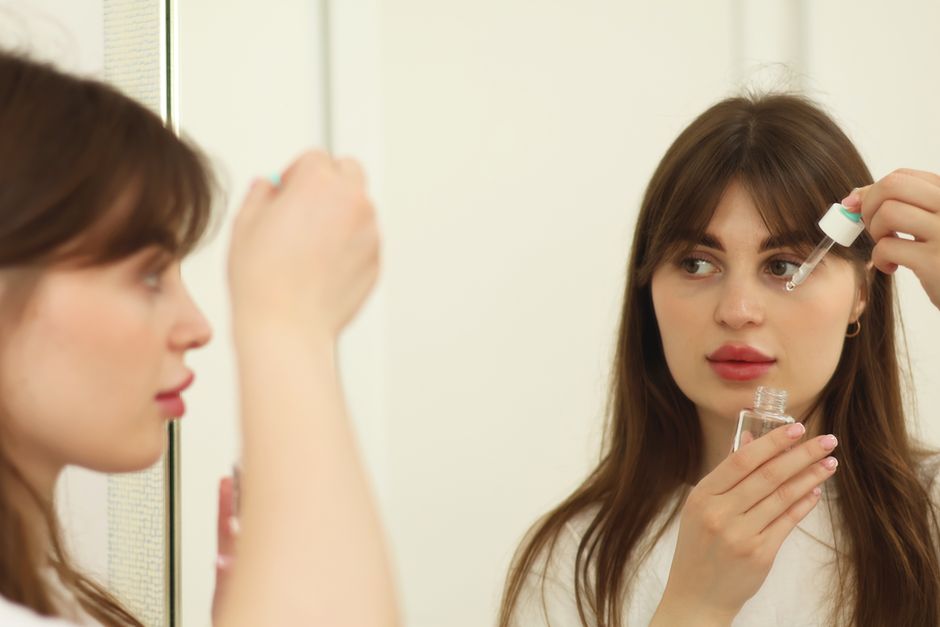
For healthy-looking skin, the simplest beauty routine focuses on cleansing, moisturizing, and sun protection. Start with a gentle cleanser to remove impurities without stripping your skin. Follow with a hydrating moisturizer to support your skin barrier. Crucially, apply a broad-spectrum SPF 30+ every morning, even indoors, to protect against sun damage. This core routine lays the groundwork for any additional targeted treatments, ensuring your skin is clean, hydrated, and protected, which are the fundamental pillars of skin health. This practical beauty and skincare guide emphasizes essentials over extensive steps.
Finding beauty products that actually deliver on their promises without emptying your wallet is a common challenge for many. The market is saturated with options, from luxury serums to budget-friendly finds, making it difficult to discern what’s truly effective. Whether you’re a beauty beginner, a busy professional, or a frequent traveler moving between different climates and regulations in the US, UK, Germany, France, Italy, Spain, or Poland, the quest for a practical beauty and skincare guide that prioritizes affordability and efficacy is universal.
You want products that work, feel good, and fit into your life—not just another trendy item destined for the back of your bathroom cabinet. This guide will help you cut through the marketing noise and focus on genuinely affordable beauty products worth buying, providing practical advice tailored for both American and European markets.
The simplest beauty routine for healthy-looking skin consistently involves three core steps: cleanse, moisturize, and protect. Start with a mild cleanser to gently remove daily grime and makeup without stripping your skin’s natural oils. Next, apply a suitable moisturizer to keep your skin hydrated and support its barrier function. Conclude with a broad-spectrum SPF 30 or higher every morning, regardless of the weather, to shield your skin from harmful UV radiation. This foundational routine is both effective and accessible, proving that you don’t need a dozen expensive products to achieve healthy skin.

Demystifying Affordable Beauty: Key Principles
- Focus on Ingredients, Not Hype: Look for proven ingredients like hyaluronic acid, ceramides, niacinamide, and salicylic acid, often found in budget-friendly formulations.
- Prioritize Essentials: A good cleanser, moisturizer, and SPF are non-negotiable. Build from there.
- Understand Your Skin Type: Tailoring products to oily, dry, combination, or sensitive skin types prevents irritation and maximizes effectiveness.
- Read Reviews Critically: Look for consistent positive feedback from people with similar skin concerns, but remember individual results vary.
- Sample & Patch Test: Before committing, especially with new or active ingredients, try samples or patch test to avoid reactions.
- Shop Smart Across Borders: Be aware of what’s available and regulated in your region (US, UK, EU) and leverage local drugstores and pharmacies for value.
- Consistency is Key: Even the best products won’t work if used sporadically. A consistent, simple routine beats an elaborate, irregular one.
Building Your Core Skincare Routine on a Budget
A smart, practical beauty and skincare guide emphasizes building a solid foundation first. This means focusing on core products that address the essential needs of your skin, rather than getting sidetracked by every new launch.
Cleansers: The First Step to Clean Skin
A good cleanser should remove dirt, oil, and makeup without leaving your skin feeling tight or dry. For most skin types, a gentle, hydrating cleanser is ideal. Look for formulas free from harsh sulfates and strong fragrances, especially if you have sensitive skin.
- US Favorites: CeraVe Hydrating Facial Cleanser, La Roche-Posay Toleriane Hydrating Gentle Cleanser.
- European Staples: Garnier Micellar Cleansing Water (widely available across the EU, including Poland and Italy), Bioderma Sensibio H2O (a French pharmacy staple loved across Europe for sensitive skin).
- Practical Tip: Double cleansing (oil cleanser followed by a water-based cleanser) is great for makeup wearers but isn’t strictly necessary every day if your primary cleanser is effective.
Moisturizers: Hydration for a Healthy Skin Barrier
Moisturizers are crucial for maintaining your skin’s hydration and supporting the skin barrier, which defends against environmental aggressors. Ingredients like ceramides, hyaluronic acid, and glycerin are excellent for this purpose. For oily skin, lighter gel-creams might be preferred, while dry skin benefits from richer lotions.
- US & EU Heroes: CeraVe Moisturizing Cream (excellent for face and body, rich in ceramides and hyaluronic acid), The Ordinary Natural Moisturizing Factors + HA (a Canadian brand widely available and popular across Europe, offering straightforward hydration).
- Sensitive Skin Focus: Avene Tolerance Control Soothing Skin Recovery Cream (a French brand often found in pharmacies across Germany, Spain, and other EU countries).
- Practical Tip: Apply moisturizer to slightly damp skin to lock in more hydration.
Sunscreen (SPF): Your Daily Non-Negotiable
Sunscreen is the single most important product for preventing premature aging and protecting against skin cancer. A broad-spectrum SPF of 30 or higher is recommended daily, year-round, rain or shine. Look for formulations that are comfortable to wear and don’t leave a heavy white cast, especially for daily use.
- US Picks: EltaMD UV Clear Broad-Spectrum SPF 46 (often recommended by dermatologists, though slightly pricier for an ‘affordable’ guide, it’s worth the investment for many), Neutrogena Hydro Boost Water Gel Lotion Sunscreen SPF 50.
- European Gems: La Roche-Posay Anthelios UVMune 400 Invisible Fluid SPF 50+ (a top choice in France, Germany, and globally for its high protection and lightweight feel), Garnier Ambre Solaire Fluid Invisible SPF 50+ (a more budget-friendly EU option).
- Practical Tip: Don’t forget to apply SPF to your neck, ears, and hands. Reapply every two hours if you’re outdoors.
Targeted Treatments: Smart Additions for Specific Concerns
Once your core routine is solid, you might consider adding targeted treatments for specific concerns. The key is to introduce them slowly and observe your skin’s reaction.
Your Ultimate Guide to the Best Sunscreen Routine for Everyday City Life
Retinol: The Anti-Aging Workhorse
Retinol is a powerful ingredient for addressing fine lines, wrinkles, uneven skin tone, and acne. It works by encouraging cell turnover. Start with a low concentration and use it a few times a week, increasing frequency as your skin tolerates it. Always use retinol at night and be diligent with SPF during the day.
- Affordable Retinol: The Ordinary Granactive Retinoid 2% Emulsion or 0.2% Retinol in Squalane (both offer great entry points for beginners and are widely available). CeraVe Resurfacing Retinol Serum (a gentler option, good for sensitive skin).
- Practical Tip: A pea-sized amount is enough for your entire face. Avoid using retinol with other strong actives like AHAs/BHAs initially to prevent irritation.
Hyaluronic Acid: The Hydration Booster
Hyaluronic acid (HA) is a humectant that attracts and holds moisture in the skin, making it plump and hydrated. It’s suitable for all skin types, including sensitive skin, and layers well with other products.
- Budget HA Serums: The Ordinary Hyaluronic Acid 2% + B5, Revolution Skincare 2% Hyaluronic Acid Serum (available in the UK and parts of Europe).
- Practical Tip: Apply hyaluronic acid serum to damp skin for optimal absorption, then seal it in with a moisturizer.
Niacinamide (Vitamin B3): The Multi-Tasker
Niacinamide is a versatile ingredient that helps with pore appearance, uneven skin tone, redness, and strengthens the skin barrier. It’s generally well-tolerated and can be used morning or night.
- Accessible Niacinamide: The Ordinary Niacinamide 10% + Zinc 1% (a high-strength option), Good Molecules Niacinamide Serum (popular in the US, gaining traction in Europe).
- Practical Tip: While beneficial, high concentrations (like 10%) can sometimes cause flushing for sensitive individuals. Start with lower concentrations if you’re unsure.
Exfoliants: AHAs & BHAs for Smoother Skin
Chemical exfoliants like AHAs (alpha hydroxy acids, e.g., glycolic, lactic acid) and BHAs (beta hydroxy acids, e.g., salicylic acid) help remove dead skin cells, leading to brighter, smoother skin. AHAs are great for surface texture and brightness, while BHAs penetrate oil to clear pores, making them ideal for oily or acne-prone skin.
- Affordable Options: The Ordinary Glycolic Acid 7% Toning Solution (AHA), Paula’s Choice 2% BHA Liquid Exfoliant (a slightly higher price point but incredibly effective and often found on sale, available across US and EU).
- Practical Tip: Start by using exfoliants 2-3 times a week at night. Always use SPF diligently during the day when using chemical exfoliants.
Affordable Makeup Essentials for a Polished Look
You don’t need a massive collection of expensive makeup to look polished. Focus on a few versatile, high-performing products.
Foundation/Concealer
For a practical beauty and skincare guide on makeup, start with coverage. Many drugstore foundations and concealers rival high-end options. Look for shades that match your skin tone closely and formulas that suit your skin type.
- US & EU Favorites: Maybelline Fit Me! Foundation/Concealer, L’Oréal Infallible Fresh Wear Foundation. Both offer excellent shade ranges and finishes.
- Practical Tip: If you’re on a very tight budget, a good concealer applied strategically can often replace foundation for daily wear.
Mascara & Brow Products
These two items can instantly make you look more awake and put-together. You don’t need to splurge.
- Mascara Must-Haves: Maybelline Lash Sensational Sky High Mascara, Essence Lash Princess Mascara (incredibly affordable and popular across the US and Europe).
- Brow Boosters: NYX Professional Makeup Micro Brow Pencil or Essence Make Me Brow Eyebrow Gel Mascara (both offer great definition and hold for minimal cost).
- Practical Tip: A clear brow gel can tame unruly brows without adding color, perfect for a natural look.
Lip Balm/Tint
Keeping your lips hydrated is key. A tinted balm adds a touch of color without the fuss of lipstick.
Hydrating Skincare for Dry Winter Weather: A Simple Routine for Beginners
- Hydrating Picks: Blistex Lip Relief Cream (US, UK), Vaseline Lip Therapy (widely available), Nivea Lip Care (a German brand, widely loved across Europe for its nourishing balms and tinted options).
- Practical Tip: A dab of lip balm on your cheekbones can give a dewy highlight in a pinch.
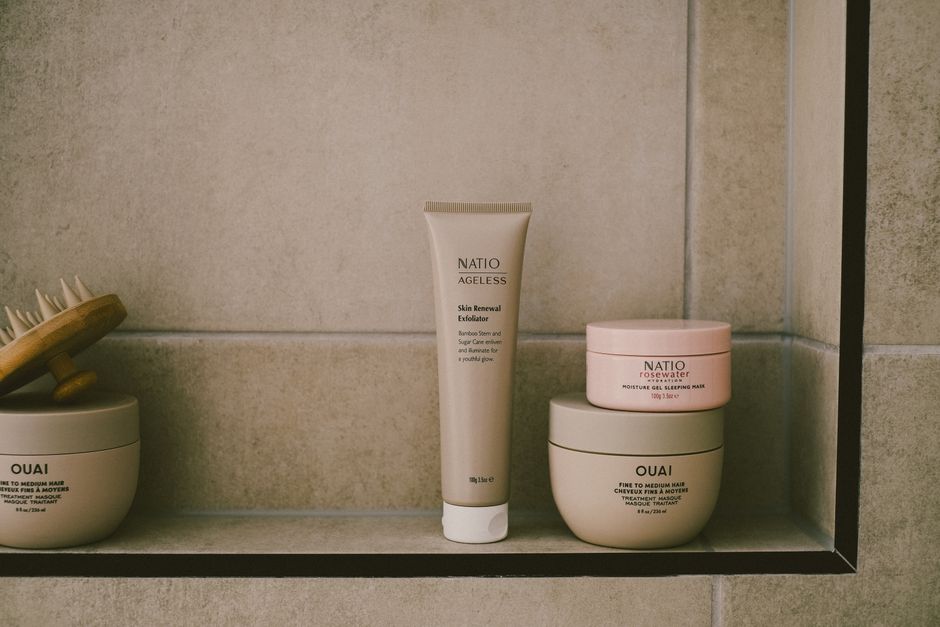
Navigating Regional Differences: US vs. Europe
While many brands are global, there are nuances in product availability, formulation, and regulation that US and European shoppers should be aware of. This practical beauty and skincare guide highlights some differences.
- Regulatory Standards: The EU has stricter regulations on cosmetic ingredients, banning over 1,300 chemicals compared to the US’s approximately 11. This means some products or ingredients available in the US might not be sold in Europe, and vice-versa.
- Pharmacy Culture: European countries like France, Germany, Italy, and Spain have a strong ‘pharmacy’ beauty culture. Pharmacies are excellent places to find dermocosmetic brands like La Roche-Posay, Avène, Bioderma, and Vichy, often at competitive prices and with expert advice. These brands prioritize efficacy and suitability for sensitive skin.
- Drugstore Chains: In the US, drugstores like CVS, Walgreens, and Target are prime spots for affordable beauty. In the UK, Boots and Superdrug dominate. In Germany, DM and Rossmann are popular. In Poland, Rossmann and Hebe are key. These stores frequently offer sales and loyalty programs.
- Availability: Some cult-favorite US brands might be harder or more expensive to find in Europe, and vice-versa. Online shopping has bridged many gaps, but always check shipping costs and import duties.
FAQ: Your Quick Answers to Common Beauty Questions
What is the most important step in any practical beauty and skincare guide?
The most important step in any skincare routine is daily sun protection. Consistently applying a broad-spectrum SPF 30+ prevents UV damage, which is the primary cause of premature aging, hyperpigmentation, and skin cancer. This single step offers the most significant long-term benefits for skin health and appearance.
How do I know if a product is suitable for sensitive skin?
For sensitive skin, look for products labeled ‘hypoallergenic,’ ‘fragrance-free,’ and ‘dermatologist-tested.’ Check ingredient lists for common irritants like harsh alcohols, strong essential oils, and synthetic dyes. Always perform a patch test on a small area of skin before applying a new product to your entire face.
Can I use both retinol and vitamin C in my routine?
Yes, you can use both retinol and vitamin C, but it’s often best to use them at different times of the day or on alternate nights to minimize irritation. Vitamin C is excellent for morning use due to its antioxidant properties and ability to boost SPF. Retinol is best used at night as it can increase sun sensitivity.
What are ceramides, and why are they important for my skin barrier?
Ceramides are lipids (fats) that make up a significant portion of your skin barrier, acting like a ‘mortar’ between your skin cells. They help form a protective layer that retains moisture and shields skin from environmental damage and irritants. Products containing ceramides are essential for maintaining a healthy, resilient skin barrier, especially for dry or sensitive skin.
Is expensive makeup better than affordable makeup?
Not necessarily. While some luxury makeup products offer unique formulations or packaging, many affordable drugstore brands have significantly improved their quality and ingredient standards. Often, the price difference reflects branding, marketing, and packaging rather than a fundamental difference in performance. Many beauty professionals find excellent, long-wearing, and high-pigment options at lower price points.
How often should I exfoliate my face?
The frequency of exfoliation depends on your skin type and the type of exfoliant. For most people, exfoliating 2-3 times a week with a gentle chemical exfoliant (AHA/BHA) is sufficient. Oily skin might tolerate more frequent exfoliation, while sensitive or dry skin may need to exfoliate only once a week or every other week. Over-exfoliating can damage the skin barrier.
Key Takeaways for Smart Beauty Shopping
Building an effective and affordable beauty routine is entirely achievable, regardless of whether you’re shopping in the US or across Europe. The core principles remain the same: prioritize essentials, understand your skin’s needs, and focus on proven ingredients.
Remember that a practical beauty and skincare guide isn’t about accumulating products, but about selecting high-impact items that deliver results. Brands like CeraVe, The Ordinary, La Roche-Posay, and Essence consistently offer excellent value and efficacy. By being a savvy shopper and understanding your skin, you can achieve healthy, glowing skin without draining your bank account.
Explore more beauty guides for practical advice and product recommendations on AtTheFashion.






Leave feedback about this