

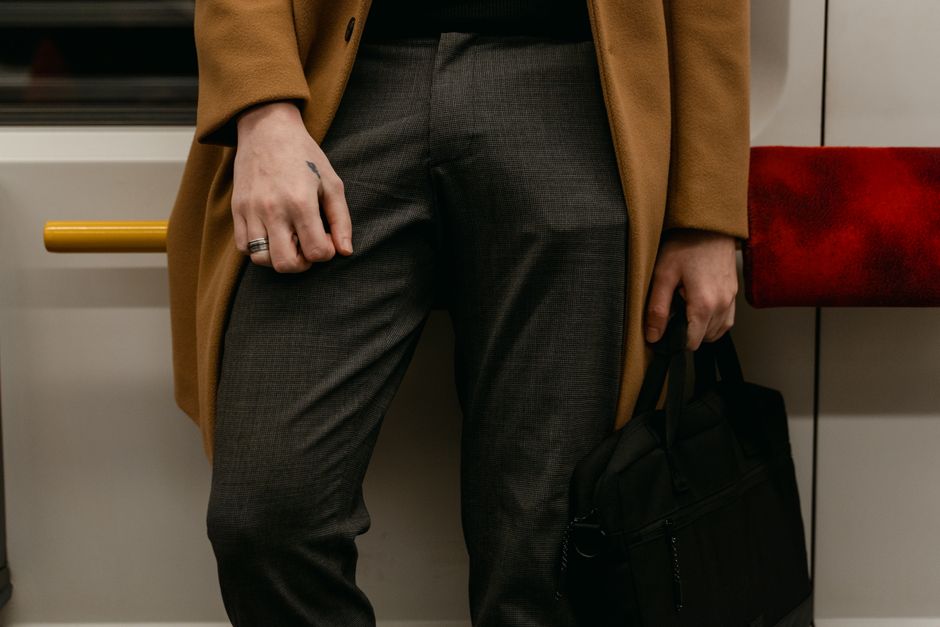
Choosing the right bag for work and travel involves balancing comfort, durability, and security. Prioritize padded laptop compartments, water-resistant materials, and robust zippers for protection. For comfort, look for ergonomic straps and back panels. Security features like anti-theft designs or RFID pockets are vital, especially for international travel. Consider your typical carry load, travel frequency, and the specific requirements of airlines like Ryanair or easyJet for carry-on limits. Ultimately, the best bag for travel and work will seamlessly integrate into your routine while safeguarding your tech.
In our increasingly connected world, a laptop isn’t just a convenience; it’s often a lifeline for work, study, and staying in touch. Whether you’re a student rushing between lectures, a professional commuting daily into London or New York, or a seasoned traveler hopping between Paris and Berlin, the need to transport your portable tech safely is paramount. Yet, finding the ideal vessel for your valuable device—one that offers true protection without sacrificing comfort or style—can feel like a quest.
Many people settle for bags that look good but offer minimal padding, flimsy zippers, or inadequate weather resistance. A common mistake is underestimating the daily wear and tear a bag endures, not to mention the potential hazards of crowded public transport or the rigors of airport security. A cheap bag might save you a few pounds upfront, but it could cost you hundreds, or even thousands, if your laptop takes a tumble or gets water damaged.
This comprehensive guide will walk you through the essential considerations for selecting the best bags for travel and work, focusing on what truly matters: comfort, durability, and security. We’ll help you navigate the myriad options to ensure your laptop, and your peace of mind, remain intact.
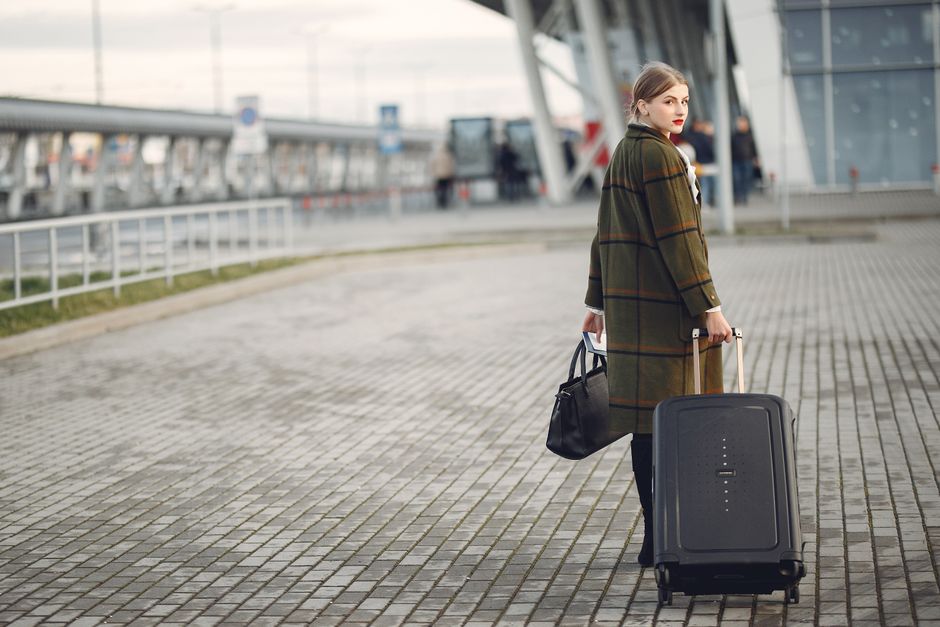
Quick Overview: What to Look for in a Laptop Bag
- Dedicated Padded Compartment: Non-negotiable for impact protection.
- Material Durability: Water-resistant and tear-resistant fabrics are key.
- Comfort Features: Ergonomic straps, padded back panel, and proper weight distribution.
- Security Measures: Lockable zippers, hidden pockets, RFID protection.
- Size & Capacity: Matches your laptop size and daily carry needs (check airline carry-on rules!).
- Accessibility: Easy access to your laptop for security checks (e.g., TSA).
- Organizational Pockets: For peripherals, documents, and personal items.
- Style & Aesthetics: Professional for work, versatile for travel.
Understanding Comfort: Your Back and Shoulders Will Thank You
A bag that’s uncomfortable is a bag you won’t want to use. This isn’t just about minor annoyance; prolonged use of an ill-fitting or poorly designed bag can lead to back pain, shoulder strain, and overall fatigue. When you’re choosing the best bags for travel and work, comfort is not a luxury; it’s a necessity.
Strap Design and Padding
Look for shoulder straps that are wide, well-padded, and adjustable. Thin, unpadded straps will dig into your shoulders, especially when the bag is fully loaded. Backpacks should ideally have S-shaped straps that contour to your body, distributing weight more evenly. For messenger or crossbody bags, a wide, non-slip shoulder pad is crucial. Some high-end bags even feature suspension systems that reduce perceived weight.
Back Panel Ventilation and Padding
If you’re carrying a backpack, the back panel plays a significant role in comfort. A good back panel will be padded for cushioning and feature air channels or mesh to promote ventilation, preventing sweat buildup. This is especially important if you’re commuting in warm climates or hurrying through a busy airport like Heathrow or Charles de Gaulle.
Weight Distribution and Ergonomics
The best bags for travel and work are designed to keep the load close to your body. Chest straps (sternum straps) and waist belts on larger backpacks can significantly improve weight distribution, taking pressure off your shoulders and lower back. While these might seem excessive for a small everyday bag, they are invaluable for longer hauls, like navigating a busy train station in Rome or walking across a university campus in Poland.
Durability: Built to Withstand the Journey
A laptop bag isn’t just an accessory; it’s a protective shell. Its ability to withstand daily abuse, unpredictable weather, and the inevitable bumps and scrapes of travel directly impacts the lifespan of your valuable electronics. When comparing the best bags for travel and work, scrutinize the materials and construction.
Materials That Matter
High-quality fabrics are the foundation of a durable bag. Look for:
Crossbody Bags for Safe City Travel: A Practical Size and Features Checklist
- Nylon (e.g., Ballistic Nylon, Cordura): Known for its exceptional tear and abrasion resistance. Higher denier counts (e.g., 1000D) indicate greater durability.
- Polyester: A more affordable alternative to nylon, still durable, especially in higher deniers. Look for water-resistant coatings.
- Tarpaulin or TPU-coated Fabrics: Offer superior water resistance, often found in bags designed for wet conditions.
- Leather: Full-grain leather is incredibly durable and develops a beautiful patina over time, though it requires more maintenance and is heavier.
Beyond the main fabric, check the lining. A contrasting color lining can make it easier to find items inside, and a ripstop lining adds an extra layer of protection against tears.
Construction Quality: Stitching and Zippers
The best materials are useless without solid construction. Inspect the stitching; it should be tight, even, and reinforced at stress points like strap attachments and handles. Double-stitching or bar-tacking indicates solid construction. YKK zippers are the industry standard for reliability. Self-repairing zippers or large-gauge zippers are also indicators of quality. Avoid bags with flimsy plastic zippers that snag easily.
Water Resistance vs. Waterproof
Most quality bags offer water resistance, meaning they can repel light rain or splashes. This is usually sufficient for daily commutes. Truly waterproof bags, often sealed with roll-tops or welded seams, are designed for extreme conditions and are generally heavier and more specialized. For most users, good water resistance (e.g., from DWR coatings or tightly woven fabrics) is enough to protect against a sudden downpour in London or a spilled coffee on a busy train.
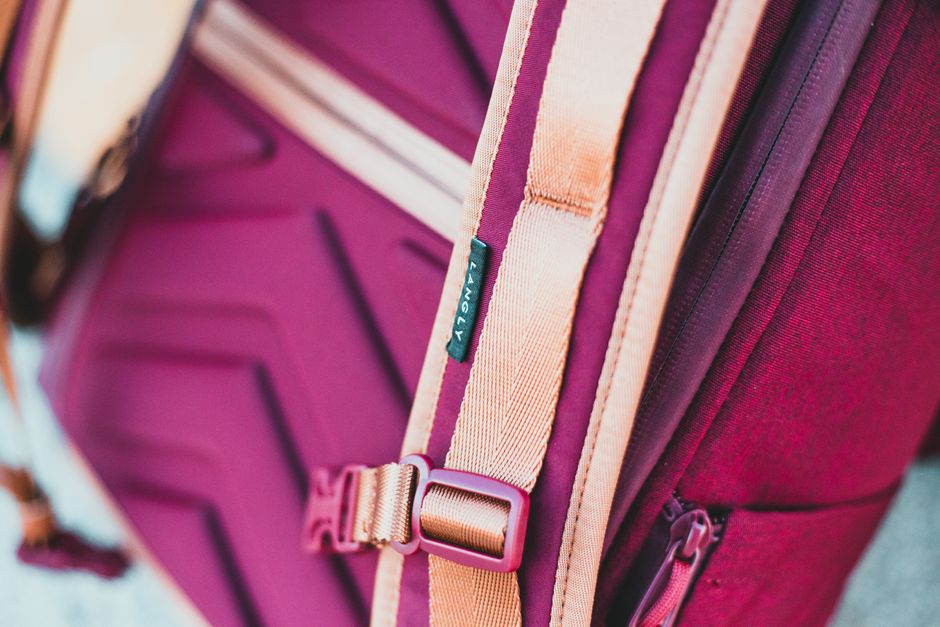
Security Features: Protecting Your Valuables from Theft
Whether you’re navigating the crowded streets of New York, waiting for a flight at Gatwick, or simply leaving your bag unattended for a moment, security is a major concern. The best bags for travel and work incorporate clever features to deter opportunistic thieves.
Anti-Theft Designs
True anti-theft bags go beyond basic zippers. Look for:
- Lockable Zippers: Main compartments should have zippers that can be secured with a small padlock (some bags come with integrated locks).
- Hidden Pockets: Discreet pockets, often on the back panel or inside the main compartment, are ideal for passports, wallets, and phones.
- Slash-Proof Materials: Some high-end bags incorporate steel mesh or wire within the fabric to prevent slash-and-grab theft.
- RFID-Blocking Pockets: Protect your credit cards and passport from electronic skimming. This is particularly valuable when traveling internationally through countries like Germany or Spain.
- Securable Straps: Straps that can be detached and wrapped around a fixed object (like a chair leg) offer an extra layer of security in cafes or public spaces.
Accessibility vs. Security
There’s a natural tension between easy access and solid security. For instance, a laptop compartment designed for quick removal during TSA checks might be less secure against a casual grab. The best bags strike a balance, often using a secure main compartment for the laptop while providing easily accessible, but smaller, pockets for items you need frequently, like water bottles or boarding passes.
Size, Capacity, and Organization: Fitting Your Life Inside
Beyond protection, a good bag needs to hold everything you need, keep it organized, and comply with any restrictions. This is especially true for the best bags for travel and work, where efficient packing can make or break a trip or commute.
Laptop Compartment Sizing
Measure your laptop’s dimensions (length, width, thickness), not just its screen size. A 15-inch laptop from one brand might be slightly larger than another. The padded sleeve should be snug but not so tight that it’s a struggle to insert or remove your device. Look for raised bottom padding to protect against drops.
Airline Carry-On Regulations
If you’re a frequent flyer on airlines like Ryanair or easyJet, paying close attention to carry-on dimensions is crucial to avoid extra fees. Many bags are designed to meet specific ‘under-seat’ or ‘overhead bin’ requirements. A 20L-30L backpack is often a safe bet for most airlines’ personal item limits, while larger bags might qualify as a main carry-on.
Internal Organization
Multiple pockets, dividers, and elastic loops help keep cables, chargers, pens, and documents tidy. A dedicated tablet sleeve, pen holders, and a key clip are useful additions. External water bottle pockets are a standard feature to look for. Good organization prevents items from rattling around and potentially scratching your laptop.
Everyday Bags That Organize Small Essentials: Your Guide to Smarter Carry
Style and Versatility: From Boardroom to Boarding Gate
Finally, your bag is an extension of your personal and professional image. The best bags for travel and work smoothly transition between different environments without looking out of place.
Professional Aesthetics
For office environments, sleek, minimalist designs in neutral colors (black, grey, navy) often work best. Leather or high-quality ballistic nylon bags project a more professional image. Avoid overly sporty or brightly colored bags if your workplace has a conservative dress code.
Travel-Friendly Features
Beyond the core protection, consider features that simplify travel: a luggage pass-through strap (to slide over a rolling suitcase handle), external quick-access pockets for boarding passes or passports, and perhaps a USB charging port pass-through (though this usually requires you to supply your own power bank).
Backpack, Messenger, or Briefcase?
- Backpacks: Offer the best weight distribution and capacity for heavier loads and longer carries. Ideal for students, commuters, and travelers.
- Messenger Bags: Provide quick access and a stylish, casual-to-business-casual look. Best for lighter loads and shorter commutes.
- Briefcases/Totes: Most professional aesthetic, but typically offer less protection and are carried by hand or over one shoulder, making them less comfortable for heavy loads.
FAQ: Common Questions About Laptop Bags
What’s the ideal size for a laptop bag?
The ideal size depends on your laptop’s dimensions and how much extra gear you carry. Always measure your laptop (length, width, thickness) and choose a bag with a dedicated compartment that fits snugly without being too tight. For carry-on travel, ensure the bag’s overall dimensions meet airline restrictions, like those for Ryanair or easyJet.
Are anti-theft bags truly effective?
Yes, anti-theft bags significantly deter opportunistic theft. Features like slash-proof materials, lockable zippers, hidden pockets, and RFID-blocking compartments make it much harder for thieves to access your valuables or scan your cards. While no bag is 100% theft-proof, these features provide substantial peace of mind in crowded areas like Paris metro stations or London markets.
How important is water resistance for a laptop bag?
Water resistance is very important. Even if you don’t plan to use your bag in a downpour, unexpected rain, spills, or splashes can occur. A water-resistant bag with sealed zippers or durable water-repellent (DWR) coatings provides a crucial layer of protection against moisture damage, safeguarding your expensive electronics from everyday accidents.
Can I use a regular backpack for my laptop?
While you can, it’s not recommended. A regular backpack lacks the dedicated, padded laptop compartment essential for protecting your device from impacts and vibrations. Without proper cushioning, your laptop is vulnerable to damage from drops, bumps, and pressure from other items in your bag. Invest in a bag specifically designed for laptops for optimal protection.
What should I look for in a bag for air travel with a laptop?
For air travel, prioritize a bag with a dedicated, TSA-friendly laptop compartment that opens flat for easier security checks. Look for a luggage pass-through strap to secure it to a rolling suitcase. Ensure the bag meets airline carry-on size restrictions and offers good internal organization for easy access to travel documents and electronics during your flight.
Key Takeaways: Making Your Informed Choice
Choosing the best bags for travel and work requires a thoughtful approach, focusing on specific features rather than just aesthetics. Prioritize protection above all else: a well-padded, dedicated laptop compartment is non-negotiable, alongside water-resistant materials and solid construction. These elements are your first line of defense against damage.
Beyond protection, comfort and security are paramount. Ergonomic strap design, a ventilated back panel, and balanced weight distribution will save you from strain, especially on long commutes or extensive travel. Look for anti-theft features like lockable zippers and hidden pockets to safeguard your valuables, particularly when navigating busy urban centers like Berlin or crowded tourist spots in Italy.
Finally, consider your personal needs: the size of your laptop, your typical carry load, and any specific airline carry-on restrictions. By evaluating these factors carefully, you can confidently select a bag that not only transports your laptop safely but also enhances your daily routine and travel experiences. For more insights and comparisons, explore more bags guides on AtTheFashion.






Leave feedback about this