

To ensure a comfortable walking experience and avoid blisters when breaking in new shoes, start by wearing them for short periods, gradually increasing wear time. Use thick socks, targeted shoe stretching tools, or even a hairdryer on problem areas. Proper shoe fit is paramount; always ensure there’s enough room in the toe box and the heel isn’t slipping. For those navigating cities like London or Rome, or the bustling streets of New York, a strategic approach to breaking in new footwear means enjoying your day blister-free, whether you’re commuting, traveling, or just exploring.
There’s a particular kind of dread that comes with a new pair of shoes: the anticipation of comfort versus the almost inevitable fear of blisters. Whether it’s a sleek pair for your morning commute in Chicago, sturdy walking shoes for traversing European cobblestones, or stylish boots for a night out in Paris, the initial wear can be a trial. Many of us have experienced the misery of foot pain, redness, and raw skin, turning a promising day into a limping expedition.
The good news is that this doesn’t have to be your fate. Breaking in new shoes without blisters is entirely achievable with the right strategy. It’s about understanding your footwear, knowing your feet, and applying some time-tested techniques that will make those first wears a breeze, not a battle.
Understanding What Makes a Shoe Comfortable for Walking All Day
What truly makes a shoe comfortable for walking all day, whether you’re pounding the pavement in New York or exploring ancient ruins in Rome? It’s a combination of factors, beginning with the fundamental aspect of fit. A shoe that is too tight will pinch, restrict blood flow, and cause rubbing, while one that is too loose will allow your foot to slide, creating friction and hot spots. The ideal fit provides enough room in the toe box for your toes to wiggle slightly, a secure but not tight grip around the midfoot, and a heel that stays in place without slipping.
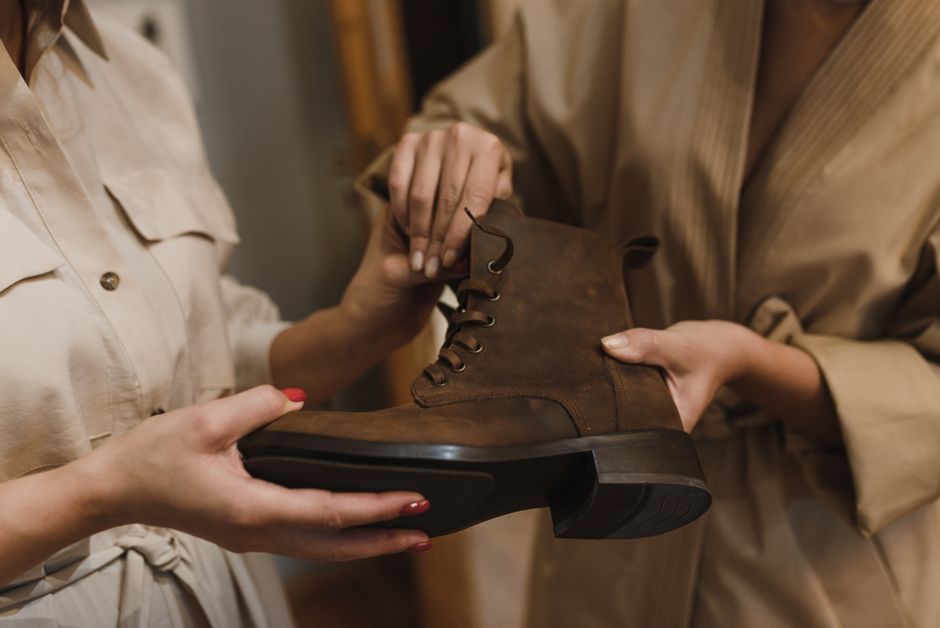
Beyond fit, material plays a crucial role. Natural materials like leather or suede tend to mold to your foot over time, offering a custom fit that synthetic materials often can’t replicate. Breathability is also key, especially for active individuals or during warmer weather, preventing sweat buildup that can lead to blisters. Cushioning and arch support are paramount; a well-designed insole can absorb impact, reduce fatigue, and provide stability, which is particularly important for those long days on your feet.
Finally, the shoe’s construction, including a flexible sole that moves with your foot and well-padded seams, contributes significantly to overall comfort. A shoe designed with these elements in mind will inherently require less ‘breaking in’ and provide a more pleasant experience from the start, making it an excellent choice for travel footwear or daily wear.
Your Step-by-Step Guide: How to Break In New Shoes Without Blisters
Achieving a comfortable fit from day one requires a proactive approach. Here’s a comprehensive guide to help you break in new shoes without blisters, ensuring your feet stay happy:
1. Start with Short Stints
This is arguably the most crucial tip. Don’t wear new shoes for an entire day right out of the box. Begin with 1-2 hours around the house, then gradually increase to short errands. This allows the shoes to begin molding to your feet and helps you identify any immediate problem areas before they become painful.
2. Wear Them with Socks
Even if you plan to wear your shoes barefoot eventually, start the breaking-in process with socks. Thicker socks provide an extra layer of cushioning and can help stretch the shoe slightly. For shoes you intend to wear sockless, switch to thinner socks or sock liners after a few initial wears.
3. Target Stretching with Heat
For leather or suede shoes, gentle heat can work wonders. Wear a thick pair of socks, put on the new shoes, and use a hairdryer on a low setting, directing it at tight spots for about 20-30 seconds. While the material is warm and pliable, walk around until it cools. Repeat as needed. This helps the material stretch and conform to your foot shape. Be cautious with synthetic materials, as they may not respond as well to heat or could even be damaged.
4. Use Shoe Stretchers or Ball-and-Ring Stretchers
For persistent tight spots, particularly across the ball of your foot or around bunions, invest in a good shoe stretcher. These tools can gently expand the shoe’s width or length. Ball-and-ring stretchers are excellent for targeting specific pressure points. Leave them in overnight for several nights to achieve the desired stretch. This is especially useful for high-quality walking shoes that you expect to last.
5. Moleskin, Blister Patches, or Anti-Blister Balms
Don’t wait for a blister to form. If you feel a hot spot developing, apply moleskin or a blister patch immediately to create a barrier. Products like Compeed blister patches are readily available across the US and Europe (including markets like Germany, France, Italy, Spain, and Poland) and can prevent further friction. Anti-blister balms or sticks can also reduce friction, especially in areas prone to rubbing.
6. Walk on Varied Surfaces
Once your shoes feel comfortable indoors, test them on different surfaces. Walk on carpet, concrete, and even a short stretch of pavement or a park path. This helps the sole and upper adapt to the way your foot moves naturally during various activities, crucial for truly comfortable footwear.
7. Consider Professional Stretching
For stubborn cases or expensive footwear, a cobbler can professionally stretch your shoes. They have specialized tools and knowledge to safely stretch materials without damaging them. This is a worthwhile investment, particularly for high-quality leather shoes.
8. Check Your Insoles
Sometimes, it’s not the shoe itself, but the insole. If the factory insoles are thin or lack support, consider replacing them with aftermarket orthotic inserts. These can provide better cushioning, arch support, and shock absorption, significantly improving the overall comfort of your shoes, especially for extended periods of walking.
Budget-Friendly Options for Preventing Blisters
You don’t need expensive gadgets to break in new shoes comfortably. Many effective solutions are affordable and widely available:
| Method | Description | Cost (Approx.) | Availability (US & EU) |
|---|---|---|---|
| Thick Socks | Provides cushioning, helps stretch shoes. | €5-€15 / $5-$15 | Ubiquitous at supermarkets, department stores. |
| Moleskin/Blister Patches | Protective barrier for hot spots. | €3-€10 / $3-$10 per pack | Pharmacies (e.g., Boots in UK, CVS in US, local farmacia in Italy). |
| Anti-Blister Balm/Stick | Reduces friction on skin. | €8-€15 / $8-$15 | Sporting goods stores, online retailers, pharmacies. |
| Hairdryer Method | Gentle heat to stretch leather/suede. | Free (if you own one) | No specific purchase needed. |
Common Mistakes to Avoid When Breaking In New Shoes
While the goal is to break in shoes, some common pitfalls can actually make the process worse or even damage your new footwear. First, never try to speed up the process by submerging shoes in water or using harsh chemicals. This can ruin the material, compromise the shoe’s structure, and potentially cause dye transfer.
Another mistake is ignoring early discomfort. If a shoe feels genuinely painful after a short wear, it might be the wrong size or style for your foot. While some stiffness is expected, sharp pain or intense pressure points are red flags. Continuing to wear ill-fitting shoes will only lead to blisters, bunions, and other foot problems.
Additionally, don’t forget the importance of proper shoe care during the break-in period. Keep leather conditioned and waterproof shoes treated, especially if you plan on navigating rainy London streets or snowy New York sidewalks. Neglecting care can lead to materials hardening or cracking, hindering their ability to mold to your foot.
Finally, avoid the temptation to wear your new shoes for a major event – a long day of sightseeing, an important work conference, or a marathon shopping trip – without proper preparation. Always break them in thoroughly beforehand to ensure a comfortable and enjoyable experience.
FAQ: Your Questions on Comfortable Footwear Answered
How long does it typically take to break in new shoes?
The time varies significantly based on shoe material and design. Leather shoes might take anywhere from a few days to a few weeks of consistent, short wear. Synthetic shoes or athletic sneakers often require less time, sometimes just a few hours. The key is gradual, patient wear.
Can I use rubbing alcohol to stretch my shoes?
While some people advocate for rubbing alcohol, it can be risky. It can dry out and crack leather, or cause discoloration, especially in delicate materials. For stretching, targeted shoe stretchers or the controlled hairdryer method are generally safer and more effective alternatives.
What are the best types of socks to wear when breaking in shoes?
Opt for moisture-wicking socks made from materials like wool or synthetic blends. These help keep your feet dry and reduce friction. For initial breaking-in, slightly thicker socks can provide extra padding and help stretch the shoe more effectively.
Are there specific shoes that don’t need breaking in?
Some shoes, particularly those made from soft, supple materials or engineered with stretchy knits, may feel comfortable right out of the box. Athletic sneakers often fall into this category. However, even with these, short initial wears are recommended to confirm a good fit and prevent any unexpected issues.
How do I choose the right shoe fit to begin with?
Shop for shoes in the afternoon when your feet are slightly swollen. Always try on both shoes and walk around the store. Ensure there’s a thumb’s width between your longest toe and the end of the shoe, and that your heel feels secure without excessive slipping. Consider the specific activity and your foot’s unique needs.
Mastering how to break in new shoes without blisters is an essential skill for anyone who values comfortable footwear, whether you’re navigating the bustling streets of New York, exploring the historical sites of Rome, or simply going about your daily routine. By taking a thoughtful and patient approach, you can ensure your new footwear becomes a beloved companion rather than a source of pain. For more insights and practical tips on selecting and caring for your shoes, explore more footwear guides on AtTheFashion.


Leave feedback about this