

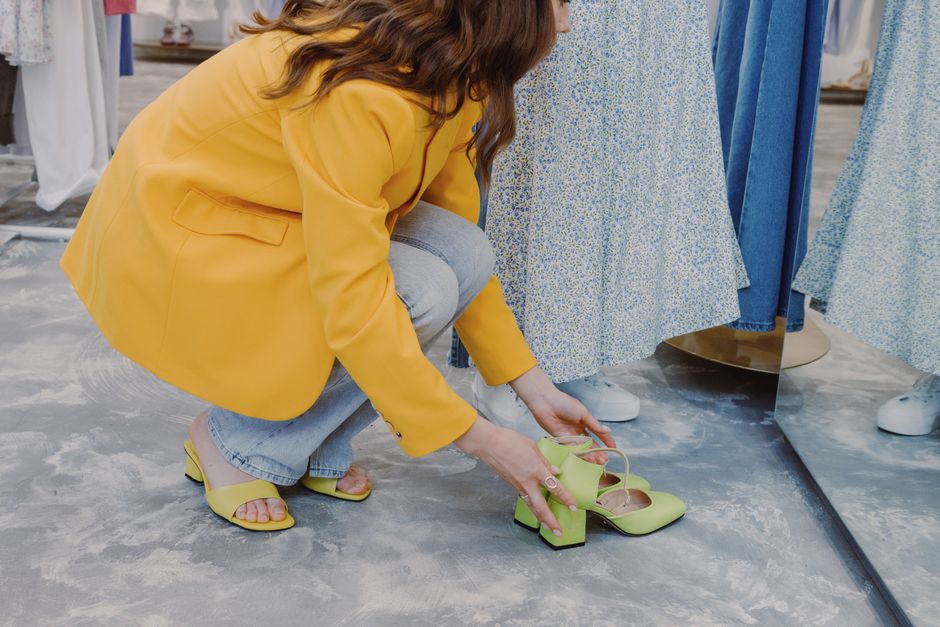
Achieving comfortable footwear and avoiding blisters when breaking in new shoes primarily hinges on careful selection and gradual introduction. Look for shoes with soft, breathable materials like leather or quality synthetics, ample toe box room, and good arch support. Ensure the fit is snug but not tight, with no pressure points. Gradually increase wear time, especially for walking shoes or travel footwear, and consider protective measures like thick socks or targeted padding to prevent friction and allow the materials to adapt to your foot’s unique contours without causing discomfort.
There’s nothing quite like the excitement of new shoes – that fresh smell, the pristine look. But that excitement can quickly turn to dread if they pinch, rub, and threaten a painful blister. Whether you’re planning a trip to explore the cobblestone streets of London or Paris, commuting daily across New York or Chicago, or simply looking for the best walking shoes for everyday life, knowing how to break in new shoes without blisters is essential for comfortable footwear.
It’s a common misconception that all new shoes inherently require a period of suffering. While some materials, particularly stiffer leathers, do need time to mold to your foot, many modern designs and softer materials should feel relatively comfortable from day one. The key is in understanding what to look for before buying and employing smart strategies once you bring them home.
The Foundation of Comfort: What to Look For Before Buying Shoes
The best way to break in new shoes without blisters is to choose wisely in the first place. This means paying close attention to several critical factors that contribute to comfortable footwear, especially if you anticipate long hours on your feet, perhaps navigating the historic centers of Rome or the bustling markets of Berlin.
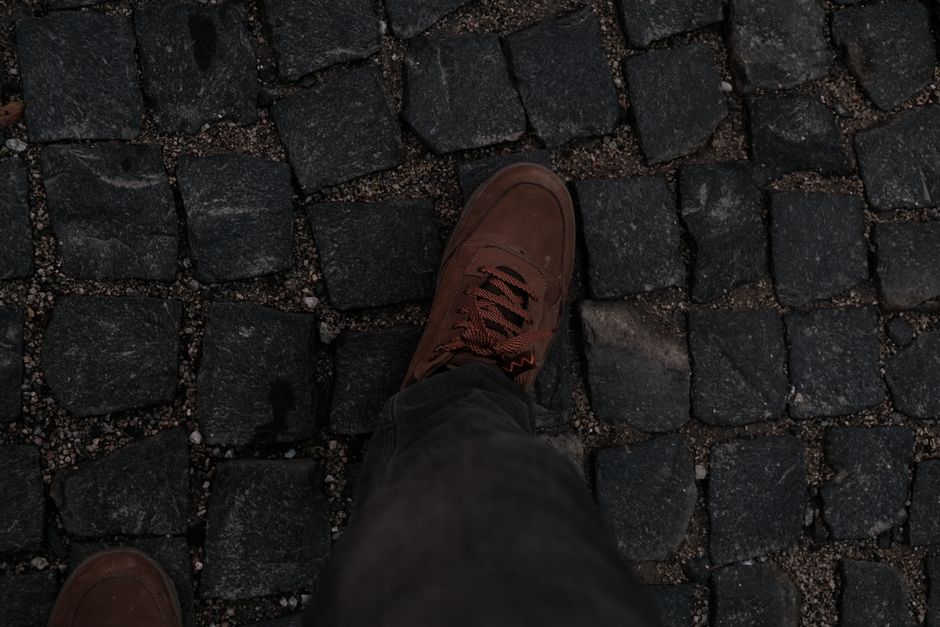
1. The Fit: More Than Just Length
Getting the right fit is paramount. Many people focus solely on shoe length, but width and volume are equally important. Your toes should have room to wiggle, and the widest part of your foot (the ball) should align with the widest part of the shoe. Too tight, and you risk pressure points and rubbing; too loose, and your foot slides, also causing friction.
- Measure Both Feet: Most people have one foot slightly larger than the other. Always fit the larger foot.
- Shop in the Afternoon: Your feet swell throughout the day. Trying shoes on later ensures they’ll be comfortable even when your feet are at their largest.
- Wear Appropriate Socks: Always try shoes on with the type of socks you’ll typically wear with them. For walking shoes, this often means thicker, moisture-wicking socks.
- Walk Around: Don’t just stand there. Take a few laps around the store. Go up and down stairs if available. Pay attention to any pinching, slipping, or pressure.
2. Material Matters: Flexibility and Breathability
The shoe’s material significantly impacts how easily it breaks in and its overall comfort. For walking all day, particularly in varied climates like those across Europe or the US, breathable materials are crucial.
- Natural Leathers: Full-grain leather is excellent because it’s durable, breathable, and molds beautifully to your foot over time. However, it can be stiffer initially and requires more breaking-in. Suede and nubuck are softer but less weather-resistant.
- Synthetics: Modern synthetic materials can offer excellent breathability and flexibility, often requiring less break-in time. Look for mesh panels or knitted uppers in athletic or casual comfortable footwear. However, some cheaper synthetics can trap heat and cause sweating, leading to blisters.
- Waterproof vs. Breathable: For travel footwear, especially in places like the rainy UK or the snowy Alps, waterproof shoes are appealing. Brands often use membranes like Gore-Tex. While effective at keeping water out, these can sometimes reduce breathability. Balance your need for waterproof protection with airflow.
3. Support and Cushioning: Your Feet’s Best Friends
What makes a shoe comfortable for walking all day? Beyond fit and material, it’s the internal architecture – the support and cushioning. A well-designed shoe distributes pressure evenly and absorbs impact.
Official-Clarks: Your Go-To Destination for Trendy and Comfortable Footwear
- Arch Support: Proper arch support prevents foot fatigue and can alleviate pain in your heels and even your back. Different feet need different levels of support; some may even require custom orthotics.
- Midsole Cushioning: The midsole is key for shock absorption. Materials like EVA (ethylene-vinyl acetate) and PU (polyurethane) are commonly used. EVA is lighter and softer, while PU is denser and more durable. For extended walking, a good balance of both is ideal.
- Outsole Grip: Especially important for travel footwear, a good outsole provides traction and stability. When navigating the sometimes-slippery European cobblestones or city streets in the rain, a non-slip sole is a must.
Smart Strategies: How to Break In New Shoes Without Blisters
Even with the most carefully chosen comfortable footwear, a little breaking-in strategy goes a long way. This is particularly true for dress shoes, boots, or specialized walking shoes.
1. The Gradual Introduction Method
This is arguably the most effective technique for how to break in new shoes without blisters. Don’t wear your brand-new shoes for an all-day sightseeing tour of Rome or a demanding shift at work straight away.
- Start Small: Wear them for short periods at home – an hour or two at a time. This allows the shoes to begin molding to your feet without committing to a full day of discomfort.
- Increase Incrementally: Gradually extend the wear time. First, a quick errand, then a slightly longer walk. Build up to full-day wear over several days or even a week or two.
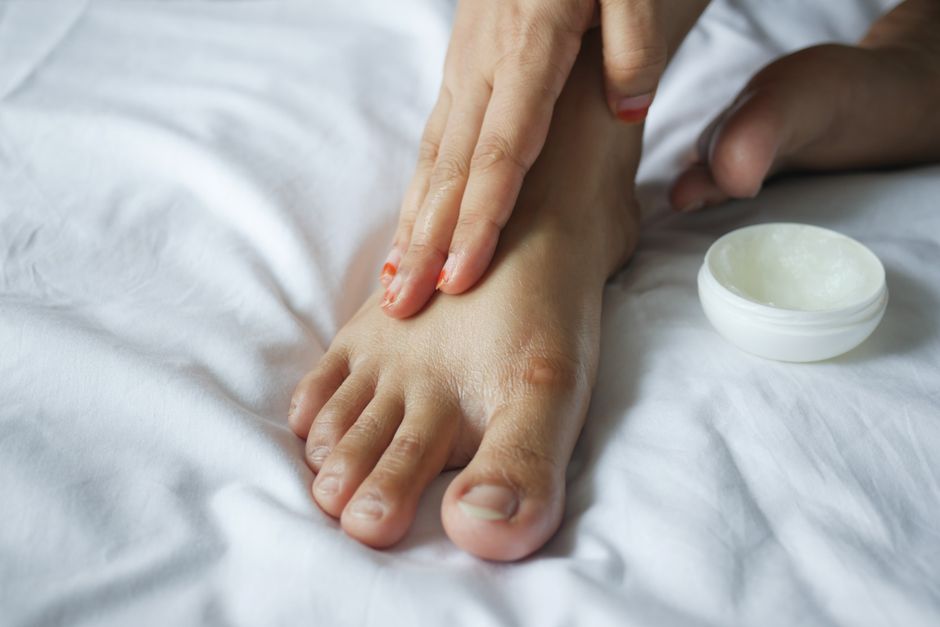
2. Strategic Protection and Lubrication
When you anticipate friction, proactively protect your feet.
- Thick Socks: Wearing thicker socks, especially wool or padded athletic socks, adds a layer of cushioning and can help stretch the shoe slightly. They also wick away moisture, a common cause of blisters.
- Blister Patches and Tapes: Apply moleskin, athletic tape, or specialized blister prevention patches to areas you know are prone to rubbing (heels, sides of toes) *before* you even start walking.
- Anti-Friction Balms: Products like anti-chafing sticks create a barrier on your skin, reducing friction. Apply them to potential hot spots.
3. Gentle Stretching and Softening
Sometimes, the shoes themselves need a little help to become more pliable.
- Shoe Stretchers: For specific tight spots, a shoe stretcher (available for both length and width) can work wonders. You can also use a ball-and-ring stretcher for bunions or corns.
- Shoe Softeners/Conditioners: Leather conditioners can help soften stiff leather. Apply according to the product instructions. Avoid over-saturating the material.
- The Hair Dryer Method (Use with Caution): For leather shoes, wear thick socks, put on the shoes, and gently warm the tight spots with a hairdryer on a low setting for 20-30 seconds, wiggling your feet while the leather cools. This can help the leather conform. Be very careful not to overheat or damage the material, especially with synthetics or adhesives.
Specific Considerations for Different Footwear Types
While the general principles apply, different types of comfortable footwear require nuanced approaches.
Walking Shoes and Travel Footwear
These are designed for performance and comfort over distance. Many high-quality walking shoes should feel great almost immediately. However, if you’ve chosen a more structured hiking shoe or sturdy travel footwear for adventures like traversing the landscapes of Germany or the vibrant cities of Spain, give them a good week or two of lighter wear before embarking on a major trip. Pay extra attention to ankle collars and tongue padding to prevent rubbing.
From head to toe: Discover the perfect outfits at official Dr. Martens shop
Dress Shoes and Boots
Often made from stiffer leathers, these can be the most challenging to break in. The gradual introduction method is crucial here. Consider wearing them around the house with thick socks for several evenings. For leather boots, regular conditioning will keep the leather supple. If you’re wearing them for long events, pack a backup pair for the commute or end of the day.
Waterproof Shoes
For waterproof shoes, particularly those with a Gore-Tex membrane, the break-in period mainly concerns the outer materials. The internal membrane itself doesn’t ‘stretch’ in the same way leather does. Focus on ensuring the fit is correct from the start, as there’s less room for the shoe to adapt to an incorrect width or volume. Ensure your socks are also moisture-wicking to prevent clamminess inside.
FAQs on Comfortable Footwear and Breaking In Shoes
What makes a shoe comfortable for walking all day?
A shoe comfortable for walking all day combines proper fit (length, width, volume), adequate arch support, responsive cushioning in the midsole, a flexible yet supportive upper material (like breathable leather or advanced synthetics), and a stable outsole. It should feel snug without pinching, allow toes to wiggle, and distribute pressure evenly across your foot, preventing hot spots and fatigue.
How long does it typically take to break in new shoes?
The time to break in new shoes varies widely. Softer materials like mesh or knitted synthetics might feel comfortable almost immediately. Stiffer full-grain leather shoes or hiking boots could take anywhere from a few days of consistent wear to two weeks or more of gradual use. It largely depends on the material, the shoe’s construction, and your foot’s unique shape.
Can I speed up the breaking-in process for leather shoes?
Yes, you can gently speed up the process for leather shoes. Wearing them around the house with thick socks, using shoe stretchers on tight spots, or applying a leather conditioner to soften the material can help. Some people use a hairdryer on a low setting while wearing the shoes with thick socks (carefully!) to help the leather mold, but always proceed with caution to avoid damage.
Are there specific types of socks that help prevent blisters?
Absolutely. Opt for socks made from moisture-wicking materials like merino wool or synthetic blends (polyester, nylon). These materials pull sweat away from your skin, reducing the friction that leads to blisters. Avoid cotton socks, which absorb and hold moisture, keeping your feet damp and increasing blister risk. Padded athletic socks also add an extra layer of protection.
Should new shoes feel tight when I first try them on?
New shoes should feel snug but never tight or painful. A slight snugness in certain areas might be acceptable for leather shoes that are expected to stretch and mold. However, if there’s immediate pinching, pressure, or cramping, especially around the toes or sides of your foot, the shoe is likely too small or not the right shape for your foot and will likely cause blisters.
Conclusion: Step into Comfort
Navigating the world in comfortable footwear is not a luxury; it’s a necessity, whether you’re a seasoned traveler exploring Poland, a busy parent in the US, or a daily commuter in France. By understanding what to look for before buying and employing smart, patient strategies, you can master how to break in new shoes without blisters. Invest a little time and thought upfront, and your feet will thank you for countless comfortable miles ahead. Explore more footwear guides to keep your feet happy and stylish on AtTheFashion.


Leave feedback about this