

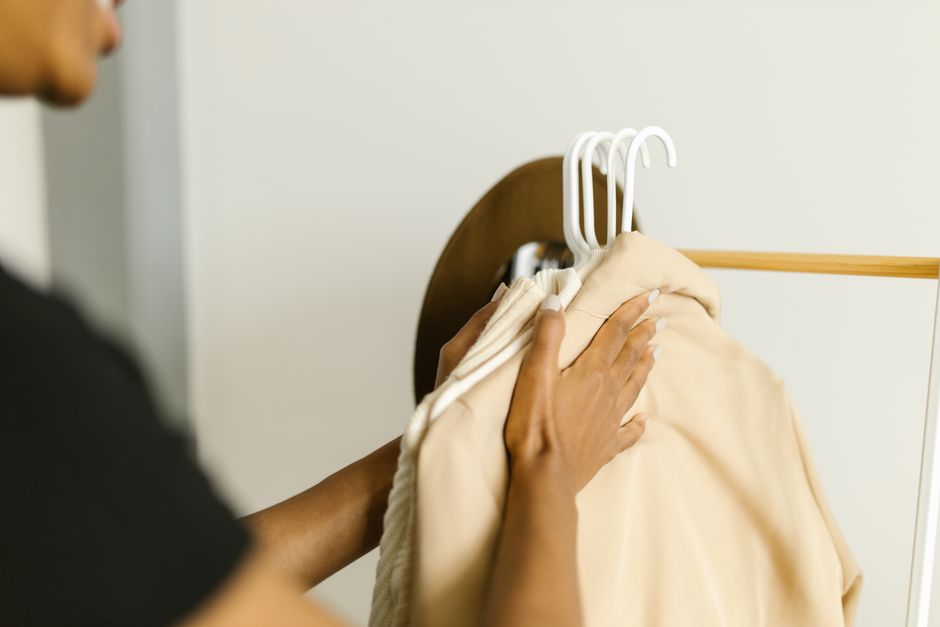
Men can build a useful wardrobe without overspending by focusing on quality over quantity, understanding their personal style, and prioritizing versatility. Start by identifying core items that can be mixed and matched across various occasions, from smart casual to business appropriate. Invest in durable, timeless pieces rather than fleeting trends. Planning purchases, auditing existing clothing, and opting for sustainable fabrics also significantly reduce unnecessary expenditure while building a cohesive and long-lasting men’s capsule wardrobe for 2026.
The idea of a men’s capsule wardrobe — a curated collection of essential clothing items that can be mixed and matched to create numerous outfits — is more appealing than ever. It promises simplicity, style, and sustainability. Yet, for many men, transforming this concept into a functional reality remains a challenge. Instead of a streamlined, versatile closet, they often find themselves with a collection of seemingly good pieces that just don’t quite work together, leading to frustration and the perennial feeling of ‘nothing to wear’ despite a closet full of clothes.
The culprit often isn’t a lack of effort, but rather a series of common, easily avoidable mistakes during the building process. From falling for fleeting trends to neglecting the crucial aspect of fit, these missteps can derail even the most well-intentioned efforts. This guide offers practical men’s fashion advice, detailing these pitfalls and providing straightforward solutions to help you craft an effective and enduring men’s capsule wardrobe for 2026.

Laying the Groundwork: Smart Choices for Your Wardrobe
Building a truly effective men’s capsule wardrobe for 2026 requires a thoughtful, strategic approach. It’s about making conscious decisions that reflect your lifestyle, professional needs, and personal style, rather than succumbing to impulse buys or generic advice. Here’s a quick overview of key considerations:
- Understand Your Lifestyle: Tailor your wardrobe to your actual daily life, not an aspirational one.
- Prioritize Fit Above All Else: Even the most expensive garment looks cheap if it doesn’t fit properly.
- Invest in Quality Basics: Durable, well-made pieces will last longer and look better over time.
- Embrace Versatility: Each item should ideally work in at least three different outfit combinations.
- Define Your Color Palette: Stick to a core of neutral colors with a few accent shades.
- Consider Sustainable Choices: Look for sustainable fabrics and ethical brands for long-term value.
- Don’t Neglect Accessories: Belts, watches, and shoes can transform an outfit.
- Regularly Audit Your Closet: Remove items that no longer serve a purpose or fit.
Mistake 1: Chasing Fleeting Trends Instead of Timeless Style
One of the biggest traps in men’s fashion is the allure of the latest trend. A graphic tee today, an exaggerated silhouette tomorrow – while fun in isolation, these items rarely integrate well into a cohesive, long-term capsule wardrobe. They often have a short shelf life, making them poor investments for a system built on versatility and longevity.
The Fix: Embrace Timelessness and Classic Silhouettes
Instead of chasing micro-trends, focus on classic pieces that have stood the test of time. Think well-fitting denim, a crisp oxford shirt, a versatile blazer, or a classic trench coat. These items aren’t just ‘safe’; they form the bedrock of sophisticated style. A well-tailored navy suit, for instance, remains a staple in New York business districts and Milanese fashion houses alike, adaptable for formal events or broken down into smart casual separates. When you do incorporate trends, do so sparingly and choose pieces that align with your existing aesthetic, rather than disrupting it.
Mistake 2: Neglecting the Power of Proper Fit
It’s a common sight: a man wearing an expensive blazer that’s too broad in the shoulders, or trousers pooling around his ankles. Many men underestimate the transformative power of proper fit. A garment that doesn’t fit correctly, regardless of its brand or cost, will always look sloppy and unflattering. This is a critical error when building a capsule wardrobe, where every piece needs to pull its weight.
Men’s Travel Clothes for Europe and the US: Your Practical Buying Checklist
The Fix: Befriend Your Tailor and Know Your Measurements
The solution is simple: get to know a good tailor. Small alterations can make a world of difference. Trousers can be hemmed, jacket sleeves shortened, and shirts darted for a more streamlined silhouette. Understanding your own measurements – neck, chest, sleeve, waist, inseam – is also invaluable when shopping, especially online. For instance, a suit jacket from a European brand might have a slimmer cut than its American counterpart, so knowing your precise fit is crucial whether you’re shopping in London or Berlin. Don’t buy something hoping it will fit; buy it knowing it can be made to fit perfectly.
Mistake 3: Overlooking Versatility and Mix-and-Match Potential
A common pitfall is acquiring items that only work in one or two specific outfits. This leads to a closet full of clothes but a scarcity of actual outfit combinations. A capsule wardrobe fails if its components don’t communicate with each other, forcing you into repetitive looks or constant new purchases for specific occasions.
The Fix: Demand Three Outfits Per Item Rule
Before purchasing any new item, especially for your men’s capsule wardrobe for 2026, ask yourself: ‘Can I create at least three distinct outfits with this piece, using items I already own?’ This simple rule forces you to think about mix-and-match potential. A classic white t-shirt, for example, can be layered under a blazer, worn with jeans, or paired with chinos and a denim jacket. A grey wool sweater works with dress trousers, dark denim, or over a collared shirt for smart casual settings. This approach ensures every addition enhances your wardrobe’s overall utility.
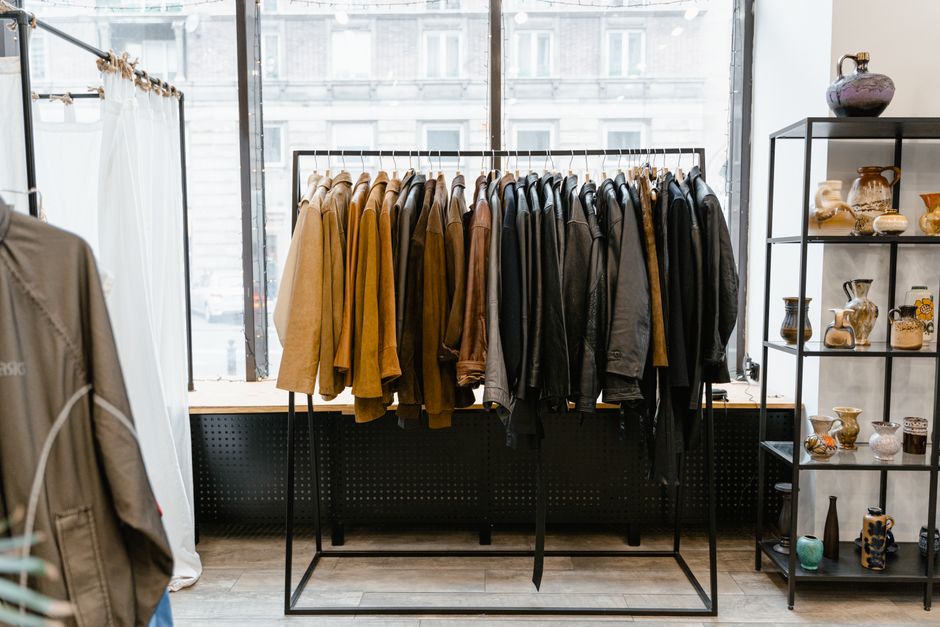
Mistake 4: Ignoring Fabric Quality and Sustainable Choices
Many men prioritize price over quality, opting for cheaper, synthetic garments that quickly lose their shape, fade, or pill. This short-sighted approach contradicts the very essence of a capsule wardrobe, which is built on durability and longevity. Furthermore, in an increasingly conscious world, ignoring sustainable fabrics and ethical production processes is becoming less acceptable.
The Fix: Invest in Quality Materials and Sustainable Fabrics
For a durable men’s capsule wardrobe for 2026, prioritize natural fibers like cotton, wool, linen, and cashmere. These materials breathe better, drape more elegantly, and last significantly longer than their synthetic counterparts. Look for sustainable fabrics such as organic cotton, recycled polyester, Tencel, or merino wool, which offer both environmental benefits and superior performance. While the upfront cost might be higher, the cost-per-wear over the garment’s lifespan will be considerably lower. Brands focusing on transparency and sustainable practices are gaining traction across Europe, from Paris to Madrid, making it easier than ever to make informed choices. For example, a well-made pair of selvedge denim jeans will outlast several pairs of fast-fashion equivalents, offering better value and less environmental impact.
Mistake 5: Overbuying or Underbuying Key Categories
Some men find themselves with 10 pairs of jeans but only two shirts, or a dozen formal shirts and no casual wear. This imbalance stems from not properly assessing lifestyle needs or simply buying what seems appealing at the moment. An imbalanced wardrobe means you’ll always feel unprepared for certain occasions, defeating the purpose of a versatile capsule.
The Fix: Conduct a Wardrobe Audit and Identify Gaps
Before any shopping spree, perform a thorough audit of your current wardrobe. Take everything out, assess what you have, what you actually wear, and what’s missing. Categorize items by type (shirts, trousers, outerwear, shoes) and formality (casual, smart casual, business). This helps identify genuine gaps. Perhaps you have enough casual t-shirts but lack a versatile smart casual jacket suitable for an evening out in Rome or a casual business meeting in Warsaw. Create a shopping list based on these gaps, prioritizing items that fill multiple needs. This systematic approach ensures every new purchase adds genuine value and balance to your collection.
Men’s Travel Clothes for Europe and the US: Realistic Outfits on a Budget
FAQ: Men’s Capsule Wardrobe for 2026
How many items should be in a men’s capsule wardrobe?
There’s no fixed number, but a typical men’s capsule wardrobe ranges from 30 to 45 items, including clothing, outerwear, and shoes, but excluding underwear, socks, and gym wear. The ideal number depends on your lifestyle and how often you need to switch outfits. The goal is utility, not strict adherence to a count.
What are the absolute essential items for a men’s capsule wardrobe?
Core essentials generally include well-fitting dark wash jeans, chino trousers, tailored dress trousers, a versatile blazer, a few plain t-shirts (white, grey, black), oxford shirts, a neutral sweater (e.g., merino wool), a reliable pair of white sneakers, smart leather shoes, and a versatile coat (like a trench or peacoat). These items form the backbone for various outfits.
How often should I update my men’s capsule wardrobe?
Your capsule wardrobe shouldn’t need frequent overhauls. Update it seasonally for outerwear and specific pieces like shorts or light linen shirts. Otherwise, replace items only when they are worn out, no longer fit, or if a significant lifestyle change dictates new requirements. Aim for quality pieces that last years, not months.
Can a capsule wardrobe work for different climates, like the US and UK?
Absolutely. The core principle remains the same. For varying climates like the US (e.g., hot Florida vs. cold Minnesota) or the UK’s often unpredictable weather, focus on layering pieces and versatile outerwear. A trench coat is ideal for London’s rain, while a light linen shirt is perfect for a summer in Southern France. Adapt your outer and mid-layers, keeping core items consistent.
Is a men’s capsule wardrobe suitable for all professional fields?
Yes, but the specific items will vary. A creative professional in Berlin might lean towards more smart casual options like dark jeans and knitwear, while someone in finance in Paris would prioritize suits, dress shirts, and polished leather shoes. The framework of versatility and quality applies universally; the content adapts to your industry’s dress code.
Key Takeaways for Your 2026 Capsule
Building a successful men’s capsule wardrobe for 2026 isn’t about rigid rules or deprivation; it’s about smart, intentional choices that simplify your daily routine and improve your personal style. By avoiding common mistakes like trend-chasing and neglecting proper fit, you can create a collection that serves you reliably.
Remember to prioritize versatility and quality, investing in pieces made from sustainable fabrics that will stand the test of time. A well-curated wardrobe means less stress, less spending, and more confidence, whether you’re navigating the streets of New York, enjoying a café in Paris, or working from home. Your clothes should work for you, not against you.
Explore more men’s guides on AtTheFashion to further refine your style and wardrobe strategy.





Leave feedback about this