


Ever open your closet to a sea of clothes, only to feel like you have nothing suitable to wear? It’s a common dilemma. Many men find themselves accumulating trendy items that quickly fall out of fashion, or buying clothes for ‘one-off’ occasions, leading to a disorganized, expensive wardrobe that doesn’t truly serve their daily needs. This cycle of buying and discarding is not only costly but also a significant drain on time and mental energy.
The solution isn’t to stop buying clothes altogether, but to redefine how you approach your wardrobe. Instead of chasing fleeting trends or impulse purchases, consider a more deliberate, minimalist approach. This isn’t about owning only five shirts; it’s about curating a collection of essential, versatile pieces that fit your body, suit your lifestyle, and maintain their style over time. The goal is a wardrobe where every item works hard, allowing you to dress confidently and comfortably without the clutter.
For men aiming to streamline their look and make smarter investments, embracing minimalist wardrobe essentials is a practical advantage. It’s about understanding the core components that underpin good style and applying that knowledge to build a practical, confidence-boosting collection.
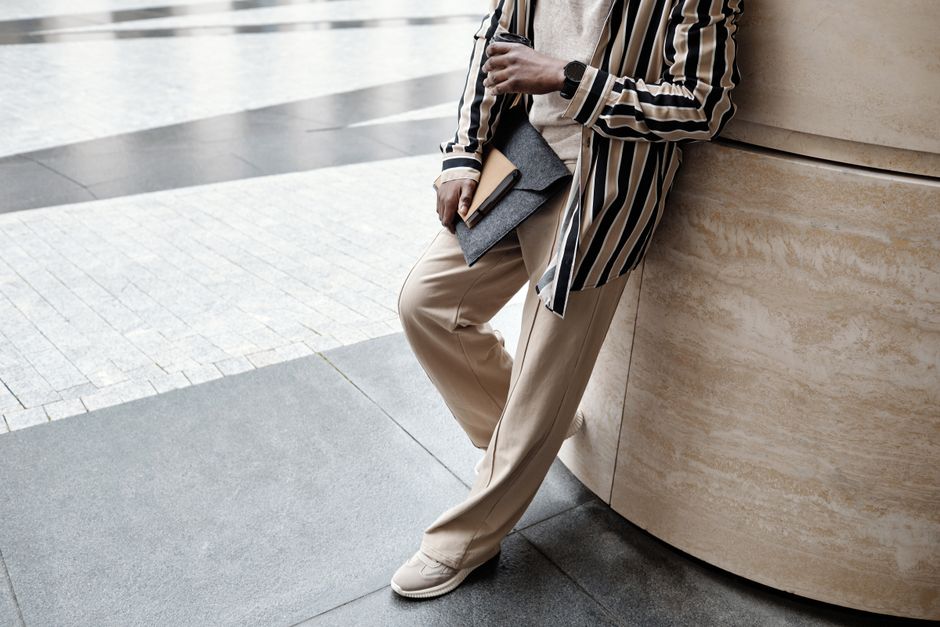
The Core Principles of a Men’s Minimalist Wardrobe
A successful minimalist wardrobe for men isn’t just about owning less; it’s about owning better. Here are the guiding principles:
- Versatility is Key: Each item should be wearable in multiple contexts, easily dressed up or down.
- Fit Above All: Clothes that fit well instantly look more expensive and tailored, regardless of their actual cost.
- Comfort is Non-Negotiable: If it’s uncomfortable, you won’t wear it. Practicality matters for daily life, whether you’re navigating New York’s streets or commuting in Paris.
- Quality Over Quantity: Invest in durable fabrics and good construction that will last, reducing the need for frequent replacements.
- Timeless Style: Focus on classic designs that transcend fleeting trends. Think enduring rather than trendy.
- Neutral Color Palette: Build your foundation with colors like navy, grey, white, black, and olive. They mix and match effortlessly.
- Personal Reflection: Your wardrobe should reflect your personal style and the demands of your daily life, be it a student in Berlin or a professional in Milan.
Mastering Fit: The Foundation of Men’s Fashion Advice
If there’s one piece of men’s fashion advice minimalist wardrobe essentials for men should emphasize, it’s fit. A perfectly fitting garment can make a budget item look high-end, while an ill-fitting designer piece can look sloppy. Understanding your body and how clothes should drape is paramount.
Shoulders, Chest, and Waist: The Critical Zones
When trying on shirts or jackets, pay close attention to the shoulders. The seam should sit precisely where your shoulder ends. If it hangs off, it’s too big; if it pulls tight, it’s too small. For shirts, ensure there’s enough room in the chest and back for comfortable movement without excessive fabric billowing. Trousers should sit comfortably on your natural waist, not too high or too low. A common mistake is buying trousers too long; they should break cleanly over your shoe, or just graze the top for a more modern look.
Sleeve and Trouser Length: Getting it Right
Shirt sleeves, when unbuttoned, should end just past your wrist bone. If wearing a jacket, a quarter to half an inch of shirt cuff should be visible. Trouser length is subjective but generally, avoid pooling fabric at your ankles. For tailored trousers, a slight ‘break’ (a single crease) at the front where the fabric meets the shoe is classic. For casual chinos or jeans, a cleaner, no-break look or a subtle cuff often works well. Remember, a good tailor in London or your local town can make inexpensive clothes look custom-made for a minimal investment.
Prioritizing Comfort: Wearability in Every Piece
Comfort is often overlooked in the pursuit of style, but in a minimalist wardrobe, it’s a non-negotiable. If an item isn’t comfortable, you simply won’t wear it, defeating the purpose of a curated collection. This is particularly true for professionals, travelers, and students who need clothing that performs throughout long days.
Fabric Choices for Comfort and Longevity
Opt for natural and breathable materials. Cotton is a staple for its softness and durability, ideal for t-shirts, oxford shirts, and chinos. Merino wool is excellent for sweaters and socks; it’s breathable, temperature-regulating, and naturally odor-resistant, perfect for year-round wear and travel across Europe. Linen offers unparalleled breathability for warmer climates, while a touch of stretch (like elastane) in jeans or chinos can significantly enhance comfort without sacrificing structure. Consider sustainable fabrics like organic cotton or recycled blends as part of your commitment to sustainable fashion.
How to Choose Men’s Jeans Online: Outfits That Work on a Realistic Budget
Layering for Adaptability
A smart casual minimalist wardrobe excels at layering. A lightweight t-shirt under an oxford shirt, topped with a merino wool sweater, and finished with a versatile jacket, allows you to adapt to changing temperatures throughout the day. This approach is essential whether you’re dealing with the unpredictable weather of Paris or the varied climates of the US. Each layer should be comfortable on its own and work harmoniously with others.
Cultivating Style: The Essence of Menswear Essentials
Building a stylish minimalist wardrobe isn’t about following fleeting trends but rather about understanding timeless aesthetic principles and applying them to high-quality basics. This is where the concept of a capsule wardrobe truly shines.
The Core Capsule: What Every Man Needs
Focus on foundational pieces that form the backbone of almost any outfit. These are your true menswear essentials:
- Well-fitting Jeans: A dark wash, straight-leg or slim-fit pair is incredibly versatile.
- Chinos: In navy, olive, or stone, they bridge the gap between casual and smart.
- White T-Shirts: High-quality cotton, in crew neck and V-neck.
- Oxford Cloth Button-Down (OCBD) Shirts: In white and light blue, perfect for smart casual.
- Sweaters: A crew neck and a V-neck in merino wool or cashmere (grey, navy).
- Blazer/Sport Coat: A versatile navy or charcoal option for dressing up.
- Outerwear: A classic trench coat, a versatile denim jacket, or a clean bomber jacket.
- Shoes: White sneakers, leather loafers, and a pair of classic leather boots or dress shoes.
This selection provides ample options for different scenarios, from a university lecture in Berlin to a casual dinner in Madrid.
Developing Your Personal Aesthetic
While the core capsule provides the canvas, your personal style emerges through how you combine these pieces and the accessories you choose. Do you prefer a rugged aesthetic or a sharper, tailored look? Are you drawn to specific colors? Let your preferences guide your choices for items like watches, belts, and eyewear. This makes your men’s fashion advice minimalist wardrobe essentials for men truly yours.
Smart Casual: The Ultimate Versatility
The smart casual dress code is perhaps the most useful concept for a minimalist wardrobe. It’s the sweet spot where comfort meets polish, allowing you to smoothly transition between various settings without needing an entirely different set of clothes.
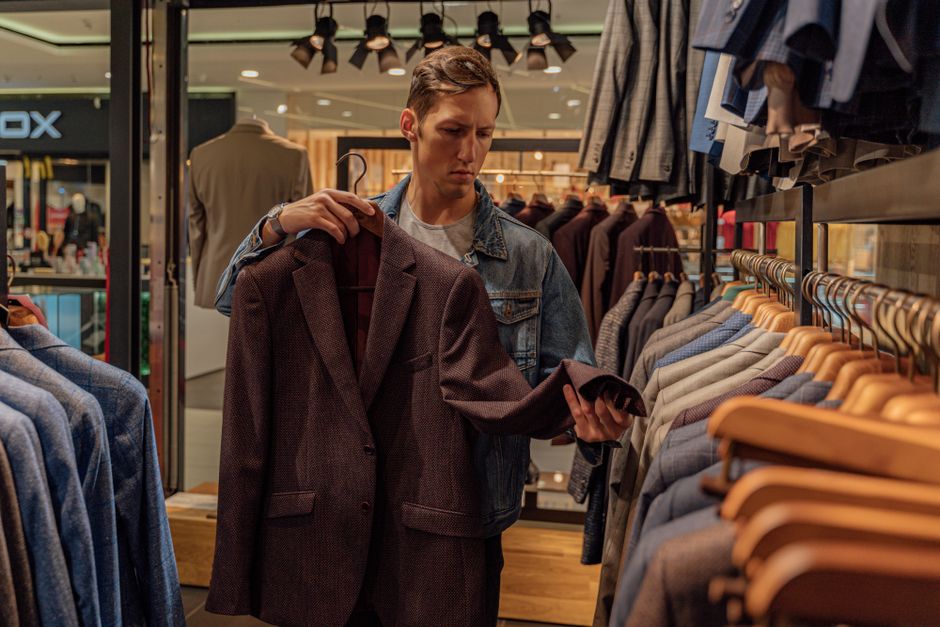
Building Smart Casual Outfits
Think about combining tailored pieces with more relaxed ones. A crisp OCBD shirt with well-fitting jeans and leather loafers is classic smart casual. Swap the jeans for chinos and add a blazer, and you’re ready for a more formal occasion in a place like Milan. Layering a fine-gauge knit sweater over a t-shirt or collared shirt instantly elevates a casual outfit. The key is balance: avoid looking too formal or too relaxed. This adaptability is invaluable for anyone, from a student interning in Warsaw to a professional attending conferences across the US.
Sustainable Choices and Investment Pieces
A minimalist wardrobe naturally leans into sustainable fashion principles. By buying fewer, higher-quality items, you reduce consumption and waste. Investing in durable garments made from sustainable fabrics not only lasts longer but often feels better and performs better over time.
How to Choose Men’s Jeans Online: Common Mistakes and Easy Fixes for a Smarter Wardrobe
Where to Spend, Where to Save
As a general rule, invest more in items that get the most wear and are difficult to replace cheaply with good quality. This includes outerwear (a good coat can last a decade), quality leather shoes, tailored trousers, and perhaps a versatile blazer. For basics like t-shirts or socks, you can be more flexible, but even here, choosing better quality will pay off in comfort and durability. This strategy directly answers how men can build a useful wardrobe without overspending: spend wisely on foundational items, and fill in with more affordable but still quality pieces.
FAQ: Answering Your Minimalist Wardrobe Questions
What is the ideal number of items in a minimalist wardrobe for men?
There’s no magic number, but typically a minimalist wardrobe for men ranges from 30-50 items, including clothing, shoes, and outerwear. This count excludes underwear and socks. The exact number depends on your lifestyle, climate, and personal preferences, emphasizing versatility and quality over sheer quantity.
How do I choose colors for a minimalist wardrobe?
Start with a foundation of neutrals: navy, grey, white, black, and olive. These colors are incredibly versatile and easily mix-and-match. You can then introduce 1-2 accent colors that complement your skin tone and personal style, using them for shirts, sweaters, or accessories to add personality without compromising versatility.
Can a minimalist wardrobe work for different seasons?
Absolutely. The key is layering and incorporating season-appropriate fabrics. For warmer months, focus on linen, light cotton, and shorter sleeves. For colder seasons, utilize merino wool, flannel, and heavier outerwear. Many core items like jeans, chinos, and button-down shirts transition well across seasons with smart layering.
How often should I update my minimalist wardrobe?
Unlike fast fashion, a minimalist wardrobe isn’t about constant updates. You should update only when an item is worn out, no longer fits, or genuinely no longer serves your needs. The goal is longevity, so focus on repair and proper care to extend the life of your garments rather than replacing them frequently.
Is a minimalist wardrobe suitable for formal occasions?
Yes, it can be. While primarily focused on daily wear, a well-curated minimalist wardrobe will include a versatile blazer, dress trousers, and appropriate shoes that can be combined for many semi-formal or business casual events. For very formal events, you might need a dedicated suit, but the core principles still apply: a classic, well-fitting suit in a neutral color is a smart investment.
Key Takeaways for Your Men’s Minimalist Wardrobe
Building a minimalist wardrobe is a journey towards intentional dressing and smarter consumption. It’s about creating a collection where every piece is chosen with purpose, offering maximum versatility and comfort.
Remember to prioritize fit above all else; a well-fitting garment is the bedrock of good style. Focus on quality over quantity, investing in durable fabrics and classic designs that will serve you for years, whether you’re navigating the bustling streets of New York or the quiet alleys of a historic German town. Embrace a neutral color palette and the power of layering for effortless, adaptable outfits.
By following these principles, you’ll not only save money and reduce decision fatigue but also cultivate a sophisticated, confident style that truly reflects who you are. Your wardrobe will become a tool, not a burden, ready for any occasion life throws your way.
Explore more men’s guides on AtTheFashion to further refine your personal style journey.





Leave feedback about this