

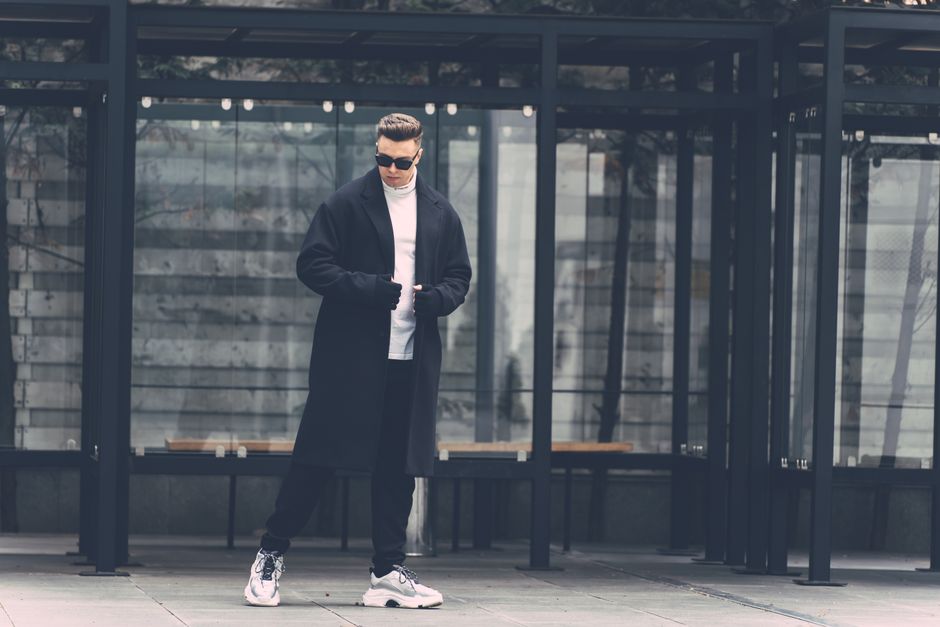
Men can build a useful wardrobe without overspending by focusing on foundational pieces that serve multiple layering purposes. Invest in quality base layers from merino wool or technical fabrics, versatile mid-layers like cashmere or fine-gauge knitwear, and a robust outer shell for varying weather conditions. Prioritise neutral colors for maximum interchangeability and look for sales or second-hand options for more expensive items like coats. This strategic approach ensures warmth, comfort, and style, making your clothing work harder across different urban cold climates without unnecessary bulk or redundant purchases.
When the mercury drops in cities like New York, London, Berlin, or Paris, dressing well isn’t just about looking good—it’s about staying genuinely warm and comfortable without looking like you’re wearing every item of clothing you own. The secret lies in understanding men’s winter layering for cold cities: the art of combining different garments effectively for warmth, flexibility, and, crucially, style. This isn’t about guesswork; it’s a practical approach to menswear essentials that keeps you sharp from a chilly morning commute to an evening out.
For professionals, travelers, and students alike, mastering this skill means navigating diverse urban environments with confidence. From the biting winds off the Thames to the crisp air in Milan, strategic layering allows you to adapt to indoor heating and outdoor chill with ease, all while maintaining a cohesive and polished aesthetic. We’ll dive into the specifics of fit, fabric choices, and how to build a versatile capsule wardrobe that serves you well throughout the colder months.

The Core Principles of Men’s Fashion Advice for Winter Layering
Effective winter layering isn’t just about piling on clothes; it’s a thoughtful system designed to trap heat, wick moisture, and provide adaptability. For men’s fashion advice on winter layering for cold cities, consider the three-layer system: a base layer, a mid-layer, and an outer layer. Each plays a distinct role, and getting the fit and fabric right for each is paramount.
Understanding the Base Layer: Your Second Skin
The base layer is your first line of defense against the cold, worn directly against the skin. Its primary functions are to provide insulation and to wick away moisture. If sweat remains on your skin, it cools rapidly, making you feel much colder. Materials matter here.
- Merino Wool: This is often the gold standard. Merino is naturally insulating, breathable, moisture-wicking, and surprisingly soft. It also has natural odor-resistant properties, which is a huge bonus, especially for travelers in places like Berlin or Milan who might be on the go all day. Look for lightweight to mid-weight options for everyday urban wear.
- Technical Synthetics: Modern synthetics (polyester blends) are excellent at wicking moisture. They dry quickly and are often more affordable than merino. While they might lack the natural breathability and odor resistance of wool, their performance in active situations, like brisk walks across Paris, makes them a solid choice.
- Avoid Cotton: Cotton absorbs moisture and holds it, making it terrible for base layers in cold weather. It will make you feel colder once you start to perspire.
Fit is crucial for base layers: it should be snug but not restrictive, allowing it to efficiently trap a thin layer of warm air against your body and move moisture away.
The Mid-Layer: Insulation and Versatility
The mid-layer provides the bulk of your insulation. This is where you can inject more style and warmth, easily adjusting based on the temperature. Think of this layer as your main warmth provider before your coat.
How to Choose Men’s Jeans Online: A Practical Buying Checklist
- Sweaters and Cardigans: Cashmere, merino wool, lambswool, and even quality synthetic blends are excellent choices. A fine-gauge merino sweater can be sleek enough for a smart casual look in London, while a chunkier lambswool knit provides significant warmth for New York’s blustery days. Cardigans offer excellent flexibility; you can unbutton them indoors without fully removing a layer.
- Vests: A well-fitting quilted vest, particularly one with down or synthetic fill, adds significant core warmth without bulky sleeves, making it perfect for layering under a more tailored jacket or even a blazer.
- Flannel Shirts: A heavy flannel shirt can serve as a warm mid-layer over a base tee, adding a touch of rugged style perfect for a weekend stroll through a European Christmas market.
The mid-layer should fit comfortably over your base layer without being baggy. It should allow for a full range of motion, whether you’re catching a tram in Poland or navigating the Metro in Paris.
The Outer Layer: Protection from the Elements
Your outer layer is your shield against wind, rain, and snow. This is often the most significant investment in your winter wardrobe, so choosing wisely is key for enduring cold cities.
- Wool Overcoats: A classic wool overcoat is timeless and suitable for both formal and casual settings. Look for virgin wool or wool-cashmere blends for superior warmth and drape. A single-breasted or double-breasted overcoat in charcoal, navy, or camel will carry you through New York winters and sophisticated evenings in Milan.
- Parkas: For truly frigid conditions, especially common in cities like Berlin or parts of the US and Canada, a well-insulated, waterproof parka with a hood is indispensable. Modern parkas combine high-performance materials with sleek designs, so you don’t have to sacrifice style for warmth. Brands like Canada Goose or North Face offer reliable options, but many others provide excellent value.
- Technical Jackets: For lighter but still cold and wet conditions, a waterproof and windproof technical jacket can be layered over sweaters. These are highly versatile for active city life and can be surprisingly stylish.
Ensure your outer layer is large enough to comfortably accommodate your base and mid-layers without feeling tight or restricting movement. A common mistake is buying a winter coat that’s too small to layer effectively.
Building a Versatile Capsule Wardrobe: How Can Men Build a Useful Wardrobe Without Overspending?
Building a useful wardrobe without overspending is entirely achievable by focusing on versatility, quality over quantity, and strategic shopping. Instead of chasing trends, invest in timeless menswear essentials that can be mixed and matched across various outfits and layering scenarios.
- Strategic Color Palette: Stick to neutral colors like navy, charcoal, black, grey, olive green, and camel for your core items. These colors are incredibly versatile and ensure that most pieces in your wardrobe can be worn together, maximizing your outfit combinations. Introduce pops of color through accessories like scarves or beanies.
- Quality Over Quantity: A few high-quality items will outperform and outlast many cheaper, trend-driven pieces. This is particularly true for items like your outer coat, a good pair of boots, and key knitwear. While the initial investment might be higher, the cost-per-wear over years makes them more economical.
- Multi-functional Pieces: Look for items that can serve dual purposes. A merino crewneck sweater can be dressed up with trousers or down with jeans. A versatile pair of dark denim or wool blend trousers works for smart casual settings and more relaxed outings.
- Sustainable Fashion Choices: Consider sustainable fabrics and brands that prioritize ethical production. While often a slightly higher price point, these items are typically built to last, reducing your overall consumption and environmental impact. Look for certifications or transparency in their supply chain. Purchasing second-hand, especially for vintage wool coats or cashmere sweaters, is also an excellent sustainable and budget-friendly option found in many European cities.
- Shop Smart: Take advantage of sales periods (like post-holiday sales or end-of-season clearances). Curate a wish list and wait for items to go on discount. Outlet stores or online retailers can also offer good deals on quality brands.

The Role of Fit in Men’s Winter Layering
Fit is arguably as important as fabric choice when it comes to effective and stylish layering. Baggy clothes will leave gaps for cold air to penetrate, while overly tight clothes restrict movement and can compress insulating layers, reducing their effectiveness.
- The Tapered Look: Aim for a slightly tapered fit in your mid-layers and trousers. This creates a clean silhouette even with multiple layers.
- Room to Move: Ensure each layer allows for comfortable movement without bunching or pulling. Your outer coat, in particular, should have enough room in the shoulders and armpits to accommodate a sweater or blazer underneath.
- Layering Sequence: Each successive layer should be slightly larger than the one beneath it. Your base layer is snug, your mid-layer is comfortable over it, and your outer layer drapes properly over everything. This creates the optimal air pockets for insulation.
Remember that good tailoring can make a significant difference. Even an affordable coat can look expensive if it fits perfectly, especially around the shoulders and sleeve length.
Accessorizing for Warmth and Style in Cold Cities
Accessories aren’t just decorative; they are crucial components of men’s winter layering for cold cities, offering both extra warmth and opportunities to express personal style. Think of them as the finishing touches that seal in warmth while elevating your look.
Smart Casual Outfits for Men Working Hybrid: Fit, Comfort, and Style Explained
- Scarves: A quality scarf made of wool, cashmere, or a blend is non-negotiable. It protects your neck and chest, areas prone to heat loss. A long, wide scarf can be styled in multiple ways – draped, wrapped, or tucked – adding versatility. Choose a color or pattern that complements your outerwear.
- Hats/Beanies: A warm hat is essential, as a significant amount of body heat can escape through your head. Wool or cashmere beanies are both practical and stylish, suitable for casual outings in cities like New York or for staying warm while exploring the Christmas markets of Germany.
- Gloves: Leather gloves (lined with wool or cashmere for extra warmth) are a classic choice for smart casual and formal wear. For more casual or active days, technical wool or fleece gloves provide excellent warmth and dexterity.
- Socks: Don’t underestimate the power of good socks. Wool or thermal socks are vital for keeping your feet warm and dry, especially when navigating damp or snowy streets in London or Milan.
- Footwear: Invest in waterproof or water-resistant boots with good traction. Leather boots, chukka boots, or even stylish winterized sneakers can work, depending on the formality required. Ensure they can accommodate thicker socks without feeling tight.
Sustainable Fashion and Long-Term Value
Embracing sustainable fashion in your winter layering choices means making conscious decisions that benefit both your wardrobe and the planet. When investing in key pieces, consider brands that use recycled materials, organic fibers, or have transparent ethical production practices. Look for durable, natural fibers like merino wool, organic cotton, or linen (for warmer months) that are designed to last. Buying fewer, higher-quality items not only reduces waste but also ensures your clothing stands up to the rigors of city life and frequent wear. Additionally, exploring vintage shops in places like Shoreditch in London or the flea markets of Paris can yield unique, high-quality pieces with a story, further reducing demand for new production and supporting a circular economy.
FAQ: Men’s Winter Layering for Cold Cities
How do I choose the right size for my winter coat when layering?
Always try on winter coats with the typical mid-layers you plan to wear underneath. Ensure you have full range of motion in your shoulders and arms without the fabric pulling or feeling tight. A slight allowance for a sweater or blazer is essential for both comfort and effective insulation.
What are the best fabrics for cold city winters?
Merino wool and cashmere are excellent for base and mid-layers due to their warmth-to-weight ratio and breathability. For outer layers, look for virgin wool, down-filled synthetics, or waterproof/windproof technical fabrics that offer solid protection against the elements in cities like New York or Berlin.
Can I wear a suit with winter layering?
Yes, absolutely. Start with a thin merino base layer under your dress shirt. For a mid-layer, a fine-gauge merino or cashmere V-neck sweater worn over your shirt and under your suit jacket provides excellent warmth. Finish with a classic wool overcoat that’s long enough to cover your suit jacket.
How can I stay stylish while wearing multiple layers?
Focus on fit, texture, and a cohesive color palette. Ensure each layer fits well without excessive bulk. Mix textures like smooth wool, chunky knits, and crisp cotton for visual interest. Stick to a neutral base palette and add pops of color with accessories like scarves or beanies to maintain a polished, sophisticated look.
What’s a good layering strategy for fluctuating city temperatures?
The key is adaptability. Opt for a zip-up mid-layer (like a cardigan or a quarter-zip sweater) that can be easily opened or removed. A lightweight, packable technical jacket as an outer layer can also be shed and carried easily if temperatures rise significantly throughout the day in places like Milan.
Are down jackets suitable for city wear?
Yes, modern down jackets are highly suitable for city wear, especially in very cold conditions. Many brands now offer sleek, tailored down jackets that don’t look overly bulky and can be very stylish. Look for options with a good fill power (600+) for optimal warmth and compressibility.
Conclusion: Master Your Winter Wardrobe
Mastering men’s winter layering for cold cities means you’re prepared for whatever the weather throws at you, from the biting winds of New York to the damp chill of London. By understanding the principles of base, mid, and outer layers, prioritizing fit, and making smart, sustainable choices in fabrics, you can build a wardrobe that is both highly functional and undeniably stylish. This approach not only ensures comfort and confidence but also allows you to build a useful wardrobe without overspending on unnecessary items. Explore more men’s guides on AtTheFashion to further refine your sartorial expertise for all seasons and occasions.





Leave feedback about this