

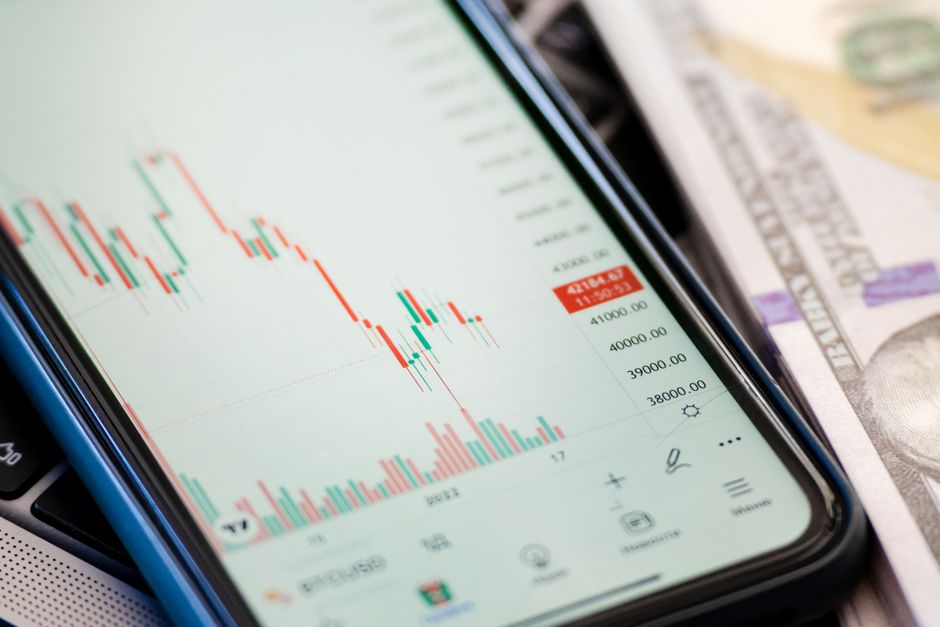
Shoppers can determine if an online deal is genuinely good by using dedicated price tracking tools that monitor historical price data. These tools offer insights into an item’s price fluctuations over time, revealing if a current discount is a true low or just a common sale price. They also provide deal alerts for desired items and comparison features across multiple retailers, helping budget-conscious shoppers in the US and Europe make informed decisions on fashion and tech purchases, especially around major sales events like Black Friday and Cyber Monday.
The thrill of finding a fantastic deal on a new gadget or a stylish wardrobe piece online is undeniable. But how often do you wonder if that ‘limited-time offer’ is truly a bargain, or if you’re just being swept up in the marketing current? For budget-conscious shoppers, families, and even frequent travelers looking to stretch their money further, distinguishing a genuine saving from clever pricing tactics is a constant challenge, particularly across diverse markets like the US and Europe.
It’s not just about the sticker price; factors like US sales tax, varying shipping costs, and different return policies can dramatically change the final cost and overall value proposition. Without reliable tools, you could easily miss out on a better price or fall for a ‘discount’ that’s actually higher than the item’s historical average. This is where smart online deals and offers price tracking tools for fashion and tech purchases become indispensable.
Understanding the Online Deal Landscape: A Quick Overview
Before diving into specific tools, it helps to understand the core functions these services provide:
- Historical Price Data: The bedrock of any good tracker, showing an item’s price over weeks or months.
- Deal Alerts: Notifies you when a desired item drops to a target price or goes on sale.
- Price Comparison: Scans multiple retailers to find the lowest current price.
- Coupon and Promo Code Integration: Automatically applies available discounts at checkout.
- Browser Extensions: Integrates directly into your shopping experience for real-time insights.
- Currency Conversion: Essential for international shoppers or those buying from foreign sites.
- Wishlist Functionality: Helps organize items you’re interested in tracking.
- Shipping and Tax Estimation: Some advanced tools offer this, especially useful for cross-border shopping.
How Smart Price Tracking Tools Empower Shoppers
The core benefit of smart online deals and offers price tracking tools for fashion and tech purchases is the transparency they bring to a notoriously opaque market. They arm you with data, allowing you to move beyond impulse buys and marketing hype to make truly informed decisions.
Evaluating Genuinely Good Deals with Historical Data
The most crucial feature of any price tracker is its ability to show an item’s price history. A supposed 30% discount on a new pair of headphones might seem enticing, but if a price tracker reveals the item was 50% off just last month, or that its ‘original’ price was artificially inflated, your perspective shifts entirely. Tools like Keepa (primarily for Amazon) and CamelCamelCamel provide detailed graphs showing price fluctuations, making it clear if a current price is a true low or a momentary dip.
For US shoppers, this historical data is vital during major sales like Black Friday and Cyber Monday, where retailers often recycle old deals or offer minimal savings. In Europe, understanding these patterns helps navigate sales seasons across different countries, from the summer sales in France to the winter saldi in Italy.
Setting Up Deal Alerts and Price Drops
One of the biggest time-savers is the ability to set up deal alerts. Instead of constantly checking product pages, you can set a target price for that new smartphone or a designer handbag. When the price drops to or below your desired threshold, the tool sends you an email or push notification. This is incredibly useful for high-value tech items where even a small price drop can mean significant savings, or for popular fashion items that sell out quickly once discounted. Most reputable price trackers offer this feature, ensuring you never miss a prime opportunity.
Comparing Prices Across Multiple Retailers
It’s rare for one retailer to always have the best price, especially across different regions. A solid price tracking tool will scan multiple online stores to find the lowest current price. This is particularly relevant for tech products sold by various electronics chains or for fashion brands stocked by different department stores or boutiques. For example, a laptop might be cheaper on Amazon in Germany than on a local electronics site in Poland, even after considering shipping. Tools like Idealo (strong in Europe, especially Germany) and Google Shopping (global reach) excel at this, consolidating options for you.
Jeux Réglementés Casino: Guide Complet

Navigating Regional Differences: US vs. Europe
Shopping across borders, even within the EU, brings its own set of considerations. US shoppers often contend with varying state sales tax, which isn’t always included in the listed price until checkout. European shoppers benefit from EU consumer rights, which offer strong protections, including a 14-day cooling-off period for online purchases. However, shipping costs and delivery times can vary significantly between EU countries, and customs duties can be a factor when buying from outside the EU.
US-Specific Considerations
- Sales Tax: Varies by state; many price trackers don’t account for this upfront. Always check final price at checkout.
- Retailer Dominance: Amazon, Walmart, Target are major players; tools like CamelCamelCamel and Honey thrive here.
- Promotional Events: Black Friday, Cyber Monday, Prime Day are huge, with intense competition among retailers.
European-Specific Considerations
- VAT (Value Added Tax): Included in listed prices across the EU.
- Localized Retailers: While Amazon is strong, local champions like Otto (Germany), Zalando (Germany/Europe for fashion), Fnac (France), MediaMarkt (Germany/Europe for electronics), and Allegro (Poland) are significant.
- Currency Fluctuations: If buying outside your local currency (e.g., from the UK post-Brexit, or from the US), exchange rates matter.
- Cross-Border Shipping: Check costs and return policies carefully, even within the EU.
Integrating Coupons and Loyalty Programs
Beyond price tracking, some tools offer an extra layer of savings by automatically finding and applying coupon codes at checkout. Extensions like Honey or Rakuten (formerly Ebates) are popular for this, offering cashback on purchases in addition to finding coupons. While their primary function isn’t historical price tracking, they complement these tools by ensuring you get the best current price plus any available discounts. Remember to check their regional availability, as features can differ between the US and European markets.
FAQ: Smart Shopping with Price Trackers
Here are some common questions about using smart online deals and offers price tracking tools for fashion and tech purchases.
Q: How do price tracking tools make money if they’re free for users?
A: Most free price tracking tools generate revenue through affiliate commissions. When you click a link from their platform and make a purchase, the retailer pays a small percentage to the tracking tool. Some also offer premium features for a subscription fee or display unobtrusive advertisements. Your data is generally anonymized and aggregated for trends, not sold individually.
Q: Are price tracking browser extensions safe to use?
A: Reputable browser extensions are generally safe. However, it’s always wise to download extensions only from official browser stores (Chrome Web Store, Firefox Add-ons) and read reviews. Be mindful of the permissions an extension requests; if it asks for access to data beyond what’s necessary for its function, exercise caution. Stick to well-known, established tools.
Q: Can these tools track prices for all online stores?
A: No, most price tracking tools specialize in certain retailers or have broader but not universal coverage. Tools like Keepa are excellent for Amazon globally, while others might focus on major electronics chains or fashion retailers in specific regions. Always check the tool’s listed compatible stores. For niche boutiques or smaller local shops, manual checking might still be necessary.
Streaming Games Casino: A Comprehensive Guide
Q: Do price trackers consider shipping costs and taxes?
A: This varies significantly by tool. Basic trackers often only show the base product price. More advanced tools, especially those with strong regional focus, might integrate estimated shipping costs and local taxes (like US sales tax or EU VAT) into their comparisons. Always double-check the final price at checkout on the retailer’s site, as these can be dynamic.
Q: How far back do price tracking tools typically store historical data?
A: The length of historical data varies by tool and by product. Many popular tools store data for several months, often up to a year or more for popular items. This extended history is crucial for identifying genuine trends and avoiding inflated ‘sale’ prices. For very new products or highly volatile markets, the history might be shorter.
Q: What’s the main difference between price comparison and price tracking?
A: Price comparison tools primarily show you the *current* prices for an item across different retailers. Price tracking tools, however, focus on monitoring a single item’s price *over time* at a specific retailer or across several. The best tools combine both functions, allowing you to see current best prices and the historical context behind them.
Key Takeaways for Smart Shopping
Harnessing smart online deals and offers price tracking tools for fashion and tech purchases is no longer a niche activity; it’s a fundamental part of being a savvy consumer in both the US and Europe. These tools cut through the noise, providing transparency and empowering you to make data-driven decisions.
Remember to always consider the full picture: not just the discounted price, but also shipping costs, potential customs duties (especially for cross-border EU purchases or from the US), and the retailer’s return policy. A seemingly great deal can quickly diminish if the return process is a nightmare or shipping costs erase your savings.
Whether you’re gearing up for Black Friday in the US, navigating summer sales in Spain, or simply looking for the best price on a new gadget, these tools are your allies. They help you confidently identify when an online deal is genuinely good, ensuring your hard-earned money goes further.
For more verified shopping guidance and tips on maximizing your savings, explore verified shopping guidance on AtTheFashion.






Leave feedback about this