


Walking into a beauty store or browsing online can feel like navigating a labyrinth, especially when you have sensitive skin. Every bottle promises a miracle, making it nearly impossible to discern what truly benefits your skin barrier from what’s just clever marketing. For many of us, the goal isn’t an elaborate ten-step ritual, but rather a practical beauty and skincare guide that simplifies choices, especially for a simple skin barrier routine for sensitive skin.
This article is for the beauty beginner, the busy adult juggling life’s demands, and the traveler seeking effective yet minimal solutions. We’ll strip away the jargon and focus on what genuinely helps your sensitive skin thrive, without the confusion. Forget the fads; let’s build a foundation that works across the US, UK, Germany, France, Italy, Spain, and Poland, keeping your skin healthy and resilient.
A simple skin barrier routine for sensitive skin centers on three pillars: gentle cleansing, effective hydration, and consistent protection. This fundamental approach minimizes irritation, supports the skin’s natural defenses, and prevents issues before they start. The key is to select products with specific ingredients known to fortify the skin barrier, such as ceramides, hyaluronic acid, and soothing emollients, while avoiding common irritants like strong fragrances and dyes. This isn’t about buying more products; it’s about choosing the right ones.
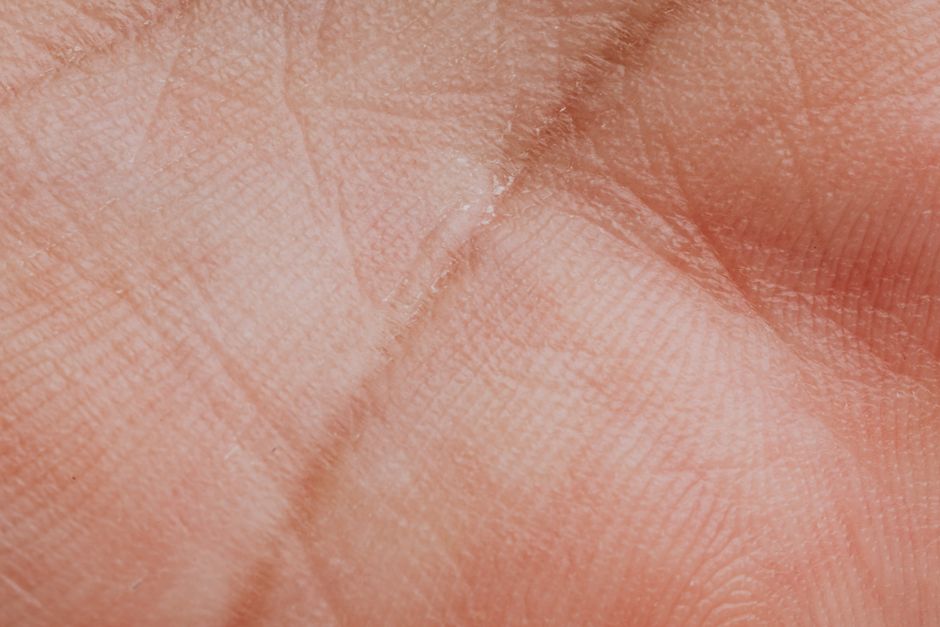
Understanding Your Skin Barrier: The First Step to a Practical Routine
Before diving into products, it’s essential to understand what your skin barrier is and why it’s so important, especially for sensitive skin. Think of your skin barrier as the brick-and-mortar wall on the outermost layer of your skin. The ‘bricks’ are your skin cells (corneocytes), and the ‘mortar’ is a lipid matrix composed of ceramides, cholesterol, and fatty acids. This protective layer keeps good things in (like hydration) and bad things out (like irritants, allergens, and pollution).
When this barrier is compromised, your skin becomes more vulnerable. This often manifests as redness, itching, dryness, tightness, or increased reactivity to products that wouldn’t normally cause an issue. For someone with sensitive skin, this compromised state can be chronic, making a targeted, simple skin barrier routine for sensitive skin absolutely vital. Recognizing these signs is the first step towards building a truly effective practical beauty and skincare guide.
What is Sensitive Skin?
Sensitive skin isn’t a medical diagnosis but a common skin type characterized by heightened reactivity to various stimuli. This can include environmental factors (wind, cold), cosmetic products (fragrance, certain chemicals), and even internal factors (stress, diet). Symptoms often include stinging, burning, itching, tightness, and visible redness or flushing. The underlying issue is frequently a weakened or impaired skin barrier, which allows irritants to penetrate more easily and moisture to escape, leading to discomfort and visible reactions.
The Core Components of a Simple Skin Barrier Routine
A truly practical beauty and skincare guide for sensitive skin doesn’t need a dozen steps. It needs three, executed consistently with the right products. This simple skin barrier routine for sensitive skin prioritizes efficacy over complexity.
Beauty Hacks: Insider Tips from Makeup Artists and Skincare Experts
1. Gentle Cleansing: The Foundation
Many skin issues begin with harsh cleansing. For sensitive skin, an aggressive cleanser can strip natural oils, further weakening the skin barrier. The goal is to remove impurities, makeup, and SPF without disrupting your skin’s natural pH or moisture balance.
- What to look for: Cream cleansers, milk cleansers, or gel cleansers specifically marketed as “gentle,” “hydrating,” or “for sensitive skin.” They should be fragrance-free, soap-free, and pH-balanced.
- What to avoid: Foaming cleansers with strong sulfates (like Sodium Lauryl Sulfate), abrasive physical exfoliants (scrubs with large particles), and harsh astringents.
- Practical Tip: Use lukewarm water, not hot. Pat your face dry gently with a soft towel instead of rubbing. In many European countries, like France or Germany, pharmacists often recommend very specific, mild cleansers readily available over the counter, emphasizing barrier protection.
2. Hydration and Moisturizing: Replenishing the Barrier
Once cleansed, replenishing moisture and supporting the skin barrier are paramount. This step is where key ingredients shine, helping to rebuild and protect the ‘mortar’ of your skin barrier.
- What to look for: Moisturizers containing ceramides, hyaluronic acid, glycerin, squalane, and fatty acids. These mimic the natural components of your skin barrier. Lotions are generally lighter, while creams offer more occlusion and are ideal for very dry or sensitive skin, especially in colder climates like the UK or Poland.
- What to avoid: Products with strong fragrances, essential oils, drying alcohols (ethanol, isopropyl alcohol), and certain botanical extracts that can be irritating to sensitive skin.
- Practical Tip: Apply moisturizer to slightly damp skin to lock in extra hydration. Don’t forget your neck!
3. Sun Protection: The Non-Negotiable Step
Sun exposure is one of the biggest environmental stressors for any skin type, but particularly for sensitive skin. UV radiation breaks down collagen, damages skin cells, and further impairs the skin barrier, leading to redness, inflammation, and premature aging. SPF isn’t just for beach days; it’s an everyday essential.
- What to look for: Broad-spectrum SPF 30 or higher. Mineral sunscreens (containing zinc oxide and/or titanium dioxide) are often better tolerated by sensitive skin as they sit on top of the skin rather than being absorbed.
- What to avoid: Chemical sunscreens (oxybenzone, avobenzone, octinoxate) if they cause irritation, and fragranced sunscreens.
- Practical Tip: Apply sunscreen generously as the last step in your morning routine, even on cloudy days. Many European brands, like La Roche-Posay or Eucerin, offer excellent, cosmetically elegant mineral sunscreens widely available.
Comparing Products Without Marketing Confusion: Your Ingredient Decoder
This is where a practical beauty and skincare guide truly shines. Instead of falling for buzzwords, let’s focus on ingredients that matter for a simple skin barrier routine for sensitive skin.
Understanding Key Ingredients for Sensitive Skin
- Ceramides: These are lipids (fats) that are naturally found in high concentrations in the skin barrier. They are essential for binding skin cells together and preventing moisture loss. Look for them in moisturizers and sometimes cleansers.
- Hyaluronic Acid: A powerful humectant, meaning it draws moisture from the air into the skin. It hydrates without being heavy, making it excellent for all sensitive skin types, even oily-sensitive. You’ll find it in serums and moisturizers.
- Glycerin: Another excellent humectant, often found alongside hyaluronic acid. It’s affordable, effective, and very well-tolerated.
- Squalane: A lightweight, non-comedogenic oil that mimics skin’s natural sebum, providing moisture and helping to restore the lipid barrier.
- Niacinamide (Vitamin B3): Can strengthen the skin barrier, reduce redness, and improve skin tone. Start with lower concentrations (2-5%) if you’re very sensitive, as higher percentages can sometimes cause flushing.
When to Consider Specialty Ingredients: Retinol and SPF
For sensitive skin, introducing potent actives like retinol needs careful consideration. Retinol is a vitamin A derivative known for its anti-aging benefits and ability to improve skin texture and tone. However, it can be irritating, especially when starting out.
- Retinol for Sensitive Skin: Start with the lowest concentration (e.g., 0.01% or 0.025%) and apply once or twice a week, gradually increasing frequency as tolerated. Use it only at night. Always follow with a good moisturizer containing ceramides. Consider ‘sandwiching’ it: apply moisturizer, then retinol, then more moisturizer. Brands like CeraVe or Avène, popular across the US and Europe, offer gentle retinol formulations.
- SPF is Non-Negotiable: As mentioned, SPF is crucial. Whether you’re in sunny Spain or drizzly London, UV rays are present. Mineral sunscreens are often the best choice for sensitive types, providing broad-spectrum protection without common chemical irritants.
Building Your Simple Skin Barrier Routine for Sensitive Skin: Morning and Evening
Let’s put it all together into a straightforward daily routine. This practical beauty and skincare guide emphasizes consistency over complexity.
Morning Routine: Protection and Hydration
- Cleanse: Gently cleanse with a mild, low-pH cleanser. If your skin isn’t oily or you’re very sensitive, a splash of water might be enough.
- Hydrate: Apply a hydrating serum (like one with hyaluronic acid) to damp skin, followed by a ceramide-rich moisturizer.
- Protect: Finish with a broad-spectrum SPF 30+ sunscreen. This is the critical final step before applying any makeup.
Evening Routine: Repair and Replenishment
- Cleanse: Thoroughly cleanse to remove makeup, sunscreen, and environmental impurities. Double cleansing (oil-based cleanser first, then a water-based one) can be effective but ensure both are gentle.
- Treat (Optional, 2-3 times/week): If using retinol, apply a pea-sized amount after cleansing, before your moisturizer. Remember to start slow.
- Moisturize: Apply a generous amount of your ceramide-rich moisturizer to support overnight skin barrier repair.
Practical Tips for Travelers and Busy Adults
Whether you’re exploring the historic streets of Rome, navigating the bustling markets of Berlin, or simply managing a demanding work schedule, consistency can be a challenge. Here’s how to keep your simple skin barrier routine for sensitive skin on track:
The Ultimate Guide to Achieving Flawless Skin – Top Beauty Tips Revealed!
- Travel Sizes: Invest in travel-sized versions of your core products. Many pharmacies in Europe, like Boots in the UK or DM in Germany, stock travel minis of popular sensitive-skin brands.
- Multi-Taskers: Look for moisturizers that also contain SPF for daytime, reducing a step. However, ensure the SPF factor is adequate.
- Hydration on the Go: A small mist with thermal water or a hydrating toner can be a refreshing boost during long flights or dry office environments.
- Listen to Your Skin: If your skin feels particularly sensitive or irritated, skip actives like retinol for a few days and focus solely on cleansing, moisturizing, and SPF.
Frequently Asked Questions About Sensitive Skin Care
What is the simplest beauty routine for healthy-looking skin?
The simplest routine involves three steps: gentle cleansing to remove impurities without stripping natural oils, consistent moisturizing with a product rich in barrier-supporting ingredients like ceramides and hyaluronic acid, and daily broad-spectrum SPF protection. This minimalistic approach is highly effective for maintaining skin health and minimizing irritation.
Can I use retinol if I have sensitive skin?
Yes, you can use retinol with sensitive skin, but proceed with caution. Start with a very low concentration (0.01-0.025%) and introduce it slowly, perhaps once or twice a week. Apply it at night, and always follow with a good, barrier-repairing moisturizer. If irritation occurs, reduce frequency or stop use and consult a dermatologist.
How do I know if my skin barrier is damaged?
Signs of a damaged skin barrier include persistent dryness, flakiness, redness, itching, stinging, and increased sensitivity to products that previously didn’t irritate. Your skin might also feel tight or look dull. These symptoms indicate that your skin’s protective layer is compromised and needs support.
Are natural products always better for sensitive skin?
Not necessarily. While some natural ingredients can be soothing, others, like certain essential oils (e.g., lavender, tea tree oil), can be significant irritants for sensitive skin. It’s more about specific ingredients and formulations rather than ‘natural’ vs. ‘synthetic.’ Always check the full ingredient list and patch test new products.
What should I avoid in products if I have sensitive skin?
For sensitive skin, it’s generally best to avoid strong fragrances (synthetic and natural), essential oils, drying alcohols (like ethanol or isopropyl alcohol), harsh sulfates (like SLS), and aggressive physical exfoliants. Patch testing any new product on a small area of skin before full application is a good practice.
What is the ideal SPF for daily use on sensitive skin?
For daily use on sensitive skin, a broad-spectrum SPF 30 or higher is ideal. Look for mineral sunscreens containing zinc oxide and/or titanium dioxide, as these are typically less irritating than chemical sunscreens. Ensure it is fragrance-free and formulated for sensitive skin to minimize any potential adverse reactions.
Conclusion: Simplify for Success
Building a practical beauty and skincare guide doesn’t have to be complicated or expensive, especially when focusing on a simple skin barrier routine for sensitive skin. By prioritizing gentle cleansing, solid hydration with key ingredients like ceramides and hyaluronic acid, and diligent sun protection with SPF, you can effectively manage and improve sensitive skin without succumbing to marketing hype. Remember, consistency is your best tool. For more insights and practical advice, explore more beauty guides on AtTheFashion.






Leave feedback about this