

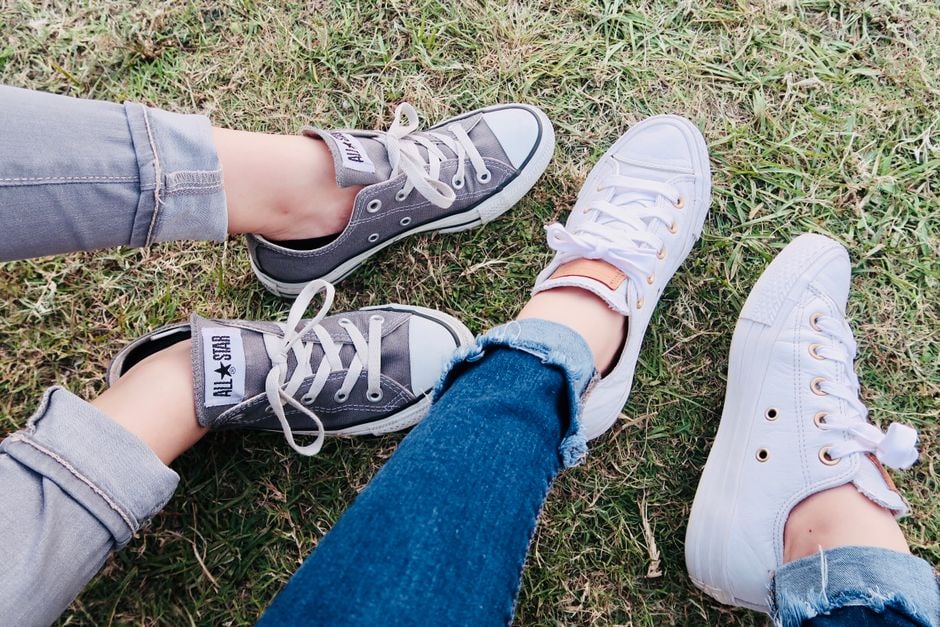
To make a shoe comfortable for walking all day or standing for extended periods, it needs excellent arch support, ample cushioning without being too soft, a wide toe box that prevents compression, and a secure fit around the heel and midfoot. Breathable materials are essential to manage moisture, while a durable, slip-resistant sole provides stability. The overall design should reduce impact, distribute pressure evenly, and maintain proper foot alignment, preventing strain on the feet, knees, hips, and back, which is vital for people who stand at work.
For millions, a workday isn’t spent behind a desk but on their feet. Whether you’re a retail associate navigating bustling stores in New York or London, a nurse bustling through hospital corridors, a factory worker on an assembly line, or a chef managing a busy kitchen, the cumulative impact of standing for hours can take a serious toll. While a good work ethic is commendable, chronic foot, knee, and back pain are not. Often, the root cause isn’t just the standing itself, but fundamental mistakes in footwear choices.
It’s easy to grab the first pair of shoes that seem ‘cushy’ or stylish, only to find yourself hobbling by lunchtime. The quest for comfortable footwear for people who stand at work is more complex than simply picking a padded insole. Without understanding the specific demands placed on your feet and how different shoe features address them, you’re likely to perpetuate a cycle of discomfort, leading to everything from plantar fasciitis to chronic lower back issues. Let’s look at how to avoid these painful missteps.

Quick Overview: Essentials for Comfortable Footwear for Standing at Work
- Arch Support: Crucial for maintaining foot alignment and distributing pressure.
- Cushioning: Absorbs impact but shouldn’t be excessively soft; balanced support is key.
- Toe Box Width: Prevents toe compression, allowing natural splay and circulation.
- Heel Security: A snug, non-slip heel counter to prevent friction and instability.
- Outsole Grip: Essential for safety, especially on varied surfaces like European cobblestones or slick kitchen floors.
- Breathability: Reduces moisture and heat buildup, preventing blisters and fungal issues.
- Material Durability: Shoes need to withstand daily wear without quickly breaking down.
- Proper Fit: The most critical factor—shoes should fit well from day one, not require ‘breaking in’.
The Arch Support Myth: Why ‘Flat’ Isn’t Always Friendly
Many assume maximum cushioning equals maximum comfort. While cushioning is important, it’s arch support that truly dictates long-term comfort and foot health, especially for those seeking supportive shoes for people who stand at work. Your foot has three arches, acting as natural shock absorbers. Without proper support, these arches can collapse over time, leading to conditions like plantar fasciitis, metatarsalgia, and Achilles tendonitis. A common mistake is buying shoes that are completely flat internally or have generic, unsupportive insoles, assuming your foot will adapt.
Understanding Your Arch Type
Before buying, understand if you have high arches, low arches (flat feet), or neutral arches. A quick ‘wet test’ at home can help: step onto a piece of paper after wetting your foot. A full imprint indicates flat feet, a very thin outer edge suggests high arches, and a balanced imprint is neutral. Different arch types require different levels of support.
- High Arches: Need cushioning to absorb shock and moderate arch support to prevent over-supination (rolling outward).
- Flat Feet/Low Arches: Require firm arch support to prevent over-pronation (rolling inward) and stabilize the foot.
- Neutral Arches: Can often use a wider range of supportive shoes but still benefit from moderate arch support to maintain natural alignment.
For example, walking through the historical districts of Rome or Paris, with their uneven surfaces and centuries-old paths, demands footwear that offers consistent support against varied terrain. A shoe with a solid, yet adaptive arch system will protect your feet far better than a purely soft one.
The Cushioning Conundrum: Too Soft, Too Firm, or Just Right?
Cushioning is often mistaken as the sole indicator of comfort in a shoe. While a plush feel is initially appealing, excessive softness can be detrimental. Imagine trying to walk on a soft mattress all day; your feet and ankles would work overtime to maintain stability. The ideal comfortable footwear for standing at work strikes a balance: enough cushioning to absorb impact, but firm enough to provide stability and support. Too much softness can lead to instability, causing your feet to sink and potentially strain muscles and ligaments.
The Science of Balanced Cushioning
High-quality supportive shoes use responsive cushioning materials (like EVA or proprietary foams) that compress under pressure and spring back, returning energy to your stride. This responsiveness is crucial for reducing fatigue over long periods. When choosing travel footwear for exploring cities like New York or Chicago, where you’ll be covering miles of pavement, look for shoes that offer both initial comfort and sustained support. Testing shoes in-store by standing and walking for a few minutes can reveal if the cushioning provides that sweet spot—not too squishy, not too hard.
The Toe Box Trap: Why Your Toes Need Room to Breathe
One of the most common and painful mistakes when selecting supportive shoes for people who stand at work is ignoring the toe box. A cramped toe box restricts your toes, forcing them into an unnatural position. This can lead to bunions, hammertoes, ingrown toenails, and nerve impingement (neuromas). Your toes naturally splay out when you stand and walk, providing balance and propulsion. If they’re constantly compressed, this natural function is inhibited, causing pain and instability.
The Importance of a Wide, High Toe Box
Look for shoes with a sufficiently wide and high toe box. When you try on shoes, ensure you can wiggle your toes freely and that there’s at least a thumb’s width of space between your longest toe and the end of the shoe. Don’t be fooled by the shoe’s overall width; a pointed or tapered toe box, even on a wide shoe, will still compress your toes. This is particularly important for professional walking shoes where you expect to be on your feet for 8+ hours. For navigating the bustling streets of Berlin or the historic markets of Krakow, where you might be standing for hours, ample toe room is non-negotiable.
Fit and Materials: Beyond the Initial Impression
A shoe’s fit goes beyond length. It encompasses width, heel stability, and how the upper material conforms to your foot. Many buy shoes based solely on length, ignoring the fact that width can drastically alter comfort and support. Similarly, choosing the wrong materials can lead to sweaty feet, blisters, and premature wear.
The Goldilocks Fit: Not Too Tight, Not Too Loose
A properly fitted shoe should feel snug but not tight. Your heel should not slip excessively, and your midfoot should feel secure. Always try on shoes at the end of the day when your feet are slightly swollen to ensure the most accurate fit. Walk around the store to feel how the shoe moves with your foot. Consider lace-up options or adjustable straps, as they offer better control over the fit compared to slip-ons, which might be too loose or too tight in different areas.
Breathable and Durable Materials
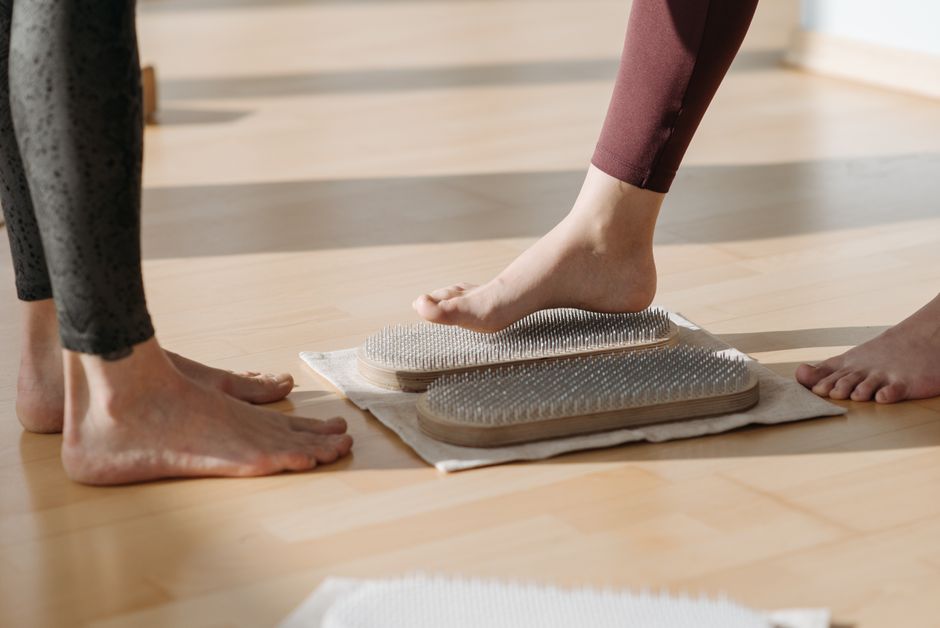
For long hours of standing, breathability is paramount. Materials like mesh, engineered knit, or high-quality leather allow air circulation, preventing moisture buildup and keeping your feet cooler and drier. This reduces the risk of fungal infections and blisters. When choosing waterproof shoes, ensure they also offer some level of breathability, often achieved with membranes like Gore-Tex. Durability means the shoe can withstand the rigors of daily use without losing its supportive properties. A shoe that breaks down quickly will lose its comfort and support, forcing you to replace it sooner.
Avoiding the ‘Break-In’ Period Trap
The notion that shoes need a painful ‘break-in’ period is a common misconception, particularly for comfortable footwear designed for standing or walking. While some shoes, especially leather ones, might soften slightly with wear, a truly supportive shoe for people who stand at work should feel comfortable from the moment you try it on. If you’re experiencing immediate pinching, rubbing, or pressure points, it’s likely not the right fit or design for your foot.
Best Walking Shoes for European City Travel: The Comfort Features That Matter Most
Listen to Your Feet
Trust your immediate sensation. Don’t buy shoes hoping they will ‘get better.’ A shoe that feels uncomfortable initially will likely remain uncomfortable, or worse, cause long-term problems. This is especially true for travel footwear; you don’t want to break in new shoes while exploring the historical sites of Florence or the scenic trails of the Bavarian Alps. Prioritize immediate comfort and a proper fit above all else.
FAQ: Finding Your Ideal Supportive Footwear
What’s the best shoe type for nurses or retail workers?
Nurses and retail workers need shoes with excellent arch support, ample cushioning, and a slip-resistant outsole. Clogs or athletic shoes designed for standing, often featuring rocker soles or advanced cushioning systems, are popular choices. Look for models with a wide toe box and breathable uppers to accommodate long shifts and prevent foot fatigue.
How often should I replace my standing work shoes?
For individuals who stand at work daily, shoes typically need replacing every 6 to 12 months, or after roughly 500-800 miles of walking. Look for signs of wear such as flattened cushioning, worn-out treads, or a loss of structural integrity, especially in the midsole. Ignoring these signs can lead to decreased support and increased pain.
Are insoles a good solution for unsupportive shoes?
High-quality insoles can significantly enhance the support and comfort of existing shoes, particularly if the original insoles are removable and unsupportive. They are effective for customizing arch support or adding extra cushioning. However, insoles cannot correct a fundamentally ill-fitting shoe, such as one with a too-narrow toe box or poor heel grip. They work best in conjunction with a well-designed shoe.
Should I choose a shoe with a stiff or flexible sole for standing?
For standing all day, a shoe with a sole that offers a good balance of stiffness and flexibility is ideal. It should be flexible enough to allow natural foot movement but stiff enough in the midfoot to provide stability and support the arch. A completely rigid sole can feel unnatural, while an overly flexible one might lack adequate support and lead to foot fatigue.
Is there a difference between men’s and women’s supportive shoes?
While many designs appear unisex, anatomical differences mean women often have narrower heels and higher arches relative to their foot length compared to men. Some brands specifically design shoes to accommodate these differences, offering varying widths and arch contours. Always try on both men’s and women’s versions if available to see which provides the best fit and support for your specific foot shape.
Key Takeaways: Your Path to Pain-Free Standing
Choosing the right supportive shoes for people who stand at work isn’t about guesswork; it’s about understanding your feet and the demands of your job. By avoiding common mistakes like prioritizing cushioning over arch support, ignoring toe box space, or settling for a poor fit, you can make a significant difference in your daily comfort and long-term health. Remember, the best comfortable footwear for standing at work offers a balanced approach to support, cushioning, and fit, tailored to your individual needs.
Invest in quality. Your feet are your foundation, and neglecting them leads to a cascade of pain throughout your body. Take the time to research, try on different models, and prioritize function over fleeting fashion trends. A well-chosen pair of walking shoes or dedicated work shoes is an investment in your well-being, allowing you to focus on your tasks without the constant distraction of aching feet.
For more detailed guides and recommendations on comfortable footwear, explore our extensive collection of footwear guides on AtTheFashion.





Leave feedback about this