

Standing for extended periods, whether you’re a retail assistant in London, a chef in Paris, a museum guide in Rome, or a nurse in New York, demands more from your footwear than typical shoes. The constant pressure on your feet, ankles, and spine can lead to discomfort, fatigue, and even chronic pain. Investing in supportive shoes isn’t a luxury; it’s a necessity for your long-term health and productivity. The right pair can make a significant difference, transforming a grueling shift into a manageable one.
This guide delves into the specific comfort features that truly matter when selecting comfortable footwear for people who stand at work. We’ll cut through the marketing noise to highlight what actually contributes to all-day comfort and support, ensuring your feet stay happy from your first step to your last, no matter where your job takes you.
Navigating the vast selection of shoes can feel overwhelming. Many brands promise comfort, but not all deliver when it comes to the unique demands of standing all day. Our focus is on practical features that offer tangible benefits, helping you make an informed decision and find the best comfortable footwear guide supportive shoes for people who stand at work.
Understanding the Core Components of All-Day Comfort
When you spend hours on your feet, comfort isn’t just about softness; it’s about stability, support, and proper mechanics. A truly comfortable shoe will work with your foot, not against it, mitigating the impact of hard surfaces and maintaining good posture. This isn’t just about cushioning, though that’s a big part of it. It’s a holistic approach to foot health.
Cushioning: More Than Just Plushness
Effective cushioning is paramount. It absorbs the shock of each step, protecting your joints and muscles from repetitive impact. However, there’s a fine line: too much cushioning can feel unstable, while too little offers no protection. Look for:
- Responsive Foam: Materials like EVA (ethylene-vinyl acetate) or proprietary foams from brands known for walking shoes offer excellent energy return. This means the foam compresses and then springs back, giving you a slight boost with each step.
- Dual-Density Midsoles: Some shoes incorporate different densities of foam – softer near the foot for immediate comfort, and firmer below for stability and durability. This is particularly beneficial for those navigating hard surfaces, whether it’s concrete in Chicago or hospital linoleum.
- Forefoot and Heel Padding: Ensure adequate cushioning in both the ball of your foot and the heel, as these areas bear the brunt of the pressure when standing.
Arch Support: Your Foot’s Foundation
Proper arch support is critical for distributing weight evenly and preventing overpronation or supination, which can lead to foot, knee, and back pain. The ideal arch support depends on your foot type:
- Low Arches/Flat Feet: You’ll need more substantial support on the inner side of the shoe to prevent your foot from rolling inward.
- High Arches: Cushioning is key to absorb shock, as high arches tend to be more rigid. Look for shoes with good flexibility in the midfoot.
- Neutral Arches: A balanced approach with moderate arch support is usually best.
Many comfortable footwear guide supportive shoes for people who stand at work integrate removable insoles, allowing you to swap them for custom orthotics if needed. This flexibility is a major advantage.
Fit and Stability: Preventing Fatigue and Injury
Even the most advanced cushioning and arch support are useless if the shoe doesn’t fit correctly or lacks stability. A poor fit can lead to blisters, bunions, and an unstable gait, increasing the risk of falls.
Catwalk-inspired footwear: Discover Official Clarks’ collection for a fashionable street-ready look
The Importance of a Proper Fit
It sounds obvious, but many people wear the wrong shoe size. Always measure your feet, and remember that size can change over time. When trying on shoes:
- Ample Toe Box: Your toes should have enough room to splay naturally, not feel cramped. Aim for about a thumb’s width between your longest toe and the end of the shoe. This is crucial for avoiding issues like hammertoes, especially if you’re on your feet all day in busy environments like a European market.
- Secure Midfoot: The shoe should hold your midfoot snugly without pinching. Laces, Velcro straps, or elastic gussets help achieve this.
- Snug Heel: Your heel should not slip out when you walk. A stable heel counter (the rigid part at the back of the shoe) is vital.
- Try Shoes Later in the Day: Your feet swell throughout the day, so fitting shoes in the afternoon or evening provides a more accurate assessment.
Outsole Traction and Stability
A good outsole provides grip and prevents slips, especially important in workplaces with varied or potentially slick surfaces. Think about a restaurant kitchen in Rome or a warehouse in Germany. Look for:
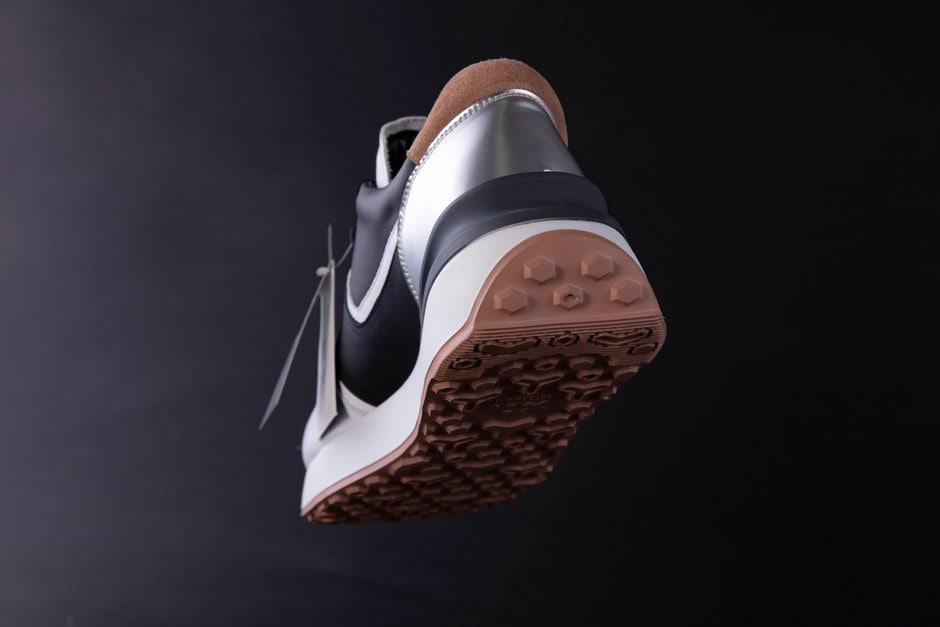
- Slip-Resistant Tread: Deep, multi-directional patterns offer better traction.
- Wide Base: A wider sole provides a more stable platform, reducing the risk of ankle rolls.
- Flexibility Where it Matters: The sole should flex at the ball of your foot, where your foot naturally bends, but remain rigid through the arch for support.
Material Matters: Breathability and Durability
The materials a shoe is made from impact not only its comfort but also its longevity and how well it manages foot health issues like sweating.
Breathable Uppers
Feet that get hot and sweaty are uncomfortable and can lead to fungal issues. Materials like mesh, engineered knit, or perforated leather allow air to circulate, keeping your feet cooler and drier. This is especially important in warmer climates or for physically demanding jobs.
Durable Construction
A shoe for standing at work needs to withstand constant wear and tear. High-quality stitching, reinforced stress points, and abrasion-resistant materials ensure your investment lasts. Consider whether you need waterproof shoes, particularly for outdoor roles or jobs involving liquids, as is common in many industries across the US and Europe.
Specific Features for Different Standing Professions
While the core features remain consistent, some professions have additional requirements:
- Healthcare Professionals: Often require easy-to-clean, waterproof, or fluid-resistant surfaces. Look for non-slip soles certified for medical environments. Brands like Dansko or Skechers Work often cater to this sector.
- Retail/Hospitality Workers: Prioritize lightweight designs to minimize fatigue, coupled with excellent cushioning for hard floors. Aesthetics might also play a role, with some needing smarter, professional-looking options.
- Factory/Warehouse Workers: Steel or composite toe caps may be mandatory for safety. Slip-resistant outsoles and puncture-resistant soles are also common requirements.
Remember, the best comfortable footwear guide supportive shoes for people who stand at work will align with your specific job demands, foot anatomy, and personal preferences. Don’t compromise on features that will directly impact your well-being.
From head to toe: Discover the perfect outfits at official Dr. Martens shop
FAQ: Answering Your Footwear Queries
What makes a shoe comfortable for walking all day?
A shoe’s comfort for all-day walking stems from excellent cushioning that absorbs impact, solid arch support matching your foot type, and a stable, grippy outsole. Ample toe room, breathable materials, and a secure fit are also crucial. These elements work together to distribute pressure, reduce fatigue, and maintain proper foot alignment, whether you’re exploring New York City or traversing European cobblestones.
How often should I replace my standing work shoes?
For individuals who stand at work, shoes should typically be replaced every 6-12 months, or after 300-500 miles of wear, whichever comes first. The cushioning and support structures degrade over time, losing their effectiveness even if the exterior looks fine. Pay attention to signs of wear like flattened soles, reduced bounce, or increased foot pain.
Are there specific brands known for comfortable footwear for standing?
Yes, several brands are highly regarded for comfortable footwear for people who stand at work. Brands like Hoka One One, Brooks, New Balance, and Saucony are known for their athletic shoes with superior cushioning and support. For professional environments, Dansko, Alegria, and certain lines from Skechers Work or Birkenstock offer excellent options that combine comfort with durability and appropriate aesthetics.
Can waterproof shoes be comfortable for standing all day?
Absolutely. Modern waterproof shoes often incorporate breathable membranes (like Gore-Tex) that keep water out while allowing sweat to escape, preventing the clammy feeling associated with older waterproof designs. Look for models with the same comfort features—cushioning, arch support, and proper fit—as non-waterproof options to ensure all-day comfort, whether you’re facing rainy London streets or a damp industrial setting.
How do I know if I have a high arch or flat feet?
A simple home test is the ‘wet test’: wet your foot and step onto a piece of paper or cardboard. If you see nearly your entire foot print, you likely have flat feet. If you see only the ball of your foot and heel with a very thin connector, you likely have high arches. A balanced footprint indicates a neutral arch. This helps guide your choice in arch support.
Is it better to have soft or firm cushioning for standing all day?
Neither extreme is ideal; the best cushioning for standing all day is often a balance. While soft cushioning provides immediate comfort, it can lack stability over long periods, leading to fatigue. Firm cushioning offers better support but can feel too rigid. The optimal solution is often a responsive, medium-density foam that absorbs shock effectively while still providing a stable platform and energy return, common in well-designed walking shoes.
Final Thoughts on Choosing Your Next Pair
Choosing the right comfortable footwear guide supportive shoes for people who stand at work is a proactive step toward better health and increased productivity. Don’t underestimate the power of properly supported feet; they are your foundation for navigating the demands of your job, whether you’re exploring the historic alleys of Paris or managing a busy factory in Poland. Prioritize cushioning, arch support, a perfect fit, and durable, breathable materials. Your body will thank you.
For more insights and recommendations on optimizing your footwear choices, explore more footwear guides on AtTheFashion.




Leave feedback about this