

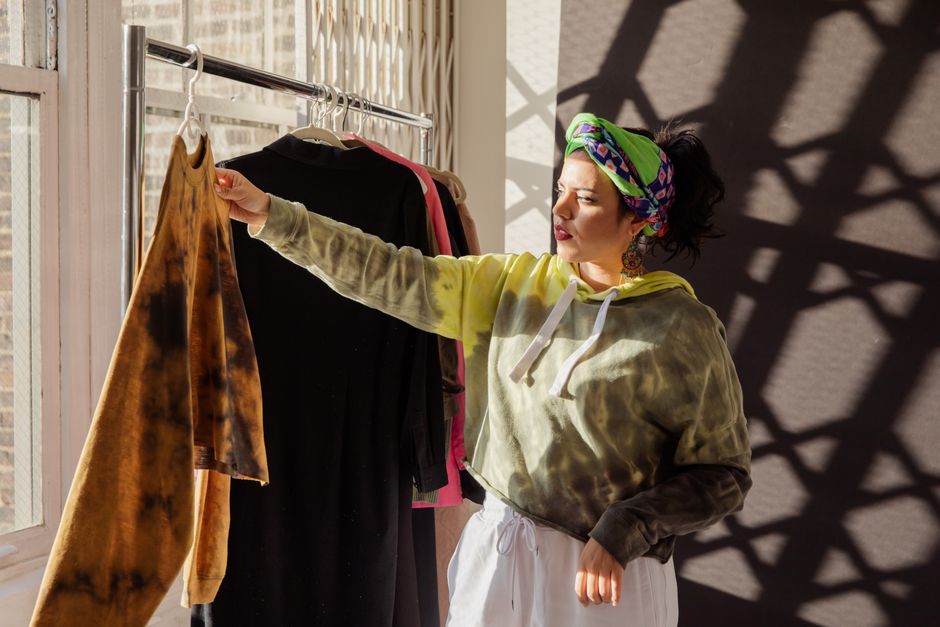
Women can build a versatile wardrobe on a realistic budget by prioritizing quality over quantity, investing in timeless pieces made from sustainable fabrics, and carefully planning purchases. Focus on core essentials that mix and match easily for different occasions, such as classic trousers, versatile tops, and a well-fitting blazer. Shopping second-hand, supporting local artisans, and utilizing sales for durable items can significantly reduce costs while maintaining ethical standards. This approach creates a foundational wardrobe that adapts to various needs, from professional settings in London to casual weekend trips in Berlin, without constant expenditure.
For many women, the idea of a ‘sustainable wardrobe’ often conjures images of expensive organic cotton or complicated ethical sourcing charts. In practice, however, it’s far more accessible and, ultimately, more rewarding than simply chasing fast fashion trends. It’s about making thoughtful choices that lead to a collection of clothes you genuinely love, that last, and that align with your values.
Building a truly functional and beautiful wardrobe requires a shift in mindset, moving away from impulse buys and towards intentional investments. This guide offers a pragmatic roadmap to help you navigate the world of women’s fashion advice sustainable women’s wardrobe essentials, ensuring your closet is both chic and environmentally conscious.
We’ll explore how to identify key pieces, understand sustainable materials, and make purchasing decisions that stand the test of time and changing trends, whether you’re dressing for a power meeting in New York or exploring the charming streets of Paris.
Understanding the Core of Sustainable Fashion for Women
Before diving into specific items, it’s crucial to grasp what ‘sustainable fashion’ truly means for your wardrobe. It’s not just about natural fibers; it encompasses the entire lifecycle of a garment. This includes ethical labor practices, minimal environmental impact during production (reduced water use, less pollution), and durability that extends the garment’s life, minimizing waste. For most readers, this means looking for transparency from brands, understanding common sustainable fabrics, and thinking about how long an item will truly serve them.
A common mistake is assuming sustainability equals a limited aesthetic. On the contrary, by focusing on quality and classic designs, you use a versatile style that adapts to different settings – from a busy professional workday in Milan to a relaxed holiday in the south of France. It’s about creating a harmonious collection that works hard for you.
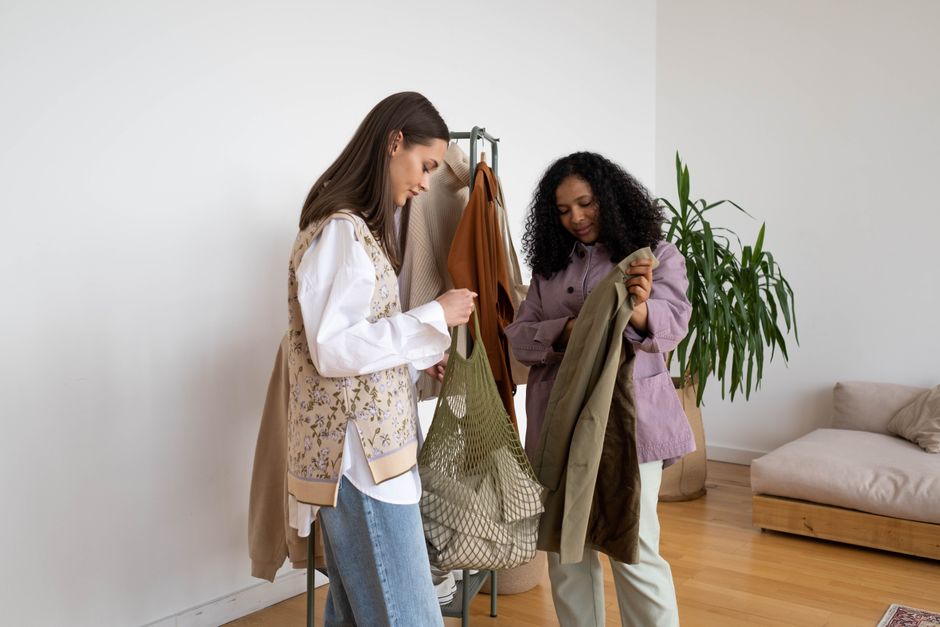
When we talk about sustainable women’s wardrobe essentials, we’re talking about pieces that are seasonless, versatile, and built to last. Think beyond trends and towards foundational garments that can be dressed up or down, layered, and mixed with other items to create numerous outfits. This approach not only saves money in the long run but also drastically reduces your fashion footprint.
Your Step-by-Step Shopping Checklist for Sustainable Wardrobe Essentials
Building a truly sustainable and versatile wardrobe requires a strategic approach. Here’s a checklist, broken down into key categories, to help you make informed decisions:
1. Define Your Lifestyle Needs
Before any shopping, take stock of your daily life. Are you primarily office-bound, a frequent traveler, a student, or a busy parent? Your wardrobe should reflect your reality. For example, a professional working in London might prioritize tailored separates, while a student in Berlin might need more solid, casual options. Make a list of your most frequent activities and the type of clothing they demand. This foundational step is often overlooked but dictates the practicality of your entire wardrobe.
Affordable Outfits for Dinners and Events: A Step-by-Step Shopping Checklist
2. Invest in Quality, Sustainable Fabrics
The material choice is paramount for sustainable women’s wardrobe essentials. Look for natural fibers like organic cotton, linen, hemp, Tencel (lyocell), and recycled materials like recycled polyester. These often last longer and have a lower environmental impact than conventional synthetics. Prioritize durability; a well-made wool sweater will outlast five cheap acrylic ones. Brands increasingly specify their fabric sourcing and sustainability certifications, so do your research. For example, look for certifications like GOTS (Global Organic Textile Standard) for cotton.
3. The Foundational Tops: Versatility is Key
Your core tops should be highly versatile. Think classic t-shirts, long-sleeved tops, and button-down shirts in neutral colors (white, black, navy, grey, beige). Consider one or two high-quality blouses in a simple pattern or jewel tone that can transition from workwear to evening wear. Merino wool or Tencel blends are excellent for their breathability and temperature-regulating properties, making them ideal for travel outfits where packing light is essential.
4. Bottoms Up: Smart & Durable Choices
For trousers, consider a well-fitting pair of black or navy tailored trousers suitable for work or formal occasions. A comfortable yet stylish pair of jeans (perhaps made with recycled denim or from a brand with ethical water usage practices) is essential. For warmer climates or summer in Paris, linen trousers or a versatile skirt (A-line or pencil) can be invaluable. The goal here is longevity and adaptability across various settings.
5. The Power of Outerwear and Layering Pieces
A well-chosen jacket or coat can transform an outfit and provide necessary warmth. A classic trench coat is a timeless piece suitable for almost any climate, from the rainy streets of London to a cool evening in New York. A versatile blazer in a neutral color (black, navy, or camel) is a core workwear item that also elevates casual outfits. For colder regions, a quality wool coat or a durable, responsibly sourced puffer jacket is a worthwhile investment. Cardigans and light sweaters are also crucial for layering.
6. Dresses and Skirts: Effortless Elegance
Even for those who primarily wear trousers, one or two versatile dresses can be invaluable. A classic black dress can be dressed up or down for numerous occasions. A simple midi-skirt in a solid color or subtle pattern offers similar versatility. Look for styles that are comfortable and made from breathable, natural fabrics for ease of wear, especially important when considering travel outfits for diverse climates.
7. Footwear & Accessories: The Finishing Touches
Three essential pairs of shoes often suffice for most needs: comfortable, stylish everyday flats or sneakers (consider sustainable brands), versatile heels or ankle boots for dressier occasions, and a smart pair of loafers or brogues for work. Accessories like a quality handbag (perhaps from a brand using vegan leather or recycled materials), a few scarves, and timeless jewelry can personalize and refresh outfits without needing a whole new wardrobe.
Comparing Shopping Approaches for Sustainable Fashion
Building a sustainable wardrobe doesn’t mean you’re limited to one way of shopping. Here’s a comparison of common approaches:
| Approach | Pros | Cons | Best For |
|---|---|---|---|
| New Ethical Brands | High transparency, innovative sustainable materials, direct support for ethical practices. | Can be higher initial cost, fewer options for specific styles. | Investing in core, long-lasting pieces; supporting industry innovation. |
| Second-hand/Thrift | Extremely affordable, prevents waste, unique finds, often high-quality vintage items. | Requires time and patience to search, sizes/styles can be limited. | Budget-conscious buyers, unique items, reducing environmental impact. |
| Capsule Wardrobe Planning | Maximizes versatility, minimizes impulse buys, reduces overall consumption. | Requires upfront planning and discipline, may feel restrictive initially. | Streamlining wardrobe, travel outfits, maximizing existing items. |
| Renting/Swapping Clothes | Access to luxury items for specific events, reduces individual ownership, broadens style options. | Not suitable for everyday essentials, recurring costs, availability. | Special occasions, experimenting with trends, reducing consumption. |
Each approach has its merits, and a blended strategy often works best. For instance, you might buy new, ethically produced basics and then fill in unique pieces or occasional items from second-hand shops or through clothing swaps. Many European cities, like Berlin and Madrid, have vibrant second-hand markets, while online platforms cater to broader audiences across the US and UK.
Comfortable Clothes for Long Travel Days: Realistic Outfit Ideas for Different Budgets
Common Mistakes to Avoid When Building Your Sustainable Wardrobe
Even with the best intentions, it’s easy to stumble when transitioning to a more sustainable wardrobe. Being aware of these common pitfalls can help you navigate the process more smoothly.
One frequent mistake is trying to overhaul your entire wardrobe at once. This can be overwhelming and expensive. Instead, adopt a gradual approach. As items wear out, replace them with sustainable alternatives. This allows you to learn what works for you and spread the cost over time, making it much more realistic for those on a budget.
Another pitfall is falling for ‘greenwashing.’ Many brands use eco-friendly language without genuine commitment. Always look for specific certifications (like GOTS for organic textiles, Fair Trade for ethical labor) and transparent information about their supply chains. Don’t just trust buzzwords; verify the claims, especially when dealing with new brands claiming to offer sustainable women’s wardrobe essentials at suspiciously low prices.
Finally, neglecting maintenance is a major error. Even the most sustainable garment won’t last if it’s not cared for properly. Read washing labels, mend small tears promptly, and store clothes correctly. Extending the life of your existing garments is perhaps the most sustainable act you can take. A beautiful wool jumper, for instance, deserves proper storage and gentle washing to last for years, defying the cycle of fast fashion.
FAQ: Sustainable Women’s Wardrobe Essentials
What are the key benefits of a sustainable wardrobe for women?
A sustainable wardrobe offers numerous benefits, including reduced environmental impact through less waste and pollution, improved ethical conditions for garment workers, and often higher quality garments that last longer. For the individual, it leads to a more curated, versatile wardrobe, saving money long-term and fostering a conscious connection with one’s clothing choices.
How can I start building a capsule wardrobe with sustainable pieces?
Begin by decluttering your current wardrobe and identifying your core style. Then, create a list of essential, versatile items in neutral colors that can be mixed and matched for different occasions. Prioritize investing in a few high-quality, sustainably made basics (like a classic white shirt or tailored trousers) over many trendy, fast-fashion items. Gradually add sustainable pieces as needed.
Are sustainable fashion items always more expensive?
While the initial cost of sustainable fashion can sometimes be higher due to ethical production and quality materials, this isn’t always the case. Shopping second-hand, utilizing sales, and focusing on cost-per-wear can make sustainable choices budget-friendly. The durability of sustainable items often means fewer replacements, saving money in the long run compared to continually buying cheaper, less durable alternatives.
What are some easy ways to make my current wardrobe more sustainable?
You don’t need to buy all new items. Start by caring for your existing clothes better (mending, proper washing). Consider swapping clothes with friends or utilizing local repair services. When you do buy new, choose ethical brands, second-hand items, or rent for special occasions. These small shifts significantly contribute to a more sustainable approach to women’s fashion advice sustainable women’s wardrobe essentials.
How do I identify genuinely sustainable brands?
Look for brands that are transparent about their supply chain, labor practices, and materials. Check for certifications like GOTS (Global Organic Textile Standard), Fair Trade, or B Corp status. Be wary of vague claims like ‘eco-friendly’ without specific details. Many brands now provide detailed sustainability reports or dedicated pages on their websites, particularly those operating in markets like Germany and the UK where consumer demand for transparency is high.
Building a sustainable women’s wardrobe is an ongoing journey, not a destination. It’s about thoughtful choices, understanding impact, and investing in pieces that bring you joy and serve you well. By following this step-by-step checklist, you’re well on your way to a wardrobe that’s both stylishly enduring and consciously created. Explore more women’s guides on AtTheFashion.




Leave feedback about this