

When you’re constantly on the go, whether that’s commuting to an office in London, catching a Ryanair flight across Europe, or navigating the bustling streets of New York, your bag isn’t just an accessory—it’s an essential tool. It needs to hold your laptop, protect your valuables, and stand up to daily wear and tear. The decision between vegan leather and real leather bags, particularly when seeking the best bags for travel and work, is a nuanced one that impacts everything from how comfortable your carry-on feels to how long your laptop bag lasts.
Many find themselves weighing the ethical considerations of vegan options against the traditional robustness of genuine hide. A common mistake is to assume all ‘vegan leather’ offers the same performance or that real leather is always superior. In practice, the quality spectrum within both categories is vast, and a poorly made real leather bag can underperform a high-quality vegan alternative, and vice versa. Understanding these differences is crucial for making an informed choice that suits your lifestyle, budget, and values.
This guide aims to cut through the marketing jargon, providing practical insights into comfort, durability, and security, helping you pinpoint the best bags for travel and work, regardless of your destination or daily demands. From stringent TSA regulations at the airport to protecting your passport from pickpockets in Paris, we’ll equip you with the knowledge to choose wisely.
Understanding the Basics: Vegan vs. Real Leather Bags
Before we dive into the specifics, here’s a quick overview of what generally distinguishes these two materials when you’re looking for the best bags for travel and work:
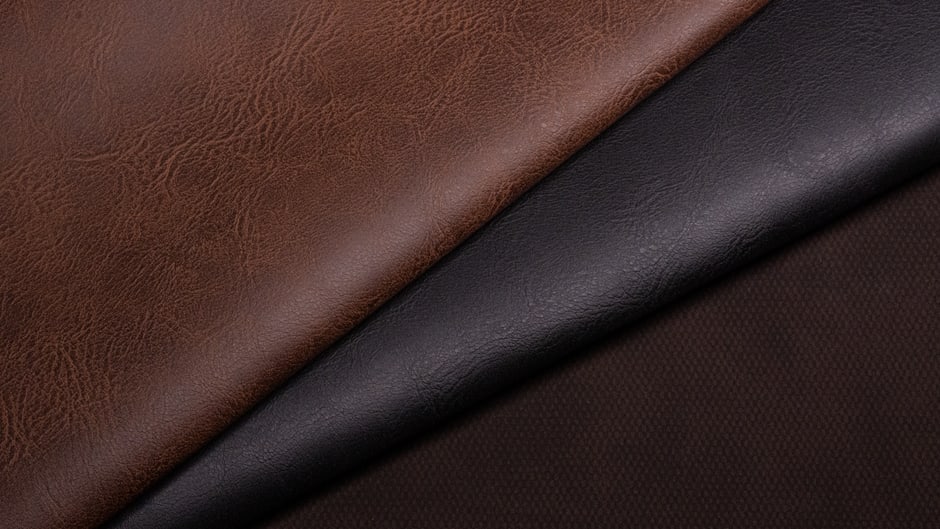
- Real Leather: Made from animal hides, typically cow, sheep, or goat. Known for its natural elasticity, breathability, and ability to develop a unique patina over time.
- Vegan Leather: A broad term for materials not derived from animals. Historically PVC or PU plastic, but increasingly includes innovative plant-based options like pineapple leaves, mushroom, or apple peel.
- Comfort: Real leather often molds to the wearer and is breathable. Vegan options can be lighter but may feel less ‘natural’ against the body depending on the quality.
- Durability: High-quality real leather can last decades. Vegan leather’s durability varies widely; some modern plant-based options are very strong, while cheaper plastics can crack over time.
- Security: Material type itself doesn’t inherently make a bag more secure; it’s the design (e.g., anti-theft zippers, RFID pockets) that matters most, though thick leather can be harder to cut through.
- Maintenance: Real leather requires specific conditioning. Many vegan leathers are simply wipe-clean, making them lower maintenance for spills.
- Environmental Impact: Both have environmental footprints. Tanning real leather can be chemical-intensive, while plastic-based vegan leathers contribute to microplastic pollution. Bio-based vegan leathers offer a more sustainable alternative.
- Cost: Real leather bags, especially full-grain, tend to be more expensive upfront. Vegan leather offers more accessible price points, though premium plant-based options can rival real leather costs.
Comfort: Carrying Your Essentials Day In, Day Out
Comfort is paramount when your bag is your constant companion, whether it’s a crossbody bag for sightseeing or a laptop bag for daily commutes. The best bags for travel and work need to feel good, even when fully loaded.
Real Leather: Breathability and Suppleness
Real leather, particularly higher grades like full-grain or top-grain, offers a natural breathability that synthetic materials often lack. This can be a significant advantage, especially if you’re carrying a backpack or shoulder bag for extended periods, perhaps walking through the heat of Rome or rushing to catch a train in Paris. The material allows air circulation, reducing sweat build-up against your body. Over time, real leather also softens and molds to your body shape, creating a custom-fit feel. Think of a well-worn leather satchel that feels like an extension of yourself.
Vegan Leather: Weight and Rigidity
Many vegan leather alternatives, especially those made from PU (polyurethane), are inherently lighter than real leather. This reduced weight can be a blessing for travelers mindful of airline weight restrictions, such as those imposed by easyJet or Ryanair on carry-on bags. However, some lower-quality vegan leathers can be quite rigid initially, lacking the suppleness of real leather. They may not ‘break in’ in the same way, potentially leading to discomfort at pressure points on your shoulders or back. Modern bio-based vegan leathers, however, are increasingly designed to mimic the drape and feel of real leather, offering a softer, more flexible experience.
Durability: Built to Last or Built to Replace?
For items like laptop bags or carry-on luggage, durability isn’t just a preference—it’s a necessity. You need your bag to withstand the rigors of travel, from being stowed under seats to being jostled in airport security lines at major hubs like Frankfurt or Madrid. When investing in the best bags for travel and work, longevity is a key factor.
The Enduring Strength of Real Leather
High-quality real leather is renowned for its exceptional durability. Full-grain leather, for instance, retains the entire grain layer, making it incredibly strong and resistant to punctures and tears. With proper care, a real leather bag can last for decades, often looking better with age as it develops a rich patina. It’s resilient against abrasion and can handle significant stress. For professionals needing a reliable laptop bag or frequent flyers needing a solid carry-on, real leather often represents a sound long-term investment. However, it’s susceptible to water damage and needs occasional conditioning to prevent drying and cracking.
Carry-On Bags for a Seven-Day Holiday: Budget-Friendly Choices for US and European Buyers
Vegan Leather: A Spectrum of Stamina
The durability of vegan leather varies dramatically. Cheaper PVC (polyvinyl chloride) options can be quite stiff and prone to cracking or peeling, especially at stress points like handles and seams, after relatively short periods of use. PU (polyurethane) is generally more flexible and durable than PVC, offering a better mid-range option. The real game-changers in vegan leather durability are the innovative plant-based materials. For example, ‘Pinatex’ (made from pineapple leaf fibres) and mushroom leather are engineered for strength and flexibility, offering resistance to scuffs and tears that rival genuine leather. When choosing vegan, researching the specific type of material and brand reputation is vital for assessing long-term durability. For instance, a quality vegan laptop bag might feature reinforced stitching and durable hardware, regardless of the ‘leather’ type.
Security: Protecting Your Valuables on the Move
Whether you’re carrying sensitive documents, a laptop, or your passport and wallet, security is non-negotiable. The best bags for travel and work often incorporate specific features to deter theft. The material itself plays a role, but often it’s the design that makes the biggest difference.
Material as a Deterrent
Thick, solid real leather can be more difficult to cut through quickly compared to thinner synthetic materials, offering a minor physical deterrent against slash-and-grab attempts. However, no material is truly impenetrable if a thief is determined. The main security advantages come from the bag’s construction. For example, an anti-theft bag might feature reinforced straps, hidden zippers, or a wire mesh lining – all features that can be integrated into both real and vegan leather designs.
Design and Features for Enhanced Security
When selecting the best bags for travel and work with security in mind, focus on these design elements:
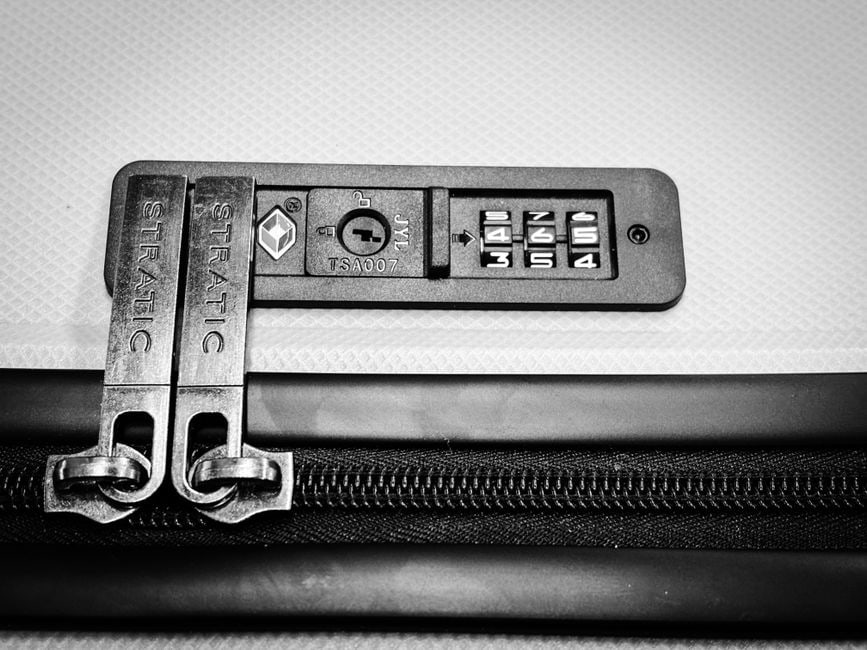
- Lockable Zippers: Look for zippers that can be secured with small travel locks, especially for main compartments. This is particularly useful for carry-on bags when overhead storage is out of sight.
- RFID Blocking Pockets: Essential for protecting your passport and credit cards from electronic skimming. Many modern bags, irrespective of material, now include these.
- Hidden Pockets: Internal or back-panel pockets for valuables provide discreet storage, helpful when navigating crowded areas like train stations in Berlin or Rome.
- Cut-Resistant Straps: Some anti-theft crossbody bags and backpacks incorporate steel cables or durable polymers within their straps to prevent them from being cut.
- Secure Closures: Flap closures with buckles or magnetic snaps can add an extra layer of protection over zippers.
Ultimately, a high-quality vegan leather backpack with well-designed anti-theft features will be far more secure than a real leather bag with easily accessible, non-lockable zippers. Always prioritize the bag’s integrated security features over the material type alone.
Maintenance and Environmental Considerations
Beyond comfort, durability, and security, how easy a bag is to care for and its broader impact are increasingly important factors for many buyers.
Real Leather: Care and Environmental Footprint
Real leather requires specific care to maintain its appearance and longevity. This includes regular cleaning, conditioning to prevent drying, and protecting it from excessive moisture. While a well-maintained real leather bag can last a lifetime, the environmental impact of traditional leather production is significant, involving extensive water use, chemical-intensive tanning processes, and greenhouse gas emissions from livestock. Sourcing leather from tanneries with strong environmental certifications (e.g., Leather Working Group) can mitigate some of these concerns.
Vegan Leather: Ease of Care and Evolving Sustainability
Most common vegan leathers, especially PU, are very easy to maintain—a simple wipe with a damp cloth often suffices for spills and dirt. This makes them practical for daily use and travel where quick clean-ups are necessary. Environmentally, the picture is more complex. While animal welfare is addressed, conventional plastic-based vegan leathers contribute to fossil fuel dependency and can be slow to degrade, leading to microplastic pollution. However, the rise of innovative bio-based vegan leathers (e.g., made from cactus, apples, grapes, or mycelium) offers genuinely more sustainable options, often biodegradable and produced with fewer harmful chemicals. These advancements are rapidly shifting the perception of vegan leather from merely a cruelty-free choice to an environmentally progressive one.
Crossbody Bags for Safe City Travel: A Practical Size and Features Checklist
FAQ: Choosing Your Ideal Bag
What makes a bag ideal for both work and travel?
An ideal work and travel bag combines practical organization, comfortable wear, and solid durability. Look for dedicated laptop compartments, multiple pockets for essentials, comfortable straps for long journeys or commutes, and materials that can withstand frequent use. For travel, airline-compliant dimensions and anti-theft features are also crucial.
Are vegan leather bags always more sustainable than real leather?
Not always. While vegan leather avoids animal cruelty, its sustainability depends heavily on the material. Plastic-based vegan leathers (PVC, PU) have significant environmental footprints related to fossil fuel extraction and non-biodegradability. Newer plant-based vegan leathers (e.g., from apples, mushrooms, or cactus) often offer a much more sustainable alternative, being more biodegradable and using fewer resources.
How do I choose the right bag for work and travel?
To choose the right bag for work and travel, assess your specific needs: Do you prioritize lightweight ease for flying easyJet, or rugged durability for daily office carry? Consider the items you carry (laptop size, number of documents), the climate you’ll be in, and your personal style. Test the bag for comfort when loaded, paying attention to strap padding and weight distribution.
Can I use a real leather bag as a carry-on for airlines like Ryanair or easyJet?
Yes, you can use a real leather bag as a carry-on, provided it meets the airline’s specific size and weight restrictions. Real leather bags can be heavier than their vegan counterparts, so always check the bag’s empty weight against your airline’s limits to ensure you have enough allowance for your belongings. For instance, Ryanair often has strict size and weight limits.
What anti-theft features should I prioritize in my bag?
Prioritize lockable zippers on main compartments, RFID-blocking pockets for passports and cards, and internal hidden pockets for valuables. If you travel to high-risk areas, consider bags with slash-resistant materials or straps. Always ensure these features are integrated discreetly and don’t compromise the bag’s functionality or comfort.
Key Takeaways for Your Next Bag Purchase
Choosing between vegan leather and real leather for the best bags for travel and work is less about a universally ‘better’ material and more about aligning the bag’s attributes with your individual needs and values. Real leather excels in long-term durability, breathability, and developing a unique character over time, making it a classic investment for those who appreciate natural materials and are prepared for maintenance.
Conversely, vegan leather offers a cruelty-free, often lighter, and increasingly sophisticated alternative. Modern plant-based options are rapidly closing the gap in durability and feel, while PVC and PU remain popular for their affordability and easy maintenance. For students navigating university campuses in Poland or professionals on a quick trip to Germany, the lower weight of some vegan options can be a distinct advantage.
Ultimately, whether you opt for genuine hide or a plant-based innovation, the bag’s design, construction quality, and integrated features like anti-theft measures will dictate its performance and longevity as much as, if not more than, the primary material itself. Evaluate your lifestyle, consider your ethical stance, and prioritize the features that truly matter for your journeys, whether they take you across the city or across continents.
Explore more bags guides on AtTheFashion to find the perfect companion for your adventures.



Leave feedback about this