


Choosing the right bag for work and travel involves weighing several factors, primarily durability, weight, maintenance, aesthetic, and ethical considerations. Vegan leather bags often offer a more lightweight, water-resistant, and cruelty-free option, which can be ideal for active travel or daily commuting in varied weather. Real leather, on the other hand, is known for its classic look, long-term durability with proper care, and ability to develop a unique patina. The ‘best’ choice ultimately depends on your specific needs: whether you prioritize animal welfare, a specific aesthetic, or maximum resilience against heavy use for the best bags for travel and work.
When you’re searching for the ideal companion for your daily commute or next overseas adventure, the sheer volume of choices can be overwhelming. From sleek laptop bags for the bustling streets of London or New York to durable carry-on bags perfect for navigating Ryanair or easyJet restrictions, finding a bag that meets all your criteria is a challenge. A central decision many face revolves around material: should you opt for the classic appeal and proven resilience of real leather, or embrace the innovative, often more ethical, world of vegan leather?
This isn’t just a style choice; it’s a practical one that impacts your bag’s longevity, maintenance, and how it performs under different conditions. Whether you’re a student shuttling books and a laptop, a professional needing a reliable briefcase, or a frequent traveler planning trips across Europe, understanding the nuances between these materials is crucial. Your bag isn’t just an accessory; it’s a tool that carries your essentials, protects your valuables, and often, reflects your personal values.
We’ll dive deep into the practicalities of both options, helping you make an informed decision on the best bags for travel and work, ensuring your next purchase serves you well for years to come, whether you’re catching a train in Paris or breezing through TSA at a US airport.

Quick Comparison: Vegan vs. Real Leather for Travel and Work
- Durability: Real leather generally offers superior long-term durability and resistance to abrasion, while vegan leather’s lifespan can vary widely depending on quality.
- Weight: Vegan leather is often lighter than real leather, making it a good choice for carry-on bags or lengthy commutes.
- Water Resistance: Many vegan leathers are inherently more water-resistant or waterproof, a boon for unpredictable weather. Real leather needs treatments to achieve similar protection.
- Maintenance: Vegan leather typically requires less specific care; a wipe-down is often sufficient. Real leather needs conditioning and protection to prevent drying and cracking.
- Cost: High-quality vegan leather can be comparable in price to mid-range real leather, but more affordable options are abundant. Genuine leather typically commands a higher price point.
- Aesthetics: Real leather develops a unique patina over time. Vegan leather offers a consistent look, with advancements making it increasingly difficult to distinguish from genuine leather.
- Ethics & Sustainability: Vegan leather offers an animal-free alternative. Its environmental footprint, however, depends heavily on the specific materials and manufacturing processes used.
Durability and Longevity: What Really Lasts?
When investing in the best bags for travel and work, durability is paramount. You need a bag that can withstand daily wear and tear, whether it’s being shoved under an airplane seat or bumped on a crowded metro in Berlin. This is where the core differences between vegan and real leather often become most apparent.
The Proven Strength of Real Leather
Real leather, particularly full-grain or top-grain, is renowned for its strength and resilience. It’s a natural material that, with proper care, can last decades, often improving with age by developing a rich patina. Think of a vintage satchel or a well-used briefcase; they tell a story. This material resists punctures and tears remarkably well, making it excellent for heavy-duty use. However, real leather isn’t impervious to everything. It can be susceptible to water damage if not treated, and prolonged sun exposure can cause it to dry out and crack.
Vegan Leather: A Spectrum of Durability
The term ‘vegan leather’ encompasses a broad range of materials, from PVC-based plastics to innovative plant-based alternatives like Pinatex (made from pineapple leaves) or mushroom leather. Consequently, the durability varies significantly. Older, cheaper PVC vegan leathers often crack and peel over time, especially at stress points like straps or corners. However, newer, higher-quality polyurethane (PU) leathers and bio-based options offer impressive durability, resisting scratches and scuffs better than some traditional leathers. For instance, a well-made vegan laptop bag might resist a spilled coffee better than an untreated real leather one.
Weight and Portability: Lightening Your Load
For travelers and commuters alike, the weight of your bag can significantly impact your comfort. Airlines like Ryanair and easyJet are increasingly strict about carry-on weight limits, making every gram count. Similarly, lugging a heavy bag through New York Penn Station or London Victoria can quickly become tiresome.
Real Leather: Often Heavier, but Sturdy
Generally, real leather is a heavier material. While this contributes to its substantial feel and perceived quality, it can add noticeable weight to your bag, even before you’ve packed it. A large real leather carry-on bag, for instance, might eat into your precious luggage allowance. For daily use, a real leather crossbody bag or anti-theft bag can feel heavier on your shoulder after a long day.
The Ultimate Guide to Shopping on eBags: Tips and Tricks for a Seamless Experience
Vegan Leather: The Lightweight Advantage
Many vegan leather alternatives are significantly lighter than real leather. This makes them an excellent choice for carry-on bags, where minimizing weight is key, or for laptop bags that are already carrying heavy electronics. For students carrying textbooks or professionals commuting long distances, a lighter vegan leather bag can make a substantial difference in daily comfort. This is a crucial factor when considering the best bags for travel and work, especially for longer journeys.
Maintenance and Weather Resistance: Practicalities of Everyday Use
Life happens, and your bag needs to be ready for it. From unexpected rain showers in Paris to a hurried coffee spill in a bustling office, how your bag withstands and recovers from daily mishaps is vital.
Real Leather: Requires Care
Real leather is a porous material. While it can be incredibly durable, it needs attention. Regular conditioning helps keep it supple and prevents drying and cracking. Water, if not quickly wiped away, can stain or warp real leather. For example, a real leather work bag caught in heavy rain without protection might develop water spots or even stiffen. Products like beeswax or waterproofing sprays can offer protection, but they require periodic application.
Vegan Leather: Often Low-Maintenance and Water-Friendly
Many types of vegan leather, particularly PU and PVC, are inherently water-resistant or even waterproof. This makes them incredibly practical for commuting or travel in unpredictable climates. Spills can often be simply wiped clean, and rain won’t penetrate the material as easily, protecting your laptop and documents. While some high-quality vegan leathers might benefit from occasional cleaning products designed for synthetic materials, they generally demand far less specialized care than real leather. For this reason, many find vegan bags to be the best bags for travel and work, offering peace of mind in varied conditions.
Aesthetics and Ethics: Style with a Conscience
Beyond the practicalities, the look and feel of your bag, along with its ethical footprint, play a significant role in your choice. The decision between vegan leather and real leather often boils down to personal values as much as practical needs.
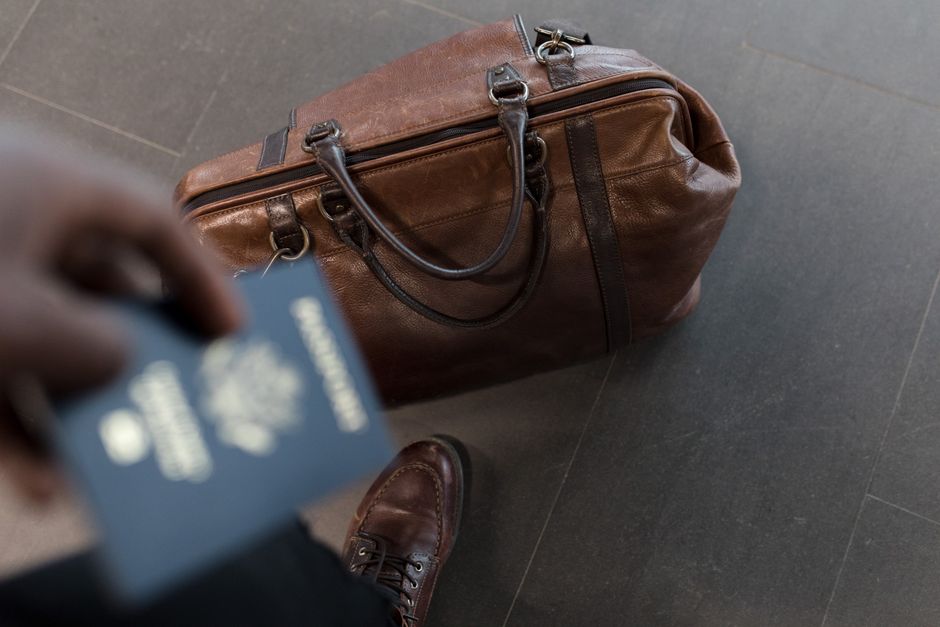
Real Leather: Classic Appeal and Unique Patina
Real leather has a timeless appeal. Its natural grain, unique imperfections, and the way it ages – developing a ‘patina’ – are often seen as desirable characteristics. A real leather briefcase or a finely crafted crossbody bag can exude a sense of tradition and luxury. However, the ethical implications of animal farming and tanning processes (which can be chemical-intensive) are significant concerns for many consumers. Sourcing ethical, vegetable-tanned leather can mitigate some of these issues, but it often comes at a higher price point.
Vegan Leather: Modern Variety and Ethical Promise
Vegan leather offers an enormous variety of textures, colors, and finishes. Modern manufacturing techniques mean that high-quality vegan leather can mimic the look and feel of genuine leather incredibly well, often without the need for animal products. Brands are increasingly innovating with bio-based materials, moving away from purely petroleum-derived plastics, which addresses some of the environmental concerns previously associated with synthetic leathers. For those prioritizing animal welfare, vegan leather is a clear choice. However, it’s important to look beyond just the ‘vegan’ label and consider the material’s overall environmental impact, as not all vegan leathers are created equal in terms of sustainability.
Cost and Value: An Investment Perspective
Price is always a factor, and when considering the best bags for travel and work, understanding the long-term value is more important than just the initial sticker price.
Real Leather: Higher Upfront, Potentially Longer-Term Value
Genuine leather products typically carry a higher initial cost. This reflects the raw material, the tanning process, and often, the craftsmanship involved. However, because real leather can last for many years, even decades, it can represent a better long-term investment. A high-quality real leather bag, properly cared for, might outlast several cheaper vegan leather alternatives, potentially offering greater value over its lifespan.
5 Essential Tips for Choosing the Perfect Man Bag: A Must-Read Guide!
Vegan Leather: Diverse Price Points, Evolving Value
The price range for vegan leather bags is vast. You can find very inexpensive options, but these are often made from lower-grade PVC that will quickly degrade. Higher-quality PU and innovative bio-based vegan leathers can be quite expensive, sometimes rivaling mid-range real leather. While these often boast impressive durability and aesthetics, their long-term lifespan, compared to well-maintained real leather, is still generally shorter. When evaluating vegan options, it’s crucial to consider the quality of the specific material and construction to ensure you’re getting true value, especially for an item like an anti-theft bag or a dedicated carry-on.
FAQ: Answering Your Bag Shopping Questions
How do I choose the right bag for work and travel?
Consider your daily essentials (laptop size, documents), typical commute length, and travel frequency. For heavy items or frequent use, prioritize durability and comfort. If weather resistance is key, especially for urban commutes in places like London or Paris, water-resistant materials are beneficial. For air travel, check airline size restrictions (e.g., Ryanair, easyJet) for carry-on bags. Finally, align your choice with your personal style and ethical preferences.
Are vegan leather bags durable enough for international travel?
Yes, many high-quality vegan leather bags are designed for durability and can withstand the rigors of international travel. Look for bags made with premium PU or innovative plant-based materials, which offer excellent resistance to scuffs and tears. Always check reviews specifically mentioning travel performance to ensure the bag meets solid standards for handling baggage systems and frequent handling.
What is the best type of real leather for a professional work bag?
For a professional work bag, full-grain or top-grain leather is typically considered the best. Full-grain is the most durable and develops the richest patina, while top-grain offers durability with a slightly more uniform finish. Both are excellent choices for laptop bags or briefcases, offering a sophisticated look and long-lasting performance suitable for office environments.
Do vegan leather bags require special cleaning?
Most vegan leather bags are relatively low-maintenance. For common dirt or spills, a damp cloth with mild soap is usually sufficient. Avoid harsh chemicals or abrasive cleaners, which can damage the material. For specific plant-based leathers, it’s always best to check the manufacturer’s care instructions, as some may have unique recommendations for optimal upkeep.
Are anti-theft features available in both vegan and real leather bags?
Absolutely. Anti-theft bags are available in a wide range of materials, including both vegan and real leather. Features like RFID-blocking pockets, lockable zippers, and slash-resistant materials are common across various bag types. When looking for anti-theft bags, focus on the security features themselves rather than being limited by material choice; you’ll find secure options in both categories.
Key Takeaways: Making Your Informed Choice
The decision between vegan leather and real leather for your next bag, especially for the demanding roles of travel and work, is nuanced. There’s no single ‘best’ answer that applies to everyone, but rather a spectrum of considerations that align with individual priorities. For those prioritizing animal welfare and lightweight, low-maintenance options with good water resistance, high-quality vegan leather is an increasingly viable and stylish choice. The market for vegan bags has evolved dramatically, offering impressive aesthetics and practical features suitable for everything from a student’s backpack to a professional’s laptop case.
Conversely, if you value traditional craftsmanship, superior long-term durability with proper care, and the unique aging process of a natural material, real leather remains an excellent investment. Its classic appeal and solid nature have made it a staple for a reason. However, it requires a commitment to maintenance and often comes with a higher initial cost, alongside ethical considerations around its sourcing.
Ultimately, the best bags for travel and work, whether vegan or real leather, are those that reliably meet your practical needs, complement your lifestyle, and reflect your values. Consider your typical usage, the specific environments you’ll encounter—from the rainy streets of London to the sunny plazas of Rome—and what kind of care you’re willing to provide. With these insights, you’re well-equipped to choose a bag that will serve you well for years to come.
Ready to explore more options and guides? Explore more bags guides on AtTheFashion.

Leave feedback about this