


A shoe is comfortable for walking all day when it provides ample arch support, sufficient cushioning without being overly soft, a wide enough toe box to prevent compression, and a secure fit that prevents slipping or rubbing. For winter boots with grip for icy streets, comfort also hinges on proper insulation, a flexible yet supportive sole, and a grippy outsole designed for low temperatures. Prioritizing features like waterproof membranes and a comfortable footwear guide for winter boots with grip for icy streets ensures both safety and all-day wearability, whether you’re commuting in Chicago or exploring European cobblestones.
Picture this: a crisp winter morning in Paris, the sidewalks dusted with a treacherous film of ice, or perhaps a busy commute through the slushy streets of New York City. The difference between a confident stride and a painful, embarrassing slip often comes down to one thing: your footwear. Many of us have endured the sting of a poorly chosen boot – a blister here, a numb toe there, or worse, a nasty fall because the sole simply couldn’t handle the slick surface.
It’s a common oversight. We prioritize style, warmth, or even price, often forgetting that the most crucial element in winter is reliable grip and enduring comfort. This isn’t just about avoiding a tumble; it’s about making your winter days productive and pain-free, whether you’re navigating London’s historic lanes or the modern avenues of Berlin.
Choosing the right winter boots with grip for icy streets is a practical necessity, not a luxury. It impacts everything from your morning commute to a leisurely stroll through a snowy park. Let’s look at what truly makes a winter boot effective and comfortable.
The Unseen Hazards: Why Grip and Comfort Matter So Much
Winter brings beautiful scenery, but it also ushers in a unique set of challenges for pedestrians. Icy patches, packed snow, and slush aren’t just annoying; they’re significant slip hazards. A regular fashion boot, no matter how stylish, often lacks the engineered sole patterns and rubber compounds needed to maintain traction on these surfaces. The consequences can range from minor discomfort to serious injuries like sprains, fractures, or even head trauma.
Beyond safety, comfort is paramount. Long hours spent on your feet, whether for work, travel, or errands, can quickly turn miserable in ill-fitting or unsupportive boots. Think about traversing European cobblestones in Rome, or walking shoes for extended periods through the historic centers of Madrid. Without adequate arch support, cushioning, and a proper fit, even a short journey can become an ordeal. This is particularly true for travelers who spend entire days exploring, where good travel footwear is essential.
Selecting Your Winter Fortress: Essential Features for Grip and All-Day Comfort
When searching for a comfortable footwear guide for winter boots with grip for icy streets, focus on these key features:
1. Outsole Material and Tread Design
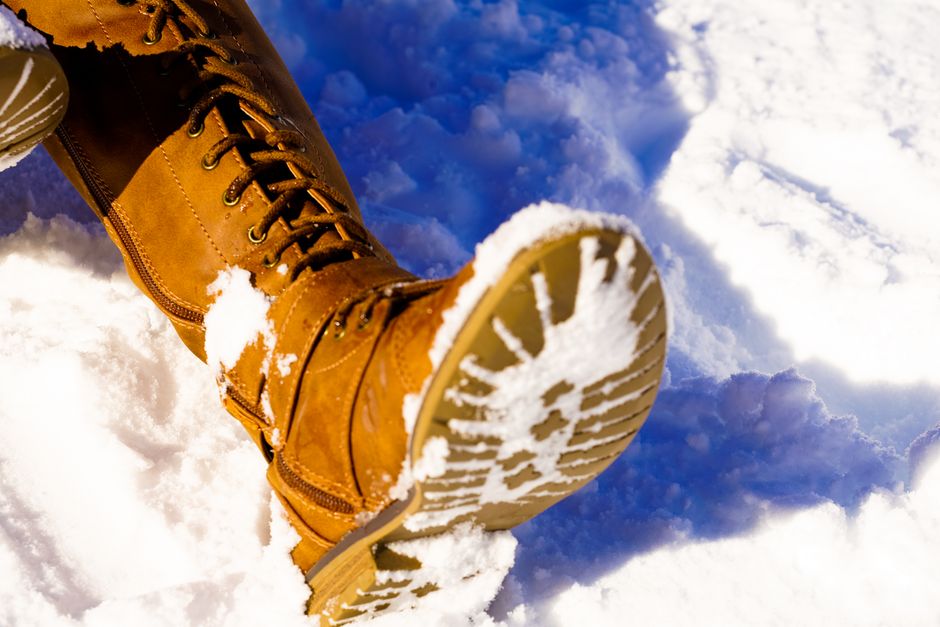
This is where the rubber meets the icy road. Look for outsoles made from specialized rubber compounds designed to remain flexible in cold temperatures, which helps maintain grip. The tread pattern should be aggressive, with multi-directional lugs and siping (small slits in the lugs) that mimic tire treads, channeling water and biting into ice and snow. Brands like Vibram Arctic Grip, often found on reputable walking shoes, are excellent examples.
2. Waterproofing and Breathability
Wet feet get cold feet, and cold feet are uncomfortable and prone to frostbite. Opt for boots with a waterproof membrane, such as Gore-Tex or similar proprietary technologies, that keeps moisture out while allowing vapor to escape, preventing sweat buildup. This is critical for cities like London or Seattle, known for their damp winters.
3. Insulation and Warmth Without Bulk
Good insulation (e.g., Thinsulate, PrimaLoft) is vital for warmth. The key is finding boots that offer adequate insulation without making them bulky or heavy, which can hinder walking comfort. Consider the typical temperatures you’ll encounter; a commute in Chicago demands more insulation than a mild winter day in Barcelona.
4. Arch Support and Cushioning
A truly comfortable boot will offer substantial arch support to prevent foot fatigue, especially crucial for walking all day. Look for removable insoles if you prefer custom orthotics. Cushioning should be responsive, absorbing impact without being so soft that it feels unstable or lacks support. This balance is key for any comfortable footwear guide.
5. Proper Fit: The Golden Rule
This can’t be stressed enough: fit is paramount. Your boot should feel snug but not tight, with enough room in the toe box for your toes to wiggle slightly. Try boots on with the type of socks you’ll typically wear. Pay attention to the heel – it shouldn’t slip excessively. A common mistake is buying boots too small or too large, leading to blisters, pressure points, or instability. Think of it like buying travel footwear for a multi-day trip; a poor shoe fit will ruin the experience.
6. Ankle Support and Stability
For uneven or icy terrain, good ankle support helps prevent twists and sprains. Mid-height or higher boots often provide better stability, especially if you’re navigating icy European cobblestones or snow-covered trails.
7. Weight and Flexibility
Heavy, stiff boots can quickly lead to fatigue. While you need sturdy construction, look for boots that feel reasonably lightweight and allow for natural foot flexion. This balance is crucial for comfort, particularly if you’re on your feet for hours.
Comparing Winter Boot Options for Icy Conditions
Different activities and climates call for different boot types. Here’s a quick overview:
| Boot Type | Pros for Icy Streets | Cons | Best Use Case |
|---|---|---|---|
| Technical Hiking Boots (Winterized) | Excellent grip, superior ankle support, often highly insulated and waterproof. | Can be bulky, less stylish for urban settings, heavier. | Extended outdoor activity, heavy snow/ice, rural travel. |
| Urban Commuter Boots | Good balance of grip and style, waterproof, decent insulation, comfortable for walking. | Grip might not match dedicated hiking boots, can be less insulated. | Daily city commutes (New York, Paris), general urban wear. |
| Insulated Snow Boots | Maximum warmth and waterproofing, very aggressive treads for deep snow/ice. | Often very bulky, less flexible, not ideal for extensive walking indoors. | Extreme cold, heavy snow, long periods outdoors in frigid conditions. |
| Waterproof Leather Boots (with winter sole) | Stylish, can be versatile, good for light snow/slush if sole is right. | Grip less reliable on black ice, less insulation than other types. | Fashion-conscious urbanites, mild winter days, light travel. |
Common Mistakes That Cause Pain and How to Avoid Them
Even with the best intentions, choosing winter boots can go awry. Here are typical missteps:
1. Prioritizing Style Over Function: This is perhaps the most frequent mistake. A sleek leather boot might look great, but if it has a flat, smooth sole, it’s a death trap on ice. Always check the sole first. A comfortable footwear guide emphasizes functional grip above all else for winter.
2. Ignoring the Toe Box: Many people choose boots that are too narrow or too shallow in the toe box. This compresses your toes, restricts blood flow, and can lead to bunions, hammertoes, or cold feet. Always ensure you have ample room for your toes to spread naturally, especially with thicker winter socks.
3. Skipping the Try-On: Buying boots online without trying them on can be a gamble, especially for winter footwear where fit is critical. If you must buy online, ensure there’s a generous return policy and consider trying on similar models in a physical store first.
Winter Boots with Grip for Icy Streets: The Comfort Features That Matter Most
4. Forgetting About Socks: The socks you wear make a huge difference to fit and warmth. Always try on boots with the type of thick wool or synthetic socks you intend to wear. Too thin, and the boot might feel loose; too thick, and it might be too tight.
5. Neglecting Break-In Time: Some boots, especially those made of sturdy leather, require a break-in period. Don’t plan a long walk through snowy Chicago right after buying a new pair. Wear them for short periods initially to allow them to conform to your feet.
6. Underestimating Waterproofing: Thinking ‘water-resistant’ is enough for winter is a recipe for cold, wet feet. True waterproofing is essential, particularly for dealing with slush and melting snow. Always look for a specific waterproof membrane.
FAQ: Your Winter Boot Questions Answered
What makes a boot truly slip-resistant on ice?
True slip-resistance on ice comes from specialized rubber compounds that remain soft and flexible in freezing temperatures, combined with an aggressive tread pattern. Look for multi-directional lugs and siping that bite into the ice, similar to winter tires. Features like Vibram Arctic Grip are designed specifically for this challenge.
Can I use regular hiking boots for icy streets?
While many hiking boots offer good traction on uneven terrain, their rubber compounds might stiffen in extreme cold, reducing grip on sheer ice. Unless they are specifically winterized with cold-weather-optimized outsoles, they might not offer the same level of safety as dedicated winter boots with grip for icy streets.
How do I know if a boot provides good arch support?
Good arch support means your foot feels adequately cradled, not flat or squished. When trying on boots, you should feel a gentle lift in the arch area. If the insole feels completely flat or your arch feels unsupported, it’s a sign that the boot might not be comfortable for walking all day, especially for long distances on European cobblestones.
Are heavier boots always warmer?
Not necessarily. Warmth comes primarily from effective insulation and a waterproof barrier, not just weight. Modern insulation technologies like Thinsulate or PrimaLoft can provide significant warmth without adding excessive bulk or weight, making for a more comfortable and agile boot.
How can I ensure the best shoe fit for winter boots?
Always try on boots at the end of the day when your feet are slightly swollen. Wear the thickest socks you plan to use. Ensure there’s a thumb’s width between your longest toe and the end of the boot, and that your heel doesn’t slip excessively. Walk around the store for a few minutes to gauge comfort and pressure points. A proper shoe fit is key to avoiding pain.
What’s the difference between waterproof and water-resistant?
Water-resistant footwear can repel light moisture for a short period, but it will eventually soak through. Waterproof boots, on the other hand, feature a sealed membrane (like Gore-Tex) that completely prevents water penetration, keeping your feet dry even in heavy rain, deep snow, or slush, which is crucial for winter boots with grip for icy streets.
Selecting the right winter boots with grip for icy streets is an investment in your safety, comfort, and well-being during the colder months. By focusing on outsole technology, waterproofing, insulation, and above all, a proper fit, you can avoid common mistakes that lead to pain and discomfort. Whether you’re commuting in New York, traveling through Germany, or exploring a snowy Poland, well-chosen footwear makes all the difference. Explore more footwear guides on AtTheFashion.






Leave feedback about this