

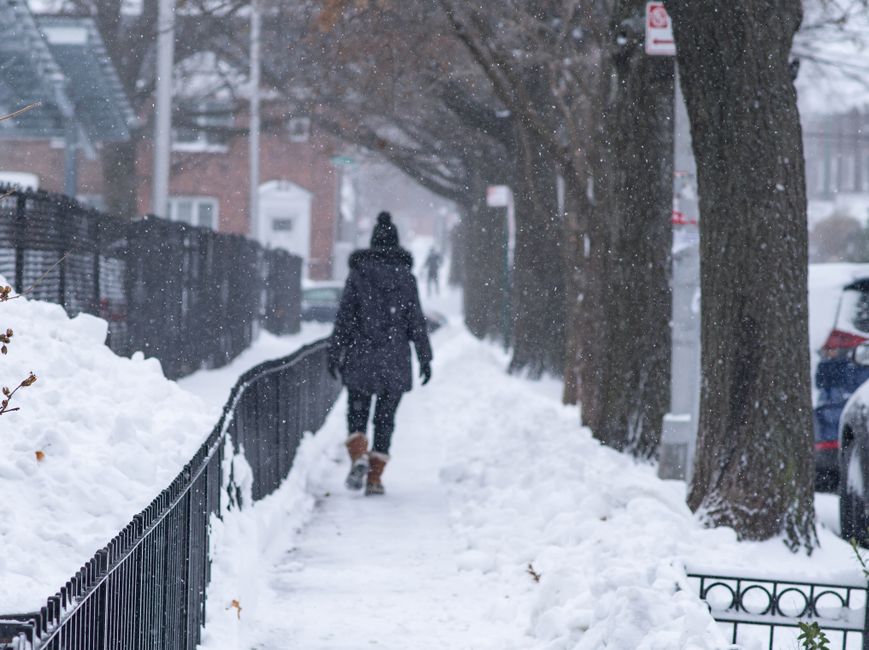
A shoe is comfortable for walking all day when it provides adequate cushioning, proper arch support, a secure yet non-restrictive fit, and breathability to manage moisture. For winter boots specifically, this means a warm, insulated lining, a flexible yet supportive upper, and a grippy outsole designed for various slippery surfaces. The ideal boot should feel like an extension of your foot, preventing rubbing, excessive pressure points, and fatigue, even after hours on your feet traversing icy streets or uneven terrain.
When winter arrives, bringing with it icy pavements and unpredictable conditions, the challenge isn’t just staying warm – it’s staying upright and comfortable. From the bustling avenues of New York City to the historic, often slick, cobblestones of London, Paris, or Rome, navigating winter means making smart footwear choices. A slip on an icy patch can ruin a day, or worse, lead to injury.
Many of us have experienced the frustration of boots that look good but fail on practical grounds: feet that freeze, toes that ache, or a constant fear of slipping. This isn’t just about harsh weather in places like Chicago; even milder winters across the US, UK, Germany, France, Italy, Spain, and Poland can present treacherous ice hidden beneath a dusting of snow. The key to conquering these conditions lies in a well-chosen pair of winter boots that prioritize both superior grip and lasting comfort.
This guide dives deep into what makes a truly comfortable footwear choice for winter, focusing on those essential features that provide a secure footing and keep your feet happy from morning commutes to evening strolls, ensuring your winter experience is stable and enjoyable.
Essential Features: Your Comfortable Footwear Guide to Winter Boots with Grip for Icy Streets
Choosing the right winter boots means looking beyond aesthetics. Here’s a quick overview of what truly matters for comfort and safety:
- Outsole Grip: Multi-directional lugs, specialized rubber compounds, and siping are crucial for traction on ice and snow.
- Waterproofing: Membranes like Gore-Tex or sealed seams keep feet dry from slush and puddles.
- Insulation: Thinsulate, wool, or fleece linings provide warmth without excessive bulk.
- Cushioning & Arch Support: Midsoles (EVA, PU) and removable insoles offer shock absorption and anatomical support.
- Fit: Room for thick socks, secure heel, and adequate toe box space prevent rubbing and allow circulation.
- Upper Material: Durable, flexible, and often treated leather or synthetic materials protect and support.
- Collar & Tongue: Padded components reduce pressure points and keep debris out.
- Weight & Flexibility: Lighter boots with natural flex reduce fatigue during extended wear.
The Science of Grip: Staying Upright on Slippery Surfaces
The primary concern for any winter boot designed for icy streets is its ability to provide reliable traction. This isn’t just about deep treads; it’s a combination of material science and intelligent design.
Outsole Compounds and Tread Patterns
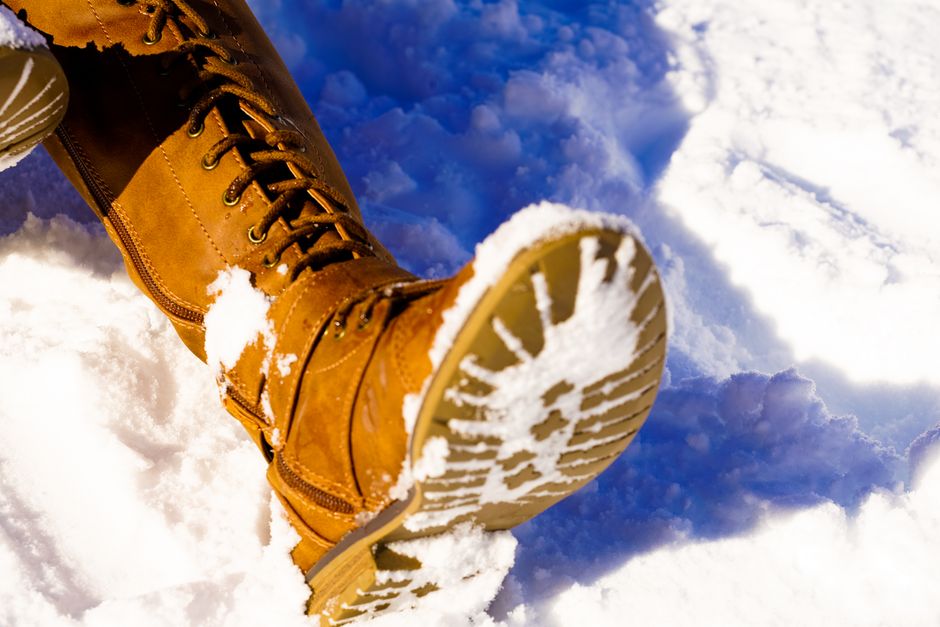
Look for outsoles made from specialized rubber compounds designed to remain flexible in freezing temperatures. Standard rubber can stiffen and become less effective when cold. Brands often highlight proprietary rubber blends engineered for ice. The tread pattern itself is equally vital. Multi-directional lugs, often varied in shape and depth, bite into snow, while siping (small, razor-thin cuts in the lugs) creates additional surface area, much like car tires, to displace water and grip slick ice. Some advanced boots even incorporate microscopic glass fibers or carbide studs for extreme conditions, though these might be overkill for daily city wear.
For instance, traversing the often-frozen canals of Amsterdam or the frosty riverside paths in Warsaw demands a boot with proven anti-slip technology, not just a chunky sole. Pay attention to reviews specifically mentioning ice performance.
Waterproofing and Insulation: Keeping Feet Dry and Warm
Cold, wet feet are not only uncomfortable but can quickly lead to more serious issues. Effective waterproofing and insulation are non-negotiable for comfortable footwear guide winter boots with grip for icy streets.
Winter Boots with Grip for Icy Streets: Budget-Friendly Options for US and European Shoppers
The Barrier Against Moisture
Waterproofing comes in various forms. The gold standard is often a waterproof, breathable membrane like Gore-Tex, which prevents water penetration from the outside while allowing moisture vapor (sweat) to escape. This is crucial for keeping feet dry and preventing clamminess. Alternatives include proprietary membranes from boot manufacturers or fully sealed seams on leather or synthetic uppers treated with water-repellent coatings. While some boots are merely water-resistant, true waterproof boots are essential for slushy conditions found in cities like Chicago or during unexpected snowfalls in Berlin.
The Warmth Factor
Insulation is measured in grams, with higher numbers indicating more warmth. For most urban winters, 200-400 grams of Thinsulate or a similar synthetic insulation is often sufficient. Natural materials like wool (especially Merino wool) or shearling offer excellent warmth-to-weight ratios and natural moisture-wicking properties. Consider where you’ll be wearing the boots: an insulated boot for a short commute in London will differ from one needed for extended outdoor activities in Quebec. Ensure the insulation extends through the entire boot, not just the shaft.
The Anatomy of Comfort: Cushioning, Support, and Fit
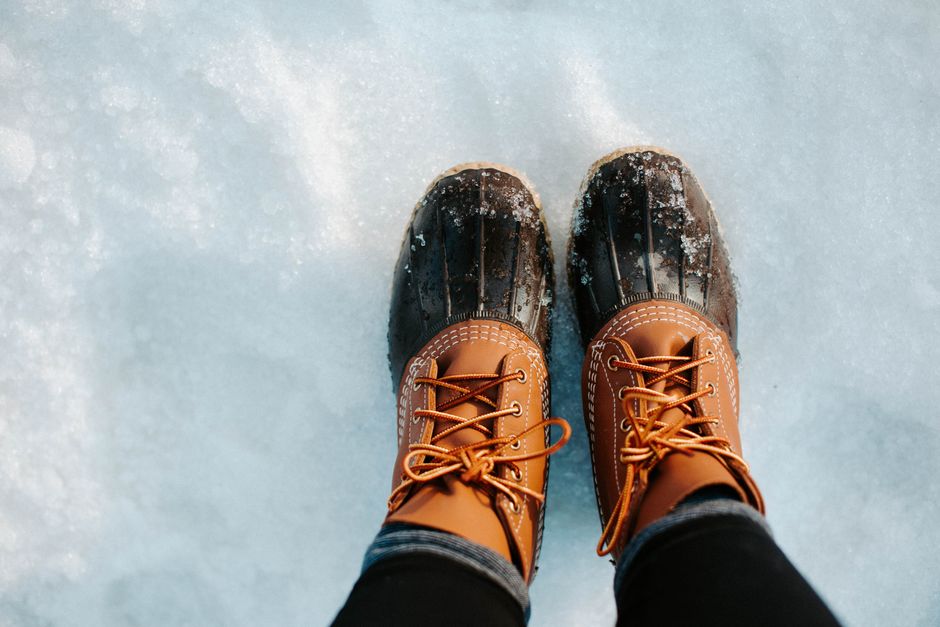
What makes a shoe comfortable for walking all day, especially in winter? It boils down to how well the boot supports and cradles your foot through every step.
Midsole and Insole Technology
The midsole is your primary shock absorber. Materials like EVA (ethylene-vinyl acetate) or PU (polyurethane) provide cushioning and rebound. EVA is lighter and softer, while PU is denser and more durable. A good insole (footbed) works in conjunction with the midsole to offer anatomical support, cushioning, and sometimes additional insulation. Many high-quality winter boots feature removable insoles, allowing you to insert custom orthotics if needed. This is particularly important for those spending long hours on their feet, perhaps navigating the extensive pedestrian zones of Rome or the underground stations of Paris.
The Importance of Proper Fit
A common mistake is buying winter boots too small, assuming they’ll stretch. Always ensure there’s enough room in the toe box for your toes to wiggle, even with thick winter socks. A snug, but not tight, fit around the heel prevents slippage and blisters. Lacing systems should allow for secure tightening without creating pressure points. When trying on boots, wear the type of socks you’d typically wear. Walk around the store for a few minutes to identify any immediate discomfort. Remember, a boot that feels slightly uncomfortable initially will likely become agonizing after an hour on your feet.
Upper Materials and Construction: Durability and Flexibility
The boot’s upper protects your foot and contributes significantly to its overall flexibility and longevity.
Leather vs. Synthetics
Full-grain leather is durable, molds to your foot over time, and offers a classic look. However, it requires maintenance to retain its waterproofing. Synthetic materials are often lighter, require less break-in, and can be inherently more water-resistant or waterproof when combined with membranes. Many high-performance boots use a combination of materials, such as a leather lower for durability and a synthetic upper for flexibility and weight savings. The construction, like Goodyear welting for example, can also indicate durability and the potential for resoling.
Collar and Tongue Design
A padded collar around the ankle provides comfort and helps seal out snow and debris. A gusseted tongue, which is attached to the boot along its sides, is essential for waterproofing and preventing snow from entering the boot. These seemingly minor details significantly impact overall comfort, especially when walking through deeper snow or for extended periods.
Best Walking Shoes for European City Travel: The Comfort Features That Matter Most
Weight and Flexibility: Reducing Fatigue
Heavy, stiff boots can quickly lead to fatigue, turning a pleasant walk into a chore. For comfortable footwear guide winter boots with grip for icy streets, balance is key.
The Trade-off Between Protection and Agility
While solid construction is important for grip and warmth, excessively heavy boots can make each step feel like a workout. Lighter boots, often achieved through advanced midsole materials and synthetic uppers, reduce energy expenditure. Similarly, a certain degree of flexibility in the sole and upper is vital for natural foot movement. A boot that’s too stiff restricts your gait, leading to discomfort and potentially affecting your balance on uneven terrain. Look for a boot that flexes naturally at the ball of your foot, allowing for a smooth transition from heel strike to toe-off.
Frequently Asked Questions About Winter Boot Comfort and Grip
What kind of sole has the best grip on ice?
Soles with specialized rubber compounds that remain flexible in cold temperatures, combined with multi-directional lugs and siping, offer the best grip on ice. Some advanced soles may also incorporate microscopic grit or studded elements for extreme icy conditions. Vibram Arctic Grip is a notable technology for superior ice traction.
How do I ensure my winter boots are truly waterproof?
Look for boots explicitly labeled as “waterproof” rather than just “water-resistant.” Check for a waterproof, breathable membrane (like Gore-Tex), fully sealed seams, and durable water-repellent (DWR) treatments on the upper material. A gusseted tongue also prevents water from entering through the laces.
Should winter boots be a size bigger?
Not necessarily a full size, but you do need enough room for thicker socks and to allow for natural foot swelling throughout the day. Ensure there’s about a thumb’s width between your longest toe and the end of the boot, and that your heel doesn’t slip excessively. Trying boots on with your intended socks is crucial.
How can I make my winter boots more comfortable?
Ensure proper fit from the start. If still uncomfortable, consider replacing the factory insoles with aftermarket cushioned or arch-supporting insoles. Proper lacing can also alleviate pressure points. Wearing appropriate, well-fitting socks made from wool or synthetic blends will also enhance comfort and manage moisture.
Is natural or synthetic insulation better for warmth?
Both have merits. Natural insulation like wool or shearling offers excellent warmth, breathability, and moisture-wicking properties, often feeling very comfortable. Synthetic insulations like Thinsulate are typically lighter, retain warmth better when wet, and are often less bulky, making them a practical choice for everyday winter boots.
Key Takeaways for Your Next Winter Boot Purchase
Choosing the right winter boots with grip for icy streets is an investment in your safety and comfort. It’s about understanding that a truly effective boot marries advanced traction technology with thoughtful design elements that prioritize foot health. Remember to focus on outsole grip, ensuring specialized rubber and intelligent tread patterns are in place for icy conditions. Don’t compromise on waterproofing and insulation; dry, warm feet are fundamental for enduring winter weather. Finally, prioritize comfort through proper fit, cushioning, and support, acknowledging that even the most grippy boot is useless if it causes pain after an hour. By considering these factors, you’ll be well-equipped to face the winter months with confidence and comfort, whether you’re commuting in New York or exploring European cobblestones.
Explore more footwear guides on AtTheFashion.






Leave feedback about this