


For truly comfortable footwear, winter boots with grip for icy streets prioritize three key elements: a robust outsole with multi-directional lugs or siping for traction, adequate insulation without bulk, and a supportive, cushioned insole. Waterproofing is also critical to keep feet dry and warm, especially when walking all day. Look for materials like rubberized soles, treated leather, or synthetic fabrics that offer both durability and flexibility, ensuring your feet remain secure and comfortable whether you’re battling a Chicago blizzard or navigating slick Parisian sidewalks. Good ankle support and a snug, but not tight, fit prevent slips and fatigue.
When winter descends, turning bustling city streets and picturesque European cobblestones into treacherous ice rinks, the right footwear isn’t just a comfort – it’s a necessity. From the icy sidewalks of New York and Chicago to the slick paths of London, Paris, and Rome, a reliable pair of winter boots with exceptional grip can be the difference between a confident stride and a dangerous slip. But finding boots that offer superior traction, warmth, and all-day comfort without emptying your wallet can feel like a tall order.
This guide cuts through the noise, focusing on budget-friendly options for both US and European shoppers. We’ll explore what truly makes a shoe comfortable for walking all day, how to identify crucial grip features, and point you towards brands that deliver on their promises of safety and warmth, ensuring your winter adventures – or just your daily commute – remain secure and enjoyable.
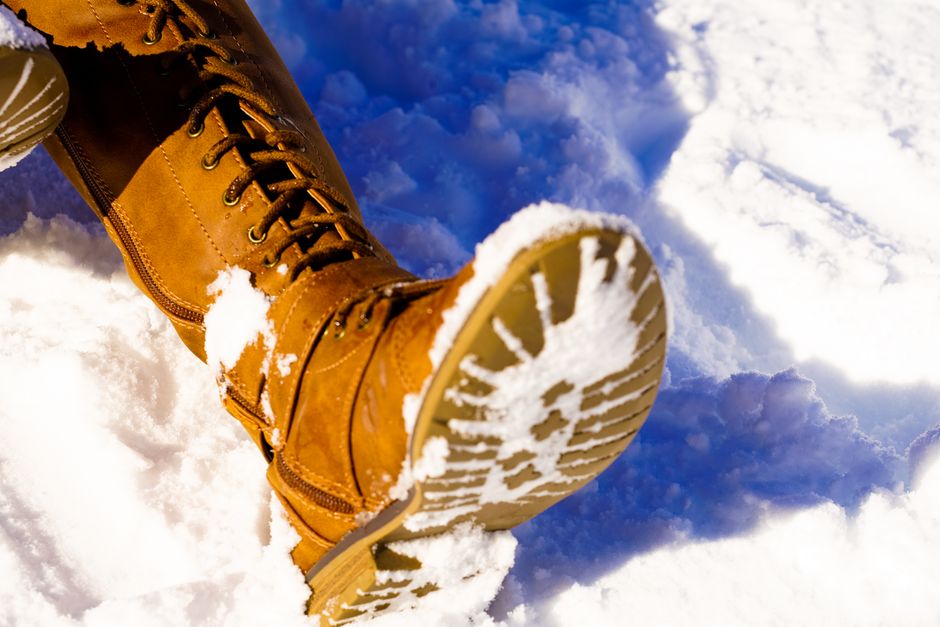
Understanding Grip: What Makes a Sole Safe on Ice?
The secret to staying upright on icy pavements lies primarily in the boot’s outsole. Generic flat soles or those designed merely for aesthetics won’t cut it. You need specific features engineered to combat the unique challenges of ice and compacted snow.
The Science of Traction: Lugs, Siping, and Rubber Compounds
Effective winter boot soles are designed with a combination of features. Look for deep, multi-directional lugs – these are the raised patterns on the sole that dig into snow. For ice, however, siping is crucial. Siping refers to the small, razor-thin slits cut into the lugs, which create thousands of tiny edges that increase surface contact and grip on slick surfaces. Think of it like a winter tire for your feet.
The rubber compound itself also matters. Softer rubber tends to maintain flexibility in cold temperatures, allowing it to conform better to uneven surfaces and provide superior grip. Some manufacturers use specific ‘ice grip’ or ‘Arctic grip’ compounds that are formulated to excel in sub-zero conditions. Brands like Merrell with their Arctic Grip technology or Columbia’s Omni-Grip are good examples to look for, even in their more affordable lines.
Beyond the Outsole: Midsole and Shank for Stability
While the outsole is the first line of defense, a good midsole and shank contribute significantly to overall stability, especially when walking long distances on uneven or icy terrain. A supportive midsole (often EVA or PU) absorbs shock, reducing fatigue. A shank, typically made of steel or nylon, provides torsional rigidity, preventing your foot from twisting on uneven surfaces and offering crucial support for your arch, making for a truly comfortable footwear experience.
What Makes a Shoe Comfortable for Walking All Day?
Beyond grip, true comfort for winter boots comes down to a few key design elements. Whether you’re navigating the sprawling streets of New York or exploring historic European cities like Rome or London, comfort is non-negotiable.
Fit is King: Avoiding Hot Spots and Fatigue
A comfortable footwear guide for winter boots with grip for icy streets must start with fit. The right fit means no pinching, no rubbing, and enough room for your toes to wiggle, even with a thicker sock. A common mistake is buying boots too small, leading to circulation issues and cold feet. Conversely, boots that are too large allow your foot to slide, causing blisters and instability. Try boots on with the type of socks you’ll typically wear. Look for features like padded collars and tongues that prevent irritation and offer a snug, secure feel around the ankle.
Summer Sandals That Support Long Walks: Avoiding Painful Footwear Mistakes
Cushioning and Support: Insoles and Arch Design
For most readers, a boot with good arch support and adequate cushioning is essential for all-day wear. Many budget boots come with basic insoles; investing in a good after-market insole can dramatically improve comfort. Look for insoles that offer both shock absorption (usually through gel or foam) and structural arch support tailored to your foot type. This is particularly important for commuters who spend hours on their feet or travelers exploring cities like Paris and its extensive walking demands.
Weight and Flexibility: Ease of Movement
Heavy, rigid boots can be exhausting to wear, especially for long periods. While winter boots need to be solid, look for options that balance durability with reasonable weight and flexibility. A boot that allows for natural foot flexion will reduce fatigue and make walking feel more natural. This balance is key to achieving comfortable footwear for extended periods.
Budget-Friendly Brands and Models for US Shoppers
The US market offers a range of affordable winter boots that prioritize grip and comfort. Here are a few reliable options.
Columbia: Omni-Grip Technology
Columbia is a go-to for many American families looking for functional, affordable outdoor gear. Their comfortable footwear guide winter boots with grip for icy streets often feature their proprietary Omni-Grip outsole technology. This multi-terrain traction system provides excellent grip on various surfaces, including snow and ice. Look for models like the Columbia Fairbanks Omni-Heat or the Bugaboot lines, which frequently go on sale and offer good waterproofing and insulation.
Kamik: Reliable Canadian Engineering
Hailing from Canada, Kamik understands cold weather. Their boots are often celebrated for their durability and excellent traction, typically featuring deep lugs and solid rubber soles designed for snowy and icy conditions. Models such as the Kamik NationPlus or the Greenbay are often available at budget-friendly price points and deliver solid performance for walking in harsh winter conditions, perfect for enduring a Chicago winter.
Sorel (Entry-Level Models): Timeless Winter Staples
While Sorel has higher-end offerings, some of their foundational models like the Sorel Caribou (when on sale) or Sorel Explorer series can be found within a reasonable budget. Their classic design and vulcanized rubber shell provide excellent waterproofing, and their soles are known for deep patterns that handle snow well. Check retailers during end-of-season sales for the best deals.

Affordable Winter Boot Options for European Markets
European shoppers face similar challenges with icy streets, especially in cities with historic cobblestones. Here are some brands that offer grip and comfort without a premium price tag.
Decathlon’s Wedze and Quechua Brands
French sporting goods giant Decathlon is a treasure trove for budget-conscious outdoor enthusiasts across Europe. Their in-house brands, Wedze (winter sports) and Quechua (hiking and mountaineering), consistently offer high-value footwear. Look for their snow boots and hiking boots that explicitly mention ‘snow contact’ or ‘snow grip’ soles. These are designed with specific lug patterns and rubber compounds to perform on snow and ice, ideal for navigating cities like Berlin or Warsaw in winter.
Running Shoes vs. Walking Shoes for Beginners: A Comfortable Footwear Guide
Tretorn: Scandinavian Simplicity and Functionality
This Swedish brand, widely available in the UK, Germany, and Scandinavia, offers well-designed waterproof boots that often feature excellent grip. While some models can be pricier, their basic rain boots and winter-lined options often come with surprisingly effective tread patterns for slippery conditions. They’re a practical choice for daily commutes in London or exploring icy Scandinavian markets.
Local European Brands & Retailers
For budget finds, local retailers and smaller European brands often provide excellent value. In Germany, look for brands like Lowa or Meindl on sale, as their hiking boots frequently offer superior grip. In Italy, Dolomite or AKU sometimes have entry-level models. Keep an eye on promotions from large retailers like Zalando, Otto, and Amazon EU, which often stock a wide array of brands that fit the comfortable footwear guide winter boots with grip for icy streets criteria.
Essential Features to Prioritize for Icy Conditions
When you’re trying to choose from the many options, keep these non-negotiables in mind:
- Waterproofing: Beyond just keeping your feet dry, wet feet get cold much faster. Look for boots with waterproof membranes (e.g., Gore-Tex, or proprietary alternatives) or fully sealed construction.
- Insulation: Thinsulate or similar synthetic insulations provide warmth without excessive bulk. The amount needed depends on your local climate – more for colder regions like Poland or New York, less for milder cities like London or Rome.
- Ankle Support: Taller boots or those with a well-designed lacing system can offer crucial ankle stability, especially important when walking on uneven icy surfaces or European cobblestones.
- Easy On/Off: For daily commutes, boots that are easy to get on and off, without sacrificing a secure fit, can save valuable time and hassle.
Tips for Finding the Best Deals
Budget-friendly doesn’t mean compromising on quality if you shop smart. Here’s how to get the most for your money:
- End-of-Season Sales: The best time to buy winter boots is typically at the end of winter (February/March) or during major holiday sales (Black Friday, Cyber Monday).
- Outlet Stores: Many brands have outlet stores, either physical or online, where you can find previous season’s models at a discount.
- Compare Prices: Use online price comparison tools across different retailers. Don’t forget to check both US and EU versions of major online stores like Amazon or Zappos, as pricing can vary.
- Read Reviews: Pay close attention to reviews specifically mentioning grip on ice and overall comfort for extended wear.
FAQ: Your Questions on Winter Boot Grip and Comfort Answered
What makes a boot sole good for ice?
Boot soles good for ice typically feature specific rubber compounds that remain flexible in cold temperatures, allowing for better surface adhesion. They also have intricate lug patterns combined with ‘siping’ – tiny, razor-thin cuts that create thousands of micro-edges. These edges increase surface contact, much like winter tires, to grip the slick, hard surface of ice more effectively and prevent slipping.
Are waterproof boots always warm?
No, waterproof boots are not inherently warm. Waterproofing prevents external moisture from entering, keeping your feet dry. Warmth comes from insulation, such as Thinsulate, wool, or synthetic fills, which traps body heat. A boot can be waterproof without being insulated, making it suitable for wet but mild conditions, but not for icy, cold winters without additional thermal layers.
How important is arch support for comfortable walking boots?
Arch support is critically important for comfortable walking boots, especially for all-day wear. It helps distribute pressure evenly across your foot, reduces strain on your arches and plantar fascia, and promotes proper foot alignment. Good arch support prevents fatigue, alleviates common foot pains like plantar fasciitis, and contributes significantly to overall foot health and stability on varied terrain, including icy paths.
Can I improve the grip of my existing winter boots?
While you can’t fundamentally change the sole design, you can improve the grip of existing winter boots. Traction aids like removable ice cleats, crampons, or anti-slip grips that strap over your boots are effective. These provide additional spikes or textured surfaces for extra purchase on ice and snow. However, they are often not suitable for indoor use and can wear down quickly on dry pavement.
Should I size up for winter boots to accommodate thick socks?
It’s generally a good idea to ensure there’s enough room for thicker winter socks, but ‘sizing up’ too much can lead to problems. The best approach is to try on boots with the specific type of thick socks you plan to wear. Your toes should have room to wiggle freely, but your heel shouldn’t slip excessively. Too much space can cause rubbing and reduce insulation effectiveness, making your feet colder.
What’s the best way to clean and maintain winter boots for longevity?
To maintain winter boots, regularly clean off salt and dirt with a damp cloth to prevent material degradation. For leather boots, apply a leather conditioner to prevent drying and cracking. For synthetic boots, a gentle soap and water solution is often sufficient. Always allow boots to air dry naturally away from direct heat. Store them in a cool, dry place, potentially with boot trees or crumpled newspaper to maintain their shape.
Stay Sure-Footed and Warm This Winter
Finding comfortable footwear for winter with reliable grip for icy streets doesn’t require a designer budget. By understanding the key features that provide traction and support, and by knowing where to look for budget-friendly options, both US and European shoppers can find a pair of boots that will keep them safe and warm all season long. Whether you’re commuting in New York, traversing the ancient streets of Rome, or enjoying a brisk walk through a snowy park in Berlin, the right boots make all the difference. Explore more footwear guides on AtTheFashion.






Leave feedback about this