

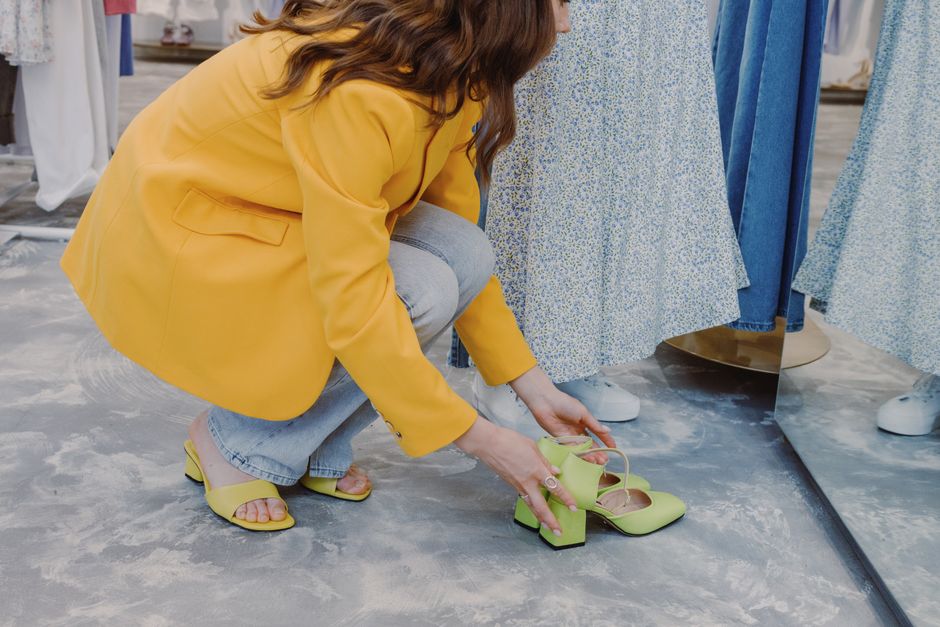
For beginners, choosing between running and walking shoes largely depends on the primary activity’s impact and duration. Running shoes are designed with significantly more cushioning and stability features to absorb the higher impact of running, protecting joints. Walking shoes, conversely, prioritize flexible soles, arch support, and breathability for sustained comfort during lower-impact, longer durations. A comfortable footwear guide suggests that while some versatile trainers might suffice for light activity, dedicated shoes offer optimal support and reduce injury risk for either discipline, making your movement much more pleasant, whether you’re strolling through London or power walking in New York.
Stepping into the world of fitness, or simply aiming for more active daily routines, often brings a common dilemma: what shoes should you buy? Many beginners find themselves staring at rows of athletic footwear, unsure whether to grab a pair marketed for running or one designed for walking. It’s not just about aesthetics; the right choice significantly impacts your comfort, performance, and long-term joint health. A common mistake is assuming all athletic shoes are interchangeable, leading to discomfort, blisters, or even injuries when the footwear isn’t suited to the activity.
Understanding the fundamental distinctions between running shoes and walking shoes is crucial for anyone looking to invest in truly comfortable footwear. Whether you’re planning leisurely strolls through Parisian gardens, daily commutes across busy city streets in New York, or embarking on a new fitness journey, selecting the appropriate shoe can improve your experience from a chore into a pleasure. This guide will walk you through the specifics, helping you find the perfect pair that supports your feet and your lifestyle.
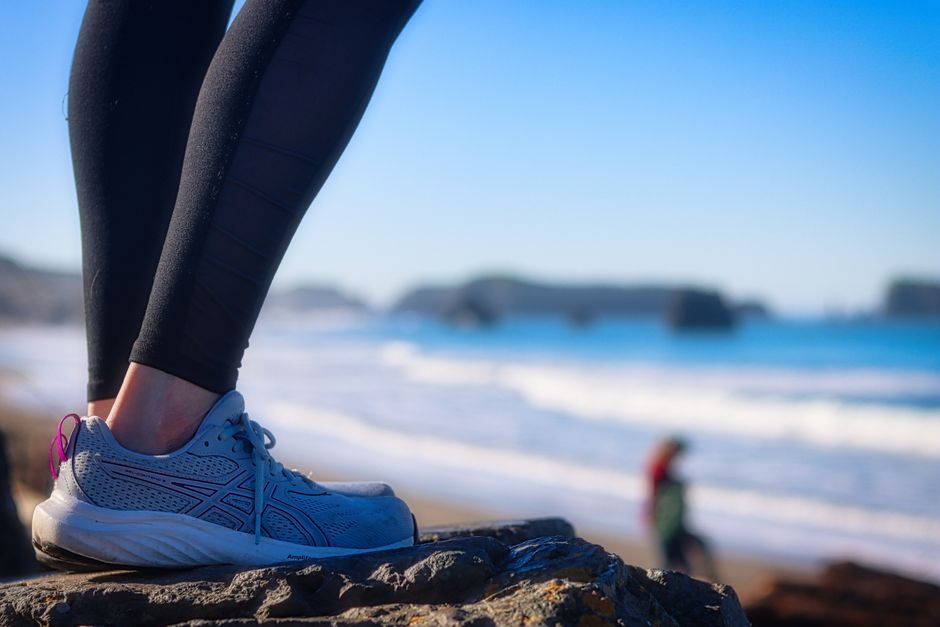
Quick Overview: Running Shoes vs. Walking Shoes for Beginners
- Cushioning: Running shoes typically have more pronounced cushioning in the heel and forefoot to absorb high impact. Walking shoes offer balanced, moderate cushioning.
- Flexibility: Walking shoes are designed to flex more in the forefoot, mimicking the natural roll of a foot during walking. Running shoes often have less forefoot flexibility but more torsional rigidity.
- Heel Drop: Running shoes often feature a higher heel-to-toe drop to encourage a more forward stride. Walking shoes tend to have a lower heel drop for a more natural, stable gait.
- Stability & Support: Running shoes come in various stability categories (neutral, stability, motion control) to address different pronation types. Walking shoes usually offer moderate, general stability.
- Upper Material: Both prioritize breathability, but walking shoes might focus more on durable, water-resistant materials for everyday use, especially if considering travel footwear.
- Outsole Tread: Running shoe outsoles are often designed for grip on various running surfaces. Walking shoes might have a flatter, more durable tread for pavements and light trails.
Understanding the Mechanics: How Your Foot Moves
The core difference between running and walking shoes lies in the biomechanics of each activity. When you walk, your foot typically lands heel first, then rolls through the arch to push off with the toes. This is a lower-impact, more controlled motion. When you run, however, the impact forces are significantly higher—often 2 to 3 times your body weight—and the foot strike can vary more (heel, midfoot, or forefoot). This higher impact and quicker turnover demand different structural support from your footwear.
The Role of Cushioning and Impact Absorption
Running shoes feature advanced cushioning technologies, often visible in the midsole, to absorb the high impact of each stride. Brands use proprietary foams like Nike’s React, Hoka’s PROFLY, or Brooks’ DNA LOFT to provide energy return and protect your joints. This extra padding is vital for runners covering longer distances or engaging in high-intensity intervals. For a beginner runner, ample cushioning can make the difference between an enjoyable workout and painful shins or knees. Walking shoes, while still cushioned for comfort, generally don’t require the same extreme level of impact absorption. Their cushioning focuses more on sustained comfort over hours, rather than intense shock absorption over milliseconds.
Flexibility: Where and Why It Matters
Observe the sole of a walking shoe: you’ll notice it’s designed to bend easily across the ball of the foot. This flexibility supports the natural rolling motion of your foot from heel strike to toe-off. Think about navigating European cobblestones in Rome or the uneven pavements of London; a shoe that allows your foot to adapt naturally is key for all-day comfort. Running shoes, especially those designed for stability or speed, might be less flexible in the forefoot. Instead, they often have a more rigid midfoot to provide torsional stability and prevent excessive twisting, which can be critical during high-speed movements or when pushing off forcefully.
What Makes a Shoe Comfortable for Walking All Day?
A truly comfortable footwear guide for walking all day prioritizes several key attributes beyond just softness. For travelers exploring Paris, commuters navigating New York, or workers on their feet, the ideal walking shoe offers a blend of responsive cushioning, excellent arch support, a flexible forefoot, and a breathable, accommodating upper. Crucially, it should fit well from the moment you try it on, without any pressure points or rubbing. Adequate room in the toe box prevents discomfort, especially as feet tend to swell slightly throughout the day. Look for shoes with a stable, supportive sole that doesn’t feel overly spongy, as too much squish can lead to foot fatigue over long periods.
Supportive Shoes for People Who Stand All Day: The Comfort Features That Matter Most
Arch Support and Stability for Longevity
Both running and walking shoes offer arch support, but the type and degree can differ. Running shoes are often categorized by pronation control: neutral shoes for those with minimal pronation, stability shoes for mild to moderate overpronation, and motion control shoes for severe overpronation. Walking shoes typically offer a more universal, moderate arch support suitable for a wider range of foot types. However, for those with specific needs, like flat feet or high arches, even with walking shoes, it’s wise to look for models that offer enhanced arch support or accommodate custom orthotics. Stability in walking shoes also comes from a broader sole platform, providing a more stable base for sustained upright activity.
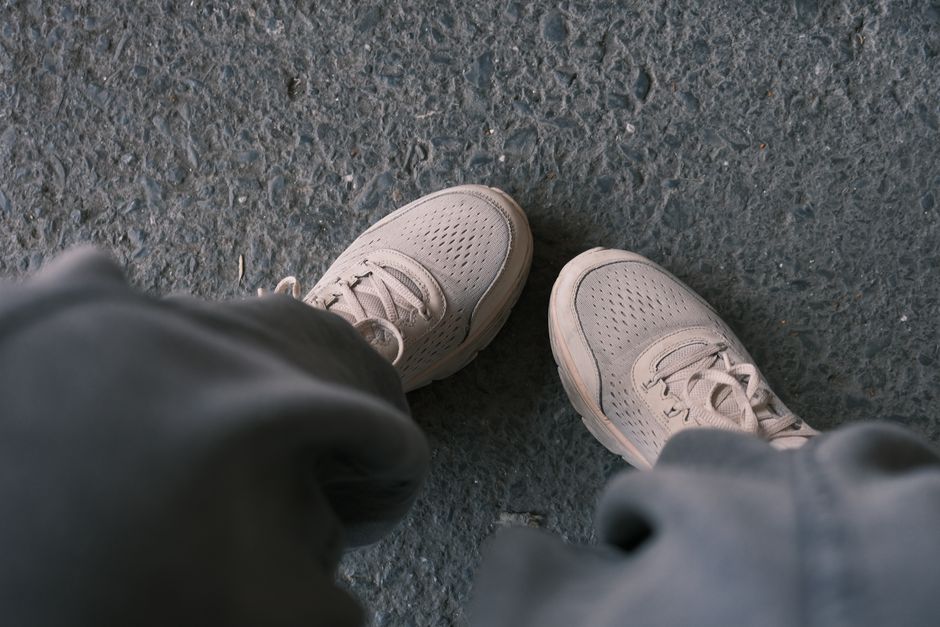
Choosing the right comfortable footwear, whether for daily commutes or exploring new cities, significantly enhances comfort and reduces fatigue.
The Upper and Outsole: Considerations for Durability and Grip
The upper material of your shoe plays a significant role in breathability and comfort. Many modern athletic shoes use engineered mesh for ventilation, which is great for warmer climates or intense activity. However, for walking shoes, especially travel footwear or for those in climates like the UK or Germany, you might consider options with some water resistance. Some brands offer waterproof shoes with Gore-Tex or similar membranes, protecting your feet from unexpected rain showers while still allowing them to breathe. The outsole, the part that touches the ground, is another critical component. Walking shoes often feature durable rubber outsoles with multi-directional lugs for grip on various surfaces, from city pavements to light park trails. Running shoes might have more aggressive, sport-specific tread patterns designed for road or trail running, optimized for traction during dynamic movements.
Sizing and Fit: The Ultimate Comfort Factor
Regardless of whether you choose a running shoe or a walking shoe, proper shoe fit is paramount for comfort and preventing injury. A common mistake is buying shoes that are too small. Your toes should have about a thumb’s width of space between the longest toe and the end of the shoe. Your heel should feel secure without slipping excessively, and the midfoot should feel snug but not tight. Always try on shoes towards the end of the day when your feet are slightly swollen, and wear the type of socks you’d typically use. If possible, walk or jog a bit in the store to ensure there are no pressure points or rubbing. Remember that sizes can vary between brands, so always rely on how the shoe feels, not just the number on the box.
When One Pair Might Suffice (and When It Won’t)
For beginners engaging in very light, occasional activity—a short walk, a brief jog once a week—a versatile ‘cross-trainer’ or a well-cushioned walking shoe might adequately serve both purposes. These shoes often offer a balance of flexibility and moderate cushioning. However, as soon as your activity level increases—longer walks, daily running, or specific fitness training—investing in dedicated footwear becomes highly beneficial. A runner needs the specific impact absorption and support of a running shoe to protect joints over miles, whether running in Chicago or through the countryside. A dedicated walker, especially one who spends hours on their feet (like a tourist exploring the Louvre or a factory worker in Poland), will benefit immensely from a walking shoe designed for sustained, low-impact comfort and flexibility.
FAQ
Can I use my running shoes for walking everyday?
Yes, you can generally use running shoes for everyday walking, especially for shorter durations. Their superior cushioning will provide comfort, but they might feel overly stiff for the natural foot roll of walking over long periods. Also, the outsole wear pattern might not be optimized for consistent walking, potentially leading to quicker degradation.
Tradeinn: Everything you need with the best brands and the best prices.
Are walking shoes good for standing all day?
Walking shoes are excellent for standing all day. They are designed with balanced cushioning, good arch support, and often a stable platform that prioritizes sustained comfort and reduces foot fatigue. Their flexibility and breathable uppers also contribute to overall comfort during prolonged standing.
What is the difference between walking shoes and casual sneakers?
Walking shoes are engineered for performance and comfort during actual walking, featuring specific cushioning, flexibility, and support. Casual sneakers, while comfortable, are primarily fashion-focused, often lacking the technical features for prolonged or active walking. Think of them as lifestyle shoes versus activity-specific comfortable footwear.
How often should I replace my walking or running shoes?
As a general rule, replace running shoes every 300-500 miles (500-800 km) or every 6-12 months, whichever comes first. Walking shoes, due to lower impact, might last longer, typically 500-700 miles (800-1100 km) or 12-18 months, depending on usage and your body weight. Pay attention to worn treads or diminished cushioning.
Should I consider waterproof shoes for walking?
If you live in or frequently visit areas with unpredictable weather, like the rainy seasons in the UK or parts of Germany, or travel extensively, investing in waterproof shoes can be highly beneficial. Features like Gore-Tex can keep your feet dry and comfortable, preventing blisters and discomfort, making them excellent travel footwear.
Key Takeaways
When starting out, understanding the nuances between running shoes and walking shoes is not just about avoiding buyer’s remorse; it’s about investing in your comfort and long-term foot health. For beginners, the primary takeaway is that **running shoes prioritize high-impact absorption and stability for dynamic movement**, while **walking shoes focus on sustained, low-impact comfort, flexibility, and breathability for longer durations**.
A truly comfortable footwear guide emphasizes that proper shoe fit is non-negotiable, regardless of your activity. Always allow for adequate toe space, ensure a secure heel, and try shoes on properly. Whether you’re exploring the historic streets of Rome or power walking in New York, the right choice in footwear can significantly enhance your experience.
Ultimately, while some overlap exists, dedicated footwear for running or walking offers optimal performance and protection. For anyone prioritizing a comfortable footwear guide running shoes versus walking shoes for beginners, making an informed choice will pave the way for a more active and enjoyable lifestyle. Explore more footwear guides on AtTheFashion.





Leave feedback about this