

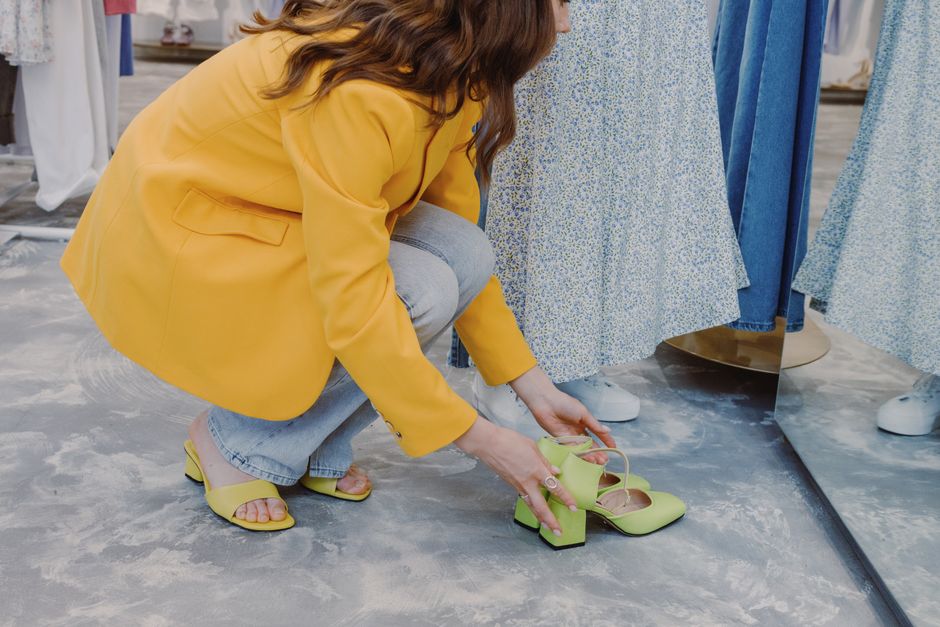
What makes a shoe comfortable for walking all day boils down to several key features: proper arch support, adequate cushioning without being overly soft, a wide enough toe box to prevent pinching, and a secure fit that prevents your foot from sliding around. Materials play a role too; breathable uppers and moisture-wicking linings help regulate temperature. For those on their feet for extended periods, a slight heel lift (1-2 cm) can sometimes distribute pressure more evenly than completely flat shoes. Ultimately, the best comfortable footwear guide emphasizes listening to your own feet and choosing shoes that support natural foot movement without restriction.
Finding comfortable office shoes for long workdays, especially when commuting or navigating city streets like London or Paris, can feel like a tall order. We’ve all experienced that midday foot fatigue that can derail productivity and comfort, whether you’re catching the Tube in London or strolling the corridors of a large office in New York. The right pair of shoes can genuinely improve your workday, making the difference between feeling energetic and counting down the minutes until you can kick them off.
For many, the challenge isn’t just comfort; it’s also about finding options that are budget-friendly and still meet professional dress codes. From the bustling streets of Chicago to the cobbled lanes of European cities like Rome or Madrid, choosing footwear that marries style, support, and affordability is a universal quest. This guide offers a practical, experienced perspective on comfortable office shoes for long workdays, catering specifically to shoppers in the US and Europe.
Understanding the Essentials of Comfortable Footwear for Work
What makes a shoe truly comfortable for walking all day? It’s a combination of design, material, and fit. For office environments, especially when you factor in commutes or moving between meetings, you need more than just a pretty exterior. We’re talking about thoughtful engineering that supports your foot’s natural mechanics.
Key elements include: adequate arch support to prevent strain on your plantar fascia, sufficient cushioning in the sole to absorb impact (critical for those pounding pavements or standing for long periods), and a generous toe box that allows your toes to splay naturally, avoiding pinching and bunion development. Breathable materials like genuine leather, mesh, or specific synthetic blends also help regulate foot temperature and reduce moisture build-up, a common cause of discomfort and blisters. The shoe’s overall weight also matters; lighter shoes often contribute to less fatigue over a long day. A secure heel counter that prevents slipping is another detail that can significantly improve comfort, ensuring stability with every step.
A woman trying on comfortable, stylish flat shoes in a footwear store, focusing on fit and material.
Your Guide to Choosing Comfortable Office Shoes on a Budget
Navigating the vast world of footwear can be daunting. Here’s a structured approach to finding the best comfortable footwear guide for your office needs without overspending.
1. Prioritize Arch Support and Cushioning
Many budget shoes skimp on internal support. Look for brands known for incorporating decent arch support, even in their more affordable lines. Memory foam insoles or removable footbeds that can be swapped for orthopedic inserts are excellent features. A good rule of thumb: if the shoe feels flimsy when you twist it, it probably won’t offer enough support for a long workday.
2. Focus on Fit, Not Just Size
Size is only one part of the equation. Your shoes should fit snugly without being tight, and there should be about a thumb’s width between your longest toe and the end of the shoe. Crucially, try shoes on at the end of the day when your feet are slightly swollen. This ensures they’ll be comfortable even after hours on your feet. For shoppers in Europe, be mindful of slight sizing differences between countries; a 38 in Italy might feel different from a 38 in Poland.
Comfort Meets Fashion: Unveiling the Best Women’s Footwear Brands
3. Consider Material Breathability
Synthetic materials can be budget-friendly but ensure they offer breathability. Full-grain leather is excellent but often pricier. For more affordable options, look for perforated synthetics, mesh panels, or even canvas for a more casual office. Your feet will thank you for allowing air circulation, especially during warmer months or on lengthy commutes.
4. Look for Wide Toe Boxes
Pointed toes might be fashionable, but they rarely contribute to comfort over a long day. Seek styles with a rounded or almond-shaped toe box that allows your toes to spread naturally. This is especially important for women, as many stylish shoes unfortunately restrict the forefoot.
5. Check the Sole and Traction
A good sole should offer flexibility for natural foot movement but also stability. Rubber or synthetic outsoles provide better grip, which is essential when navigating slippery office floors, wet sidewalks in London, or even uneven European cobblestones. A non-slip sole adds a layer of safety and confidence.
6. Explore Brands Known for Comfort
Even budget-friendly brands often have specific lines or styles dedicated to comfort. Do a quick search for ‘comfortable walking shoes’ or ‘best ergonomic office shoes’ within your price range. Sometimes, investing a little more in a known comfort brand pays off in durability and foot health.
7. Don’t Overlook Practicality for Travel and Commuting
If your long workday includes significant walking, perhaps through airports or between public transport stops in Paris or New York, consider shoes that are lightweight and easy to clean. Waterproof shoes are a godsend during rainy seasons in the UK or Germany, keeping your feet dry and comfortable regardless of the weather.
Comparing Budget-Friendly Comfortable Office Shoe Options
Let’s look at some popular styles that consistently offer good comfort without breaking the bank, suitable for various office environments across the US and Europe.
| Style | Key Comfort Features | Ideal For | Pros (Budget Focus) | Cons |
|---|---|---|---|---|
| Supportive Loafers/Ballet Flats | Padded insoles, flexible soles, often wide toe box options. | Business casual, extensive walking (e.g., European city commutes). | Widely available, many affordable brands, easy slip-on. | Less arch support in cheapest versions; can lack structured support. |
| Fashion Sneakers/Athleisure Shoes | Advanced cushioning, ergonomic design, breathable mesh. | Casual office, long commutes, standing desks. | Excellent shock absorption, very lightweight, trend-driven. | May not suit formal dress codes; less professional appearance. |
| Low-Heel Block Heels/Wedges | Wider heel for stability, cushioned footbed, often lower pitch. | Business professional, formal meetings, added height without strain. | More professional than flats/sneakers, better weight distribution. | Still involves a heel, can be heavier than flats. |
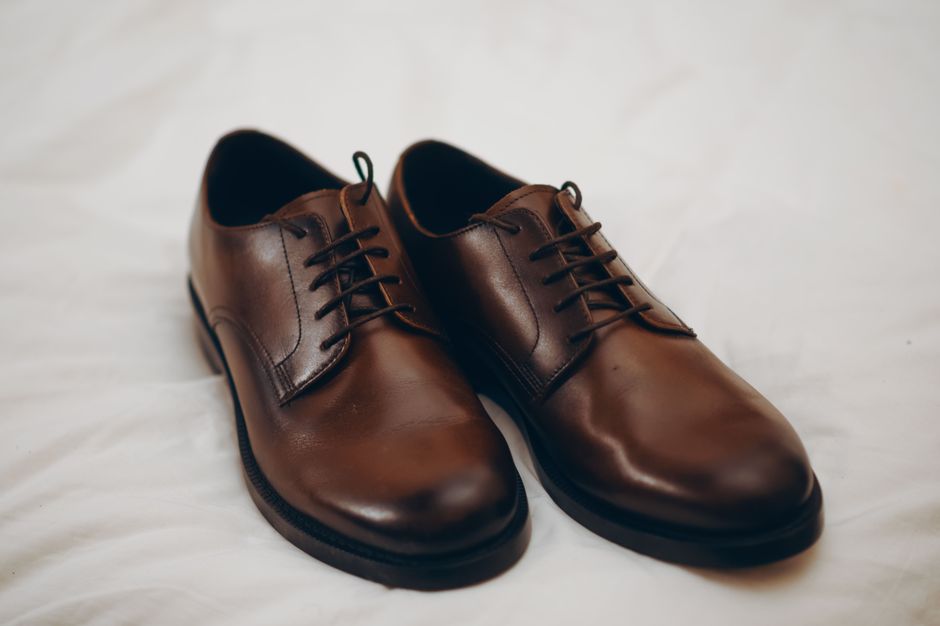
| Oxfords/Derbies (for men & women) | Structured support, usually leather (can be synthetic), good for insoles. | Business formal, smart casual, durability. | Durable, classic style, can accommodate orthotics. | Can be stiff initially, sometimes heavier; price varies greatly. |
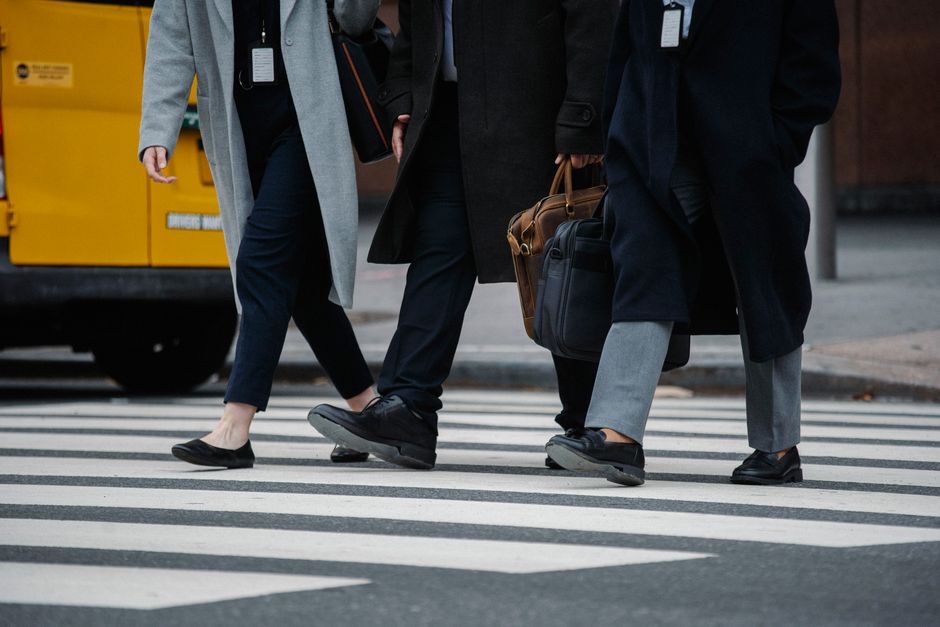
A diverse collection of comfortable office shoes, including loafers, sneakers, and low heels, displayed neatly in a store.
Common Mistakes to Avoid When Buying Comfortable Office Shoes
Even with the best intentions, it’s easy to fall into traps when shopping for comfortable footwear. Knowing what to avoid can save you money and foot pain in the long run.
A common mistake is prioritizing aesthetics over actual comfort and fit. Many shoppers will buy a shoe because it ‘looks good’ with their outfit, only to find it unbearable after an hour. Remember, a truly comfortable shoe will allow you to focus on your work, not your aching feet. Don’t compromise on fundamental features like arch support and toe box space for a fleeting trend.
Shop with Confidence: Why Official Nike is Your Go-To Destination for the Best Quality Products
Another pitfall is assuming that expensive shoes automatically equal comfort. While quality often comes at a price, there are plenty of mid-range and budget-friendly brands that invest in ergonomic design. Conversely, some luxury brands focus purely on fashion, neglecting the practical aspects of all-day wear. Always read reviews and try shoes on carefully, regardless of the price tag.
Skipping the ‘break-in’ period is also a common error. While truly comfortable shoes shouldn’t require extensive breaking in, even the best new pair can feel a little stiff initially. Wear new shoes for shorter periods at home before committing to a full workday. This allows the materials to soften and conform to your foot shape gradually.
Finally, neglecting maintenance. Even the most durable comfortable walking shoes need care. Cleaning them regularly, using shoe trees to maintain their shape, and replacing worn insoles can significantly extend their lifespan and comfort. For waterproof shoes, refreshing the waterproofing treatment periodically is crucial, especially if you navigate wet climates like those often found in the UK or parts of Germany.
FAQ: Your Questions on Comfortable Office Footwear Answered
What are the best types of shoes for standing all day at work?
For standing all day, prioritize shoes with excellent arch support, ample cushioning, and a wide, stable base. Athletic-inspired shoes, clogs with good shock absorption, and some types of supportive loafers are often recommended. Look for features like anti-fatigue technology and slip-resistant soles.
How do I know if a shoe has good arch support?
Good arch support is evident when the shoe feels supportive under your arch without creating uncomfortable pressure points. When you hold the shoe, it shouldn’t easily bend in half at the arch. It should offer resistance, indicating a built-in structure. You can also press the arch with your thumb; it should feel firm.
Are flat shoes always more comfortable than heels for work?
Not necessarily. While high heels are generally not recommended for long wear, completely flat shoes can sometimes lead to issues like plantar fasciitis due to lack of arch support. A low block heel (1-2 cm) or a subtle wedge can sometimes distribute body weight more evenly, making them more comfortable than completely flat styles for some individuals.
Can I wear sneakers to a business casual office?
Yes, increasingly. Many modern offices embrace ‘smart casual’ or ‘business casual’ where sleek, clean fashion sneakers are acceptable. Opt for minimalist designs in neutral colors (black, white, navy, grey) made from leather or premium textiles. Avoid brightly colored athletic trainers unless your office culture is very relaxed.
How often should I replace my comfortable office shoes?
The lifespan of comfortable office shoes varies greatly based on wear frequency, material quality, and how well you maintain them. As a general rule, if the cushioning feels compressed, the outsole is significantly worn, or you start experiencing foot pain, it’s likely time for a replacement, typically every 6-12 months for frequently worn pairs.
Are there specific features for comfortable travel footwear that also work for the office?
Absolutely. For comfortable travel footwear that doubles as office wear, look for lightweight construction, slip-resistant soles, and often, waterproof or water-resistant materials. Shoes with easy-on/off features (like slip-ons or elastic laces) are also a bonus for airport security or quick changes, combining practicality with professional appearance.
Choosing the right comfortable office shoes for long workdays doesn’t have to be a painful or expensive ordeal. By focusing on key features like arch support, proper fit, and breathable materials, you can find excellent budget-friendly options that will keep your feet happy from morning commute to evening winding down. Explore more footwear guides to refine your choices and step out in comfort and style. Explore more footwear guides on AtTheFashion.




Leave feedback about this