


What makes a shoe comfortable for walking all day, especially on varied terrain like European cobblestones, comes down to a few key elements: excellent cushioning, adequate arch support, a secure yet non-restrictive fit, and a durable, slip-resistant outsole. For city travel, breathability and a lightweight design are also crucial to prevent fatigue and discomfort. Shoes with a wider toe box prevent rubbing, while flexible soles adapt to your foot’s natural movement, all contributing to reducing strain during prolonged walking.
Imagine strolling through the historic streets of Rome, past the Colosseum, or navigating the charming, winding alleyways of an old town in Spain. The sun is shining, the gelato is melting, and your feet… well, they’re either singing your praises or screaming for mercy. As an experienced editor who has seen countless travel plans derailed by ill-fitting shoes, I can tell you that the difference between an unforgettable trip and a blister-filled ordeal often hinges on one crucial decision: your footwear.
It’s easy to pack stylish shoes or sandals, envisioning chic cafe stops. However, the reality of exploring London’s extensive museums, Parisian boulevards, or the ancient, uneven surfaces of European cobblestones demands more than just aesthetics. For true comfort and endurance, a comfortable footwear guide for the best walking shoes for European city travel is essential. We’re talking about covering miles on foot, from morning till late evening, across varied urban landscapes.
This guide isn’t about sacrificing style entirely, but about making informed choices that prioritize the practicalities of travel. We’ll explore what truly constitutes a comfortable walking shoe, compare practical options, and tackle the most common questions travelers have before they even set foot on a plane from New York or Chicago.
Understanding the Demands of European City Walking
When you picture European cities, images of grand architecture, bustling markets, and charming cafes often come to mind. What’s less glamorous, but equally prevalent, are the unique challenges these cities pose to your feet. Unlike the smooth pavements you might find in some North American cities, European urban centers, particularly older ones, feature extensive stretches of uneven cobblestones, varying sidewalk materials, and historical paths that can be deceptively demanding. Walking shoes here aren’t just about comfort; they’re about protection and stability.
The sheer amount of walking you’ll do is also a major factor. A typical day of sightseeing can easily involve 15,000 to 20,000 steps, sometimes more. This sustained activity means that even minor discomforts can quickly escalate into painful problems. Foot fatigue, blisters, and joint pain are common complaints among unprepared travelers. Therefore, the best walking shoes for European city travel need to offer more than just basic padding; they require thoughtful design for prolonged use on diverse surfaces. Think of them as your primary mode of transport.
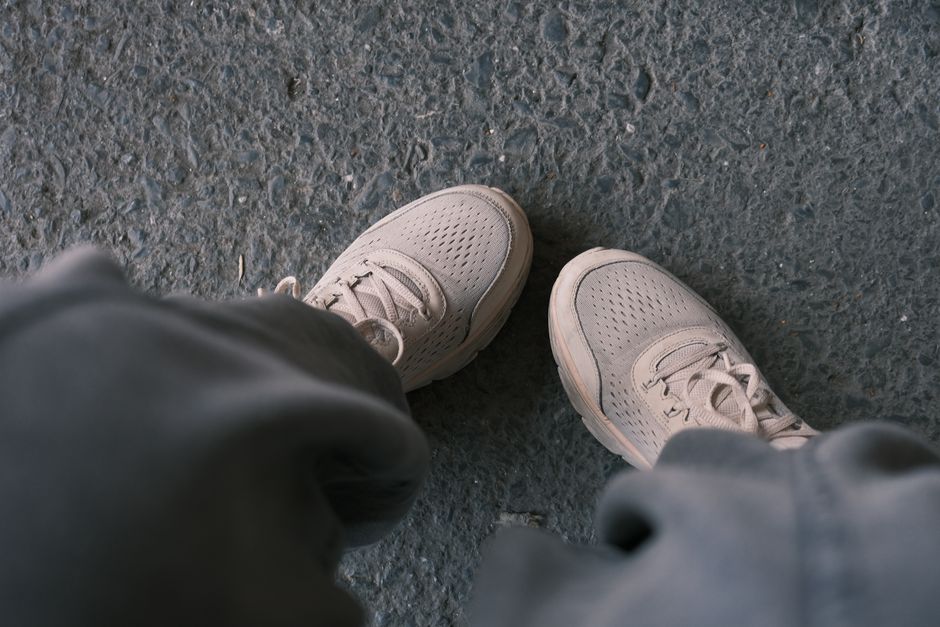
Key Features for Comfortable All-Day Walking Shoes
So, what makes a shoe truly comfortable for walking all day, especially when navigating historical sites and modern urban centers? It’s a combination of several design elements working in harmony. Here’s a breakdown of what to look for:
1. Superior Cushioning and Support
Cushioning is paramount. Look for shoes with ample midsole padding, often made from EVA foam or proprietary materials designed for energy return. This helps absorb impact from each step, reducing stress on your feet, knees, and hips. Equally important is arch support. Whether you have high arches, flat feet, or something in between, proper arch support distributes pressure evenly and prevents overpronation or supination, common causes of foot pain.
2. A Secure, Adaptive Fit
A shoe that fits well isn’t too tight, too loose, or restrictive in any area. There should be about a thumb’s width between your longest toe and the end of the shoe. The heel should feel secure without slipping, and the midfoot should be snug but not pinched. A wider toe box is often beneficial, allowing your toes to splay naturally, which is crucial for stability and preventing issues like bunions or hammertoes during long walks.
From Sneakers to Oxfords: Discovering the Top Picks for Men’s Footwear
3. Durable, Grippy Outsole
European cobblestones can be notoriously slippery, especially when wet. A good outsole should be made from durable rubber with a distinct tread pattern to provide reliable traction. This prevents slips and falls, offering confidence whether you’re traversing a damp street in Paris or a polished marble floor in a museum. The outsole should also be flexible enough to allow your foot to move naturally but rigid enough to protect against sharp objects or uneven surfaces.
4. Breathability and Moisture Management
Walking for hours in varying temperatures means your feet will sweat. Shoes made from breathable materials like mesh, knit fabrics, or perforated leather allow air circulation, keeping your feet cooler and drier. Some shoes also incorporate moisture-wicking linings to further prevent dampness, which is a major contributor to blisters.
5. Lightweight Construction
Every ounce adds up over miles. A lighter shoe reduces fatigue, making it easier to lift your feet and maintain your pace. Modern materials have made it possible for shoes to offer substantial cushioning and support without being bulky or heavy, a key consideration for travel footwear.
6. Versatile Style
While function comes first, you likely don’t want to pack multiple pairs of bulky shoes. The best walking shoes for European city travel often offer a versatile aesthetic that can transition from daytime sightseeing to a casual evening meal. Neutral colors and streamlined designs are often ideal, blending well with various outfits.
Comparing Top Walking Shoe Options for European Travel
Choosing the right pair means balancing features, comfort, and often, budget. Here’s a simple comparison of popular categories and specific types of comfortable footwear that are often recommended for European city travel.
| Shoe Type | Pros for European Travel | Cons for European Travel | Best For |
|---|---|---|---|
| Athletic Sneakers (e.g., Running/Walking Specific) | Excellent cushioning, superior arch support, breathable, lightweight. Often highly comfortable for long distances. | Can look overly casual in certain contexts (e.g., fine dining), some models lack water resistance. | Extensive walking days, urban exploration, travelers prioritizing comfort above all else. |
| Comfort-Focused Casual Sneakers (e.g., Allbirds, Ecco Soft 7) | Stylish, often more versatile aesthetically than athletic shoes, good cushioning, breathable materials (wool, leather). | May offer less aggressive arch support than dedicated athletic shoes; some lack solid outsole grip. | Blending comfort with a more polished casual look, medium-intensity walking days. |
| Comfort-Oriented Loafers/Flats (e.g., Cole Haan, Clarks) | Chic, versatile for day-to-evening wear, good for more formal settings, often durable leather. | Less cushioning for all-day walking, may lack sufficient arch support, typically not waterproof. | Shorter walking days, evening outings, travelers prioritizing style with moderate comfort. |
| Hybrid Travel Shoes (e.g., Merrell, specific waterproof trainers) | Designed for mixed terrain, often waterproof/water-resistant, excellent grip, good support. | Can be bulkier or more rugged in appearance, potentially less breathable than mesh sneakers. | Unpredictable weather, active trips with walking and light hiking, extensive cobblestone exploration. |
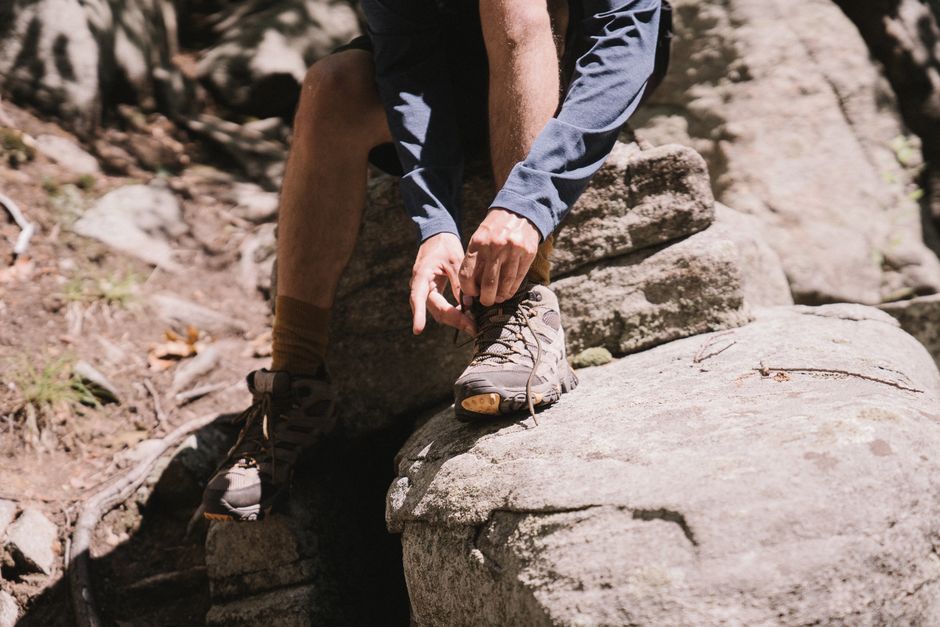
Common Mistakes to Avoid When Choosing Travel Footwear
Even with the best intentions, travelers often make missteps when selecting shoes for a European adventure. Avoiding these common errors can save you a lot of pain and regret.
A common mistake is buying brand-new shoes right before your trip and expecting them to perform perfectly. Always break in new shoes thoroughly before you travel. Wear them for several hours, walk around your local area, and try them on different surfaces. This helps the shoes mold to your feet and reveals any potential hot spots or discomfort areas before you’re miles from your hotel in Paris.
Another pitfall is underestimating the weather. While you might pack for sunny days, European weather can be unpredictable. A sudden downpour in London or Rome can quickly turn non-waterproof shoes into soggy misery. Consider at least one pair of water-resistant or waterproof shoes if your itinerary includes shoulder seasons or regions known for rain. Look for materials like Gore-Tex or treated leather.
Prioritizing extreme fashion over function is a trap many fall into. While you want to look presentable, tottering on high heels or struggling in flimsy sandals on European cobblestones is not only uncomfortable but potentially dangerous. A twisted ankle can end your trip prematurely. Focus on stability, support, and grip first; then consider aesthetics. There are plenty of stylish yet practical options available.
Catwalk-inspired footwear: Discover Official Clarks’ collection for a fashionable street-ready look
Finally, packing too few or too many pairs. Packing only one pair of shoes means you have no backup if they get wet, damaged, or simply become too uncomfortable. On the other hand, packing five pairs of bulky shoes wastes valuable luggage space and weight. Aim for two comfortable, versatile pairs: one primary walking shoe and one slightly dressier but still comfortable option for evenings or less active days.
Buyer FAQ: Your Questions Answered
Here are some frequently asked questions to help you make the best decision for your comfortable footwear guide and European city travel needs.
Q: How important is shoe weight for travel?
A: Shoe weight is extremely important for travel. Lighter shoes reduce overall luggage weight and significantly decrease foot and leg fatigue during long days of walking. When every step counts, and you’re carrying your body weight over miles, lighter footwear makes a noticeable difference in your energy levels and comfort by the end of the day.
Q: Should I bring waterproof shoes for European travel?
A: Yes, bringing waterproof or at least water-resistant shoes is highly recommended, especially if traveling during spring, autumn, or to regions prone to rain like the UK, Germany, or coastal areas. Getting caught in a downpour with non-waterproof shoes can lead to discomfort, blisters, and cold feet, potentially ruining a day of sightseeing. Modern waterproof materials like Gore-Tex are breathable, so you don’t sacrifice comfort.
Q: Can I wear sandals for walking in European cities?
A: While fashionable sandals might seem appealing for warm weather, they are generally not suitable for extensive walking in European cities. They offer inadequate support, cushioning, and protection from uneven surfaces and dust. Comfortable, supportive walking sandals with good arch support and a secure fit can work for shorter strolls, but for all-day exploration, closed-toe walking shoes are far superior.
Q: How often should I replace my walking shoes before a trip?
A: If your current walking shoes have more than 300-500 miles on them, or if the cushioning feels compressed and the outsole shows significant wear, it’s wise to replace them. Worn-out shoes lose their supportive properties, increasing your risk of discomfort and injury. Aim to buy new shoes at least a month before your trip to allow for a proper break-in period.
Q: What is the best way to test new walking shoes?
A: Test new walking shoes by wearing them at the end of the day when your feet are slightly swollen, mimicking their size after prolonged activity. Walk around your home and then for longer periods outdoors on various surfaces, including concrete, uneven pavement, and stairs. Pay attention to any rubbing, pinching, or areas of pressure, and always wear the socks you intend to travel with.
Q: What’s the difference between running shoes and walking shoes for travel?
A: While both are comfortable, running shoes are designed for forward motion and high-impact absorption, often with more heel cushioning. Walking shoes, especially those for travel, are engineered for sustained, lower-impact activities, often featuring more forefoot flexibility, broader bases for stability, and outsoles built for varied urban terrain. For general European city walking, a well-cushioned walking-specific shoe or a versatile athletic trainer is often ideal.
Selecting the right footwear is a crucial step in planning a successful and enjoyable trip across Europe, whether you’re navigating the historical wonders of Rome, the vibrant streets of Berlin, or the charming canals of Amsterdam. By prioritizing support, cushioning, and practical features, you can ensure your feet are as ready for adventure as you are.
For more insights and to discover your next perfect pair of comfortable footwear, explore more footwear guides on AtTheFashion.




Leave feedback about this