

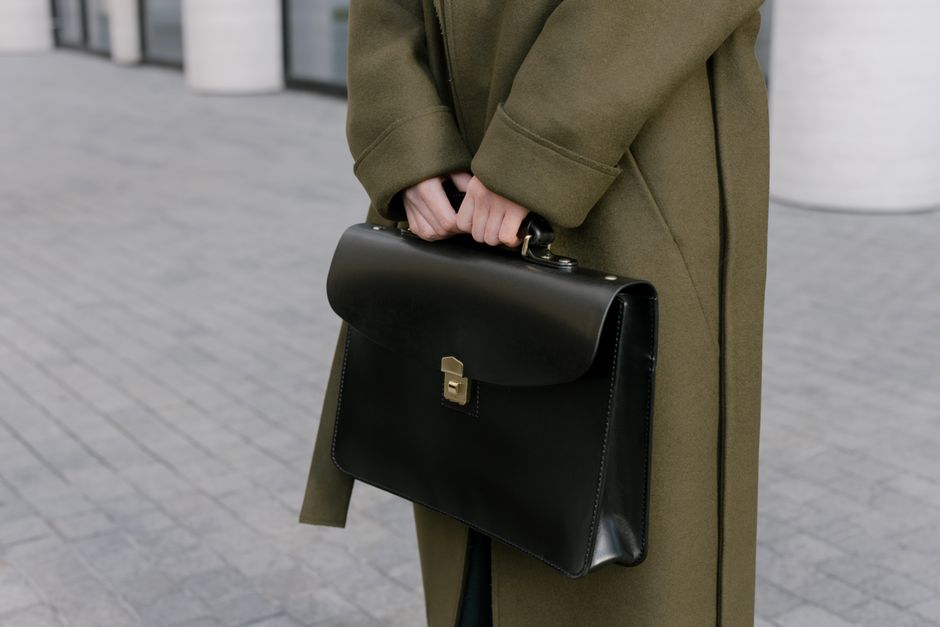
Choosing the right bag for work and travel involves balancing material, features, and your specific needs. Leather offers classic style and durability, often aging gracefully, while fabric bags, especially those made from nylon or polyester, typically provide lighter weight, water resistance, and greater versatility in design, often with more organizational pockets. For security, look for features like lockable zippers and RFID protection. The best choice ultimately depends on your daily routine, the type of items you carry, and the environments you’ll navigate, whether it’s the bustling streets of New York or a quiet European train journey.
When you’re constantly on the move, whether it’s navigating the busy platforms of London’s Tube or catching an early morning flight from Charles de Gaulle in Paris, your bag becomes more than just an accessory. It’s your mobile command center, carrying everything from your laptop and passport to your emergency snacks. The right bag supports your day, keeps your essentials secure, and stands up to the rigors of daily life. The wrong one? It can be a constant source of frustration, discomfort, and even a security risk.
Understanding the nuances of different materials—specifically leather and fabric—is crucial. Each has its own set of advantages and challenges when it comes to comfort, overall durability, and the level of security it offers. From the classic briefcase to a modern anti-theft crossbody bag, the material choice heavily dictates its practical performance.
This guide will help you navigate these choices, focusing on how to care for leather and fabric bags so they remain your reliable companions for years. We’ll compare their strengths and weaknesses, offering practical advice to help you find the best bags for travel and work that truly fit your lifestyle, from a student in Berlin to a business professional in New York.
Understanding Your Bag’s Materials: Leather vs. Fabric
The foundation of any good bag is its material. Leather and various fabrics each offer distinct characteristics that influence a bag’s longevity, aesthetic appeal, and functional benefits. Your choice here sets the stage for comfort, protection, and maintenance.
Leather bags, often associated with a professional aesthetic, exude quality and tend to develop a unique patina over time. Full-grain leather, for instance, is highly durable and resistant to wear and tear. However, it can be heavier and more susceptible to water damage if not properly treated. Fabric bags, on the other hand, encompass a vast range, from sturdy canvas and ballistic nylon to lightweight ripstop polyester. These often prioritize functionality, offering features like water resistance, easy cleaning, and a lighter carry weight, which can be a significant advantage when adhering to airline carry-on limits, such as those imposed by Ryanair or easyJet.
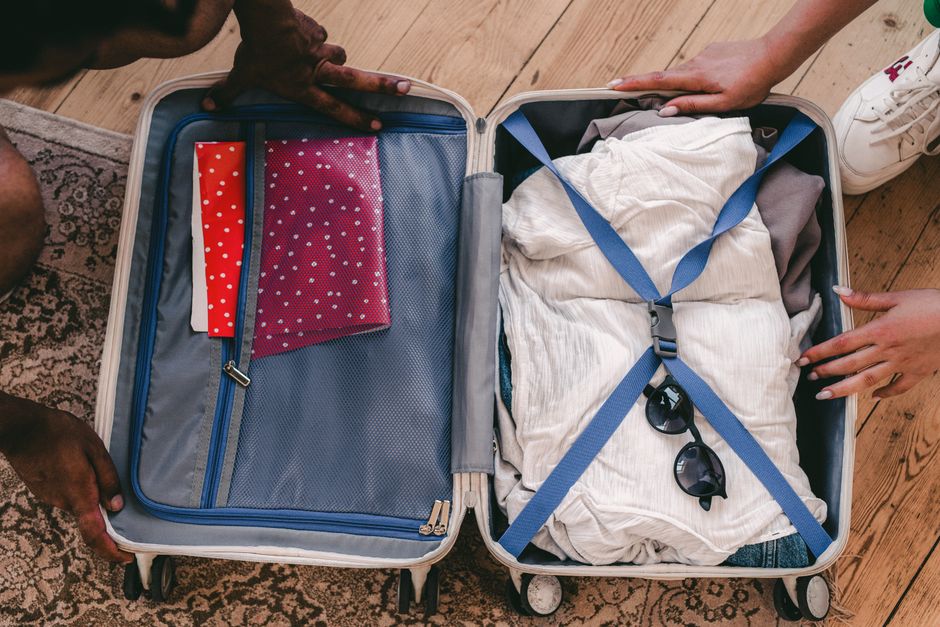
Practical Care Tips for Leather and Fabric Bags
Proper maintenance is key to extending the life of your bag, regardless of its material. These tips will help you preserve the look, feel, and structural integrity of your investment, ensuring you have the best bags for travel and work for years to come.
1. Regular Cleaning and Conditioning for Leather
For leather bags, regular dusting with a soft cloth is a good start. Every few months, or more often if used daily, clean it with a dedicated leather cleaner to remove accumulated dirt and oils. Follow up with a leather conditioner to moisturize the material, preventing it from drying out, cracking, and looking dull. This is particularly important in varying climates, from humid Italy to drier parts of the US.
Vegan Leather vs. Real Leather Bags: Budget-Friendly Choices for US and European Buyers
2. Spot Treatment for Fabric Stains
Fabric bags are generally easier to clean. For spills or dirt, a damp cloth with mild soap is usually effective. For tougher stains, a fabric-specific cleaner can work wonders. Always test any cleaning product on an inconspicuous area first to ensure it doesn’t discolor the fabric. For bags exposed to urban grime, like those used for daily commutes in London, quick spot cleaning makes a difference.
3. Waterproofing and Protection
While some fabric bags come with inherent water resistance, an additional waterproofing spray can provide an extra layer of protection for both fabric and certain types of leather. This is particularly useful for protecting electronics in your laptop bag during unexpected downpours in Paris or New York. Always choose products designed for your specific material.
4. Proper Storage When Not in Use
When not in use, store your bags in a cool, dry place away from direct sunlight. For leather bags, stuffing them with tissue paper or bubble wrap helps maintain their shape. Fabric bags can often be folded, but avoid cramming them into tight spaces, especially if they have structural elements. A dust bag, often provided with higher-end purchases, is excellent for preventing dust accumulation and protecting the material.
5. Mind the Weight Distribution
Overloading any bag puts undue stress on seams, zippers, and straps. Distribute weight evenly, especially in a crossbody bag or backpack, to prevent material stretching and premature wear. This also contributes significantly to your comfort, particularly when carrying it for extended periods through airports or city streets.
6. Zipper and Hardware Maintenance
Zippers, buckles, and other hardware are common points of failure. Keep zippers clean and occasionally lubricate them with a silicone-based spray or a graphite pencil to ensure smooth operation. Avoid forcing stuck zippers. For metal hardware, a quick polish can keep it looking new.
7. Addressing Minor Repairs Promptly
Small tears, loose stitches, or worn areas should be addressed as soon as they appear. Early intervention can prevent minor issues from becoming major, costly repairs. For valuable leather bags, consider professional repair services.
Comparing Leather and Fabric Bags: Comfort, Durability, and Security
Deciding between leather and fabric often comes down to a direct comparison of their practical attributes. Here’s a breakdown to help you weigh your options for the best bags for travel and work:
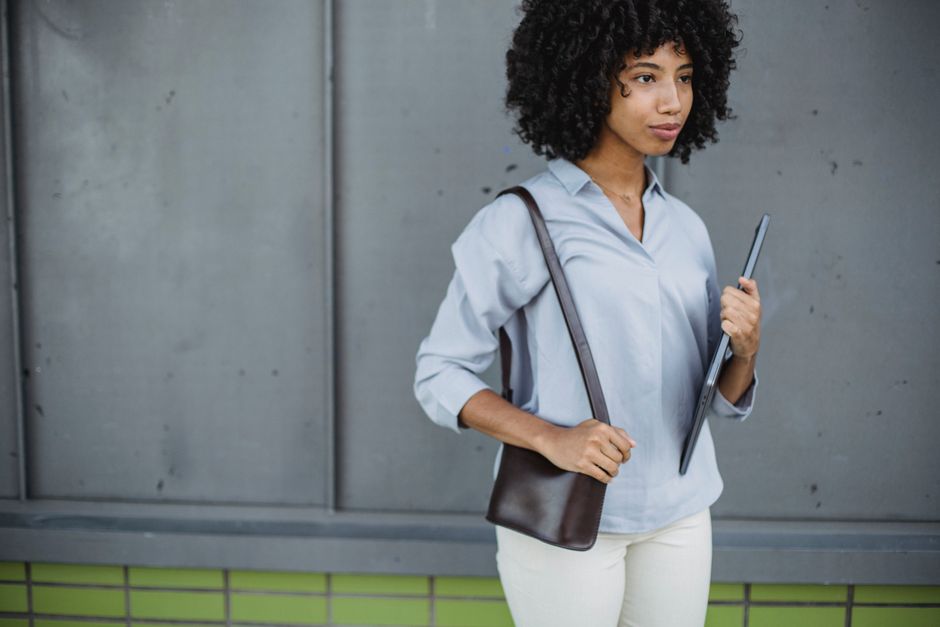
| Feature | Leather Bags | Fabric Bags |
|---|---|---|
| Comfort | Can be heavier; molds to body over time; straps might need breaking in. | Generally lighter; often softer, more flexible; ergonomic designs common. |
| Durability | Excellent, especially full-grain; develops patina; resistant to punctures, but prone to scratches and water stains. | Varies widely (nylon, polyester, canvas); can be highly tear-resistant; often water-resistant; less prone to scratching. |
| Security | Thicker material can deter quick cuts; fewer external pockets usually mean fewer access points; can be harder to slash. | Many anti-theft designs (slash-proof panels, lockable zippers, RFID pockets); can be cut if not reinforced; external pockets are common. |
| Maintenance | Requires regular conditioning and specific cleaning products; susceptible to drying out and cracking. | Easier to clean (wipe down, spot clean, some are machine washable); less prone to cracking; may fade with sun exposure. |
| Aesthetics | Classic, professional, luxurious; ages well, developing unique character. | Versatile, modern, casual; wide range of colors and patterns; can look less formal. |
| Weight | Typically heavier due to material density. | Generally lighter, a key advantage for carry-on bags and daily commutes. |
Common Mistakes to Avoid with Your Bags
Even with the best intentions, some common missteps can shorten your bag’s lifespan or compromise its utility. Being aware of these can save you time and money.
Carry-On Bags for a Seven-Day Holiday: Your Practical Size and Features Checklist
A common mistake is overfilling your bag. While that extra jacket might fit into your carry-on bag, the stress it puts on zippers, seams, and handles significantly reduces its lifespan. This is particularly true for laptop bags, where the weight of electronics can easily strain less solid construction. Always try to pack thoughtfully, prioritizing essentials.
Another frequent error is neglecting regular cleaning. Dirt, oils from your hands, and environmental pollutants can build up, especially on fabric bags used daily for commuting. For leather, this neglect leads to drying and cracking. A quick wipe-down or spot clean takes minimal effort but pays dividends in maintaining appearance and durability.
Exposure to extreme conditions without protection is also detrimental. Leaving a leather bag in direct sunlight can cause fading and drying, while fabric bags left out in heavy rain without adequate waterproofing can absorb water, potentially damaging contents. Consider the environment you’re in—whether it’s the rainy season in Europe or the dry heat of Spain—and adapt your bag’s protection accordingly.
Finally, ignoring minor damage can turn a simple fix into a costly repair or even require a full replacement. A loose stitch, a slightly frayed strap, or a sticky zipper are all warning signs. Addressing these promptly prevents the issue from escalating, ensuring your anti-theft bag remains secure and your travel bag reliable for countless journeys.
FAQ: Choosing and Caring for Your Bags
How do I choose the right bag for work and travel?
Start by assessing your daily carry needs: what essentials do you transport? For work, consider a laptop bag with padded compartments and organizational features. For travel, prioritize lightweight materials, comfortable straps, and security features like lockable zippers, especially for carry-on bags on airlines like Ryanair or easyJet. Material choice also matters: leather for a classic, durable look, or fabric for lighter weight and water resistance.
Are anti-theft bags truly effective?
Anti-theft bags offer enhanced protection through features like slash-proof materials (often in crossbody bag designs), lockable zippers, RFID-blocking pockets, and secure strap attachments. While no bag is entirely theft-proof, these features significantly deter opportunistic thieves, making them a sensible choice for crowded areas in cities like London or New York, or when navigating busy airports with valuable items.
What’s the best way to clean a canvas bag?
For most canvas bags, spot cleaning with a mild soap and a damp cloth is effective. Avoid harsh chemicals that can damage the fabric or color. For deeper cleaning, some canvas bags can be hand-washed with cool water and a gentle detergent. Always air dry completely away from direct sunlight to prevent shrinkage or fading, and check the manufacturer’s care label first.
Can I machine wash my fabric travel bag?
Generally, it’s not recommended to machine wash most structured fabric travel bags, especially those with internal frames, padding, or specialized coatings. Machine washing can damage zippers, linings, and shape. Always check the care label; if in doubt, opt for spot cleaning or hand washing. For simpler, unstructured fabric bags, a gentle cycle with cold water might be permissible.
How often should I condition a leather bag?
The frequency of conditioning depends on how often you use the bag and the climate. For daily use or in dry conditions, conditioning every 2-3 months is advisable. For less frequent use or in humid environments, every 4-6 months might suffice. Regular conditioning prevents the leather from drying out, cracking, and helps maintain its supple feel and rich appearance.
Choosing the best bags for travel and work is an investment in your daily comfort, efficiency, and peace of mind. By understanding the characteristics of leather and fabric, and committing to proper care, you can ensure your bags remain reliable companions for every journey, from your commute in Berlin to international adventures. Explore more bags guides on AtTheFashion to find your next perfect bag.




Leave feedback about this