

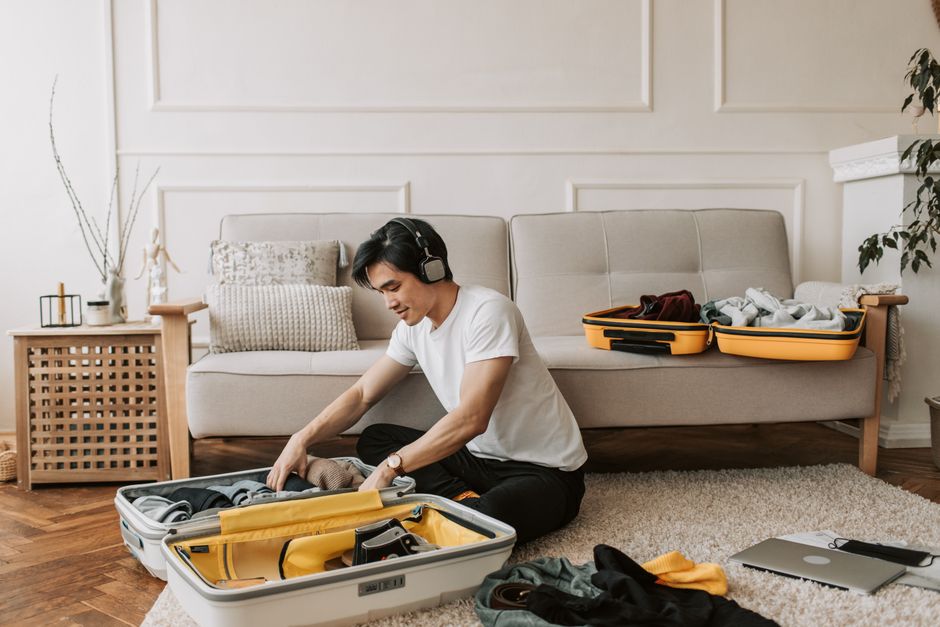
Men can build a useful travel wardrobe without overspending by focusing on versatile, multi-purpose items that can be mixed and matched. Prioritize durable, wrinkle-resistant fabrics suitable for various climates and occasions. Investing in quality basics like neutral-colored chinos, a versatile blazer, and comfortable walking shoes minimizes the total number of items needed, reducing both cost and luggage weight. This approach, often called a capsule wardrobe, emphasizes adaptability, allowing travelers to create multiple outfits from a limited selection of clothing, making it ideal for both European city breaks and US road trips.
When preparing for a journey, whether it’s a whirlwind tour of European capitals or a multi-city adventure across the United States, the perennial packing dilemma surfaces: how do you manage to look presentable, feel comfortable, and avoid the dreaded oversized luggage fee? For many men, the instinct is often to overpack, bringing a separate outfit for every potential scenario. However, years of observing travelers (and making my own packing mistakes) have taught me that less truly can be more, especially when each item serves multiple purposes.
Consider the professional who needs to transition smoothly from a business meeting in London to a casual dinner in Berlin, or the student exploring the historical sites of Rome by day and attending a concert in Milan by night. The common thread is the need for adaptability without sacrificing style. This isn’t about rigid adherence to fashion rules; it’s about practical choices that empower you to enjoy your travels without wardrobe stress.
Building a Smart Travel Wardrobe for Men: The Core Principles
The foundation of effective men’s fashion advice for travel clothes for Europe and the US lies in a few core principles: versatility, comfort, and durability. These aren’t just buzzwords; they’re the pillars upon which you can construct a capsule wardrobe that serves you well from New York’s skyscrapers to Paris’s boulevards. The goal is to maximize your outfit options while minimizing the actual number of garments you carry, directly answering the question of how men can build a useful wardrobe without overspending.
Think about pieces that can be dressed up or down with a simple change of shirt or accessories. Neutral colors become your best friends, allowing for easy mixing and matching. Fabrics that resist wrinkles and dry quickly are invaluable. Ultimately, a smart travel wardrobe is about strategic planning, enabling you to focus on the experience, not on what to wear next.
Essential Components of a Versatile Travel Wardrobe
Navigating the diverse climates and cultural nuances of Europe and the US requires thoughtful selection. Here’s a breakdown of menswear essentials that form the backbone of a highly functional travel capsule:
The Ultimate Guide to Rocking a Man Bag: Top Tips and Tricks Revealed
- Bottoms: The Foundation of Flexibility. Pack two to three pairs of trousers. Dark wash jeans are a universal staple, suitable for casual exploration or even a relaxed evening out. Complement them with a pair of well-fitting chinos in a neutral color like khaki, navy, or olive. For warmer climates or more active days, consider a pair of comfortable, quick-drying performance pants that still look smart. Avoid anything too bulky or overly casual like gym shorts, unless your itinerary is exclusively beach-focused.
- Tops: Layers and Longevity. Four to six versatile tops will cover most scenarios. Include two to three quality t-shirts (crew neck or V-neck) in neutral colors (white, grey, black) for layering or standalone wear. Add two collared shirts—one casual button-down (e.g., chambray or a soft linen blend) and one more refined option (e.g., a well-fitting Oxford cloth button-down or a wrinkle-resistant blend) for dressier occasions. A merino wool t-shirt is a smart investment due to its odor-resistance and temperature-regulating properties.
- Outerwear: Adapting to the Elements. A lightweight, packable jacket is crucial. A water-resistant bomber jacket or a field jacket can serve multiple purposes, providing warmth and protection from unexpected rain. For cooler destinations like Berlin in autumn or London in spring, a lightweight blazer in a neutral color (navy or charcoal) not only adds a layer of warmth but instantly elevates any outfit to smart casual.
- Footwear: Comfort is King. This is perhaps the most critical component. You’ll need three pairs of shoes at most. A comfortable, supportive pair of walking shoes (stylish sneakers or leather walking shoes that you’ve broken in) is non-negotiable for long days of sightseeing. A pair of versatile smart casual shoes (e.g., chukka boots, loafers, or minimalist leather sneakers) for evenings out or slightly dressier occasions. If visiting warmer climes or beaches, a pair of simple, sturdy sandals might be useful, but avoid flip-flops unless strictly for poolside.
- Accessories: The Finishing Touches. A good belt (brown or black leather), a versatile watch, and a couple of pairs of socks (including some merino wool options for comfort and odor control) are essential. Don’t underestimate the power of a stylish scarf, especially in Europe, which can add a touch of sophistication and warmth.
- Undergarments: Practicality and Plenty. Pack enough underwear for your trip duration, plus a few extra. Quick-drying fabrics are excellent for hand-washing on longer trips.
Comparing Fabric Choices for the Modern Traveler
Choosing the right fabrics is paramount for travel. They dictate comfort, packability, and how well your clothes hold up through multiple wears and washes. Here’s a comparison to help you make informed decisions, especially when considering sustainable fabrics.
| Fabric Type | Pros | Cons | Best For |
|---|---|---|---|
| Merino Wool | Excellent temperature regulation (cool in heat, warm in cold), odor-resistant, wrinkle-resistant, relatively quick-drying, sustainable. | Can be more expensive, requires careful washing (often cold water, air dry). | Base layers, t-shirts, light sweaters, socks for all climates. |
| Linen | Highly breathable, lightweight, excellent for hot weather, sustainable. | Wrinkles easily, can look too casual for some settings. | Casual shirts, warm-weather trousers, lightweight blazers. |
| Cotton (e.g., Oxford) | Soft, breathable, comfortable, durable, widely available. | Wrinkles easily, slow to dry, can feel heavy when wet, less odor-resistant. | Casual shirts, t-shirts, jeans (in blends). |
| Synthetic Blends (e.g., Polyester, Nylon) | Very wrinkle-resistant, quick-drying, durable, lightweight, often water-resistant. | Less breathable than natural fibers, can retain odors, less sustainable if not recycled. | Performance wear, outerwear, travel trousers, quick-dry shirts. |
| Tencel/Lyocell | Soft, breathable, drapes well, strong, wrinkle-resistant, sustainable manufacturing. | Can be more delicate than synthetics, might be pricier. | Dressier shirts, softer trousers, comfortable everyday wear. |
Common Packing Mistakes Men Make on Travel
Even with the best intentions, it’s easy to fall into common packing traps. Avoiding these can save you space, stress, and potential expenses.
A frequent error is packing for ‘what ifs’ rather than ‘what is’. Bringing clothes for hypothetical formal dinners or extreme weather conditions that aren’t on your itinerary only adds unnecessary bulk. Instead, focus on the confirmed activities and typical weather for your destination and duration. If a truly unexpected event arises, you can always purchase a specific item locally.
Another pitfall is neglecting to try on outfits before packing. Lay out your planned daily outfits and see how many combinations you can create from your chosen pieces. You might realize that certain items don’t work well together, or that you have redundant garments. This step is crucial for verifying your capsule wardrobe’s effectiveness.
Overpacking shoes is a classic mistake. Shoes are heavy and take up considerable space. As mentioned, three pairs at most should suffice for almost any trip. Ensure the shoes you bring are comfortable and broken in; new shoes are a recipe for blisters and discomfort.
Lastly, ignoring laundry options while abroad can lead to overpacking. Most accommodations in major cities like London, Paris, and Rome offer laundry services, and self-service laundromats are widely available. Packing a small amount of travel detergent allows you to wash smaller items like socks and underwear in your hotel sink, extending the wear of your clothes and reducing the total number of items needed.
Fashion Forward: Top Trends and Style Advice for Modern Women
FAQ: Men’s Travel Clothing
What is smart casual for men traveling in Europe?
Smart casual in Europe generally means polished yet comfortable. Think well-fitting dark jeans or chinos paired with a button-down shirt or a clean, simple polo. Add a lightweight blazer or a stylish sweater for an elevated touch. Avoid overly athletic wear, ripped jeans, or graphic t-shirts in more formal settings, especially in cities like Milan or Paris.
How many pairs of shoes should a man pack for a two-week trip?
For a two-week trip, a man should pack a maximum of three pairs of shoes. This typically includes one comfortable, broken-in pair of walking shoes or stylish sneakers, one pair of versatile smart casual shoes (like loafers or chukkas), and potentially a third pair for specific activities like hiking or beachwear, if relevant to the itinerary.
Are jeans appropriate for traveling in Europe?
Yes, dark wash, well-fitting jeans are absolutely appropriate for traveling in Europe and are a staple in men’s fashion advice for travel clothes. They are versatile enough for casual sightseeing during the day and can be dressed up with a smart shirt and blazer for evening dinners. Avoid overly distressed or baggy jeans, especially in more formal European cities.
What are the best fabrics for wrinkle-free travel clothes?
The best fabrics for wrinkle-free travel include merino wool, synthetic blends (like polyester, nylon, and Tencel/Lyocell), and tightly woven cotton twills. These materials naturally resist creases or spring back into shape easily after being packed, minimizing the need for ironing and keeping you looking sharp on the go.
Can I wear athletic shoes in European cities?
You can wear athletic shoes in European cities, especially stylish, clean sneakers. Many Europeans embrace fashionable athletic footwear for daily wear. However, for evenings out or more upscale restaurants in cities like Milan or Paris, it’s advisable to opt for a more refined shoe like a loafer, chukka boot, or minimalist leather sneaker to align with local sensibilities.
Mastering men’s fashion advice for travel clothes for Europe and the US isn’t about owning an endless wardrobe, but about making deliberate, versatile choices that free you to explore. By focusing on quality basics, layering, and smart fabric choices, you can build a useful wardrobe that takes you from New York’s vibrant streets to the historic charm of Berlin and beyond, all without the burden of overpacking. Explore more men’s guides on AtTheFashion to further refine your style.

Leave feedback about this