

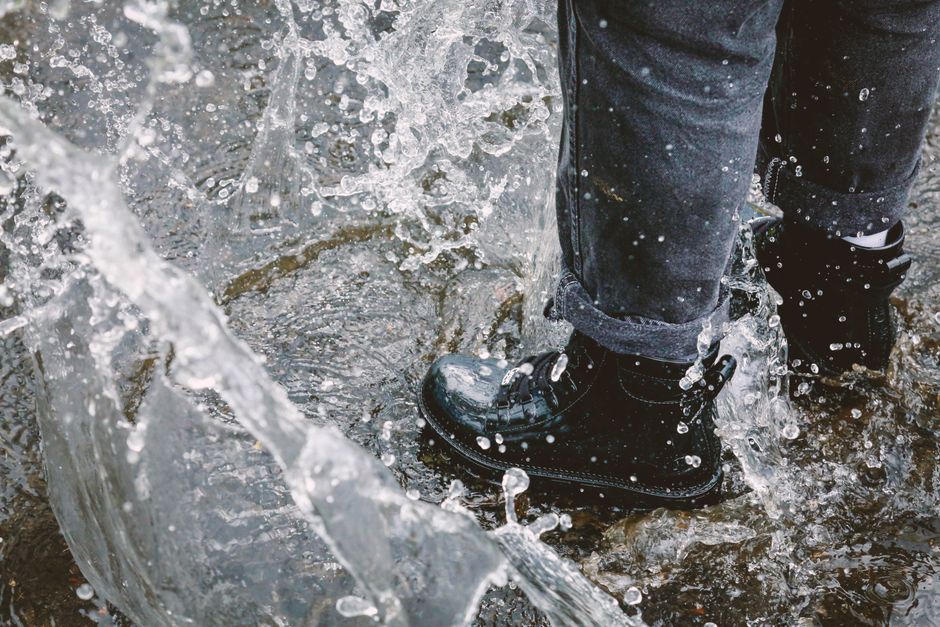
Choosing comfortable footwear for rainy commutes means prioritizing waterproof materials combined with ergonomic design. Look for shoes featuring Gore-Tex, eVent, or similar breathable membranes that block water while allowing sweat vapor to escape. Essential comfort features include adequate arch support, cushioned insoles, and a roomy toe box to prevent pressure points. For walking all day, a flexible sole that absorbs impact and a secure lacing system are crucial. The ideal shoe balances waterproofing with ventilation, ensuring feet stay dry from external moisture and internal perspiration.
A sudden downpour can quickly turn a pleasant walk to work or a day of sightseeing into a miserable, squishy experience. Whether you’re navigating the historic cobblestones of Rome, the bustling streets of New York, or the charming avenues of Paris, having the right footwear is non-negotiable when the weather turns. Our focus today is on finding comfortable footwear guide waterproof shoes for rainy commutes that don’t just keep your feet dry, but also provide the all-day comfort you need, no matter your destination.
This guide cuts through the marketing jargon to give you practical advice on selecting shoes that will stand up to the elements and keep your feet happy. We’ll compare different types of waterproof shoes, discuss what truly makes a shoe comfortable for long periods, and answer your most pressing questions to ensure your next commute or travel adventure isn’t dampened by wet feet.
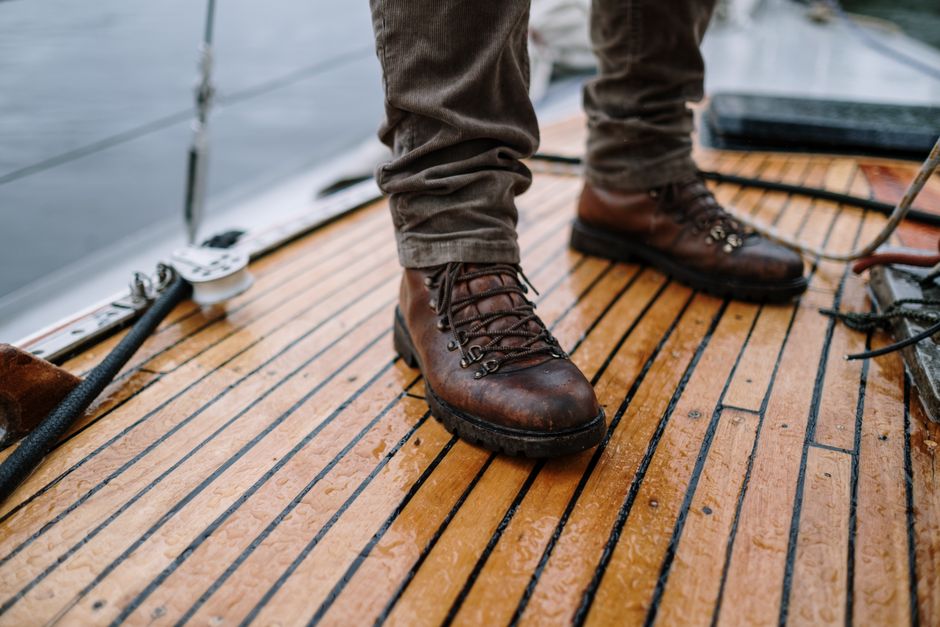
Understanding Waterproofing Technology: More Than Just ‘Water-Resistant’
When you’re searching for comfortable footwear guide waterproof shoes for rainy commutes, it’s vital to differentiate between ‘water-resistant’ and truly ‘waterproof.’ Water-resistant materials, like some treated leathers or coated fabrics, can repel light rain for a short time, but they will eventually succumb to sustained downpours or puddles. True waterproof shoes, on the other hand, employ membranes that create a barrier, preventing water from penetrating while often allowing moisture vapor (sweat) to escape.
Key Waterproof Membranes
- Gore-Tex: The gold standard for many, Gore-Tex is a microporous membrane that’s bonded between the outer fabric and the inner lining. Its pores are too small for water droplets to pass through but large enough for sweat vapor, offering excellent breathability and waterproof protection. This makes it ideal for walking shoes that need to perform in varied climates, from the humid winters of London to the sudden storms of Chicago.
- eVent: Similar to Gore-Tex, eVent also uses a direct venting technology for high breathability. It’s often favored in performance-oriented footwear where maximum comfort and minimal internal moisture build-up are critical.
- Proprietary Technologies: Many brands develop their own waterproof membranes (e.g., KeenDry, HydroSeal, Futurelight). These can be very effective, but it’s worth checking reviews to ensure they perform reliably in real-world conditions.
Beyond the membrane, a shoe’s construction matters. Fully taped seams, a gusseted tongue (where the tongue is connected to the shoe all the way up the sides), and careful material selection are all part of a truly waterproof design. A common mistake is assuming that a shoe with a waterproof upper will keep your feet dry if water can seep in through seams or around the tongue.
What Makes a Shoe Comfortable for Walking All Day?
Choosing comfortable footwear guide waterproof shoes for rainy commutes goes beyond just keeping water out. Comfort for all-day walking hinges on several interconnected factors:
- Arch Support: Proper arch support aligns your foot, ankle, and knee, preventing fatigue and common issues like plantar fasciitis. Whether you have high arches, low arches, or neutral feet, the right support distributes pressure evenly.
- Cushioning and Midsole: A responsive midsole (often made of EVA or PU foam) absorbs shock with each step, reducing impact on your joints. Too soft, and you lack support; too firm, and you feel every bump. A good balance is key for urban environments like European cobblestones or long airport walks.
- Fit and Toe Box: Your toes need room to splay naturally. A wide toe box prevents rubbing and pressure, especially important during long periods of standing or walking. Your heel should feel secure without slipping, and the shoe shouldn’t pinch anywhere. Always try shoes on at the end of the day when your feet are slightly swollen.
- Flexibility vs. Stability: A good walking shoe offers flexibility in the forefoot for natural movement but enough rigidity through the midfoot for stability. This balance is crucial for navigating uneven terrain or covering significant distances.
- Breathability: Even waterproof shoes need to breathe. Internal moisture from sweat can lead to blisters and discomfort. Membranes like Gore-Tex excel here, allowing vapor to escape.
Comparing Popular Waterproof Footwear Styles for Commuters
When it comes to comfortable footwear guide waterproof shoes for rainy commutes, several categories stand out. Each has its own strengths and ideal use cases:
1. Waterproof Sneakers and Trainers
Ideal for: Daily urban commutes, light travel, casual walks, gym-to-office transitions. Think speed and agility on the streets of Berlin or Milan.
Walk with Elegance: Unveiling the Exquisite Range of Women’s Shoes by official-usaflex
Many athletic brands now offer waterproof versions of their popular sneakers, often integrating Gore-Tex. These provide excellent cushioning and flexibility, making them incredibly comfortable for walking all day. They blend smoothly with casual and smart-casual attire. However, their lower cut means deep puddles can still be an issue if water splashes over the ankle.
2. Waterproof Hiking/Walking Shoes (Low-Cut)
Ideal for: More rugged urban environments, extensive walking, day trips, light hiking. Perfect for exploring the hilly streets of Lisbon or the expansive parks of New York City.
These shoes offer more support and durability than sneakers, with solid outsoles for better grip on wet surfaces. They often feature reinforced toes and heels. While slightly bulkier, many modern designs are sleek enough for city wear. They provide excellent all-day comfort and superior waterproofing. Brands like Merrell, Keen, and Salomon are strong contenders here.
3. Waterproof Boots (Ankle and Mid-Calf)
Ideal for: Heavy rain, snow, cold weather, stylish urban wear, more formal commutes. From the slushy sidewalks of Chicago to the perpetually damp weather of London.
Waterproof boots offer the highest level of protection, often extending well above the ankle. Options range from rugged hiking boots to stylish leather or synthetic commuter boots. Look for insulated versions for colder climates. While offering maximum protection, they can be heavier and sometimes less breathable than low-cut options, though advancements in materials are constantly improving this. Brands like Blundstone, Timberland, and Dr. Martens (for their waterproof lines) are popular choices.
4. Waterproof Loafers & Flats
Ideal for: Business casual environments, lighter rain, city walking where style is paramount. For example, a polished look for a Paris office or an art gallery visit in Rome.
Emerging as a strong option for professionals, many brands now offer waterproof loafers and ballet flats. These typically use treated leather or synthetic materials with a waterproof lining. While they may not withstand deep puddles as well as boots, they are excellent for preventing wet socks from light rain and offer a more formal aesthetic than sneakers. Comfort can vary, so check for cushioned insoles and good arch support.
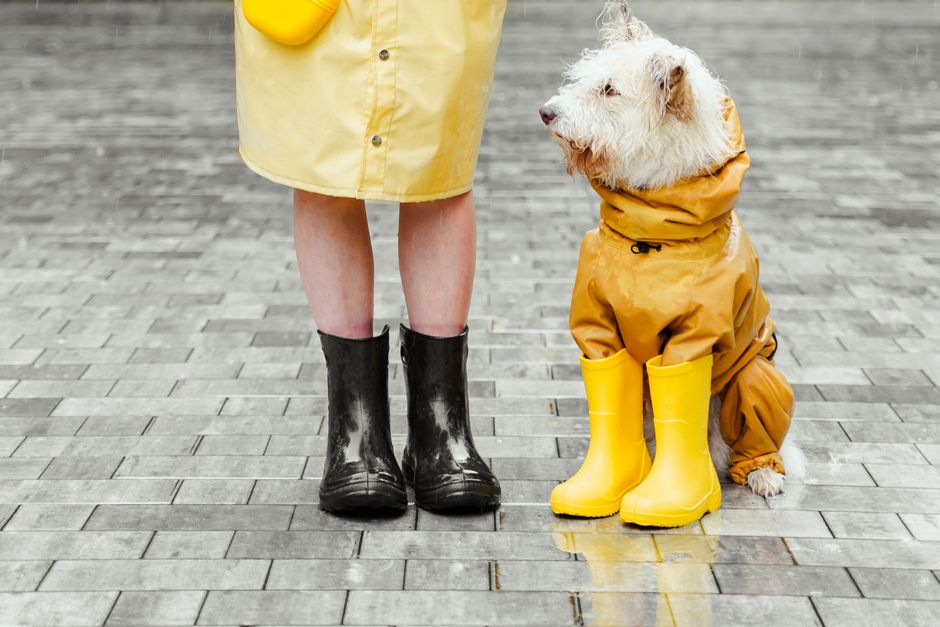
Care and Maintenance for Your Waterproof Footwear
To ensure your comfortable footwear guide waterproof shoes for rainy commutes last, proper care is essential. Regularly clean off dirt and mud with a soft brush and damp cloth. For shoes with membranes, avoid harsh detergents that can degrade the waterproofing. Reapplying a DWR (Durable Water Repellent) spray periodically can help the outer fabric shed water more effectively, especially after significant wear.
Official-Clarks: Your Go-To Destination for Trendy and Comfortable Footwear
Allow wet shoes to air dry naturally at room temperature, away from direct heat sources like radiators, which can damage materials and adhesives. Stuffing them with newspaper can help absorb internal moisture and maintain their shape.
Buyer FAQ: Comfortable Footwear Guide Waterproof Shoes for Rainy Commutes
Does Gore-Tex lose its waterproofing over time?
While extremely durable, Gore-Tex can lose some effectiveness over many years of heavy use, especially if the outer fabric’s DWR coating wears off. The membrane itself is designed to last the lifetime of the shoe, but dirt, abrasion, and improper washing can compromise it. Regularly cleaning and reapplying DWR to the outer fabric helps maintain performance.
How can I tell if a shoe is truly waterproof or just water-resistant?
True waterproof shoes will explicitly state they use a waterproof membrane like Gore-Tex, eVent, or a reputable proprietary technology. They often feature fully sealed seams. Water-resistant shoes might just mention treated leather or water-repellent coatings, which offer less protection against sustained wet conditions. Always look for specific membrane claims.
Are waterproof shoes usually less breathable than regular shoes?
Historically, yes, but modern waterproof membranes like Gore-Tex and eVent are highly breathable. They are designed to allow water vapor (sweat) to escape while preventing liquid water from entering. While they might not be quite as airy as a mesh sneaker, the difference is often minimal enough for all-day comfort in most conditions, especially when paired with moisture-wicking socks.
Can I wear waterproof shoes in warm weather?
You can, but it depends on the specific shoe and climate. Lightweight, breathable waterproof sneakers are fine for rainy spring or summer days. However, heavily insulated waterproof boots can be uncomfortably warm in hot weather. Consider the shoe’s overall construction and insulation levels when choosing for warmer, wet conditions.
What kind of socks should I wear with waterproof shoes?
Even with breathable waterproof shoes, wearing the right socks is crucial. Opt for moisture-wicking socks made from merino wool or synthetic blends. Avoid cotton, as it absorbs moisture and stays wet, leading to discomfort and blisters, negating the benefits of your waterproof footwear.
Is shoe fit different for waterproof shoes?
Generally, no. The fit principles remain the same: comfortable snugness around the heel and midfoot, with ample room in the toe box. Some people prefer to size up by half a size if they plan to wear thicker socks, but the internal waterproof membrane doesn’t typically alter the fundamental fit drastically.
Conclusion
Investing in comfortable footwear guide waterproof shoes for rainy commutes is an investment in your daily comfort and well-being. Whether you’re navigating the slick pavements of New York or the historic charm of Krakow, dry and comfortable feet make all the difference. By understanding the technologies, prioritizing fit and support, and choosing the right style for your needs, you can confidently stride through any forecast.
For more insights and to explore further, we invite you to Explore more footwear guides on AtTheFashion.

Leave feedback about this