

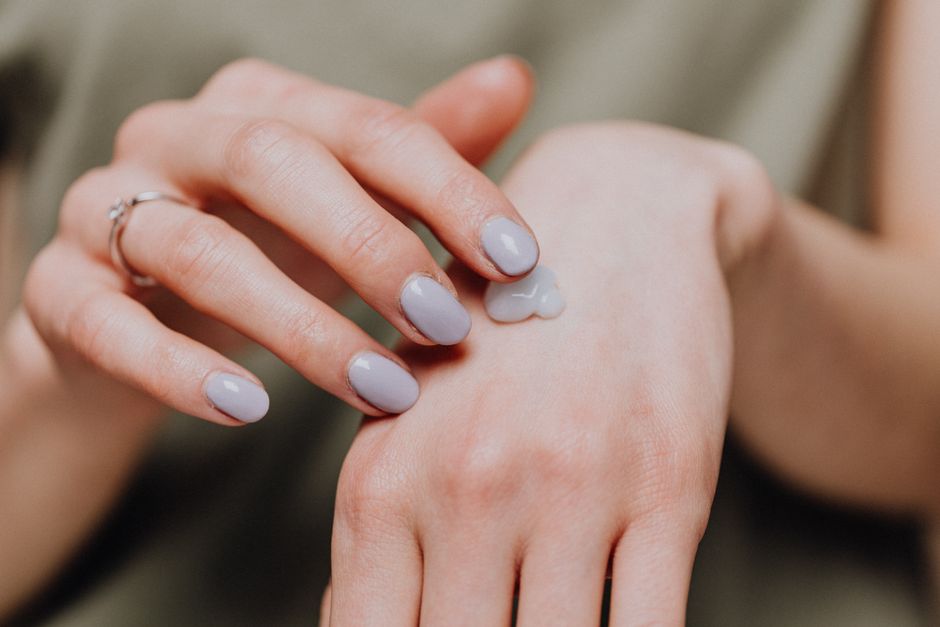
For anyone navigating the often-confusing world of skincare, especially those with sensitive skin, understanding how to build a practical beauty and skincare guide for a simple skin barrier routine for sensitive skin is paramount. It’s easy to get overwhelmed by the sheer number of products, ingredients, and trending routines. However, for sensitive skin, less is often more. The goal isn’t to chase perfection with a ten-step regimen, but to foster resilience and comfort.
Whether you’re in New York, London, Berlin, or Rome, the principles of nurturing a healthy skin barrier remain consistent, though product access and specific formulations might vary slightly. This guide cuts through the noise to offer straightforward, actionable advice tailored for shoppers in both the US and Europe.
Imagine you’ve just returned from a long flight, your skin feeling tight and reactive. Or perhaps you’re simply tired of products promising miracles only to deliver redness and discomfort. This guide is for you – a clear pathway to a happier, healthier complexion without unnecessary complexity.

Understanding Your Skin Barrier and Why It Matters
Think of your skin barrier as the outermost protective layer, much like a brick wall. The ‘bricks’ are your skin cells, and the ‘mortar’ is a mix of lipids (fats like ceramides, cholesterol, and fatty acids). This wall keeps good things in (like hydration) and bad things out (like irritants, pollutants, and bacteria). When this barrier is compromised – whether from harsh products, environmental factors, or genetics – sensitive skin often manifests as redness, dryness, itching, or stinging.
A practical beauty and skincare guide for a simple skin barrier routine for sensitive skin focuses on strengthening this wall, not demolishing it with aggressive treatments. Recognizing the signs of a damaged barrier (flakiness, persistent tightness, unusual redness) is the first step toward effective care.
Key Components of a Healthy Skin Barrier
- Lipids: Ceramides are perhaps the most famous, crucial for holding skin cells together.
- Natural Moisturizing Factors (NMFs): These are substances like hyaluronic acid, urea, and amino acids that naturally draw and hold water in the skin.
- Balanced pH: The skin’s surface is naturally slightly acidic (around pH 5.5). Products that disrupt this can weaken the barrier.
The Foundational Three: Cleansing, Hydrating, Protecting
For sensitive skin, a simple skin barrier routine hinges on three non-negotiable steps. These form the bedrock of any effective practical beauty and skincare guide for a simple skin barrier routine for sensitive skin, whether you’re in Paris or Portland.
Step 1: Gentle Cleansing – The Art of Not Stripping
The biggest mistake sensitive skin types make is using harsh cleansers. Foaming cleansers with strong sulfates can strip away natural oils, leaving your skin feeling ‘squeaky clean’ but also vulnerable. Instead, opt for creamy, milky, or gel-to-oil cleansers that respect your skin’s natural pH.
- US & UK Favorites: Look for brands like CeraVe Hydrating Cleanser, La Roche-Posay Toleriane Hydrating Gentle Cleanser, or Vanicream Gentle Facial Cleanser. These are widely available and dermatologist-recommended.
- European Staples: Bioderma Sensibio H2O Micellar Water (a French pharmacy icon, great for travel), Avène Extremely Gentle Cleanser Lotion, or Eucerin DermatoCLEAN Mild Cleansing Milk are excellent choices readily found in pharmacies across Germany, France, Italy, Spain, and Poland.
How to use: Use lukewarm water (never hot). Massage gently for 30-60 seconds and rinse thoroughly. Pat dry with a soft towel – no rubbing!
Step 2: Hydration & Barrier Support – Replenish and Repair
After cleansing, immediate hydration is key to lock in moisture. This is where ingredients like ceramides, hyaluronic acid, and glycerin truly shine.
Beauty Essentials for Long-Haul Flights: Your Practical Skincare and Makeup Guide
- Serums (Optional but Recommended): A hyaluronic acid serum can be applied to damp skin before moisturizer. Brands like The Ordinary (globally available, very affordable), Paula’s Choice (US/EU), or Vichy Mineral 89 (EU-strong presence) offer effective options.
- Moisturizers: This is your barrier’s best friend. Choose rich, emollient creams over light lotions, especially if your skin feels dry. Seek out formulas containing ceramides, fatty acids, and cholesterol to mimic your skin’s natural lipid barrier.
Product Examples:
- US & UK: CeraVe Moisturizing Cream, Paula’s Choice Omega+ Complex Moisturizer, First Aid Beauty Ultra Repair Cream.
- Europe: La Roche-Posay Lipikar Baume AP+M (excellent for very dry, sensitive skin), Avène Tolerance Control Balm, Eucerin AtopiControl Cream. These are easily found in drugstores and pharmacies from Madrid to Warsaw.
How to use: Apply serum to damp skin, then follow with moisturizer while skin is still slightly damp to seal in hydration. Don’t forget your neck!
Step 3: Sun Protection – Your Daily Shield
This is arguably the most crucial step for maintaining skin health, especially for sensitive skin prone to hyperpigmentation or redness. UV radiation can severely compromise your skin barrier and accelerate aging. Broad-spectrum SPF (protecting against UVA and UVB) of at least 30 is non-negotiable, every single day, rain or shine.
- Mineral vs. Chemical SPF: Sensitive skin often tolerates mineral sunscreens (zinc oxide, titanium dioxide) better as they sit on the skin’s surface. Modern chemical sunscreens are also well-tolerated by many, so it’s a matter of personal preference and patch testing.
Product Examples:
- US & UK: EltaMD UV Clear Broad-Spectrum SPF 46 (a cult favorite for sensitive, acne-prone skin), CeraVe Hydrating Mineral Sunscreen SPF 50.
- Europe: La Roche-Posay Anthelios UVMune 400 Invisible Fluid SPF50+ (renowned for high protection and elegant texture, a staple in French pharmacies), Avène Intense Protect SPF50+, Eucerin Sun Fluid Photoaging Control SPF50. These are readily available across Germany, France, Italy, Spain, and Poland. Remember that EU regulations often mean slightly different filters and higher UVA protection standards compared to the US.
How to use: Apply a generous amount (about a quarter teaspoon for your face) as the last step in your morning routine. Reapply every two hours if exposed to direct sunlight or after sweating/swimming.
Navigating Advanced Ingredients with Sensitive Skin
Once your barrier is healthy and stable, you might consider incorporating more active ingredients. However, proceed with extreme caution and always patch test!
Retinol and Sensitive Skin: A Cautious Approach
Retinol is a powerhouse for anti-aging and acne, but it can be notoriously irritating. For sensitive skin, the key is to start low and go slow.
- Low Concentration: Begin with a very low percentage (0.01% – 0.05%) once or twice a week.
- Buffered Application: Apply it after your moisturizer to reduce direct contact, or mix a pea-sized amount with your moisturizer.
- Gentle Formulations: Look for ‘retinoid esters’ or ‘granactive retinoid’ for milder options. Bakuchiol is a plant-based alternative often better tolerated.
Brands to consider: The Inkey List Retinol Serum, Paula’s Choice Clinical 0.3% Retinol + 2% Bakuchiol Treatment, Avène A-Oxitive Night Peeling Cream (EU). Always remember, consistency at a low dose is better than aggressive use that irritates your skin.
Hydrating Skincare for Dry Winter: A Practical Guide for US & European Shoppers
Other Actives to Consider (Very Carefully)
- Vitamin C: Can be brightening but also irritating. Look for stabilized forms like Sodium Ascorbyl Phosphate or Magnesium Ascorbyl Phosphate, or lower concentrations of L-Ascorbic Acid.
- AHAs/BHAs: Exfoliants like glycolic or salicylic acid should be used sparingly, if at all. Lactic acid (AHA) is generally milder. Consider a gentle exfoliating toner once a week rather than daily.
Always introduce one new active at a time and wait a few weeks before adding another. If irritation occurs, stop immediately and return to your simple barrier routine.
Makeup Routine for Sensitive Skin
Your makeup choices can also impact your skin barrier. Opt for non-comedogenic and fragrance-free formulas. Mineral foundations can be a good choice as they are often less irritating. Cream products tend to be more hydrating than powders for dry, sensitive skin.
Brands like BareMinerals (US/EU), Physicians Formula (US/UK), and even some offerings from global giants like Estée Lauder’s Double Wear Sheer (Europe/US) offer options designed with sensitive skin in mind. Always check ingredient lists for known irritants like strong fragrances or essential oils if your skin reacts to them.
FAQ: Your Sensitive Skin Questions Answered
What is the simplest beauty routine for healthy-looking skin?
The simplest routine involves three core steps: gentle cleansing, adequate hydration, and daily sun protection. This foundational approach focuses on maintaining the skin’s natural barrier, preventing irritation, and shielding it from environmental damage. Adding further steps should only happen once this basic routine is well-established and your skin barrier is healthy.
How often should I cleanse my sensitive skin?
For most sensitive skin types, cleansing once a day in the evening is sufficient to remove makeup, sunscreen, and daily grime. In the morning, a splash of water or a quick swipe with micellar water can be enough, especially if your skin feels dry or tight. Over-cleansing can strip essential oils and compromise the barrier.
Can diet affect my sensitive skin barrier?
While skincare is topical, a balanced diet rich in antioxidants, healthy fats (like omega-3s), and adequate hydration can support overall skin health, which indirectly aids barrier function. Foods high in processed sugars or certain allergens might trigger inflammation for some, exacerbating sensitivity, but this varies greatly from person to person.
Are natural or organic products always better for sensitive skin?
Not necessarily. ‘Natural’ doesn’t automatically mean ‘non-irritating.’ Many natural ingredients, such as essential oils or certain plant extracts, can be potent allergens or irritants for sensitive skin. It’s always about the specific ingredient and formulation, not just the ‘natural’ label. Always patch test, regardless of the product’s marketing.
How can I tell if my skin barrier is damaged?
Signs of a damaged skin barrier include persistent dryness, flakiness, tightness, redness, stinging or burning sensations when products are applied, and increased sensitivity to environmental factors like wind or cold. Your skin may also feel rough to the touch or develop sudden breakouts. If these symptoms appear, simplify your routine immediately.
What’s the difference between sensitive skin and sensitized skin?
Sensitive skin is often a genetic predisposition, characterized by a thinner barrier or fewer pigment-producing cells. Sensitized skin, on the other hand, is a condition caused by external factors like harsh products, over-exfoliation, environmental aggressors, or stress, leading to a compromised barrier. Anyone can have sensitized skin, regardless of their inherent skin type.
Conclusion: Simplify for Success
Building a practical beauty and skincare guide for a simple skin barrier routine for sensitive skin doesn’t have to be complicated or expensive. By focusing on gentle cleansing, effective hydration with barrier-supporting ingredients like ceramides and hyaluronic acid, and consistent SPF protection, you can cultivate a resilient, comfortable, and healthy complexion. Remember, your skin is unique; listen to it, be patient, and prioritize its well-being over trendy fads. Explore more beauty guides on AtTheFashion for further insights and product recommendations.






Leave feedback about this