

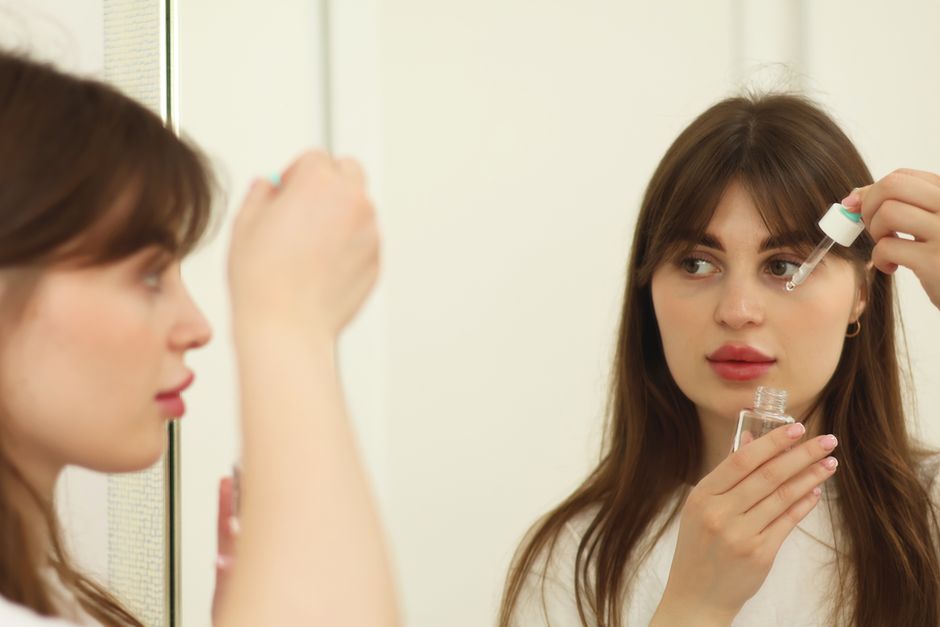
The simplest beauty routine for healthy-looking skin, especially when introducing a powerful ingredient like retinol, focuses on three core steps: cleanse, treat, and protect. For a beginner retinol routine for adults, this translates to a gentle cleanser, a low-strength retinol applied a few nights a week, followed by a hydrating moisturizer (often containing ceramides or hyaluronic acid), and a daily, non-negotiable broad-spectrum SPF 30+ sunscreen. Prioritizing skin barrier health with gentle formulations and consistent sun protection is crucial to prevent irritation and maximize benefits from active ingredients.
You’ve heard the buzz around retinol: the gold standard for reducing fine lines, improving skin texture, and evening tone. Perhaps you’re an adult looking to refresh your routine, or you’re simply tired of scrolling through endless product reviews, wondering where to even begin. It’s easy to feel lost amidst marketing claims and complex ingredient lists. For many, the desire for an effective skincare strategy clashes with the reality of busy schedules and the sheer volume of choices.
This practical beauty and skincare guide for a beginner retinol routine for adults cuts through the noise. We’ll help you understand what retinol is, how to choose a suitable product without marketing confusion, and crucially, how to integrate it into your routine while protecting your precious skin barrier. Think of this as your clear roadmap to embracing retinol effectively and safely, whether you’re in Berlin, Birmingham, Boston, or Bologna.
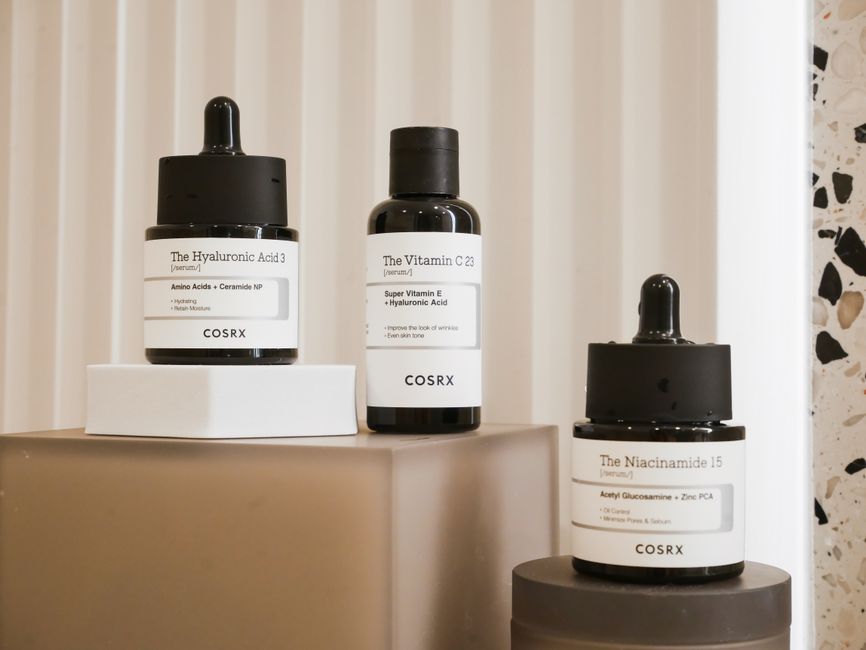
Understanding Retinol: More Than Just a Buzzword
Retinol, a derivative of Vitamin A, is one of the most studied and dermatologist-recommended ingredients for anti-aging. It works by encouraging faster cell turnover, which helps shed old skin cells and brings new ones to the surface. This process can reduce the appearance of wrinkles, fine lines, and hyperpigmentation, while also improving skin elasticity and texture. Unlike some trendy ingredients, retinol has a long track record of scientific evidence supporting its efficacy.
Different Retinoids: A Quick Overview for Beginners
The term ‘retinoid’ is an umbrella term for all Vitamin A derivatives. Retinol is one type, and it’s generally considered a good starting point for beginners because it’s effective but gentler than prescription-strength options like Tretinoin (retinoic acid). Other forms you might encounter include retinaldehyde (or retinal), which converts to retinoic acid faster than retinol, and retinyl esters (like retinyl palmitate), which are the mildest forms and require more conversion steps.
For a beginner retinol routine for adults, starting with an over-the-counter retinol or retinaldehyde product is usually the best approach. These are widely available across the US, UK, Germany, France, Italy, Spain, and Poland, typically found in pharmacies like Boots or Superdrug in the UK, Douglas in Germany, or Sephora across Europe and the US.
Building Your Practical Beauty and Skincare Guide: The Core Routine
Before diving into retinol, it’s essential to have a solid foundational routine. Retinol is a powerful active ingredient, and introducing it to unprepared or compromised skin can lead to irritation. A basic routine should always include cleansing, moisturizing, and sun protection.
1. The Gentle Cleanse: Prepping Your Canvas
A good routine starts with a gentle cleanser that respects your skin’s natural pH and doesn’t strip away its essential oils. Look for cream or gel cleansers that are ‘soap-free’ and ‘fragrance-free’. Over-washing or using harsh cleansers can disrupt your skin barrier, making it more susceptible to irritation from retinol.
- Morning: A splash of water or a very mild, non-foaming cleanser.
- Evening: A gentle cleanser to remove makeup, SPF, and daily grime.
2. The Hydration Hero: Moisturizing and Skin Barrier Support
A quality moisturizer is non-negotiable. It replenishes lost moisture and supports your skin barrier, the outermost layer of your skin that protects against environmental aggressors. Ingredients like ceramides, hyaluronic acid, glycerin, and squalane are excellent for hydration and barrier repair. This is especially critical when using retinol, which can initially cause dryness.
Choose a moisturizer that feels comfortable for your skin type – lighter for oily skin, richer for dry skin. Brands like CeraVe, La Roche-Posay, and Eucerin offer excellent, accessible options widely available across all target GEOs, known for their focus on skin barrier health.
3. The Non-Negotiable: Daily Sunscreen (SPF)
This cannot be stressed enough: if you’re using retinol, you must use sunscreen every single day. Retinol makes your skin more sensitive to the sun, increasing the risk of sunburn and hyperpigmentation. A broad-spectrum SPF 30 or higher is the minimum recommendation, applied generously as the last step in your morning routine, even on cloudy days or indoors near windows.
Many European sunscreens offer excellent protection and texture, often with regulations that ensure high standards. Brands like Bioderma, Avène, and Heliocare are popular in Spain, France, and Italy, while German and Polish consumers often turn to Nivea Sun or Lirene. In the US and UK, familiar options include La Roche-Posay Anthelios or Neutrogena Ultra Sheer.
Introducing Retinol: A Step-by-Step Guide for Sensitive Skin
For a beginner retinol routine for adults, the key is ‘slow and low.’ Patience is your greatest ally to prevent irritation and ensure your skin adjusts comfortably.
1. Start Low, Go Slow: Concentration and Frequency
Begin with a low concentration of retinol, typically 0.1% to 0.3%. Avoid jumping straight to higher percentages, as this often leads to redness, peeling, and sensitivity. Apply retinol just 2-3 times a week at night, on clean, dry skin. After a few weeks of consistent use without irritation, you can gradually increase frequency to every other night, and eventually, every night if your skin tolerates it.
2. The ‘Sandwich’ Method for Sensitive Skin
If you have truly sensitive skin, consider the ‘sandwich’ method. Apply a thin layer of moisturizer, then your retinol, and then another layer of moisturizer. This buffers the retinol, reducing its direct contact with the skin while still allowing it to work. It’s a gentle way to ease your skin into the ingredient.

3. Product Comparison Without Marketing Confusion
When comparing retinol products, look beyond the fancy packaging and bold claims. Here’s what matters:
- Concentration: Clearly stated percentages (e.g., 0.2%, 0.3%, 0.5%). Start low.
- Formulation: Look for products that include hydrating and soothing ingredients like ceramides, hyaluronic acid, niacinamide, or glycerin. These help counteract potential dryness and irritation.
- Packaging: Retinol is sensitive to light and air, so choose products in opaque, airless pumps or tubes. Jars are generally not ideal as they expose the product to degradation.
- Reputable Brands: Stick to established skincare brands known for stable formulations and clear ingredient lists. Companies like Paula’s Choice, The Ordinary, Olay, and Neutrogena offer reliable, accessible retinol options.
What to Expect and Troubleshooting for a Beginner Retinol Routine for Adults
When starting retinol, it’s common to experience a ‘retinol purge’ – a temporary increase in breakouts or flakiness as skin cell turnover accelerates. This usually subsides within a few weeks. Other initial side effects can include mild redness, dryness, and a slight stinging sensation.
When to Scale Back or Stop
If you experience significant redness, peeling, burning, or discomfort, it’s a sign your skin is overwhelmed. Reduce the frequency of application, use the sandwich method more consistently, or temporarily stop using retinol until your skin recovers. Never push through severe irritation, as it can damage your skin barrier.
Combining Retinol with Other Actives
Generally, avoid using other strong active ingredients like AHAs (glycolic acid, lactic acid) or BHAs (salicylic acid) on the same night as retinol, especially when starting out. This can lead to over-exfoliation and irritation. If you use these, alternate them: retinol on one night, acids on another. Vitamin C can be used in the morning, while retinol is for night-time application.
FAQ: Common Questions About Retinol for Beginners
What is the difference between retinol and retinoids?
Retinoid is a broad term for all Vitamin A derivatives. Retinol is a specific type of retinoid, often found in over-the-counter products. Other retinoids include prescription-strength Tretinoin (retinoic acid) and milder forms like retinyl esters. Retinol converts to retinoic acid in the skin to exert its effects, making it effective but less potent than direct retinoic acid.
How long does it take to see results from a beginner retinol routine for adults?
Patience is key with retinol. While some might notice subtle improvements in texture within 4-6 weeks, significant results, such as reduced fine lines or hyperpigmentation, typically take 3-6 months of consistent use. Remember, everyone’s skin responds differently, so consistency and adherence to a gentle routine are crucial.
Can I use retinol if I have sensitive skin?
Yes, but with extreme caution. Start with the lowest possible concentration (e.g., 0.1% or encapsulated retinol) and use it only once or twice a week. Employ the ‘sandwich’ method, layering it between two applications of a rich, barrier-supporting moisturizer. Always listen to your skin and reduce frequency or stop if irritation occurs. Prioritize repairing your skin barrier before starting.
What ingredients should I avoid when using retinol?
When introducing retinol, it’s best to temporarily avoid other strong active ingredients like Alpha Hydroxy Acids (AHAs – e.g., glycolic acid), Beta Hydroxy Acids (BHAs – e.g., salicylic acid), and benzoyl peroxide, especially on the same night. Combining them can lead to over-exfoliation, irritation, and a compromised skin barrier. Introduce these separately or alternate on different nights.
Is a prescription retinol always better than over-the-counter options?
Prescription retinoids like Tretinoin are generally stronger and work faster because they are already in the active retinoic acid form. However, they also carry a higher risk of irritation. For a beginner retinol routine for adults, over-the-counter retinol or retinaldehyde products are an excellent starting point, offering significant benefits with a gentler introduction. Many people achieve great results without ever needing a prescription.
Do I need to store retinol products in a specific way?
Yes, retinol is sensitive to light and air. To maintain its stability and efficacy, always store retinol products in a cool, dark place, away from direct sunlight and extreme temperatures. Ensure the cap is tightly closed, and choose products packaged in opaque, airless pumps or tubes to minimize exposure to oxygen.
Conclusion: Simplify Your Retinol Journey
Navigating the world of retinol doesn’t have to be confusing. By understanding the basics, prioritizing your skin barrier with ingredients like ceramides and hyaluronic acid, starting with low concentrations, and religiously applying SPF, you can confidently integrate retinol into your routine. Remember, consistency and patience are far more effective than aggressive approaches. For more practical beauty and skincare guides, including tips for makeup routines and comprehensive skincare advice, explore more beauty guides on AtTheFashion.





Leave feedback about this