

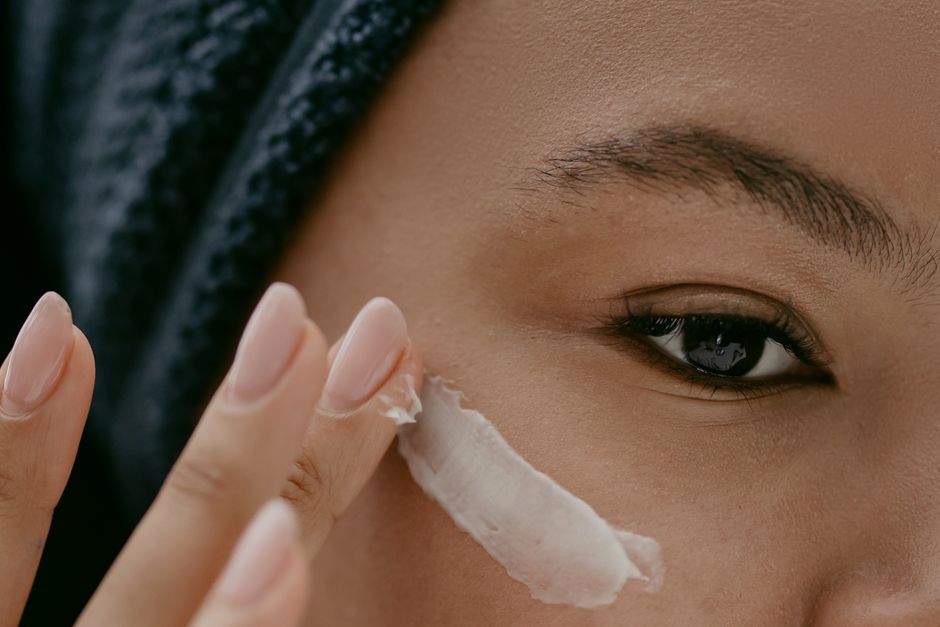
There’s nothing quite like the excitement of a long-haul flight—the promise of a new destination, new experiences, and perhaps a few hours to catch up on sleep or movies. But for your skin, it’s often a different story. The notoriously dry cabin air, coupled with changes in altitude and sleep patterns, can leave your complexion feeling parched, dull, and prone to breakouts. This is where a strategic approach to your in-flight beauty regimen comes into play. We’re talking about a practical beauty and skincare guide for long-haul flights that actually works, ensuring you land looking and feeling refreshed, not fatigued.
Whether you’re jetting from London to New York, Berlin to Tokyo, or Paris to Buenos Aires, understanding how to protect your skin barrier and maintain hydration is crucial. We’ll look at the essentials, answer your common skincare and beauty questions, and help you craft a simple yet effective routine that respects your skin’s needs even at 30,000 feet.
Before we dive into specific products, let’s address the elephant in the cabin: that incredibly dry air. Aircraft cabins typically have humidity levels as low as 10-20%, which is significantly drier than most deserts. This environment actively draws moisture out of your skin, leading to dehydration, tightness, and sometimes even a compromised skin barrier. The solution isn’t about packing your entire vanity, but rather selecting smart, hardworking products that combat these specific challenges.
Understanding the Basics: Why Your Skin Reacts on a Flight
The unique environment of a long-haul flight isn’t just about dryness. Several factors conspire against your skin:
- Low Humidity: As mentioned, this is the primary culprit for dehydration. Your skin’s outer layer, the stratum corneum, loses water rapidly.
- Recirculated Air: While modern filtration systems are excellent, the air still feels different and can sometimes contribute to sensitivities or a feeling of stuffiness.
- Changes in Blood Circulation: Prolonged sitting can affect circulation, potentially leading to puffiness, especially around the eyes.
- Lack of Sleep/Stress: Travel can be stressful, and disrupted sleep patterns affect skin repair and regeneration.
- UV Exposure: Though often overlooked, windows at altitude don’t block all UV rays, making SPF a consideration, especially for daytime flights.
Protecting Your Skin Barrier: The Foundation of Healthy Skin
Your skin barrier is your body’s first line of defense against environmental aggressors and moisture loss. It’s composed of skin cells and lipids (like ceramides, cholesterol, and fatty acids) that work like mortar between bricks. When this barrier is compromised, your skin becomes more vulnerable to irritation, dryness, and sensitivity. On a long-haul flight, supporting this barrier is paramount. Look for ingredients that replenish lipids and strengthen the skin’s natural defenses.
The Practical Beauty and Skincare Guide for Long-Haul Flights
Here’s how to build a routine that’s effective, efficient, and fits neatly into your carry-on.
1. Pre-Flight Prep: Setting Your Skin Up for Success
Don’t wait until you’re on the plane to think about your skin. The day before your flight, focus on gentle hydration. Avoid introducing new or potentially irritating products. Skip aggressive exfoliation, strong retinol treatments, or acid peels that might make your skin more vulnerable to dehydration or sensitivity. Instead, opt for a hydrating mask or an extra layer of your favorite moisturizer.
2. In-Flight Essentials: What to Pack and When to Use It
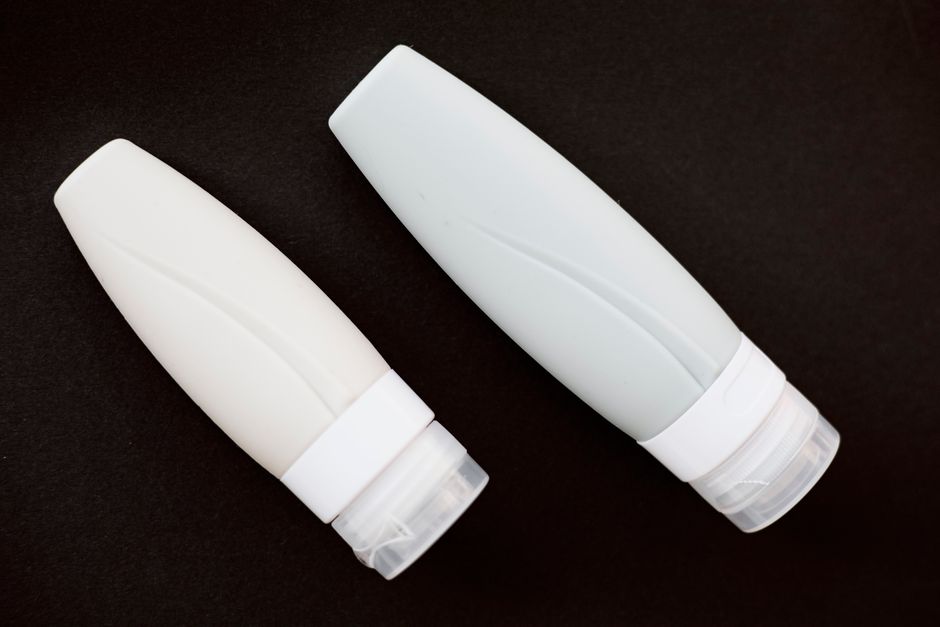
This is where the ‘practical’ aspect truly shines. Remember the TSA liquid restrictions for carry-ons (100ml/3.4oz per container, fitting into a 1-quart/liter bag). Decant where necessary!
- Gentle Cleanser: A travel-sized micellar water or a gentle cream cleanser that doesn’t require rinsing is perfect for a quick refresh without stripping your skin. Brands like Bioderma (widely available in Europe) or La Roche-Posay (popular in the US and UK) offer excellent options for sensitive skin.
- Hydrating Serum: This is a non-negotiable. A serum rich in hyaluronic acid will draw moisture from the air (even dry cabin air) and bind it to your skin. Look for formulations that also include ceramides to help fortify your skin barrier.
- Rich Moisturizer: A thicker, emollient cream is better than a lightweight lotion for creating a protective layer against the dry air. Ingredients like shea butter, squalane, or glycerin are excellent. For those with very sensitive skin, brands like Avène or Eucerin (especially popular in Germany and Poland) offer comforting, fragrance-free options.
- Facial Mist: While not a replacement for serum or moisturizer, a hydrating mist can offer a temporary boost of comfort. Choose one without alcohol, and use it over your moisturizer to ‘set’ the hydration rather than letting it evaporate and dry your skin further.
- Lip Balm: Don’t forget your lips! A rich, occlusive lip balm is essential.
- Hand Cream: Your hands will also suffer from the dry air and frequent sanitizing.
- SPF (Sun Protection Factor): If you have a window seat, especially during daytime flights, UV exposure is real. A small tube of broad-spectrum SPF 30 or higher is a smart addition. Apply it after your moisturizer, particularly on the side of your face facing the window.
3. Post-Flight Recovery: Rebalancing Your Complexion
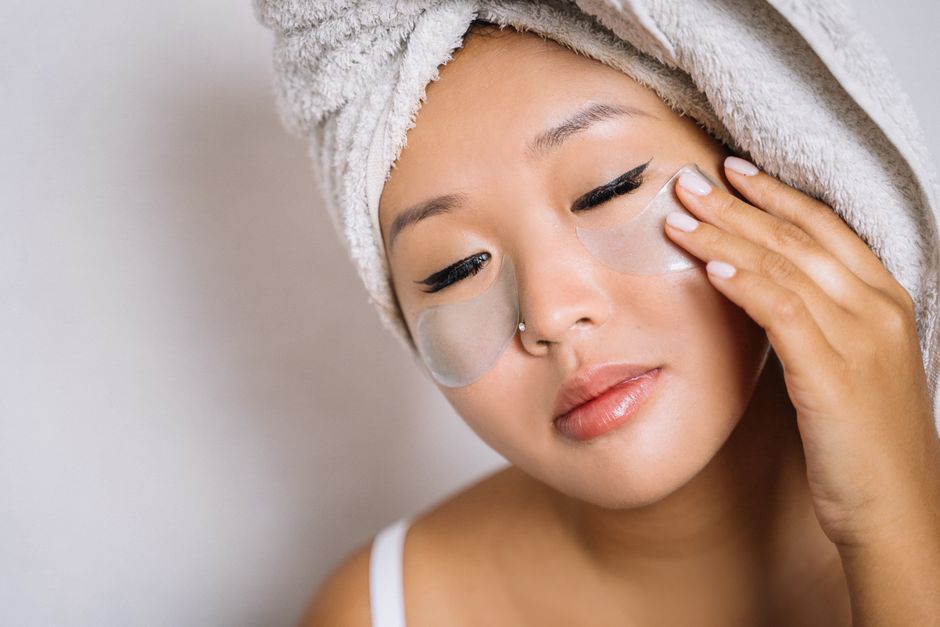
Once you’ve landed and settled in, give your skin some extra TLC. A gentle cleanse, followed by your regular hydrating routine, is a good start. If your skin feels particularly stressed, a calming, hydrating sheet mask can work wonders. Avoid immediately jumping back into potent actives like strong retinol or acids, giving your skin a day or two to re-acclimate to a normal humidity level and routine.
Makeup on Long-Haul Flights: Less is Definitely More
While some enjoy applying a full face before landing, for most, it’s best to keep makeup minimal, if at all. Heavy foundations and powders can settle into dry lines and feel uncomfortable. If you must wear makeup, opt for tinted moisturizer, a hydrating concealer, and perhaps a cream blush. A brow gel and a touch of mascara can make you feel more put-together without suffocating your skin.
Special Considerations for Sensitive Skin
Travel can be particularly challenging for sensitive skin. Stick to products you know and trust. Avoid fragranced products, essential oils, and anything with potential irritants. Focus on soothing ingredients like centella asiatica, oatmeal, or thermal spring water. Many European pharmacy brands excel in formulations for sensitive skin, making them ideal travel companions.
Hydration from Within: Don’t Forget Water
Beyond topical products, adequate internal hydration is key. Drink plenty of water throughout your flight, avoiding excessive caffeine and alcohol, both of which can contribute to dehydration. Consider bringing your own reusable water bottle to refill post-security.
FAQ: Your Long-Haul Flight Beauty Questions Answered
What is the simplest beauty routine for healthy-looking skin on a long-haul flight?
For a truly minimalist approach, focus on cleansing with a gentle wipe or micellar water, applying a hyaluronic acid serum, then a rich, occlusive moisturizer. Finish with a hydrating lip balm. If you’re near a window, add a broad-spectrum SPF. This simple layering strategy will protect your skin barrier and combat the dry cabin air effectively without overwhelming your skin or your carry-on.
Can I use retinol on a flight?
Generally, it’s best to avoid using potent active ingredients like retinol on a long-haul flight. Retinol can make your skin more sensitive to dryness and irritation, which is already exacerbated by the cabin environment. Instead, focus on hydrating and barrier-supporting ingredients. Resume your retinol routine once you’ve landed and your skin has had a chance to recover from travel.
How do I prevent breakouts on a long flight?
Preventing breakouts primarily involves keeping your skin clean and hydrated. Use a gentle cleanser to remove impurities before and during the flight. Avoid touching your face excessively, and opt for a minimal makeup look. Ensuring your skin barrier is healthy with a good moisturizer also helps prevent irritation that can lead to blemishes. Stay hydrated by drinking plenty of water.
Is SPF necessary on a flight, even if it’s cloudy?
Yes, SPF is recommended, especially if you have a window seat. While clouds block some UV radiation, at higher altitudes, UV rays are stronger and windows don’t block all of them, particularly UVA rays. These can contribute to skin aging and damage. A broad-spectrum SPF 30 or higher offers crucial protection for your skin during long daytime flights.
What are ceramides and why are they important for flight skincare?
Ceramides are lipids (fats) naturally found in your skin barrier. They act like the ‘mortar’ between your skin cells, preventing moisture loss and protecting against environmental damage. On a flight, the extremely dry cabin air can deplete ceramides, weakening your skin barrier. Products containing ceramides help replenish these vital lipids, strengthening your skin’s defense and retaining hydration.
Preparing your skin for a long-haul flight doesn’t have to be complicated. By focusing on hydration, skin barrier protection, and smart product choices, you can ensure a more comfortable journey for your complexion. A practical beauty and skincare guide for long-haul flights is about making informed decisions that respect your skin’s needs, allowing you to arrive at your destination looking as vibrant as you feel. For more beauty guides and skincare tips, Explore more beauty guides on AtTheFashion.


Leave feedback about this