


Ever wonder why a particular lipstick looks vibrant on a friend but washes you out, even if you have a similar skin tone? The secret often lies in your skin’s undertone – the subtle hue beneath your skin’s surface that dictates how colors appear on you. Getting this right is a cornerstone of a polished look, impacting everything from your foundation match to your most flattering eyeshadows. This isn’t about guesswork; it’s a practical beauty and skincare guide on how to choose makeup for your skin undertone, ensuring your choices truly enhance your natural beauty, whether you’re navigating Sephora in the US or a Douglas store in Germany.
For many, the sheer volume of beauty products, especially in major markets like the US, UK, or even across Germany and France, can be overwhelming. But with a clear understanding of your undertone, you gain a powerful filter. This guide aims to simplify the process for beauty beginners, busy adults, and even travelers, offering actionable advice that transcends borders.
Demystifying Skin Undertones: Warm, Cool, or Neutral?
Identifying your skin undertone is the first critical step in selecting the right makeup. It’s not about the depth of your skin color (light, medium, dark), but the underlying hue that affects how colors register. Think of it as the canvas beneath the paint.
The Vein Test: A Quick Indicator
One of the easiest ways to get a sense of your undertone is to look at the veins on the inside of your wrist in natural light.
- Blue or Purple Veins: You likely have a cool undertone. Your skin probably has hints of pink, red, or blue.
- Green or Olive Veins: This points to a warm undertone. Your skin may have golden, peachy, or yellow tints.
- A Mix of Both or Hard to Tell: You’re probably neutral. Your skin balances both cool and warm tones.
The Jewelry Test: Gold vs. Silver
Another common indicator involves jewelry. Which metal makes your skin look more radiant?
- Silver Jewelry: If silver makes your skin glow and gold looks dull, you lean towards a cool undertone.
- Gold Jewelry: If gold brightens your complexion and silver seems harsh, you likely have a warm undertone.
- Both Look Good: Congratulations, you’re likely neutral.
The Sun Test: How Does Your Skin React?
Consider how your skin reacts to sun exposure:
- Burns Easily, Rarely Tans: Often a sign of a cool undertone.
- Tans Easily, Rarely Burns: Typically indicates a warm undertone.
- Sometimes Burns, Sometimes Tans: Could be neutral.
Remember, these are guidelines. For some, especially those with naturally olive skin, undertones can be complex, sometimes referred to as ‘warm-neutral’ or having a ‘true olive’ undertone which can sometimes appear greenish.
Beauty Essentials for Long-Haul Flights: Your Practical Skincare and Makeup Guide
Foundation and Concealer: The Perfect Match
Once you’ve got a handle on your undertone, choosing foundation and concealer becomes much simpler. This is where a practical beauty and skincare guide truly makes a difference.
- Cool Undertone: Look for foundations with pink, red, or blue undertones. Many brands, from drugstore staples available in pharmacies across Poland to high-end options found in London department stores, label these with ‘C’ (cool), ‘R’ (rose), or ‘N’ (neutral-cool). In European brands, you might see descriptors like ‘rosé’ or ‘beige rosé’.
- Warm Undertone: Opt for foundations with golden, yellow, or peachy undertones. These are often marked ‘W’ (warm), ‘Y’ (yellow), or ‘G’ (golden). European brands might use ‘doré’ or ‘beige doré’.
- Neutral Undertone: You’re in luck! Foundations with a balance of pink and yellow tones, often labeled ‘N’ (neutral) or ‘B’ (beige), will work best. These will neither lean too pink nor too yellow.
Pro Tip for US & EU Shoppers: Testing foundation on your jawline, blending down your neck, is crucial. Let it sit for a few minutes as it can oxidize and change color. Many stores, especially in Spain and Italy, have testers, but lighting can be tricky. Try to step near a window if possible!
Blush and Bronzer: Adding Dimension and Warmth
Blush and bronzer should enhance your natural flush and create a healthy glow, rather than looking like an obvious stripe of color.
Choosing Blush by Undertone:
- Cool Undertone: Berries, cool pinks, plums, and mauves will brighten your complexion beautifully. Think of shades like raspberry or a dusty rose.
- Warm Undertone: Peaches, corals, warm apricots, and terracotta shades will complement your skin. Golden-toned blushes are also a great choice.
- Neutral Undertone: You can often pull off a wide range, from soft peaches to muted pinks. Experiment to see what you prefer.
Bronzer for a Sun-Kissed Look:
Bronzer should mimic where the sun naturally hits your face. For most, a subtle application is key, especially if you’re fair-skinned.
- Cool Undertone: Look for bronzers with a neutral or slightly rosy brown tone to avoid looking orange. Avoid anything too shimmery or intensely golden.
- Warm Undertone: Golden or coppery bronzers will look natural and enhance your warmth.
- Neutral Undertone: A neutral brown bronzer with a touch of warmth is usually ideal.
Lipstick and Eyeshadow: Harmonizing Your Look
These are where you can have the most fun, but keeping your undertone in mind will lead to more cohesive and flattering results.
Lipstick Shades:
- Cool Undertone: Blue-based reds (like ruby or cherry red), fuchsia, cool pinks, plums, and berry shades. Even nude lipsticks with a hint of pink or mauve will be more flattering than yellow-based nudes.
- Warm Undertone: Orange-based reds (like coral or brick red), warm peaches, terracotta, true browns, and golden nudes.
- Neutral Undertone: You have a broad spectrum! Most shades from cool to warm can work. It often comes down to personal preference, but balanced reds, ‘your-lips-but-better’ pinks, and versatile nudes are safe bets.
Eyeshadow Colors:
Eyeshadows can be chosen to contrast or complement. For everyday wear, complementary shades are often easiest.
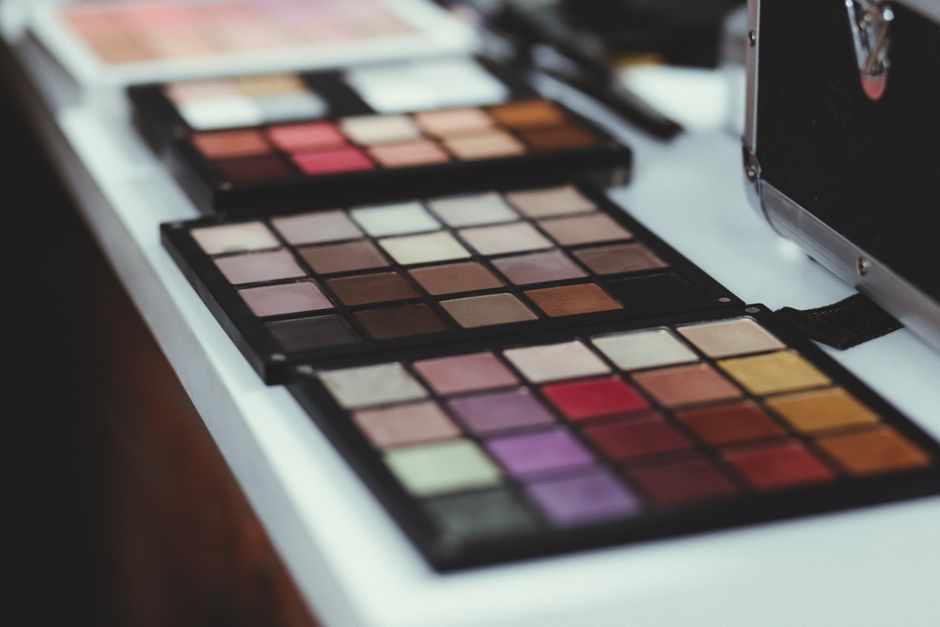
- Cool Undertone: Silvers, grays, blues, purples, emerald greens, and cool-toned browns and taupes. For warmer accents, opt for rose gold rather than true gold.
- Warm Undertone: Golds, bronzes, coppers, olive greens, browns, and warm peaches. Jewel tones like amber or deep forest green can also be stunning.
- Neutral Undertone: Practically any shade can work! You can easily blend warm and cool tones, making you a versatile canvas for various makeup looks.
Beyond Makeup: A Simple Skincare Foundation for All
While this guide focuses on makeup, no amount of perfectly matched foundation can replace a healthy canvas. A simple, consistent skincare routine is the bedrock of beautiful skin, regardless of your undertone. Here’s the simplest beauty routine for healthy-looking skin:
Simple Skin Barrier Routine for Sensitive Skin: Comparing Products Without Marketing Confusion
- Cleanse: Start and end your day with a gentle cleanser. This removes dirt, oil, and makeup without stripping your skin’s natural barrier. Brands like La Roche-Posay (popular across France and Germany) or CeraVe (widely available in the US and UK) offer excellent options for various skin types, especially sensitive skin.
- Treat (Optional but Recommended): If you have specific concerns, this is the step for targeted treatments. For anti-aging, a small amount of retinol at night can be transformative, but introduce it slowly, especially if you have sensitive skin. For hydration, a serum with hyaluronic acid is a universal booster.
- Moisturize: Replenish hydration and support your skin barrier. Look for moisturizers containing ingredients like ceramides, which are essential for skin health. This is particularly important after cleansing.
- Protect (Morning Only): Non-negotiable! Always apply a broad-spectrum SPF of 30 or higher. Sun protection is the single most effective anti-aging and skin health strategy. Many European brands, like Garnier or Nivea (found widely across Europe), offer excellent, affordable SPF products often integrated into daily moisturizers.
Remember, consistency is more important than complexity. Listen to your skin and adjust as needed. For instance, if you have sensitive skin, patch test new products and prioritize fragrance-free options.
Navigating Shopping in the US and Europe
Shopping for makeup can vary. In the US, you often find large beauty sections in drugstores like CVS or Walgreens, and dedicated beauty retailers like Ulta or Sephora with extensive ranges and often helpful staff. In Europe, especially in countries like Italy and Spain, pharmacies (farmacie) are excellent places for skincare and often carry well-regarded makeup brands. Department stores like Harrods in the UK, Galeries Lafayette in France, or KaDeWe in Germany offer luxury brands and personalized consultations. Online shopping is, of course, a global option, but for foundation, testing in person remains ideal.
FAQ: Your Top Questions Answered
What is the simplest beauty routine for healthy-looking skin?
The simplest routine involves three core steps: cleanse, moisturize, and protect. Use a gentle cleanser twice daily, follow with a moisturizer suitable for your skin type, and apply a broad-spectrum SPF 30+ every morning. Adding specific treatments like hyaluronic acid or retinol can target concerns, but these three steps form the essential foundation for skin health.
How do I know if I have sensitive skin?
Sensitive skin often reacts easily to products or environmental factors, showing redness, stinging, itching, or dryness. It may also feel tight or become irritated after using new skincare. If your skin frequently feels uncomfortable or inflamed, it’s likely sensitive. Opt for fragrance-free, hypoallergenic products and introduce new items slowly.
Can I use retinol if I have a cool undertone?
Yes, absolutely! Skin undertone (cool, warm, neutral) is purely about how colors appear on your skin, while retinol is a skincare ingredient that works on skin cell turnover. Retinol’s benefits, like reducing fine lines and improving texture, apply to all skin undertones. Just remember to start with a low concentration and use sunscreen diligently.
Why is SPF important even on cloudy days?
UV rays, specifically UVA rays which contribute to aging and skin cancer, can penetrate clouds and even windows. They are present year-round, not just on sunny days. Consistent daily use of SPF protects your skin from cumulative sun damage, preventing premature aging, hyperpigmentation, and reducing the risk of skin cancer, regardless of the weather.
Are ceramides good for all skin types?
Yes, ceramides are beneficial for virtually all skin types. They are lipids naturally found in your skin barrier, acting like mortar between skin cells. Supplementing with ceramides in moisturizers helps repair and strengthen the skin barrier, leading to better hydration, reduced sensitivity, and protection against environmental stressors. They are particularly helpful for dry or sensitive skin.
Conclusion: Your Practical Path to Perfect Makeup
Choosing makeup for your skin undertone isn’t about following rigid rules; it’s about understanding how colors interact with your natural complexion to create harmony. By identifying your undertone – whether cool, warm, or neutral – you use a powerful tool for selecting foundations, blushes, lipsticks, and eyeshadows that truly flatter. Combine this with a consistent, practical beauty and skincare guide routine focused on cleansing, moisturizing, and diligent SPF, and you’re well on your way to healthy, radiant skin. Ready to explore more ways to enhance your beauty routine? Explore more beauty guides on AtTheFashion.





Leave feedback about this