

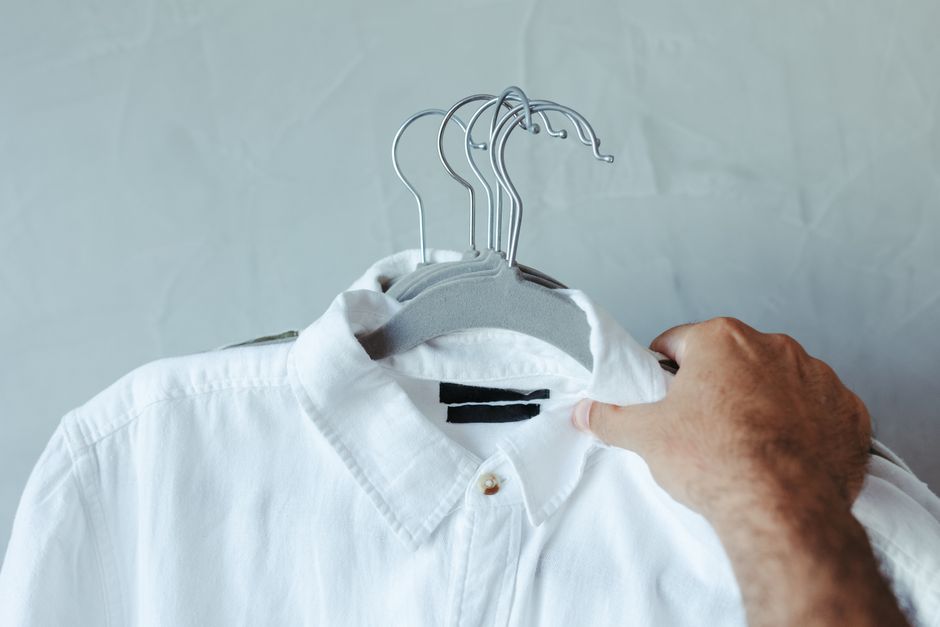
Men can build a useful wardrobe without overspending by focusing on quality over quantity, investing in versatile core pieces, and adhering to a consistent personal style. Prioritize foundational items like well-fitting trousers, classic shirts, and timeless outerwear in neutral colors. This strategic approach ensures each garment serves multiple purposes across various occasions, from a business meeting in London to a casual weekend in Berlin. By making deliberate purchases and avoiding trend-driven impulse buys, you’re not only saving money but also curating a highly functional closet that reduces daily “what to wear” stress, making smart fashion advice for men’s minimalist wardrobe essentials truly practical.
The idea of a streamlined wardrobe has gained traction not just for its aesthetic appeal, but for its practical benefits. Imagine opening your closet and knowing every item fits, flatters, and serves a clear purpose. This isn’t a fantasy; it’s the result of adopting a minimalist approach to men’s fashion. It’s about building a wardrobe where every piece earns its spot, cutting through the clutter to reveal a collection of versatile, high-quality garments.
For many, the journey to a minimalist wardrobe begins with a sense of overwhelm – too many clothes, too few outfits. It’s a common experience, whether you’re a professional navigating the corporate dress codes of New York or a student balancing comfort and style in Milan. The goal is to cultivate a selection of men’s fashion advice minimalist wardrobe essentials that works for you, no matter your lifestyle or location, ensuring you look sharp without the daily struggle.
This guide will demystify the process, highlighting common missteps and offering straightforward solutions. We’ll focus on foundational pieces that blend smoothly into various contexts, ensuring your investment in clothing translates into long-term value and effortless style.
Understanding the Core of Minimalist Menswear
A minimalist wardrobe isn’t about deprivation; it’s about intentionality. It’s the opposite of fast fashion, where impulse buys and fleeting trends lead to closets overflowing with rarely worn items. Instead, it encourages a strategic approach to dressing, prioritizing pieces that are durable, timeless, and adaptable. Think of it as curating a collection, not just accumulating clothes. This philosophy resonates particularly well with the modern man, whether he’s a frequent traveler moving between Paris and Berlin, or a busy professional with limited time for wardrobe decisions.
The concept hinges on versatility. Each garment should ideally be able to be dressed up or down, paired with multiple other items, and suitable for different seasons with minor adjustments. This significantly reduces the total number of items needed while maximizing outfit combinations. For men’s fashion advice minimalist wardrobe essentials, this means selecting classic silhouettes and neutral color palettes that never truly go out of style.
Building Your Minimalist Wardrobe: Essential Steps and Smart Choices
Crafting a functional, minimalist wardrobe requires a methodical approach. It’s less about a strict count of items and more about the utility and versatility of each piece. Here’s how to build a collection that serves your needs:
1. Define Your Lifestyle and Needs
Before buying anything, assess your daily life. Are you in a corporate environment in London, requiring suits and dress shirts? Or is your life more casual, perhaps involving remote work or an academic setting in a university town? Your wardrobe should reflect your reality, not an aspirational image that doesn’t fit. A traveler’s needs will differ from someone with a stationary professional life. This initial self-assessment is crucial for men’s fashion advice minimalist wardrobe essentials.
2. Invest in High-Quality Basics
This is the cornerstone. A handful of well-made items will outperform a closet full of cheap, poorly constructed clothes. Quality doesn’t always mean exorbitant prices, but it does mean looking for good fabrics and craftsmanship. Think durable denim, soft merino wool sweaters, and crisp cotton shirts. These pieces will withstand repeated wear and washing, maintaining their shape and appearance longer. This aligns with sustainable fashion principles, reducing consumption in the long run.
Men’s Travel Clothes for Europe and the US: Your Essential Packing Guide
3. Stick to a Cohesive Color Palette
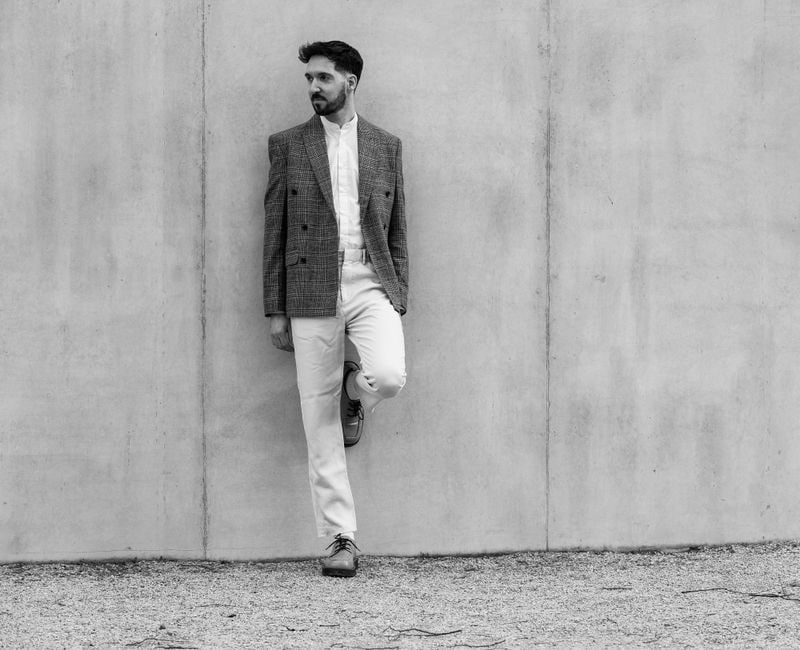
Neutral colors like black, white, grey, navy, and olive green are your best friends. They mix and match effortlessly, creating numerous outfit combinations from a limited number of items. A pop of color can come from accessories or one or two intentional statement pieces, but the core should be neutral. This is practical advice for any man building a smart casual or professional wardrobe.
4. Prioritize Fit Above All Else
Even the most expensive garment will look poor if it doesn’t fit correctly. A well-tailored pair of trousers or a perfectly fitting shirt instantly elevates your appearance. Don’t shy away from minor alterations; a good tailor can transform off-the-rack clothing into custom-fit pieces. This is often an overlooked aspect of men’s fashion advice minimalist wardrobe essentials.
5. Choose Versatile Footwear
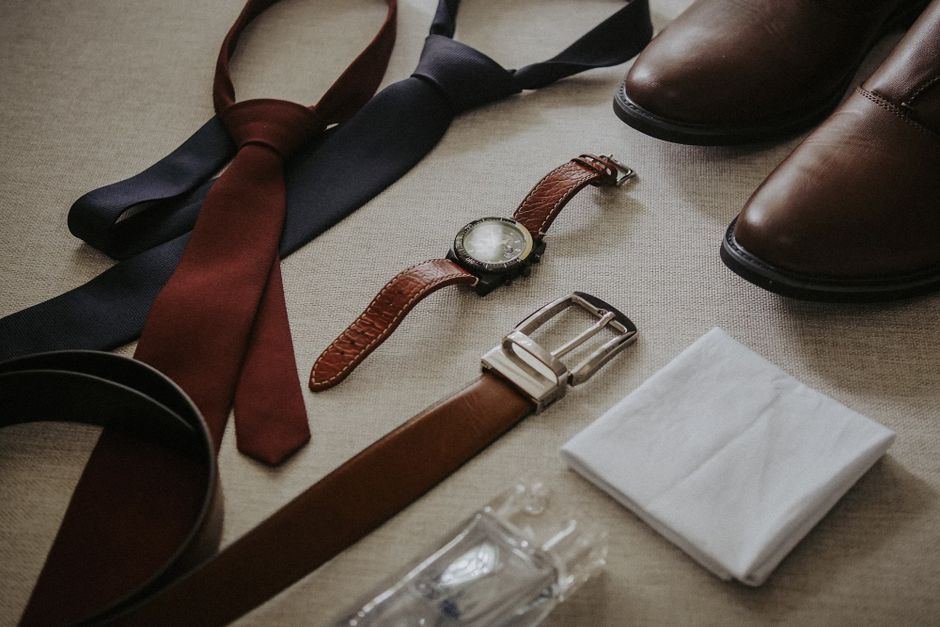
You don’t need dozens of pairs of shoes. A minimalist footwear collection typically includes a versatile pair of leather boots (e.g., Chelsea or chukka), classic white sneakers, and a pair of smart leather dress shoes (e.g., Oxfords or Derbies). These three can cover most casual, smart casual, and formal situations effectively. For warmer climates, add a quality pair of loafers or espadrilles.
6. Embrace Layering
Layering allows you to adapt your outfits to changing temperatures and occasions without needing entirely new garments. A t-shirt under a button-down, a lightweight sweater over a shirt, or a jacket over both – these combinations extend the utility of each item. This is particularly useful in places like New York or London, where weather can be unpredictable.
7. Consider Sustainable Fabrics
As part of building a thoughtful wardrobe, opt for sustainable fabrics where possible. Organic cotton, linen, Tencel, merino wool, and recycled materials not only have a lower environmental impact but often offer superior comfort and durability. Brands are increasingly incorporating these into their menswear essentials, making it easier to make eco-conscious choices.
Comparing Wardrobe Building Strategies
When it comes to menswear essentials, different strategies cater to various needs and budgets. Understanding the nuances can help you decide which approach aligns best with your goals for a men’s fashion advice minimalist wardrobe.
| Strategy | Focus | Pros | Cons | Ideal For |
|---|---|---|---|---|
| Capsule Wardrobe | Limited, interchangeable items | High versatility, reduces decision fatigue, cost-effective long-term | Requires strict adherence, initial planning time, can feel restrictive | Travelers, busy professionals, budget-conscious men |
| Smart Casual Base | Adaptable semi-formal/casual items | Broad applicability, easy transitions between settings | May lack very formal or very casual options, risk of looking underdressed/overdressed | Most modern professionals, those who value comfort and style |
| Seasonal Rotation | Wardrobe changes every few months | Optimized for weather, fresh feel | Requires more storage, more items overall, less ‘minimalist’ | Fashion enthusiasts, those with varied climates, larger budgets |
| Uniform Approach | Wearing similar outfits daily | Ultimate simplicity, high efficiency, personal brand building | Can become monotonous, limited self-expression, not for all professions | Creatives, entrepreneurs, those prioritizing efficiency |
Common Mistakes When Adopting a Minimalist Wardrobe (And Their Easy Fixes)
While the concept of a minimalist wardrobe for men seems straightforward, several common pitfalls can derail your efforts. Recognizing these mistakes is the first step to building a truly effective and enjoyable collection of menswear essentials.
Mistake 1: Decluttering Too Aggressively
It’s tempting to throw out everything that doesn’t spark joy, but an overly aggressive purge can leave you with significant gaps. You might realize too late that you got rid of a perfectly good blazer you needed for a last-minute event, or that you have no suitable clothing for a sudden cold snap. This often leads to regret and rushed, unplanned repurchases that contradict the minimalist ethos. The fix: Take your time. Start by removing items you haven’t worn in over a year and are clearly damaged or ill-fitting. For everything else, use a “maybe” box. If you don’t reach for items in the “maybe” box after a few months, then they can go. This ensures you keep genuinely useful pieces.
Men’s First Date & Dinner Outfits: A Practical Buying Checklist
Mistake 2: Buying Low-Quality Replacements
After purging, the instinct might be to quickly fill the void with cheap alternatives, especially when shopping for men’s fashion advice minimalist wardrobe essentials. However, this defeats the purpose of investing in quality and contributes to the cycle of fast fashion. Low-quality items wear out quickly, look shoddy, and often need replacing sooner, costing more in the long run. The fix: Be patient and save for quality. Research brands known for durability and ethical production (many European brands in Germany, France, and Italy prioritize this). A single well-made pair of trousers will serve you better than three inferior ones. Prioritize sustainable fabrics and construction.
Mistake 3: Neglecting Versatility and Color Coordination
Building a minimalist wardrobe isn’t just about having fewer items; it’s about having items that work together. If you buy several distinct pieces that only match one other item, you haven’t truly achieved versatility. For instance, owning a bright red jacket that only pairs with one specific pair of black jeans limits its utility. The fix: Think in outfits, not just individual items. When considering a new purchase, mentally (or even physically) pair it with at least three other items you already own. Stick to a core neutral color palette (navy, grey, black, white, khaki, olive) and introduce accent colors sparingly through accessories or one or two key pieces.
Mistake 4: Ignoring Personal Style
A minimalist wardrobe should still reflect who you are. Adopting a generic minimalist aesthetic that doesn’t align with your personality or lifestyle will make you feel uncomfortable and uninspired. If you love subtle patterns, forcing yourself into only solids might not work. The fix: Define your personal style before you start. Collect images of outfits you admire. What colors, textures, and silhouettes appeal to you? Your minimalist wardrobe should be a refined version of your authentic self, not a prescribed uniform. This makes dressing a pleasure, not a chore.
Mistake 5: Forgetting About Maintenance and Repair
A core tenet of sustainability and minimalism is making your clothes last. Neglecting care, ignoring minor damage, or not knowing how to properly clean certain fabrics will shorten the lifespan of your wardrobe essentials, forcing premature replacements. The fix: Learn basic garment care. Understand washing instructions for different fabrics (like merino wool vs. cotton). Invest in a garment steamer, a good clothes brush, and learn simple mending skills like sewing on a button. For more complex issues, find a reliable tailor or cobbler. This extends the life of your investment pieces and is key to a truly sustainable minimalist wardrobe.
FAQ: Men’s Minimalist Wardrobe Essentials
How many items should be in a minimalist wardrobe for a man?
There’s no magic number, but most minimalist men’s wardrobes typically range from 30-50 items, including clothing, outerwear, shoes, and accessories. The exact count depends heavily on your climate, profession, and personal style, but the focus remains on versatility and intentionality rather than arbitrary limits.
What are the absolute core menswear essentials?
The absolute core includes well-fitting dark wash jeans, chino trousers, a few plain neutral t-shirts, a couple of Oxford cloth button-down shirts, a versatile blazer, a comfortable sweater (like merino wool), a quality leather belt, classic sneakers, and smart leather shoes. These pieces form a strong foundation for various outfits.
Can a minimalist wardrobe work for all seasons?
Yes, a minimalist wardrobe can absolutely work for all seasons, especially with strategic layering. Investing in versatile pieces like merino wool sweaters, which regulate temperature, and outerwear that can be layered (e.g., a trench coat over a blazer) allows you to adapt to weather changes from the heat of Italy to the chill of Poland.
Is a minimalist wardrobe cheaper in the long run?
While the initial investment in higher-quality items might be greater, a minimalist wardrobe is almost always cheaper in the long run. You buy fewer items, and those items last longer, reducing the frequency of replacement purchases. It also curbs impulse buying and fast fashion consumption, saving significant money over time.
How do I start transitioning to a minimalist wardrobe?
Begin by auditing your current wardrobe. Remove anything damaged, ill-fitting, or unworn in the past year. Identify gaps in your collection based on your lifestyle needs. Then, make a list of versatile, high-quality items you need, and purchase them thoughtfully and slowly, one piece at a time, to avoid overspending and ensure each addition is intentional.
Building a men’s fashion advice minimalist wardrobe essentials collection is a journey towards intentional living, not just a closet overhaul. It provides a foundation of confidence, reduces daily stress, and aligns with a more sustainable approach to consumption. By focusing on quality, versatility, and personal style, you can cultivate a wardrobe that serves you well, no matter where life takes you.
Explore more men’s guides on AtTheFashion to further refine your style.





Leave feedback about this