

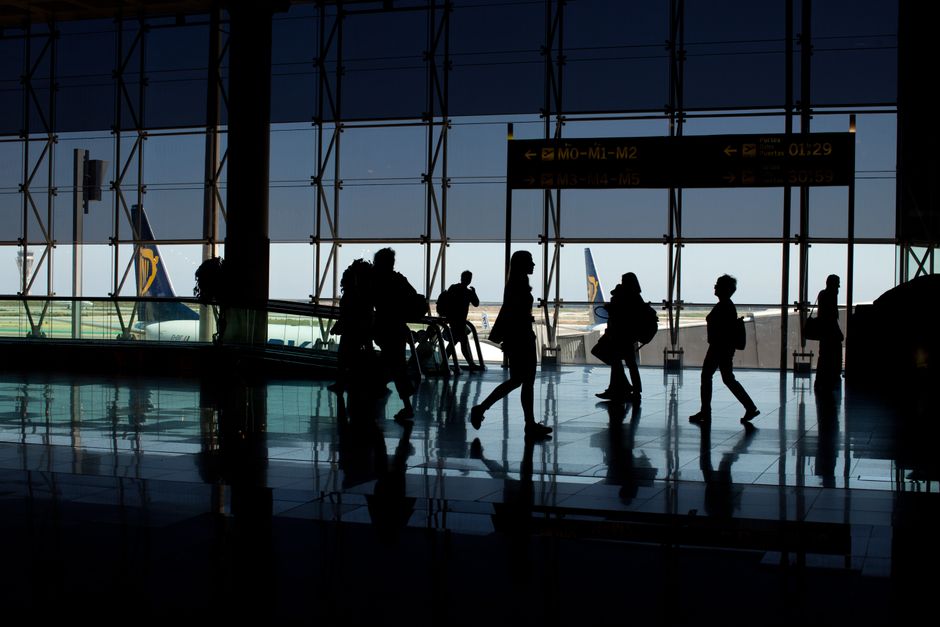
To choose the right bag for work and travel, prioritize versatility and airline compatibility. Look for a carry-on with a dedicated, padded laptop compartment for security and easy access, durable materials like ballistic nylon or polycarbonate for longevity, and comfortable carrying options such as sturdy wheels or ergonomic straps. Security features like lockable zippers and RFID-blocking pockets are crucial for peace of mind during a seven-day holiday across various destinations, ensuring your essentials are protected while adhering to common carry-on dimensions for airlines like Ryanair or easyJet.
Packing for a seven-day holiday, especially when combining leisure with work, often feels like a puzzle. You need enough space for a week’s worth of clothes, toiletries, and essentials, but also a dedicated spot for your laptop, documents, and other professional gear. All this must fit within strict airline carry-on limits, which can vary wildly between carriers like Ryanair and a transatlantic flight.
The challenge isn’t just about fitting everything; it’s about doing so comfortably, durably, and securely. Imagine rushing through Heathrow, knowing your laptop is protected, or effortlessly wheeling your bag through the cobbled streets of Rome without a strap breaking. This guide will walk you through what truly matters when selecting the best bags for travel and work carry-on bags for a seven-day holiday, comparing the critical aspects of comfort, durability, and security so you can make an informed choice.
The Modern Traveler’s Carry-On Checklist
Before diving into specific types and features, let’s establish a foundational understanding of what makes a carry-on truly effective for a seven-day trip that might blend work and leisure. This isn’t just about luggage; it’s about a mobile office and wardrobe that needs to perform under pressure.
- Airline Compliance: Always verify dimensions. A bag that works for a transatlantic flight to New York might be too large for a budget carrier like easyJet within Europe.
- Laptop Protection: A dedicated, padded compartment accessible without fully opening the main bag is non-negotiable for professionals.
- Organizational Features: Smart pockets for chargers, documents, pens, and personal items prevent rummaging.
- Ease of Movement: Smooth-rolling wheels (spinner or inline) and comfortable handles/straps are paramount for navigating airports and city streets.
- Material Durability: Resistance to tears, abrasions, and weather ensures your investment lasts beyond a few trips.
- Security Features: Lockable zippers, RFID-blocking pockets, and discreet compartments protect your valuables.
- Weight: A lightweight bag means more allowance for your actual belongings, especially with strict airline weight limits.
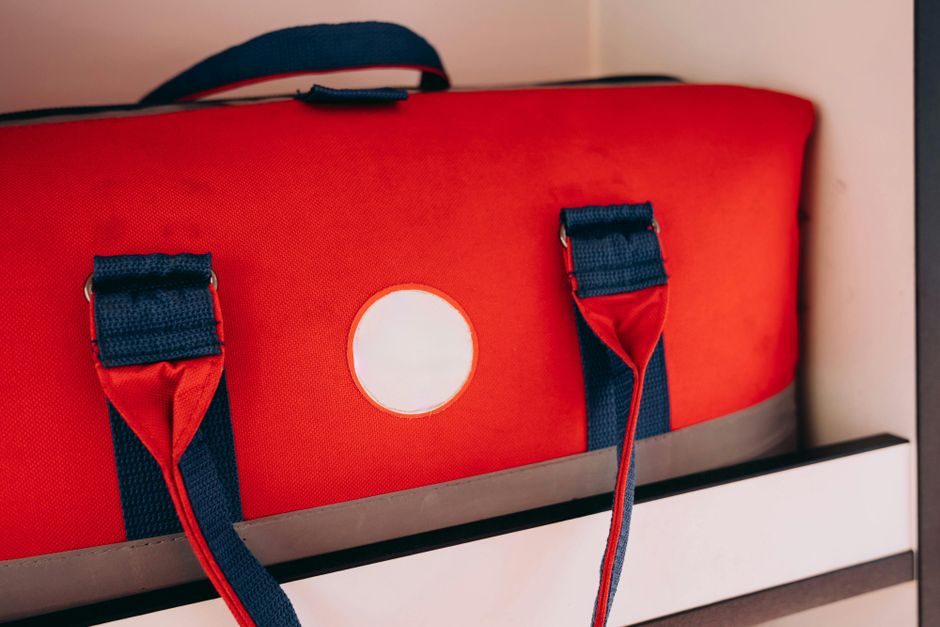
A traveler easily navigating a busy airport with a sleek, hardshell carry-on suitcase, showcasing its smooth-rolling spinner wheels and telescopic handle.
Carry-On Styles: Suitcase vs. Backpack vs. Hybrid
The first major decision you’ll face is the form factor. Each has distinct advantages and disadvantages when considering a blend of work and travel for a full week.
Hardshell vs. Softshell Carry-on Suitcases
Hardshell suitcases are typically made from polycarbonate, ABS, or aluminum. They offer superior protection for fragile items and tend to be more water-resistant. If you’re carrying delicate electronics or souvenirs, the rigid shell is a significant plus. They are also easier to clean.
- Pros: Excellent impact resistance, good weather protection, often sleek aesthetics.
- Cons: Less flexibility for over-packing, prone to visible scratches, external pockets are rare. Can be heavier.
- Best For: Those prioritizing item protection, often traveling with electronics or needing a more formal look for business trips to cities like London or Paris.
Softshell suitcases are usually constructed from ballistic nylon or polyester. They offer more flexibility, often feature external pockets for quick access to documents, liquids, or a tablet, and can sometimes compress slightly to fit into tighter overhead bins.
- Pros: More external storage, flexible for packing, often lighter, can squeeze into tighter spaces.
- Cons: Less impact protection, can absorb moisture, may show wear and tear more readily.
- Best For: Travelers who need quick access to items, value extra pockets, or frequently deal with minor dimension challenges on flights.
Travel Backpacks
For many, a well-designed travel backpack is the ultimate carry-on for a seven-day trip, especially if you anticipate navigating public transport in cities like Berlin or Milan, or if you prefer keeping your hands free. Modern travel backpacks offer significant internal organization, often rivaling suitcases, and come with excellent laptop protection.
Vegan Leather vs. Real Leather Bags: A Direct Comparison for Travel & Work
- Pros: Superior comfort for extended carrying (e.g., walking through train stations), hands-free convenience, often versatile for day trips. Many have excellent compartmentalization for both clothes and tech.
- Cons: Can feel heavy on the back if over-packed, less formal appearance for some business settings, clothes may wrinkle more easily without careful packing.
- Best For: Adventurous travelers, those using public transport extensively, or anyone prioritizing agility and comfort over rolling.
Hybrid Bags (Wheeled Backpacks, Duffel Backpacks)
Hybrid bags attempt to offer the best of both worlds. A wheeled backpack allows you to roll it when convenient but deploy straps for stairs or rough terrain. Duffel backpacks offer a large main compartment with backpack straps.
- Pros: Versatility in carrying, often large capacities for their size.
- Cons: Can be heavier due to added hardware (wheels, frame), sometimes less comfortable than dedicated backpacks or suitcases.
- Best For: Travelers who encounter varied terrain or have mixed preferences for carrying methods, such as a trip involving both city exploration and a short hike.
Key Features to Prioritize: Comfort, Durability, and Security
Regardless of the bag style, three pillars determine its long-term utility: comfort, durability, and security. Neglecting any of these can quickly turn a dream holiday into a logistical headache.
Comfort: Not Just for Your Back
Comfort extends beyond padded straps for backpacks. For suitcases, it means smooth-rolling wheels and a sturdy, multi-stage telescopic handle that doesn’t wobble or stick. Four spinner wheels are often preferred for their 360-degree mobility, especially in crowded spaces like New York’s Grand Central Station or an airport security line.
- Wheels: Look for double spinner wheels made from high-quality rubber (like polyurethane) for silent, effortless gliding.
- Handles: A strong, aircraft-grade aluminum handle that extends and retracts smoothly without catching is essential.
- Backpack Straps: Thickly padded, contoured shoulder straps, a sternum strap, and a hip belt distribute weight effectively, preventing shoulder fatigue during a long sprint to the gate.
Durability: Built to Last (and Last)
A carry-on bag takes a beating. It’s dragged, lifted, dropped, and squeezed. Durability comes down to materials and construction quality. For a seven-day holiday, you need a bag that can withstand multiple trips, not just one.
- Materials:
- Ballistic Nylon (1000D+): Extremely resistant to abrasion and tears, often used in military applications.
- Polycarbonate: Lightweight yet incredibly strong for hardshells, offering flexibility to absorb impact without cracking.
- YKK Zippers: Widely considered the industry standard for reliability. Avoid generic zippers which are often the first point of failure.
- Stitching and Reinforcements: Look for double stitching in high-stress areas (handles, straps, seams). Pay attention to how handles and wheels are attached – they should be bolted, not just glued or lightly stitched.
- Water Resistance: While not fully waterproof, good water-resistant materials and coated zippers offer protection against unexpected showers in London or a spilled coffee.
Security: Peace of Mind on the Go
With electronics, passports, and valuables often carried in a carry-on, security is paramount. Especially when traveling through busy hubs like Frankfurt Airport or Gare du Nord in Paris.
- Lockable Zippers: Zippers designed to accept a TSA-approved lock are a must. These allow TSA agents in the US to open your bag without damaging it if an inspection is required.
- RFID-Blocking Pockets: Protects credit cards and passports from electronic skimming, a growing concern for travelers.
- Hidden Pockets: Small, discreet pockets for cash or backup cards offer an extra layer of security.
- Anti-theft Features: Some bags incorporate slash-resistant fabrics or lockable straps, providing excellent peace of mind in crowded markets or busy transit points.
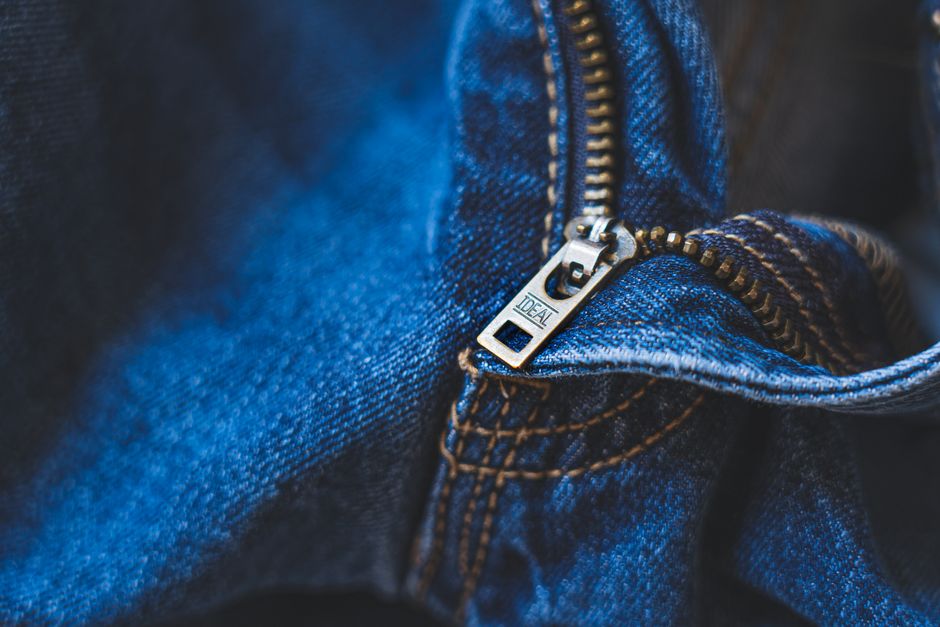
A close-up of a secure carry-on bag featuring solid, lockable zippers and a hidden RFID-blocking pocket, indicating enhanced safety for valuables.
Specific Considerations for Work and Travel
The “work” aspect of your seven-day holiday means your bag needs to function as a mobile office. This translates to specific organizational and protective needs.
Laptop and Tech Organization
A dedicated, padded laptop sleeve is non-negotiable. Ideally, this compartment should be accessible from the exterior or a quick-access zipper, allowing you to remove your laptop swiftly for TSA checks without disturbing your packed clothes. Some bags also include fleece-lined pockets for tablets, chargers, and small electronics, preventing scratches and tangles.
Document Management
For business travelers, keeping important documents, boarding passes, and passports organized is crucial. Look for a bag with an easily accessible front pocket or an internal document sleeve that keeps papers flat and secure. This is especially useful for quickly retrieving paperwork at customs or during a client meeting in Berlin.
Bag Shopping 101: How to Find the Ideal Women’s Handbag for Every Occasion
Professional Aesthetic
While not a functional requirement, a sleek, understated carry-on can make a better impression when walking into a business meeting directly from your flight. Brands like Monos, Briggs & Riley, and Away offer designs that balance practicality with a professional appearance.
Navigating Airline Regulations (US, UK, Europe)
The rules for carry-on bags are notoriously inconsistent. While the TSA in the US focuses on what you can bring inside your bag, airlines dictate size and weight. Most international flights to and from destinations like New York allow slightly larger carry-ons (e.g., 22 x 14 x 9 inches or 56 x 35 x 23 cm). However, within Europe, especially with budget airlines like Ryanair or easyJet, dimensions are often smaller (e.g., 40 x 20 x 25 cm for a free under-seat bag, or larger for an additional fee).
Always check the specific airline’s policy before you fly. A quick search for ‘Ryanair carry-on size’ or ‘easyJet cabin bag dimensions’ will provide the most up-to-date information. If you travel frequently with different airlines, choosing a slightly smaller, more universally compliant bag can save you money and stress in the long run.
FAQ: Choosing Your Seven-Day Carry-On
What’s the best material for a durable carry-on bag?
For durability, polycarbonate (for hardshells) offers excellent impact resistance and lightness. For softshells, ballistic nylon (1000D or higher) is highly resistant to tears and abrasions. Both are superior to cheaper plastics or standard polyester and will withstand the rigors of frequent travel across continents, from London to New York.
How do I ensure my laptop is secure in my carry-on?
Prioritize a carry-on with a dedicated, padded laptop compartment. Ideally, it should be located against the back of the bag (for backpacks) or in an easily accessible external pocket (for suitcases) so it can be quickly removed for airport security checks like those by the TSA, minimizing damage risk.
Are spinner wheels better than two-wheel inline skate wheels?
Spinner wheels (four wheels that rotate 360 degrees) offer superior maneuverability in tight spaces like airport aisles or crowded city sidewalks in Paris or Berlin, allowing the bag to roll alongside you. Two-wheel inline skate wheels are generally more durable on rougher surfaces and can offer more internal packing space, but require tilting and pulling.
What security features should I look for in a carry-on bag?
Essential security features include self-repairing or lockable zippers (preferably YKK, compatible with a TSA-approved lock), and an RFID-blocking pocket to protect your passport and credit cards from electronic skimming. Some advanced bags also offer slash-resistant materials for added peace of mind in high-risk areas.
Can a carry-on bag genuinely hold enough for a seven-day holiday?
Absolutely, with smart packing. Utilizing packing cubes to compress clothes, choosing versatile outfits that mix and match, and minimizing bulky items can make a carry-on sufficient for a week. Many modern carry-ons are designed with efficient internal organization to maximize space while adhering to airline limits.
What’s the ideal carry-on size for international travel to Europe or the US?
For most major international carriers flying to the US or between Europe, a standard size around 22 x 14 x 9 inches (56 x 35 x 23 cm) is widely accepted. However, always double-check with your specific airline, especially budget European carriers like Ryanair or easyJet, which often have smaller allowances.
Key Takeaways for Your Next Trip
Selecting the ideal carry-on for a seven-day holiday that blends work and travel boils down to a thoughtful balance of form and function. Comfort is paramount; whether you’re wheeling through an airport or carrying it on your back, it shouldn’t be a burden. Invest in a bag with high-quality wheels and a sturdy handle, or ergonomic, padded straps.
Durability is your assurance against unexpected failures. Look for solid materials like ballistic nylon or polycarbonate, and quality components like YKK zippers. This ensures your bag can withstand the inevitable bumps and scrapes of travel, from a bustling London Tube station to a hotel lobby in New York. Finally, security provides peace of mind. Lockable zippers, RFID-blocking pockets, and perhaps even hidden compartments are crucial for protecting your valuables and sensitive documents from theft, especially when navigating unfamiliar places.
By prioritizing these elements and carefully considering your travel style and airline requirements, you’ll find the best bags for travel and work carry-on bags for a seven-day holiday that truly enhance your experience, rather than detract from it. For more detailed guides and comparisons on various bag types, explore more bags guides on AtTheFashion.

Leave feedback about this