

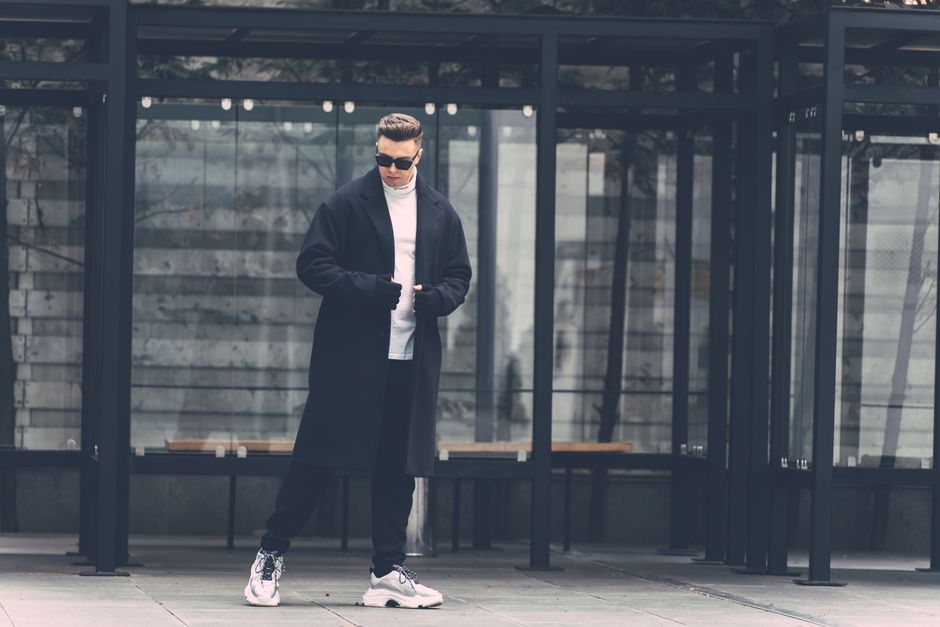
Men can build a useful and effective winter wardrobe without overspending by focusing on versatile, quality foundational pieces that can be layered. Prioritizing items like thermal base layers, merino wool sweaters, and a waterproof, insulated outer shell allows for adaptability across varying cold conditions, from a blustery day in Berlin to a damp evening in London. Opt for neutral colors to maximize mixing and matching, and consider sustainable fabrics for durability and long-term value. This strategic approach ensures warmth and style without the need for excessive purchases, effectively addressing men’s fashion advice for men’s winter layering for cold cities.
The chill of winter in major cities — be it the biting winds of New York, the persistent dampness of London, or the crisp air of Berlin — presents a unique challenge for dressing well. It’s easy to feel overwhelmed, struggling to balance warmth, style, and practicality without looking like a shapeless bundle. For many men, especially professionals, travelers, or students on a budget, the idea of a comprehensive winter wardrobe often translates into expensive, single-purpose items that quickly blow through finances.
A common mistake is buying trendy, bulky pieces that offer little versatility. You end up with a closet full of clothes that don’t quite work together, leaving you unprepared for fluctuating temperatures or different social contexts. The secret to conquering urban winters, especially when considering men’s fashion advice for men’s winter layering for cold cities, lies not in accumulating more, but in curating smart, adaptable outfits that leverage the power of strategic layering.
Instead of chasing fleeting trends or splurging on designer names, focus on timeless essentials that perform well and integrate smoothly into multiple outfits. This approach ensures you stay comfortable from your morning commute in Paris to an evening out in Milan, all while maintaining a polished look and adhering to a realistic budget.

Smart Winter Layering: The Budget-Friendly Blueprint
Building an effective, budget-conscious winter wardrobe for cold cities doesn’t have to be a daunting task. Here’s a quick overview of the key principles:
- Invest in versatile core pieces: Choose items that can be mixed, matched, and layered for different occasions.
- Prioritize natural and sustainable fabrics: Wool, merino, and technical fabrics offer superior warmth and breathability for their cost.
- Stick to a neutral color palette: Greys, blacks, navies, and browns make mixing and matching effortless.
- Focus on fit: Properly fitting clothes layer better and look more put-together.
- Don’t skimp on outerwear: A good quality, insulated, and waterproof coat is your first line of defense.
- Accessorize smartly: Hats, scarves, and gloves provide significant warmth without breaking the bank.
- Shop strategically: Look for sales, second-hand options, or reputable budget brands.
The Foundation: Base Layers and Mid-Layers
The success of men’s winter layering for cold cities starts right next to your skin. A proper base layer provides insulation while wicking away moisture, preventing that clammy feeling that chills you to the bone. Don’t underestimate its importance; it’s often more effective than a thick, non-wicking cotton shirt.
The Unsung Hero: Thermal Base Layers
For truly cold conditions, especially if you spend time outdoors in places like New York or the mountainous regions of Poland, a good thermal base layer is indispensable. Brands like Uniqlo (Heattech) offer excellent budget-friendly options that are thin enough to wear under most clothing without adding bulk. Look for synthetic blends or, for a step up in natural performance, merino wool. Merino wool is a practical advantage because it’s warm, breathable, odor-resistant, and comfortable against the skin, making it ideal for everything from a brisk walk along the Seine in Paris to a commute in London.
Practical Tip: Buy 2-3 sets of base layer tops and bottoms. They’re usually thin, so they dry quickly and don’t take up much space, making them perfect for travel.
The Versatile Performer: Mid-Layers
Mid-layers are your adaptable workhorses. These are the items you add or remove based on the immediate temperature. Think sweaters, cardigans, and lightweight fleeces. When considering menswear essentials, a quality sweater is paramount.
Stay Ahead of the Trend Curve: Top Fashion Forecast for Men
Wool & Blends: Merino wool sweaters are excellent because they’re lightweight yet incredibly warm and breathable. Cashmere is luxurious but expensive; a good merino will often serve you just as well for a fraction of the price. For more rugged scenarios or casual wear, a lambswool or cotton-blend sweater offers good warmth without breaking the bank. A crew neck or V-neck in a neutral color (charcoal, navy, forest green) will pair with almost anything.
Cardigans: A versatile cardigan can improve a casual shirt or add an extra layer of warmth over a dress shirt. It’s a smart casual staple that works well in a capsule wardrobe, offering flexibility for different social and professional settings.
Outerwear: Your Shield Against the Elements
Your outer layer is the most visible component of your winter ensemble and your primary defense against wind, rain, and snow. Investing wisely here pays dividends, especially when navigating unpredictable weather in cities like Berlin or Milan.
The Essential Winter Coat
A good winter coat for men’s winter layering for cold cities should be insulated, waterproof or water-resistant, and long enough to cover your hips. Forget thin fashion coats that offer no real protection. Look for:
- Parkas: Excellent for extreme cold, often featuring hoods and synthetic or down insulation.
- Insulated technical jackets: Brands like Patagonia or The North Face offer durable, warm options that can be layered effectively.
- Wool overcoats: A classic wool overcoat (like a chesterfield or peacoat) is timeless, offering warmth and a smart aesthetic perfect for professionals. While not fully waterproof, many are water-resistant enough for light rain or snow.
Budget Smart: Look for sales at the end of winter or beginning of autumn. Second-hand stores in cities like London or Berlin can sometimes yield fantastic quality wool coats for a fraction of the retail price. Always check for clean lining and intact zippers/buttons.
Rain Protection: A Must-Have
Even in winter, rain is a factor in many European cities. A lightweight, waterproof shell jacket can be worn over your insulated layers. Alternatively, ensure your primary winter coat has excellent water resistance. Nothing ruins a day faster than being wet and cold.
Pants & Footwear: Staying Dry and Stable
While often overlooked in discussions of men’s fashion advice for men’s winter layering for cold cities, your lower half is just as crucial for warmth and comfort, particularly when dealing with slushy sidewalks or icy patches.
Trousers: Warmth Without Bulk
Forget lightweight cotton chinos for deep winter. Opt for heavier fabrics like wool flannel trousers or thick corduroy. Dark wash denim can also provide decent warmth. If you’re particularly sensitive to cold or planning prolonged outdoor activity, consider wearing thermal leggings under your regular trousers.
Sustainable fabrics: Look for trousers made with recycled wool or solid organic cotton. These options often provide better insulation and durability.
Sustainable Men’s Fashion Basics: Fit, Comfort, and Style Explained
Footwear: The Ultimate Cold City Defender
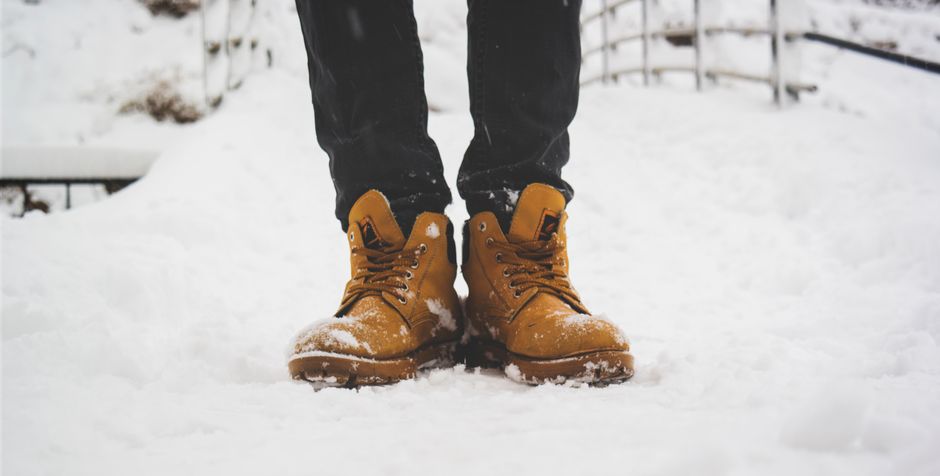
Your feet are one of the first places to get cold. Good winter boots are non-negotiable for navigating icy pavements and damp conditions. They need to be:
- Waterproof: Crucial for slush and rain. Look for Gore-Tex or similar membranes.
- Insulated: Keeps your feet warm.
- Good traction: Essential for safety on slippery surfaces.
Brands like Timberland, Dr. Martens (certain models), or budget-friendly options from outdoor retailers offer practical and stylish solutions. For a more formal look, consider insulated leather boots with rubber soles. Always wear wool socks; they wick moisture and provide superior warmth compared to cotton.
Accessories: The Finishing Touches and Extra Warmth
Accessories aren’t just for style; they’re vital components of effective men’s winter layering for cold cities, sealing in warmth where your body loses it most.
- Hats: A warm beanie (wool or fleece) can prevent significant heat loss from your head.
- Scarves: A long wool or cashmere scarf is incredibly versatile. It protects your neck and chest from drafts and can be styled in various ways for different looks.
- Gloves: Essential for protecting your hands from the elements. Leather gloves (often lined with wool or cashmere) offer a smart look, while technical gloves are better for very cold or active scenarios.
These items are relatively inexpensive compared to a coat and offer an immediate boost to your warmth. They’re also an easy way to inject some personal style into an otherwise neutral ensemble.
FAQ: Answering Your Winter Layering Questions
How can men build a useful wardrobe without overspending?
To build a useful winter wardrobe without overspending, focus on buying fewer, higher-quality, and versatile pieces in neutral colors. Prioritize foundational items like a good winter coat, thermal base layers, and durable boots. Shop off-season sales, explore reputable second-hand stores for classic items like wool overcoats, and invest in sustainable fabrics that offer longevity and better performance, reducing the need for frequent replacements.
What are the essential layers for extreme cold?
For extreme cold, the essential layers are a thermal base layer (merino wool or synthetic), an insulating mid-layer (fleece, down vest, or thick wool sweater), and a waterproof, windproof outer shell (a parka or heavily insulated technical jacket). Don’t forget insulated pants or thermal leggings under trousers, and solid, insulated, waterproof boots with thick wool socks, plus a warm hat, scarf, and gloves.
Are natural or synthetic fabrics better for winter layering?
Both natural and synthetic fabrics have advantages for winter layering. Natural fibers like merino wool excel in breathability, warmth-to-weight ratio, and odor resistance, making them ideal for base and mid-layers. Synthetics (like fleece or technical polyesters) are often more affordable, excellent at wicking moisture, and dry quickly, making them suitable for base layers and mid-layers, especially for high-intensity activities. A combination often offers the best performance.
How do I maintain style while layering heavily?
To maintain style while layering heavily, focus on fit and proportion. Ensure each layer fits well – not too baggy, which creates bulk, nor too tight, which restricts movement. Use a consistent color palette, often neutrals, and introduce texture through different fabrics. A structured outer layer, like a wool overcoat, can instantly improve multiple inner layers, making your men’s winter layering for cold cities look intentional and smart, rather than just practical.
Can I find sustainable winter clothing on a budget?
Yes, finding sustainable winter clothing on a budget is achievable. Look for brands that use recycled materials (like recycled polyester or wool), organic cotton, or offer transparent supply chains. Shopping second-hand is one of the most sustainable options, extending the life of garments. Investing in durable, high-quality pieces that last longer also contributes to sustainability by reducing consumption and waste, making it a smart approach to men’s fashion advice for men’s winter layering for cold cities.
Key Takeaways for Your Winter Wardrobe
Conquering the cold of urban winters with style and on a budget is entirely achievable. The core principle for men’s winter layering for cold cities is to prioritize versatility and quality over quantity. Invest in a few well-chosen pieces that can be mixed, matched, and layered to adapt to various temperatures and social settings. Think about the functional needs – warmth, waterproofing, breathability – first, and then integrate style.
By focusing on smart choices like merino wool base layers, a durable and insulated outer coat, and practical, comfortable footwear, you’ll build a capsule wardrobe that serves you well through everything from a blustery afternoon in Milan to a snowy evening in Berlin. Remember that smart shopping, like taking advantage of sales or exploring second-hand options, can significantly extend your budget without compromising on quality or style. This deliberate approach ensures you remain comfortable, confident, and well-dressed, no matter how low the mercury drops.
For more men’s guides and fashion insights, explore more men’s guides on AtTheFashion.





Leave feedback about this