

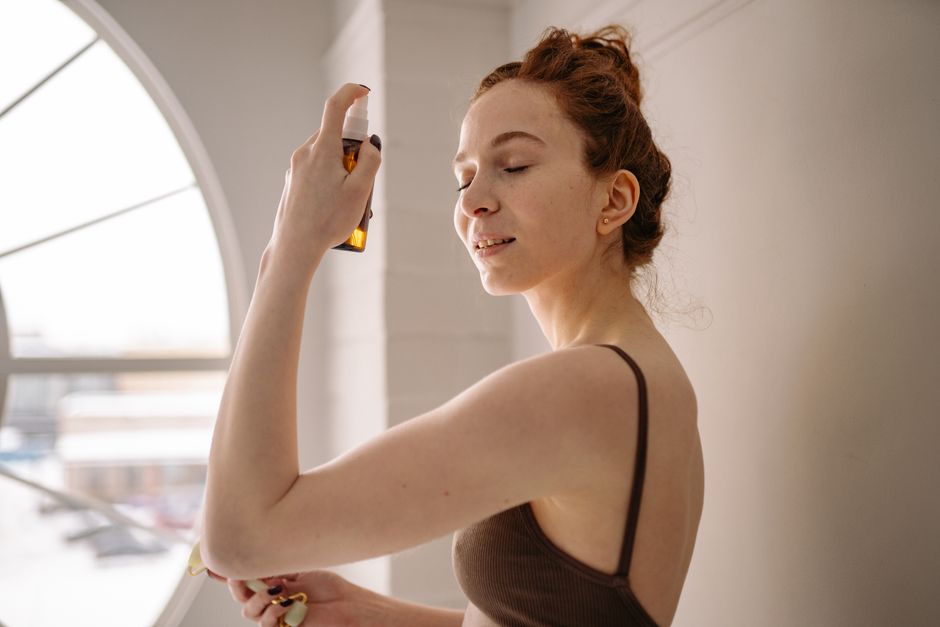
For healthy-looking skin during long-haul flights, the simplest beauty routine focuses on hydration and protection. Prioritize gentle cleansing, a hydrating serum with ingredients like hyaluronic acid, a rich moisturizer, and a broad-spectrum SPF. Avoid heavy makeup that can clog pores in dry cabin air, and instead opt for tinted moisturizers or skip foundation entirely. Regular misting with a hydrating spray can also provide immediate relief, while lip balm and hand cream address often-overlooked areas. The goal is to support your skin’s barrier against the extremely dry, recycled air found in aircraft cabins.
There’s a particular kind of fatigue that sets in after several hours in the air, but beyond the mental and physical drain, the cabin environment itself is a silent aggressor to our skin. The air inside an aircraft is notoriously dry, often with humidity levels as low as 10-20% – drier than most deserts. This can lead to dehydration, dullness, and irritation, making a thoughtful beauty and skincare guide for long-haul flights not just a luxury, but a necessity.
Whether you’re jetting from London to New York, Berlin to Buenos Aires, or Paris to Tokyo, the principles of keeping your skin healthy and happy remain consistent. It’s about being strategic with your product choices and understanding how to adapt your routine to combat the unique challenges of high-altitude travel.
Understanding the Flight Environment’s Impact on Your Skin
Before diving into product recommendations, it’s crucial to understand why your skin reacts differently on a plane. The primary culprit is the extremely low humidity. This arid atmosphere actively pulls moisture from your skin, leading to transepidermal water loss (TEWL). For many, this manifests as tightness, flakiness, or an overproduction of oil as the skin tries to compensate for the dryness. For those with sensitive skin, existing conditions like eczema or rosacea can flare up.
Additionally, while you’re safely ensconced inside the cabin, you are still exposed to higher levels of UV radiation compared to ground level, especially when flying during the day. This makes sun protection, even indoors, a non-negotiable part of your practical beauty and skincare guide for long-haul flights. The combination of dryness and potential UV exposure stresses the skin barrier, making it more vulnerable to irritation and environmental damage.
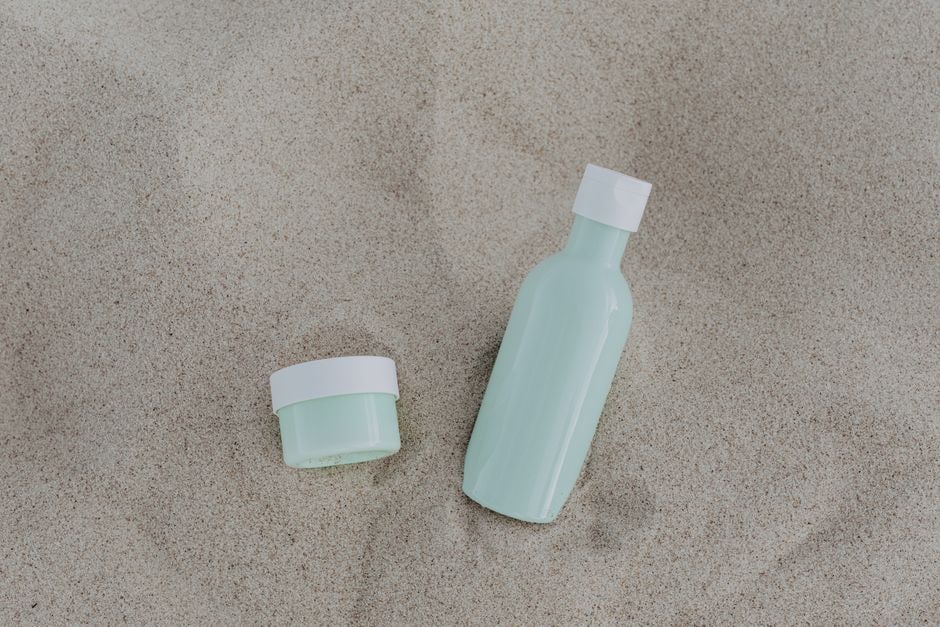
Your Practical Beauty and Skincare Guide for Long-Haul Flights: Steps to Success
Preparing your skin for a long journey begins before you even leave home and continues throughout the flight. Here’s a step-by-step approach to keep your complexion looking its best.
1. Pre-Flight Preparation: Hydrate and Simplify
A day or two before your flight, focus on hydrating your skin with a good serum containing hyaluronic acid and a rich moisturizer. Avoid introducing new active ingredients like strong retinoids or harsh exfoliants right before flying, as this can sensitize your skin. Think gentle cleansing and barrier support.
2. Onboard Cleansing: Gentle and Effective
Forget the full facial wash in a tiny airplane lavatory. Opt for a gentle micellar water or pre-soaked cleansing wipes designed for sensitive skin. This allows you to remove any grime, old makeup, and environmental pollutants without stripping your skin. Look for travel-sized options to comply with liquid restrictions.
3. Hydration Heroes: Layering for Maximum Moisture
This is where your strategy truly pays off. After cleansing, apply a hydrating serum. Products containing ceramides, glycerin, or hyaluronic acid are excellent for drawing moisture into the skin and reinforcing the skin barrier. Follow with a rich, occlusive moisturizer to seal that hydration in. Don’t be shy; apply a generous layer, especially if your skin tends to be dry. Brands like La Roche-Posay or CeraVe offer excellent barrier-supporting options widely available across Europe and North America.
4. Sun Protection: Don’t Forget SPF
Even though you’re inside, a broad-spectrum SPF is crucial. Apply a mineral-based sunscreen (SPF 30 or higher) as the final step in your skincare routine. This protects against UVA and UVB rays that can penetrate cabin windows. Reapply every few hours, especially if you’re near a window or if your journey is long. Many European regulations emphasize high SPF standards, making quality options accessible.
5. Misting for Mid-Flight Refreshment
A hydrating facial mist can be a practical advantage. A quick spritz throughout the flight provides immediate relief and a refreshing boost. Look for mists with hydrating ingredients like rose water or thermal spring water, avoiding those with alcohol that can be drying. Be mindful of your seatmates when misting.
6. Lip and Hand Care: Overlooked Essentials
Don’t neglect your lips and hands. The dry air will chap lips rapidly, so keep a rich lip balm handy. For your hands, a hydrating hand cream, perhaps with shea butter or glycerin, will prevent dryness and discomfort. Many passengers find mini versions of their favorite creams from brands like L’Occitane or Nivea perfect for travel.
7. Post-Flight Recovery: Rebalance and Nourish
Once you’ve landed, cleanse your face thoroughly but gently. A hydrating sheet mask can be a wonderful way to replenish moisture and calm your skin. Then, return to your regular skincare routine, possibly incorporating a gentle retinol product a day or two later if it’s part of your usual regimen, allowing your skin to rebalance.
Comparing Flight Skincare Routines
Different travelers have different needs and preferences. Here’s a quick comparison of common approaches:
| Routine Type | Pros | Cons | Best For |
|---|---|---|---|
| Minimalist | Extremely simple, fast, takes up minimal space. Reduces risk of irritation. | May not provide enough hydration for very dry skin or extra-long flights. | Beauty beginners, short sleepers, those with naturally balanced skin. |
| Hydration-Focused | Maximizes moisture retention, prevents dryness and tightness. | Requires more products and steps, potentially more space. | Most travelers, especially those prone to dry or sensitive skin. |
| Comprehensive (Spa-like) | Full pampering experience, includes masks, eye patches. | Can be cumbersome, time-consuming, and potentially draw attention. | Experienced flyers, those who prioritize inflight self-care, first/business class. |

Common Mistakes to Avoid on Long-Haul Flights
Even with the best intentions, it’s easy to make choices that can negatively impact your skin during travel. Being aware of these pitfalls is part of a practical beauty and skincare guide for long-haul flights.
Wearing a Full Face of Makeup: While tempting, heavy foundation and powder can settle into fine lines and exacerbate dryness in the low-humidity cabin. It can also clog pores, leading to breakouts. Opt for a tinted moisturizer, a BB cream, or simply focus on well-groomed brows and a touch of mascara if you want some coverage.
Forgetting Internal Hydration: Skincare isn’t just external. Dehydration from within will show on your skin. Drink plenty of water throughout your flight and avoid excessive alcohol or caffeine, which are diuretics and can further dehydrate you. Many airlines, including Lufthansa and Air France, offer complimentary water throughout the flight.
Shop Smart, Save Big: Official-Neonail Offers Unbeatable Deals on High-Quality Nail Polishc
Over-Exfoliating or Using Harsh Actives: A long flight is not the time to introduce new, strong active ingredients or to engage in aggressive exfoliation. Your skin barrier is already under stress; avoid anything that could compromise it further. Stick to gentle, soothing products.
Touching Your Face Frequently: Airplane surfaces, including tray tables and armrests, are not always the cleanest. Touching your face after contact with these surfaces can transfer bacteria and lead to breakouts. Keep your hands clean with hand sanitizer and try to avoid unnecessary face touching.
Ignoring Sensitive Areas: The skin around your eyes and your lips is particularly thin and vulnerable to dehydration. Using an eye cream and frequently reapplying lip balm are essential. Don’t forget your cuticles too; they can dry out and crack quickly.
FAQ: Your Long-Haul Beauty Questions Answered
What is the simplest beauty routine for healthy-looking skin on a long flight?
The simplest routine involves three steps: gentle cleansing, applying a hydrating serum with hyaluronic acid, and then a rich, occlusive moisturizer to lock everything in. Don’t forget a broad-spectrum SPF, even indoors. This minimal approach supports your skin barrier against the harsh cabin environment without overwhelming you.
Should I wear makeup on a long-haul flight?
It’s generally advisable to go makeup-free or opt for very minimal makeup like a tinted moisturizer or concealer on specific areas. Heavy foundations can dry out and emphasize imperfections in the low-humidity cabin, potentially clogging pores and leading to post-flight breakouts.
What ingredients are best for skin hydration during a flight?
Look for ingredients like hyaluronic acid, ceramides, glycerin, and squalane. Hyaluronic acid draws moisture into the skin, while ceramides help strengthen the skin’s natural barrier, preventing moisture loss. Glycerin is a humectant that attracts water, and squalane provides emollient benefits without feeling heavy.
How can I protect my sensitive skin on an airplane?
For sensitive skin, focus on fragrance-free, hypoallergenic products. Prioritize barrier-repairing ingredients like ceramides and avoid strong actives or exfoliants. Keep your routine simple and consistent, and use a soothing facial mist with thermal spring water to calm any irritation. Sunscreen is also crucial.
Do I need to reapply SPF during a flight?
Yes, reapplying SPF is highly recommended, especially on long daytime flights or if you are seated near a window. Aircraft windows block most UVB rays, but UVA rays, which contribute to aging and skin damage, can still penetrate. Reapply a broad-spectrum SPF 30 or higher every two to three hours.
Navigating long-haul flights doesn’t mean sacrificing your skin’s health. By understanding the environment and arming yourself with a practical beauty and skincare guide for long-haul flights, you can step off the plane looking and feeling refreshed. Explore more beauty guides on AtTheFashion to enhance your travel and daily beauty routines.





Leave feedback about this