

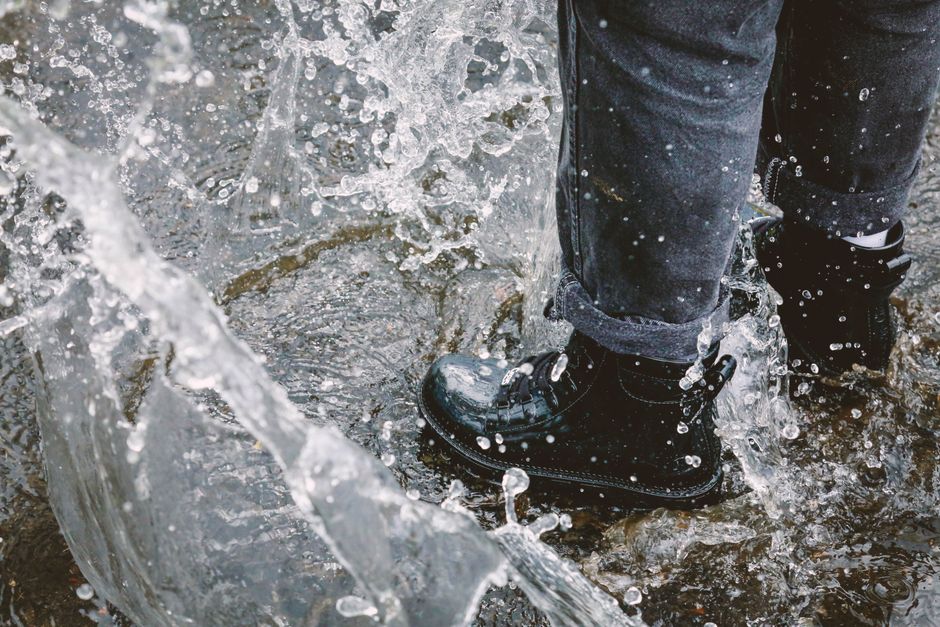
To find comfortable, budget-friendly waterproof shoes for rainy commutes, prioritize models featuring a waterproof membrane like Gore-Tex or similar proprietary technologies, good traction on wet surfaces, and ample cushioning for all-day wear. Look for sneaker-boot hybrids, waterproof sneakers, or Chelsea boots made with water-resistant materials. Brands like Decathlon’s Quechua, Columbia, Merrell (entry-level), and certain lesser-known European labels often offer excellent value without compromising on dry comfort. Always check reviews for real-world performance, especially concerning sole grip and breathability.
There’s nothing quite like starting your workday with soggy socks, especially after a brisk walk through a sudden downpour. Whether you’re navigating the slick pavements of New York, bustling through London’s unpredictable weather, or strolling along the charming but often wet cobblestones of Rome and Paris, a reliable pair of waterproof shoes isn’t a luxury—it’s a necessity. For many commuters, students, and travelers across the US and Europe, finding comfortable footwear that’s also genuinely waterproof, durable, and won’t break the bank can feel like a quest.
The daily commute often demands footwear that can handle miles of walking, sudden changes in weather, and still look presentable enough for the office or social settings. The challenge intensifies when you consider budget constraints. High-performance waterproof hiking boots are often overkill, while stylish city boots might offer little protection against persistent rain. This guide aims to help you pinpoint the best budget-friendly options, ensuring your feet stay dry and comfortable no matter the forecast.
What makes a shoe comfortable for walking all day? It comes down to a few critical factors: adequate arch support, cushioning that absorbs impact, a flexible sole that moves with your foot, and a breathable upper that prevents overheating. When you add waterproofing to that equation, the material choices and construction become even more vital to maintain that all-day comfort without sacrificing dryness.

Essential Features for Comfortable Waterproof Footwear
Before diving into specific recommendations, let’s establish what to look for when shopping for comfortable footwear for rainy commutes:
- Genuine Waterproofing: Look for membranes like Gore-Tex, eVent, or brand-specific technologies that create a barrier against water while allowing vapor to escape. Water-resistant treatments are not enough for true downpours.
- Traction: A good rubber outsole with multi-directional lugs or patterns is crucial for grip on wet concrete, asphalt, or European cobblestones, preventing slips and falls.
- Cushioning & Support: An EVA midsole or similar shock-absorbing material, paired with a supportive insole, provides the comfort needed for long walks.
- Breathability: Waterproof shoes can sometimes feel warm. Look for materials and designs that balance waterproofing with some level of air circulation to prevent sweaty feet.
- Fit: Room for your toes to wiggle, but secure enough that your heel doesn’t slip. A proper fit prevents blisters and discomfort, especially when wearing thicker socks.
- Durability: Reinforced toe caps, quality stitching, and solid upper materials ensure your shoes last more than one rainy season.
- Weight: Lighter shoes reduce foot fatigue, a significant factor for those who walk long distances daily.
- Style Versatility: While function is key, an understated design can make a pair of shoes suitable for various outfits and occasions.
Decoding Waterproof Technology: Beyond the Basics
The term ‘waterproof’ gets thrown around a lot, but understanding what it truly means is key to making an informed purchase. Many budget options use proprietary membranes that aim to mimic the performance of industry leaders like Gore-Tex. These membranes are essentially thin layers sandwiched between the outer material and the inner lining, featuring microscopic pores too small for liquid water molecules to pass through but large enough for water vapor (sweat) to escape. This is what keeps your feet dry from the outside in, and somewhat dry from the inside out.
Sealed Seams: The Unsung Hero
A shoe can have the best waterproof membrane, but if its seams aren’t sealed, water will find a way in. Look for ‘fully seam-sealed’ construction. This detail is often overlooked in marketing but is critical for true waterproofing. Manufacturers apply a tape or sealant over the stitched seams on the inside of the shoe to prevent water ingress.
Summer Sandals That Support Long Walks: A Simple Comparison and Buyer FAQ
Comfortable Footwear Guide: Budget-Friendly Categories
Let’s explore the types of comfortable footwear that typically offer good waterproof protection without requiring a premium budget, suitable for varying climates and style preferences across the US and Europe.
1. Waterproof Sneakers & Sneaker Boots
For city dwellers in places like New York, Chicago, or even the sprawling urban areas of Germany and Poland, waterproof sneakers or their slightly higher-cut ‘sneaker boot’ counterparts are often the most practical choice. They offer the athletic comfort of a sneaker with added protection.
- Pros: Excellent cushioning, flexible, lightweight, often blend well with casual and smart-casual attire. Many feature grippy outsoles for wet surfaces.
- Cons: May not offer the ankle support of a boot, and some designs can still look too casual for very formal settings.
- Budget Brands to Watch: Decathlon (Quechua, Forclaz lines often have waterproof trail runners that double as great commuter shoes), Merrell (entry-level Moab line), Columbia (some Omni-Tech models), and often house brands from larger sporting goods retailers across Europe. Keep an eye out for sales on last season’s models from major brands.
2. Waterproof Chelsea Boots
The Chelsea boot is a timeless classic that finds a natural home in cities from London to Paris to Milan. Their slip-on design and sleek profile make them ideal for a quick transition from walking to working. Many modern versions incorporate waterproof membranes or are made from treated leathers and synthetics.
- Pros: Highly versatile style, easy to put on and take off, good ankle coverage, often durable.
- Cons: Can be less cushioned than sneakers, and some leather options require more maintenance to maintain waterproofing.
- Budget Brands to Watch: Dockers, Rockport, often private labels from department stores in the US (e.g., Nordstrom Rack, DSW) and Europe (e.g., Zalando, Otto, La Redoute). Look for options explicitly labeled ‘waterproof’ or ‘weatherproof’ rather than just ‘water-resistant.’ Synthetic or rubberized Chelsea boots are often more budget-friendly and reliably waterproof than leather ones.
3. Hiking Shoes & Light Trail Runners
While designed for the outdoors, many lightweight waterproof hiking shoes and trail runners offer fantastic benefits for the urban commuter, especially for those who prioritize solid protection and superior traction.
- Pros: Exceptional grip on slippery surfaces (ideal for European cobblestones), strong waterproofing, excellent support and cushioning for long walks.
- Cons: Can be bulkier or more ‘outdoorsy’ in appearance, potentially heavier than sneakers.
- Budget Brands to Watch: Columbia, Merrell (again, the Moab line is a staple), Keen (some lower-profile models), Oboz (mid-range but good sales), and Decathlon’s Quechua line is a consistent budget winner in Europe. These brands frequently use Gore-Tex or their own effective waterproof membranes.
4. Waterproof Duck Boots & Hybrid Styles
Duck boots, with their distinctive rubber lower half, are a traditional solution for wet weather. Modern versions often come in sleeker, lighter designs that merge the practicality of a rain boot with the comfort and style of an everyday shoe, making them a strong contender for snowy New York winters or rainy London autumns.
- Pros: Very effective waterproofing in slush and puddles, good traction, often warm.
- Cons: Can be heavier and less breathable, and the style might be too casual for some professional environments.
- Budget Brands to Watch: Sperry (often has sales), L.L.Bean (a classic, watch for their outlet or sale events), and many affordable options from retailers like Target, Walmart in the US, or comparable hypermarkets in Europe (e.g., Carrefour, Tesco, Auchan).
Shopping Smart: Tips for US and European Commuters
Finding comfortable footwear that’s waterproof and affordable requires a savvy approach:
- Off-Season Sales: The best time to buy winter-ready waterproof shoes is often in spring or summer when retailers clear inventory.
- Outlet Stores & Online Sales: Physical outlet malls and online sales events (like Black Friday, Cyber Monday, Amazon Prime Day, or Boxing Day sales in the UK) are treasure troves for discounted brands.
- European Retailers: For European shoppers, sites like Zalando, Spartoo, and Sarenza often have wide selections and frequent sales. Decathlon, with its own brands like Quechua and Forclaz, is a consistent excellent budget source for reliable waterproof gear across Europe.
- US Retailers: Zappos, 6pm.com, Sierra, and department store sales are good hunting grounds.
- Read Reviews: Always check user reviews, especially those that mention ‘walking all day,’ ‘rain,’ ‘puddles,’ and ‘traction on wet surfaces.’ Pay attention to reviews from people in similar climates or with similar needs.
- Try Before You Buy: If possible, try shoes on with the kind of socks you typically wear. Walk around the store to assess cushioning and fit.
- Check Return Policies: Especially when buying online, ensure a flexible return policy.
FAQ: Your Questions About Waterproof Shoes Answered
Do I need Gore-Tex for true waterproofing?
While Gore-Tex is an industry benchmark for reliable waterproofing and breathability, many brands now offer proprietary waterproof membranes that perform very well, especially for budget-friendly options. Look for clear claims of ‘waterproof’ (not just ‘water-resistant’) and read user reviews regarding effectiveness in heavy rain.
Comfortable Office Shoes for Long Workdays: Budget-Friendly Options for US and European Shoppers
What makes a shoe comfortable for walking all day?
For all-day walking comfort, look for adequate arch support, responsive cushioning (often EVA foam), a flexible sole that allows natural foot movement, and a snug but not restrictive fit. Breathable materials are also crucial to prevent heat buildup and sweating, which can lead to discomfort over long periods.
How do I improve the lifespan of my waterproof shoes?
Regular cleaning is key. Brush off mud and dirt after use. For leather shoes, use appropriate conditioners and re-waterproof sprays periodically. For synthetic shoes, gentle washing and re-applying DWR (Durable Water Repellent) treatments can maintain performance. Always air dry shoes naturally, away from direct heat.
Are waterproof shoes breathable?
Modern waterproof shoes use membranes designed to be breathable, allowing moisture vapor (sweat) to escape while blocking liquid water. However, they are generally less breathable than non-waterproof mesh shoes. Look for designs that prioritize both features, often through specific membrane types or ventilation panels.
Can I make my regular shoes waterproof?
You can improve the water resistance of some non-waterproof shoes using sprays or waxes. However, these treatments typically provide only ‘water-resistance’ and are not a substitute for factory-sealed ‘waterproof’ construction. They might help in light drizzle but won’t protect against sustained rain or puddles.
Key Takeaways for Your Rainy Commute Footwear
Navigating the rainy commutes of cities like London, Paris, Rome, New York, or Chicago doesn’t have to mean soggy feet or a drained wallet. The market offers a surprising array of comfortable footwear guide waterproof shoes for rainy commutes that are both effective and budget-friendly. The key is to prioritize genuine waterproofing features like a membrane and sealed seams, coupled with superior traction for slippery surfaces, especially European cobblestones. Don’t compromise on comfort; look for ample cushioning and good support, as these are crucial for those long walks to and from public transport or across a city campus.
Smart shopping strategies, like leveraging off-season sales and exploring reputable budget-friendly brands, can yield excellent results. Remember that a shoe’s ability to keep your feet dry and comfortable is paramount, regardless of its brand name or price tag. A well-chosen pair will not only protect your feet but also enhance your overall commuting experience, turning a dreary rainy day into a manageable journey.
To discover more insights and recommendations for practical, stylish, and comfortable footwear, be sure to explore more footwear guides on AtTheFashion.

Leave feedback about this