


To choose the right bag for work and travel, assess your primary needs: daily commute, short trips, or extended journeys. For work, prioritize laptop protection, organization, and a professional look. For travel, focus on size compliance (e.g., Ryanair carry-on rules), anti-theft features, and material resilience against varying conditions. Consider the weight and comfort for prolonged wear. Understanding how to care for leather and fabric bags is also crucial, as proper maintenance significantly extends a bag’s lifespan, ensuring it remains a reliable companion for all your adventures.
We’ve all been there: admiring a beautiful new bag, envisioning it as our perfect companion for city breaks, daily commutes, or essential business trips. Perhaps it’s a sleek leather messenger for client meetings in Paris, or a solid fabric backpack designed to withstand the rigors of a transatlantic flight. The initial thrill of a purchase, however, often overshadows the practical realities of ownership. What happens when that luxurious leather gets a splash of coffee, or the durable fabric picks up grime from an overhead locker?
The truth is, even the most expensive and well-designed bags require a bit of foresight and ongoing attention. The best bags for travel and work aren’t just about their initial appeal or features; their true value lies in how well they integrate into your life and how long they continue to serve you effectively. This means understanding not just what to buy, but also how to care for leather and fabric bags to keep them looking their best and performing optimally, mile after mile, meeting after meeting.
This guide will equip you with a practical checklist for selecting your next essential bag and, crucially, provide actionable advice on maintaining it. From navigating airline restrictions like those on Ryanair and easyJet to protecting your valuables in busy urban environments, we’ll cover what you need to know to make an informed choice and preserve your investment.
Understanding Your Bag Needs: Beyond Aesthetics
Before you even consider materials or care routines, take a hard look at how you intend to use your bag. This initial assessment is critical for pinpointing the ideal size, features, and construction. A student’s needs for carrying textbooks and a laptop across campus in New York will differ significantly from a professional’s requirement for a sleek portfolio bag suitable for a business lunch in London’s financial district.
For most readers, a bag serves multiple roles. You might need one that transitions from a daily commute to an overnight trip, or a carry-on that doubles as a functional laptop bag for remote work on the go. Thinking through these scenarios helps narrow down choices and prevents the common mistake of buying a beautiful bag that simply isn’t practical for your lifestyle.
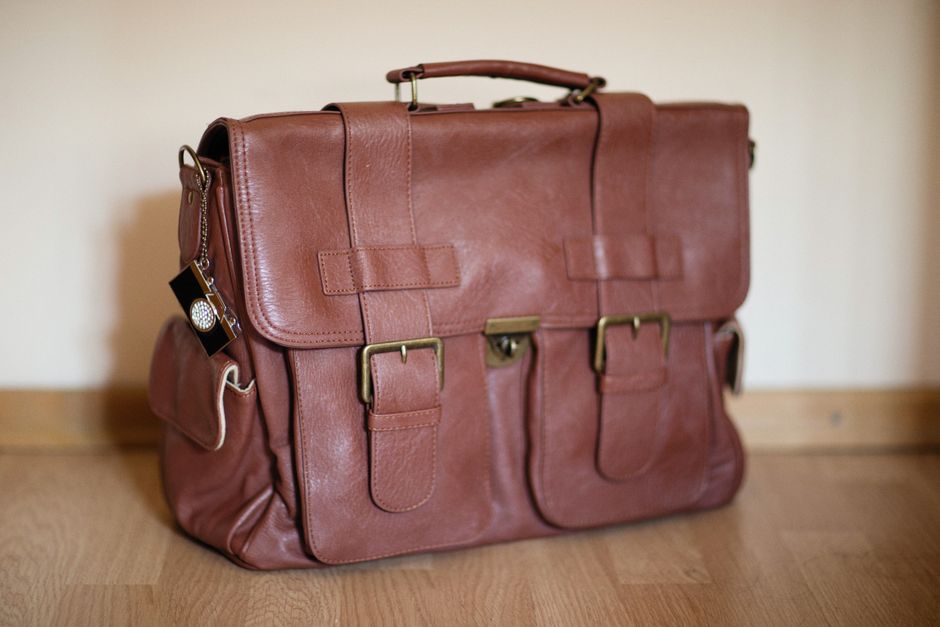
Practical Size and Features Checklist
- Volume and Capacity: How much do you actually need to carry? For daily commutes, consider a bag that fits your laptop (check specific dimensions for 13-inch, 15-inch, or larger models), chargers, a notebook, and perhaps a water bottle. For travel, factor in clothing, toiletries, and any secondary gadgets. For Ryanair or easyJet, remember their strict personal item and carry-on size limits – often a 40x20x25cm personal bag for free, or 56x45x25cm for a paid carry-on.
- Laptop Protection: If you carry a laptop, a dedicated, padded sleeve or compartment is non-negotiable. Look for bags where this compartment is easily accessible and secure, ideally against your back for better weight distribution and anti-theft protection.
- Organization Pockets: A well-organized bag saves time and reduces stress. Look for internal and external pockets for essentials like keys, phone, wallet, passport, and pens. Crossbody bags often excel here, keeping valuables close and accessible.
- Material Choice: This is where the ‘how to care for leather and fabric bags’ truly begins. Leather offers durability and a classic aesthetic but requires more diligent care. Fabric (nylon, canvas, polyester) is often lighter, more water-resistant, and easier to clean, making it a solid choice for frequent travel or varying weather.
- Weight and Comfort: An empty bag’s weight matters, especially for travel. A heavy leather bag, once filled, can quickly exceed comfortable carrying limits. Padded straps and ergonomic designs are crucial for backpacks, particularly if you’ll be walking through airports or city streets for extended periods.
- Security Features: For both work and travel, anti-theft bags provide peace of mind. Look for features like lockable zippers, RFID-blocking pockets for passports and credit cards, and slash-resistant materials or straps. These are particularly valuable in crowded areas like train stations in Rome or busy markets in Berlin.
- Travel Compatibility: For frequent flyers, a bag with a trolley sleeve that slides over your suitcase handle is a practical advantage. This feature makes navigating airports significantly easier, especially when juggling multiple bags or rushing to catch a connection.
Leather vs. Fabric: A Comparison for Longevity
The choice between leather and fabric for your bag often comes down to a blend of aesthetics, intended use, and your willingness to maintain it. Both have distinct advantages and disadvantages when considering the best bags for travel and work.
Carry-on Bags for a Seven-Day Holiday: Comfort, Durability, and Security Compared
Leather Bags
Leather exudes a timeless sophistication, often preferred for professional settings. It’s durable, develops a unique patina over time, and can be remarkably resilient if cared for properly. However, it’s generally heavier, less resistant to water and stains without treatment, and typically more expensive.
Fabric Bags
Modern fabrics like ballistic nylon, treated canvas, and high-denier polyester offer incredible strength-to-weight ratios. They are often water-resistant, easy to clean, and come in a vast array of colors and styles. They tend to be lighter and more casual, making them excellent choices for active travelers, students, or those who prioritize practicality over luxury.
| Feature | Leather Bags | Fabric Bags (e.g., Nylon, Canvas) |
|---|---|---|
| Durability | Very durable, develops patina, can last decades with care. Susceptible to scratches, water damage without treatment. | Highly durable, often lighter. Can be rip and abrasion resistant. May show wear and tear over time, colors can fade. |
| Weight | Heavier, especially for larger bags. | Generally lighter, suitable for carrying more without excessive bulk. |
| Water Resistance | Low, unless treated or specialized. Can stain easily from liquids. | Often highly water-resistant or waterproof. Dries quickly. |
| Maintenance | Requires regular conditioning, cleaning, and protection. More involved. | Easier to clean, often spot-cleanable or machine washable. Less intensive. |
| Aesthetics | Classic, professional, luxurious. Ages beautifully with care. | Modern, versatile, casual to sporty. Wide range of colors/patterns. |
| Cost | Typically higher initial investment. | Generally more affordable, good value for durability. |

How to Care for Leather and Fabric Bags: Essential Tips
Once you’ve invested in the best bags for travel and work, knowing how to care for them is paramount. Proper maintenance not only preserves their appearance but also extends their functional life, saving you money and hassle in the long run.
Leather Bag Care
Leather, being a natural material, needs hydration and protection. A common mistake is to ignore it until damage is visible. Regularly clean your leather bag with a soft, damp cloth to remove surface dirt. For deeper cleaning, use a specialized leather cleaner, following product instructions carefully. Conditioning is crucial: every 3-6 months, apply a good quality leather conditioner to keep the leather supple and prevent cracking. Always test products on an inconspicuous area first. Avoid overfilling your leather bag, which can distort its shape, and store it in a dust bag in a cool, dry place away from direct sunlight and heat when not in use. For spills, blot immediately, don’t rub.
Fabric Bag Care
Fabric bags are generally more forgiving, but still benefit from regular attention. For most nylon, polyester, or canvas bags, spot cleaning with mild soap and water is usually sufficient for small marks. Use a soft brush for stubborn dirt. Many fabric bags can be gently hand-washed or even machine-washed on a delicate cycle (check the care label first, and always use cold water and mild detergent). Air dry completely, away from direct sunlight, to prevent mildew and fading. For travel-specific bags, particularly those used frequently on public transport or through airport security (like at Heathrow or JFK), a quick wipe-down after each trip can prevent grime build-up. Consider a fabric protector spray for added water and stain resistance, especially if you’re frequently caught in unexpected downpours, common in places like London or Seattle.
General Bag Care Principles
Regardless of material, never store your bags in plastic bags, which can trap moisture and cause mildew. Always empty your bag completely after use to prevent items from degrading the lining or leaving stains. For bags that hold their shape, stuff them with tissue paper or bubble wrap when not in use to maintain their form. Be mindful of where you place your bag: avoid setting it directly on dirty floors, especially in public spaces. These small habits significantly contribute to the longevity of your chosen companion.
Common Mistakes to Avoid
Even with the best intentions, some common pitfalls can shorten the life of your bags. Overloading is a frequent offender, straining zippers, seams, and straps, particularly in laptop bags. Another mistake is neglecting spills or dirt, allowing them to set in and become permanent stains. Using harsh chemicals or cleaning agents not designed for your bag’s material can cause irreversible damage. Lastly, improper storage – like crushing bags into tight spaces or leaving them exposed to extreme temperatures – can deform their shape and degrade materials over time.
The Savvy Traveler’s Guide: Best Personal Item Bags for Budget Airlines
FAQ: Answering Your Bag Care Questions
How do I choose the right bag for work and travel?
Choosing the right bag involves assessing your specific needs for capacity, laptop protection, organization, and material. For work, prioritize a professional aesthetic and secure compartments for tech. For travel, focus on airline size compliance, comfort for carrying, and anti-theft features. Consider dual-purpose bags that transition smoothly between both roles.
Can I use the same bag for daily commuting and weekend trips?
Absolutely. Many versatile bags, especially convertible backpacks or spacious crossbody bags, are designed to transition. Look for features like a padded laptop sleeve for work and enough main compartment space for a change of clothes for a weekend getaway. Modularity and thoughtful organization are key for such adaptability.
What are the best anti-theft features for travel bags?
Key anti-theft features include lockable zippers (often self-locking or compatible with a padlock), RFID-blocking pockets to protect credit cards and passports, slash-resistant materials (often reinforced mesh), and secure attachment points to deter grab-and-go theft. Look for these in popular travel destinations like Paris or New York.
How do I clean a stained fabric bag without damaging it?
For fabric bags, first try spot cleaning with a clean, damp cloth and a small amount of mild soap (e.g., dish soap diluted with water). Blot the stain, don’t rub vigorously, to avoid spreading it or damaging the fabric. For tougher stains, consult the bag’s care label. Avoid harsh chemicals or bleach, which can discolor and weaken the material.
How often should I condition my leather bag?
For leather bags in regular use, conditioning every 3 to 6 months is a good general guideline. If your bag is exposed to dry climates, direct sunlight, or frequent use, you might condition it more often. Conversely, an infrequently used bag stored properly might only need conditioning once a year. Always use a quality leather conditioner.
Are carry-on bags really inspected by the TSA/airport security in Europe?
Yes, carry-on bags are thoroughly inspected by airport security, including the TSA in the US and equivalent authorities across Europe (e.g., in Germany, France, Italy, Spain, Poland). They check for prohibited items, liquids restrictions, and electronics. Always ensure your bag meets size and weight limits of your airline, as enforced by carriers like Ryanair and easyJet, to avoid additional fees or gate-checking.
Choosing and maintaining the best bags for travel and work is a continuous process that extends far beyond the initial purchase. By adopting these practical tips on how to care for leather and fabric bags, you’ll ensure your companions remain functional, stylish, and ready for whatever your journey—be it a daily commute or an international adventure—throws your way. Explore more bags guides on AtTheFashion.





Leave feedback about this