


Men can build a useful and stylish wardrobe without overspending by prioritizing versatility, durability, and timeless pieces over fleeting trends. Focusing on a capsule wardrobe approach with high-quality, sustainably produced basics that can be mixed and matched creates a wide range of outfits from fewer items. This strategy involves investing in classic menswear essentials made from sustainable fabrics like organic cotton or recycled blends, which offer longevity and reduce the need for frequent replacements, ultimately saving money and environmental impact in the long run. Thoughtful shopping, including second-hand options and sales, also plays a crucial role.
Building a wardrobe that’s both stylish and sustainable often feels like a financial hurdle. Many men, from students in Berlin to professionals in New York, struggle to combine their desire for quality, eco-conscious clothing with the realities of a modest budget. The perception is that ‘sustainable’ automatically means ‘expensive,’ leading to frustration and often, a return to fast fashion habits.
It doesn’t have to be this way. Achieving a wardrobe that looks good, feels good, and does good for the planet is entirely possible without breaking the bank. The key lies in strategic planning, smart choices, and a focus on longevity, rather than chasing every new trend. This guide is all about practical men’s fashion advice for sustainable men’s fashion basics.
For most men, the goal isn’t to become a fashion guru, but to have a reliable collection of clothes that work for various occasions – from a business meeting in London to a casual weekend stroll in Paris, or even navigating the vibrant student life in Milan. It’s about confidence, comfort, and knowing your choices align with your values.
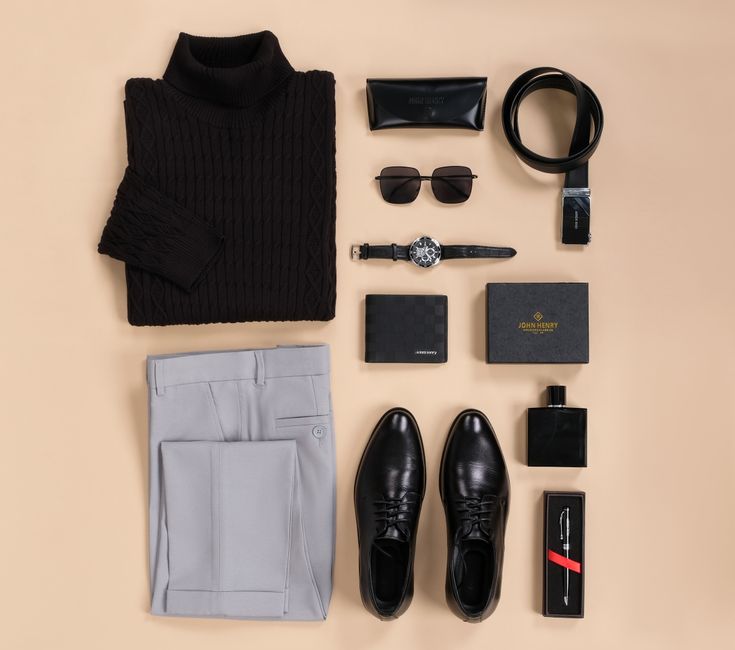
The Smart Approach to Building a Sustainable Wardrobe
When you’re aiming for both style and sustainability on a realistic budget, a structured approach makes all the difference. Here’s a quick overview of how to get started:
- Define Your Style & Needs: Understand your daily activities and preferred aesthetic. Are you mostly smart casual, or do you need more formal wear?
- Prioritize Versatility: Choose items that can be worn in multiple ways and across different seasons.
- Focus on Quality over Quantity: Invest in durable pieces that last longer, reducing the need for constant replacement.
- Embrace Sustainable Fabrics: Opt for materials like organic cotton, linen, Tencel, or recycled blends whenever possible.
- Consider Second-Hand & Vintage: Excellent quality pieces often await in thrift stores or online marketplaces.
- Learn Basic Care: Proper clothing care extends garment life significantly.
- Shop Strategically: Look for sales, ethical brands, and utilize price comparison tools.
- Build a Capsule Wardrobe: A curated collection of interchangeable items minimizes decision fatigue and maximizes outfit potential.
Establishing Your Core: The Foundation of Menswear Essentials
Before you even think about specific outfits, you need to lay a strong foundation. This means investing in menswear essentials that serve as the backbone of your wardrobe. Think of these as your building blocks, ready to be mixed, matched, and accessorized.
The Power of Neutral Colors and Classic Silhouettes
A common mistake is buying too many trendy, brightly colored items that don’t easily pair with anything else. Instead, start with neutrals: navy, charcoal grey, black, white, and various shades of tan or olive. These colors are incredibly versatile and form the perfect canvas for any outfit. Classic silhouettes, like a straight-leg chino or a simple crew-neck tee, transcend fleeting trends and will remain stylish for years.
Key Items for Your Sustainable Capsule Wardrobe
A capsule wardrobe is a curated collection of clothing that are interchangeable, maximizing the number of outfits you can create with fewer items. For men, this typically includes:
- Tops: 3-4 high-quality t-shirts (white, black, navy, grey), 2-3 button-down shirts (oxford cloth in white/light blue, chambray), 1-2 casual long-sleeve shirts.
- Bottoms: 1-2 pairs of well-fitting dark wash jeans, 1-2 pairs of versatile chinos (khaki, navy, olive), 1 pair of tailored trousers (charcoal or navy).
- Outerwear: 1-2 versatile jackets (e.g., a denim jacket, a classic bomber, or a field jacket), 1-2 sweaters (crew-neck and/or V-neck in merino wool or organic cotton). For cooler climates like Berlin or New York, a durable, insulated winter coat is a must.
- Footwear: 1 pair of versatile sneakers (white or neutral), 1 pair of smart casual boots or leather loafers, 1 pair of dressier shoes (oxfords or derbies).
- Accessories: A quality leather belt, a versatile watch, and a few pairs of quality socks.
When selecting these items, look for brands committed to ethical production and sustainable fabrics. Many European brands, from Germany to Italy, are leading the way in this regard.
Mastering Smart Casual: The Everyday Hero
The smart casual dress code is perhaps the most practical and frequently encountered style for modern men, whether you’re working remotely in the French countryside or meeting friends in London. It strikes a balance between relaxed and refined, making it ideal for a vast range of social and professional settings.
Men’s Travel Clothes for Europe and the US: Your Essential Packing Guide
Building Versatile Smart Casual Outfits
The beauty of smart casual lies in its flexibility. Here’s how to assemble effective outfits:
- Chinos + Oxford Shirt + Loafers: A timeless combination perfect for office environments, dinners, or semi-formal events. Swap the loafers for clean white sneakers for a more relaxed vibe.
- Dark Wash Jeans + Merino Wool Sweater + Boots: Ideal for cooler weather, this outfit is comfortable yet polished. The merino wool offers excellent thermoregulation and is a sustainable choice.
- Tailored Trousers + Polo Shirt + Sneakers: A slightly more elevated take on casual, suitable for creative workspaces or weekend brunches.
- Button-Down Shirt (untucked) + Chinos + Bomber Jacket + Desert Boots: This layered look offers both style and adaptability, great for transitional weather.
When considering men’s fashion advice for sustainable men’s fashion basics in this category, focus on pieces that are well-constructed and can withstand frequent wear and washing without losing their shape or color. This commitment to durability is a cornerstone of sustainable fashion.
Beyond Basics: Elevating Your Style with Sustainable Choices
Once you have your core menswear essentials, you can begin to add pieces that reflect your personal style or cater to specific needs, always keeping sustainability and your budget in mind.
Incorporating Sustainable Fabrics and Brands
This is where your commitment to sustainable men’s fashion basics truly shines. Look for brands that are transparent about their supply chain and use eco-friendly materials.
- Organic Cotton: Grown without harmful pesticides or synthetic fertilizers, it’s better for farmers, the environment, and your skin.
- Linen: A durable, breathable fabric derived from the flax plant, requiring less water than cotton. Perfect for warmer climates or summer wear in places like Italy or Spain.
- Tencel/Lyocell: Made from wood pulp through a closed-loop process, it’s soft, strong, and highly sustainable.
- Recycled Materials: Polyester from recycled plastic bottles or recycled wool helps divert waste from landfills.
- Hemp: Requires minimal water and no pesticides, and produces strong, durable fibers.
Researching brands that prioritize ethical manufacturing and sustainable practices can take time, but it’s a worthwhile investment. Many smaller, independent brands across Europe and North America are making significant strides in this area.
The Role of Second-Hand and Vintage Finds
Don’t overlook the treasure trove that is second-hand shopping. Vintage stores, consignment shops, and online platforms like Vinted (popular in Europe) or eBay can yield incredible finds – often high-quality items at a fraction of their original price. A classic tweed blazer or a sturdy denim jacket, already broken in, adds character and helps you stay within a realistic budget while being inherently sustainable. This is particularly effective in fashion-conscious cities like Paris or Milan, where unique finds are abundant.
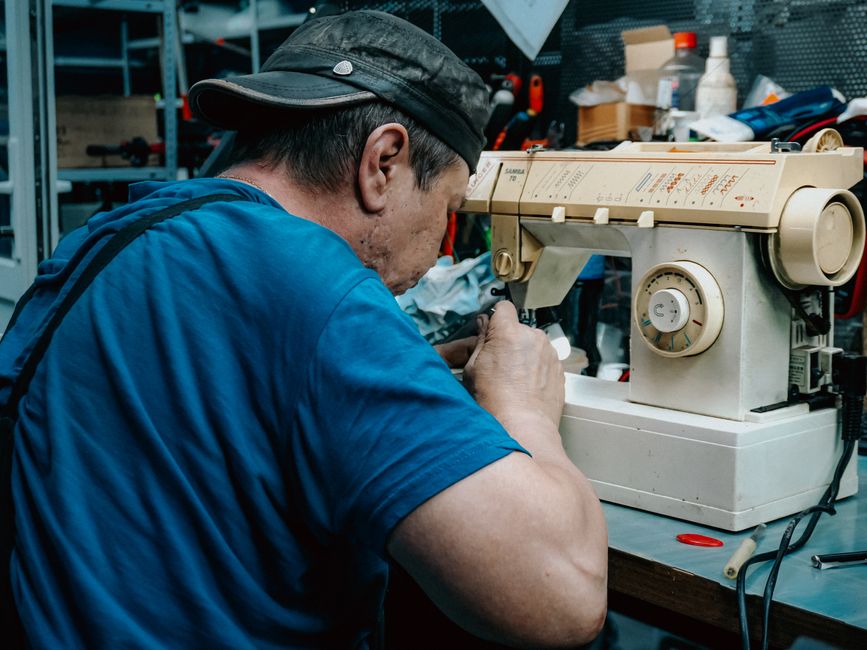
The key here is patience and knowing what you’re looking for. Inspect items carefully for damage and consider minor alterations to achieve a perfect fit. Often, a small investment in tailoring can transform a good second-hand piece into a wardrobe staple.
Maintenance and Longevity: The Unsung Heroes of Sustainability
Buying sustainable clothing is only half the battle. How you care for your garments significantly impacts their lifespan and, by extension, their sustainability.
Simple Steps for Extending Garment Life
This aspect of men’s fashion advice is often overlooked but crucial for sustainable men’s fashion basics:
Smart Casual Outfits for Men Working Hybrid: Fit, Comfort, and Style Explained
- Read Care Labels: Always follow washing instructions. Ignoring them is a surefire way to shrink, stretch, or damage clothes.
- Wash Less: Don’t wash clothes after every wear unless they’re visibly dirty or sweaty. Airing them out can often suffice.
- Use Cold Water: Reduces energy consumption and helps prevent fading and shrinking.
- Air Dry When Possible: Tumble dryers consume a lot of energy and can be harsh on fabrics. Line drying or flat drying extends garment life and saves electricity.
- Repair, Don’t Replace: Learn basic mending skills or find a local tailor. A loose button, a small tear, or a broken zipper can often be fixed easily and affordably.
- Store Properly: Keep clothes in a clean, dry place. Use appropriate hangers for different garments to maintain their shape.
Adopting these habits not only makes your wardrobe more sustainable but also saves you money on replacements and energy bills. It’s a practical win-win for men navigating a realistic budget.
FAQ: Your Sustainable Wardrobe Questions Answered
What is a realistic budget for a sustainable men’s wardrobe?
A realistic budget varies greatly, but focusing on 5-10 key versatile items initially, at a price point slightly higher than fast fashion but far less than luxury brands, is a good start. By shopping sales, second-hand, and prioritizing quality over quantity, you can build a solid foundation for £300-£700 ($400-$900 USD) over 6-12 months. The goal is fewer, better items that last.
How can I identify genuinely sustainable brands?
Look for transparency reports on their websites, certifications (like GOTS for organic cotton, Fair Trade, or B Corp), and detailed information about their materials and manufacturing processes. Be wary of vague claims. Brands that discuss their supply chain, worker conditions, and environmental impact openly are generally more reliable than those that simply use terms like ‘eco-friendly’ without substance.
Are sustainable clothes always more expensive?
Not necessarily. While some premium sustainable brands have higher price points due to ethical production and material costs, many accessible brands offer sustainable lines at competitive prices. The ‘cost per wear’ often makes sustainable items cheaper in the long run because they last longer than their fast-fashion counterparts, reducing the need for frequent replacements.
What are the best sustainable fabrics for durability?
For durability, look for organic cotton (especially denim and canvas weaves), linen, hemp, and certain recycled synthetics. Merino wool is excellent for longevity and performance. These fabrics are known for their strength, resistance to wear, and ability to hold up through many washes, provided they are cared for properly.
Can I build a sustainable wardrobe entirely from second-hand items?
Absolutely! Building a wardrobe primarily from second-hand items is one of the most sustainable and budget-friendly approaches. It requires patience and a good eye, but you can find high-quality, unique pieces from brands you might not otherwise afford. Platforms and physical stores in cities like London, Berlin, and New York offer vast selections.
How do I make my existing wardrobe more sustainable?
Start by learning proper garment care to extend the life of what you already own. Repair items instead of discarding them. Consider repurposing clothes you no longer wear or donating them to charity. When replacing items, opt for sustainable alternatives. This gradual shift makes your entire approach to fashion more sustainable without needing a complete overhaul.
Key Takeaways for Your Sustainable Wardrobe Journey
Building a sustainable men’s wardrobe on a realistic budget is less about grand gestures and more about thoughtful, consistent choices. It begins with understanding that quality and versatility are your best allies, allowing you to create numerous outfits from a smaller, more durable collection of garments. Focusing on menswear essentials in neutral tones provides a flexible foundation.
Embracing smart casual principles ensures you’re prepared for most occasions, from the office to a casual dinner. Critically, prioritizing sustainable fabrics and ethical brands aligns your style with your values, while also often leading to better quality items. Don’t underestimate the power of second-hand shopping to find unique, high-quality pieces affordably.
Finally, intelligent garment care—washing less, repairing more, and air-drying—is fundamental to extending the life of your clothes, making your entire wardrobe more sustainable and cost-effective. By applying these practical tips for men’s fashion advice, building sustainable men’s fashion basics becomes an achievable and rewarding endeavor.
Explore more men’s guides on AtTheFashion to continue your journey toward a refined and responsible style.



Leave feedback about this