

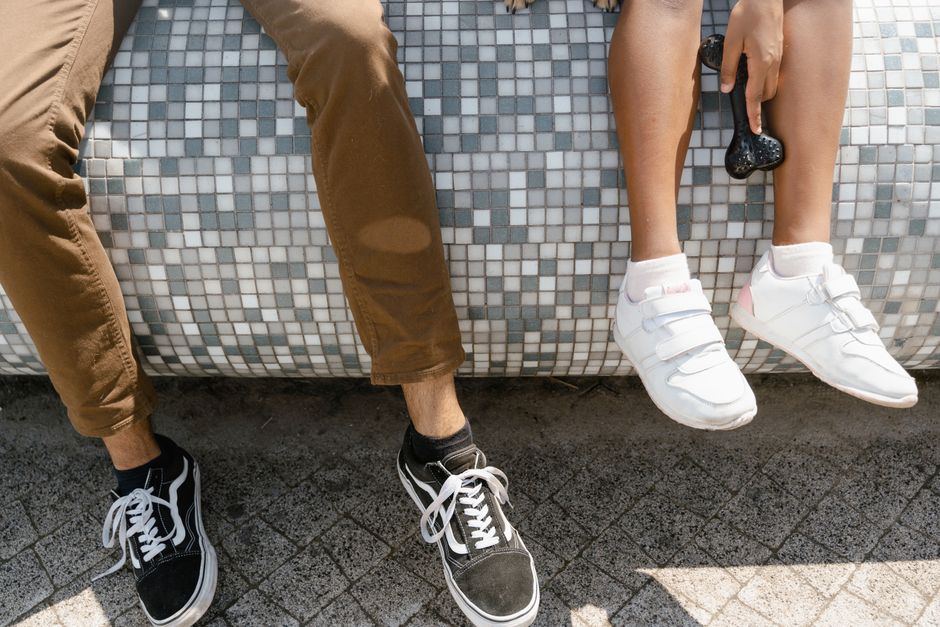
What makes a shoe comfortable for walking all day is a combination of proper fit, adequate cushioning, arch support tailored to your foot type, and a lightweight, breathable design. A truly comfortable shoe should feel snug but not tight, allow for natural foot movement without restriction, and provide sufficient shock absorption to reduce fatigue and impact on your joints. Materials that wick moisture and a flexible outsole also contribute significantly to sustained comfort, whether you’re navigating European cobblestones or strolling through a local park.
There’s nothing quite like the excitement of a new trip, whether it’s exploring the historic streets of Rome or tackling the daily commute in Chicago. Yet, this excitement can quickly turn to dread if your feet aren’t happy. Painful blisters, aching arches, and swollen ankles are common culprits that can derail even the best-laid plans, often stemming from poor footwear choices. Selecting the right comfortable footwear for travel and everyday walking isn’t just about style; it’s about safeguarding your comfort and overall well-being.
Many underestimate the importance of their shoes until it’s too late. Imagine navigating the winding paths of Hyde Park in London or enduring a long shift on your feet, only to be hobbled by discomfort. This guide aims to demystify the process, helping you choose sneakers that provide lasting comfort and support, ensuring your adventures and daily routines are pain-free.
The Hidden Dangers of Poor Sneaker Choices
It’s easy to grab the trendiest pair of sneakers, but fashion often trumps function, leading to significant discomfort. The wrong shoes can cause a cascade of issues, from immediate pain to long-term foot problems. Understanding these pitfalls is the first step towards making smarter choices for comfortable footwear for travel and everyday walking.
Mistake 1: Prioritizing Aesthetics Over Ergonomics
We’ve all been there: falling for a visually appealing shoe only to discover it’s a torture device in disguise. Many popular sneakers lack the necessary support or cushioning for prolonged wear. Flat soles offer little arch support, leading to plantar fasciitis. Stiff materials can cause chafing and blisters, while poor breathability creates an uncomfortable, sweaty environment, ripe for fungal issues. In practice, a shoe designed for quick sprints might look sleek but won’t stand up to a day of exploring the Louvre in Paris.
Mistake 2: Ignoring Your Foot Type and Gait
Not all feet are created equal. Do you have high arches, flat feet, or do you overpronate? Ignoring these fundamental aspects of your foot can lead to significant problems. A shoe that provides excellent support for someone with a neutral gait might be detrimental to another person who requires motion control. For most readers, a visit to a specialized running or walking shoe store can provide invaluable insight into your foot mechanics, often through a simple gait analysis.
Mistake 3: The ‘Break-In’ Period Myth
While some sturdy leather boots might require a brief break-in, a truly comfortable walking sneaker should feel good from the moment you try it on. If a shoe feels tight or uncomfortable in the store, it’s unlikely to magically improve with wear. Instead, it will likely cause pain and blisters. This is a crucial point when selecting comfortable footwear for travel and everyday walking, especially when you need reliable shoes right out of the box for a trip.
What Makes a Sneaker Truly Comfortable for All-Day Wear?
Choosing sneakers that keep your feet happy throughout the day, whether you’re traversing New York City or hiking the Dolomites, boils down to a few key elements. These are the pillars of selecting genuinely comfortable footwear for travel and everyday walking.
How to Break In New Shoes Without Blisters: Your Comfortable Footwear Guide
Proper Fit: Beyond Just Size
The number on the box is only a starting point. Your foot changes size throughout the day and even during your life. Always try shoes on in the afternoon when your feet are slightly swollen. Ensure there’s a thumb’s width between your longest toe and the end of the shoe. The ball of your foot should align with the widest part of the shoe, and your heel should feel secure without slipping. Don’t forget to wear the type of socks you’d typically use with the shoes.
Cushioning and Support: The Dynamic Duo
- Cushioning: This is the shock absorber. Good cushioning reduces impact on your joints (knees, hips, back) and foot. Look for responsive foam materials that offer a good balance between softness and energy return. Too soft, and you’ll sink; too firm, and you won’t get enough shock absorption.
- Arch Support: Critical for stability and preventing fatigue. If you have flat feet, you’ll need more supportive arches to prevent overpronation. High arches require cushioning to absorb shock. Many sneakers offer removable insoles, allowing you to insert custom orthotics if needed.
Material and Construction: Breathability and Durability
Lightweight, breathable uppers (like mesh or knitted fabrics) are essential, especially when walking in warmer climates or for extended periods. They prevent overheating and moisture buildup, reducing the risk of blisters and odor. Look for durable outsoles with good traction, particularly if you anticipate encountering varied terrain, such as the famous European cobblestones in cities like Florence or Berlin.
Strategic Choices for Travel and Everyday Walking
Now that we understand the core components of comfort, let’s apply this to specific scenarios, ensuring you pick the best comfortable footwear for travel and everyday walking.
For the Urban Explorer: City Strolls and Sightseeing
When you’re pounding pavements in London, Rome, or Barcelona, you need shoes that can handle endless steps and varying surfaces. Consider sneakers with excellent arch support and ample cushioning. Brands known for their walking-specific lines often feature responsive midsoles and durable rubber outsoles. Look for water-resistant options if you’re traveling during shoulder seasons or to regions prone to unexpected showers, which can be common across the UK or parts of Germany.
For the Commuter and Daily Walker: Practicality Meets Comfort
Your daily routine demands shoes that can keep up. For commuters, ease of slipping on/off can be a bonus, but never at the expense of support. Consider shoes that blend well with various outfits if you’re going straight from work to social events. Focus on lightweight designs that won’t add unnecessary fatigue to your daily steps. Many activewear brands now offer stylish options that perform well for long periods on your feet.
Navigating Challenging Terrains: From Cobblestones to Trails
European cobblestones, particularly in older cities like Prague or Krakow, can be notoriously tricky. For these surfaces, look for sneakers with a slightly wider base for stability and a solid, grippy outsole to prevent slips. Cushioning is key to absorb the impact of uneven ground. If your travel involves light hiking or varied terrain, consider a trail-running sneaker, which offers enhanced traction and often more durable uppers without the bulk of a full hiking boot.
Common Mistakes and How to Sidestep Them
Beyond the fit and function, there are other subtle errors people make when choosing their comfortable footwear for travel and everyday walking.
Summer Sandals That Support Long Walks: Avoiding Painful Footwear Mistakes
Wearing the Wrong Socks
Cotton socks, while common, retain moisture and can lead to blisters. Opt for moisture-wicking synthetic blends or merino wool socks, especially for long walks or warmer climates. These materials help keep your feet dry and reduce friction.
Not Rotating Your Shoes
Even the best shoes benefit from a day off. Rotating between two or three pairs allows the cushioning to decompress and the shoes to air out, prolonging their lifespan and preventing odor buildup. This is particularly useful for frequent travelers or those with active lifestyles.
Ignoring Early Warning Signs
If your feet start to ache or develop hot spots, address it immediately. Don’t push through the pain. Take a break, adjust your lacing, or consider if it’s time for new footwear. Persistent discomfort is a clear signal that your current shoes aren’t working for you.
FAQ: Your Questions on Comfortable Footwear Answered
Are expensive sneakers always more comfortable?
Not necessarily. While higher-priced sneakers often incorporate advanced cushioning and support technologies, a shoe’s comfort is highly individual. A moderately priced sneaker with the right fit and features for your foot type can be far more comfortable than a premium, ill-fitting pair. Focus on fit and features over brand name or price tag.
How often should I replace my walking sneakers?
Most walking sneakers last between 300 to 500 miles, or roughly every 6-12 months for regular users. However, this varies based on your gait, weight, and terrain. Look for signs of wear in the outsole, compression in the midsole, or a general decrease in support and cushioning. If you start feeling aches you didn’t before, it’s likely time for a new pair.
Can I use running shoes for extensive walking?
Yes, many running shoes are excellent for walking, especially those designed for daily training or long distances. They offer superb cushioning and responsive support. However, some specialized running shoes might be too flexible or have aggressive tread patterns not ideal for urban walking. Opt for neutral, well-cushioned running shoes for versatile comfort.
What should I do if my feet still hurt after wearing supposedly comfortable shoes?
If you’ve chosen shoes that feel comfortable but still experience pain, consider consulting a podiatrist. There might be an underlying foot condition, or you might benefit from custom orthotics. It’s also worth re-evaluating your fit; even a small discrepancy can cause issues over time. Check your socks and lacing technique too.
Are waterproof walking shoes truly necessary for travel?
Waterproof walking shoes can be incredibly beneficial for travel, especially if you anticipate encountering rain, puddles, or damp conditions in places like Ireland, the Pacific Northwest, or even just during European shoulder seasons. They keep your feet dry and warm, preventing discomfort and potential blisters. However, they can be less breathable than non-waterproof options, so weigh your needs against the climate.
Conclusion
Choosing the right comfortable footwear for travel and everyday walking is a foundational step toward a pain-free life and enjoyable adventures. By understanding your feet, prioritizing proper fit and support, and avoiding common mistakes, you can ensure your sneakers are a source of comfort, not agony. Invest wisely in your footwear, and your feet will thank you, whether you’re strolling through the bustling markets of Poland or simply running errands at home. For more insights and recommendations, explore more footwear guides on AtTheFashion.





Leave feedback about this