

To break in new shoes without blisters, focus on gradual wear, proper fit from the start, and proactive foot protection. This means wearing new shoes for short periods initially, choosing a size that accommodates your foot’s natural shape and slight swelling, and using tools like thick socks, shoe stretchers, or blister patches in problem areas. Addressing potential friction points before they become painful is key to a comfortable footwear experience, whether you’re navigating European cobblestones or bustling city streets.
There’s a universal truth for anyone who appreciates good footwear: the thrill of new shoes can quickly turn to dread if they pinch, rub, or worse, cause blisters. We’ve all been there, perhaps trying to look chic while navigating the uneven pavements of London, the endless galleries of the Louvre in Paris, or the ancient streets of Rome, only to find our feet screaming in protest after a few hours. The promise of stylish walking shoes or durable travel footwear quickly fades when discomfort sets in.
Breaking in new shoes doesn’t have to be a painful rite of passage. With a strategic approach, you can transform stiff, unyielding footwear into comfortable companions ready for any adventure, from commuting through New York City to exploring the historic centers of Berlin or Kraków. The goal is to make those initial wears as seamless and pain-free as possible.
This comprehensive guide will equip you with practical strategies for achieving a comfortable footwear experience right from the start. We’ll compare methods, highlight common pitfalls, and answer frequently asked questions to ensure your next pair of shoes is a joy, not a torment.
Understanding the Importance of a Proper Fit from the Outset
Before you even think about ‘breaking in,’ the foundation of a comfortable footwear guide begins with the initial fit. Many assume discomfort is inevitable, but often, the issue lies in purchasing the wrong size or style for their foot shape. A shoe that doesn’t fit correctly will always cause problems, regardless of how much you try to ‘stretch’ it.
When trying on shoes, do it at the end of the day when your feet are slightly swollen, mimicking their natural state after prolonged walking. Always wear the type of socks you intend to use with the shoes. Look for about a thumb’s width of space between your longest toe and the end of the shoe. The ball of your foot should sit comfortably at the widest part of the shoe, and your heel shouldn’t slip excessively. Ignoring these initial indicators can lead to endless battles with blisters and general foot fatigue, particularly crucial for those seeking reliable travel footwear.
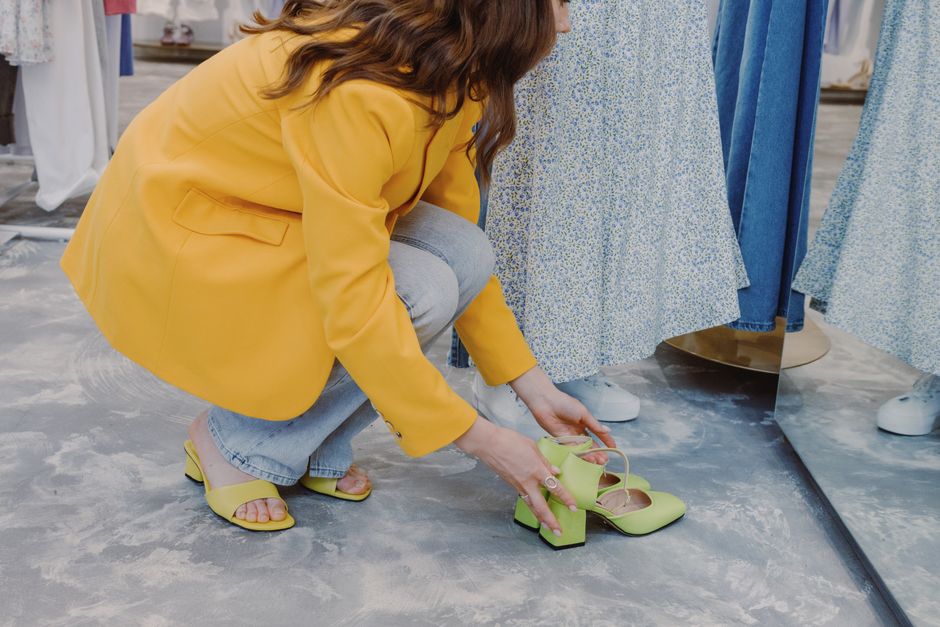
Caption: A person trying on shoes in a store, emphasizing proper fit for comfortable footwear.
Practical Strategies for Breaking In New Shoes Comfortably
Once you’ve got a good initial fit, these tips will help you transition your new shoes from stiff to supremely comfortable without the typical agony.
1. The Gradual Wear Method
This is arguably the most effective and safest method. Start by wearing your new shoes for short periods—an hour or two—around the house or for a quick errand. Gradually increase the duration each day. This allows the material to conform to your foot’s unique shape slowly and naturally, preventing intense pressure points that lead to blisters. Think of it as a gentle introduction, rather than a forced marriage.
2. Double Up on Socks (Carefully)
Wearing one or two pairs of thicker socks can help stretch the shoe’s material while providing a buffer for your foot. This technique is particularly useful for leather or canvas shoes. Be mindful not to make the shoe so tight that it cuts off circulation. The goal is gentle expansion, not crushing your feet. This can be a savior when breaking in new walking shoes before a trip through Berlin’s streets.
Running Shoes vs. Walking Shoes for Beginners: A Comfortable Footwear Guide
3. Targeted Stretching with Shoe Stretchers
For specific tight spots, a shoe stretcher can be invaluable. These devices can be left in shoes overnight to gently expand the material. There are also specific ‘bunion stretchers’ or ‘spot stretchers’ that target small areas. Leather and suede respond well to this; synthetic materials may have less give. This is a great solution for those who find the toe box or sides just a touch too snug.
4. Heat Application (Use with Caution)
Applying gentle heat can make certain materials, especially leather, more pliable. Wear thick socks, put on your new shoes, and use a hairdryer on a low setting, moving it over the tight areas for 20-30 seconds at a time. While doing this, flex your feet and walk around. This helps the material stretch while it’s warm. Be very careful not to overheat or damage delicate materials like patent leather or synthetics.
5. Protect Your Feet Proactively
Don’t wait for a hot spot to appear. Apply moleskin, athletic tape, or specialized blister prevention patches (like those from Compeed or Band-Aid) to areas prone to rubbing, such as heels, toes, or the sides of your feet. These create a friction barrier, allowing your shoes to break in while your skin remains protected. This is non-negotiable for new travel footwear.
6. The Power of Shoe Trees
While not strictly for breaking in, inserting shoe trees when you’re not wearing your shoes helps maintain their shape and can gently stretch them over time. Cedar shoe trees also absorb moisture, keeping your shoes fresh. This is particularly beneficial for leather shoes, helping them retain their form as they adapt to your foot.
7. Consider Professional Stretching
If you have particularly stubborn shoes or unusually shaped feet, a cobbler can professionally stretch shoes using specialized equipment. They can target specific areas without risking damage, which is often a worthwhile investment for high-quality walking shoes or expensive travel footwear.
Comparing Common Footwear Materials and Their Break-In Needs
Different materials respond differently to break-in methods. Understanding this can save you a lot of time and discomfort.
| Material | Break-In Characteristics | Recommended Approach |
|---|---|---|
| Leather | Stiff initially but molds beautifully to your foot over time. Excellent for comfortable footwear once broken in. | Gradual wear, thick socks, shoe stretchers, gentle heat. Moleskin for friction points. |
| Suede/Nubuck | Softer than traditional leather, breaks in quicker. More delicate. | Gradual wear, shoe stretchers. Avoid excessive moisture or harsh heat. |
| Canvas/Fabric | Flexible, often comfortable from the start. May soften slightly. | Gradual wear. Less need for intensive stretching. Blister patches for seams. |
| Synthetics/Plastics | Less give, may not stretch significantly. Fit is crucial from the start. | Gradual wear, thin socks, blister prevention. Focus on initial fit as stretching is minimal. |
| Waterproof Shoes (e.g., Gore-Tex) | Often involve multiple layers; can feel stiff. Breathability matters for comfort. | Gradual wear, ensure adequate sock choice. Focus on initial fit, as waterproofing layers can limit flexibility. |
What makes a shoe comfortable for walking all day? Beyond the break-in period, sustained comfort for walking all day hinges on several design elements: adequate arch support to distribute pressure evenly, sufficient cushioning in the sole to absorb impact (especially crucial on hard surfaces like New York City sidewalks or European cobblestones), a roomy toe box that allows your toes to splay naturally, and breathable materials to prevent moisture build-up. The shoe’s overall weight and flexibility also play a significant role, with lighter, more flexible designs often reducing foot fatigue over extended periods. For travel footwear, these features are paramount.
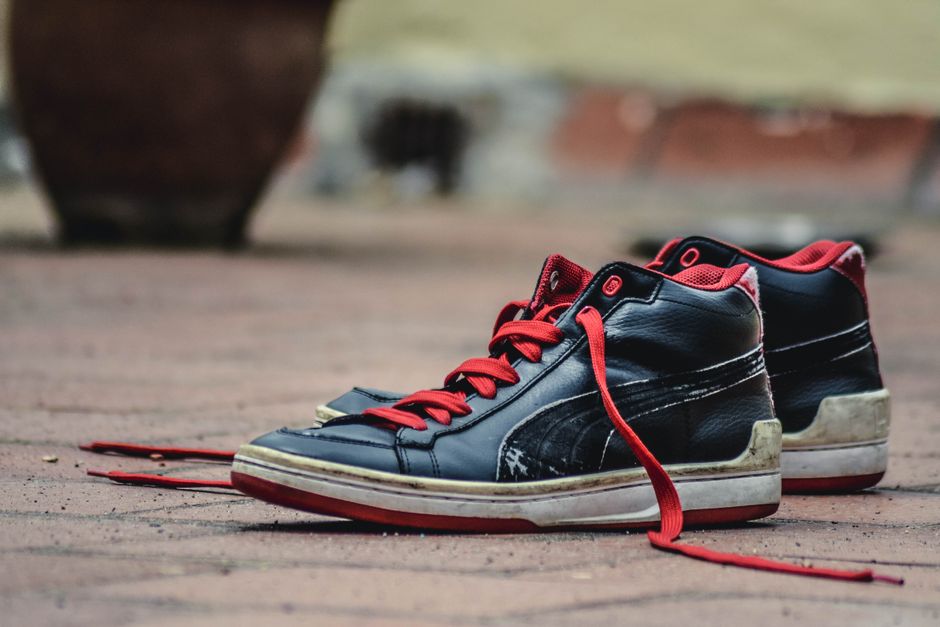
Caption: A pair of well-worn comfortable walking shoes ready for travel or everyday use.
Common Mistakes to Avoid When Breaking In New Shoes
Mistakes can turn a minor discomfort into a major injury. Be aware of these common pitfalls:
Wearing Them for a Major Event First
Never, ever debut new shoes on a long walk, a significant trip (like exploring Chicago or the historic sites of Warsaw), or an event where you’ll be on your feet for hours. This is the fastest route to excruciating blisters and ruined plans. Always give them a proper trial run.
Waterproof Shoes for Rainy Commutes: A Simple Comparison and Buyer FAQ
Ignoring Early Discomfort
A little stiffness is normal, but sharp pain, rubbing, or persistent pressure points are warning signs. Don’t ‘power through’ discomfort, hoping it will magically disappear. Address it immediately with a different method or reconsider if the shoes are truly the right fit.
Using Improper Stretching Methods
Aggressive methods like soaking shoes in water, freezing them with bags of ice, or using excessive heat can damage materials, compromise waterproofing, and void warranties. Stick to proven, gentle techniques.
Forgetting About Socks
The right socks are your first line of defense against blisters. Opt for moisture-wicking materials like merino wool or synthetic blends. Avoid cotton socks for long walks, as they retain moisture, increasing friction and the risk of blisters.
Not Considering Your Foot Shape
Everyone’s feet are different. Some have high arches, others wide forefeet or narrow heels. A shoe designed for a ‘standard’ foot may not work for you. Always prioritize shoes that accommodate your specific foot mechanics. Brands like Ecco or Clarks are often praised for their anatomical designs, particularly useful for comfortable walking shoes.
Frequently Asked Questions About Comfortable Footwear
How long does it typically take to break in new shoes?
The break-in period varies significantly depending on the shoe’s material, construction, and your individual foot. Generally, sturdy leather shoes can take anywhere from a few days to a few weeks of consistent, gradual wear. Softer materials like canvas or mesh might feel comfortable almost immediately or only require a few hours to adapt. Patience is key.
Can I speed up the break-in process for waterproof shoes?
Speeding up the break-in for waterproof shoes, especially those with Gore-Tex or similar membranes, should be done cautiously. While gradual wear and thick socks can help soften outer materials, avoid aggressive heat or stretching methods that could damage the waterproof membrane. Focus on a good initial fit and consistent short wears.
Are there specific types of shoes that are harder to break in?
Yes, shoes made of stiff, thick leather (like some hiking boots or formal Oxfords), certain types of rigid synthetic materials, or those with very structured, unyielding designs tend to be harder to break in. Minimalist shoes or sneakers with flexible uppers are generally easier, though even these can have rubbing points.
What should I do if my new shoes are still uncomfortable after breaking them in?
If your shoes remain uncomfortable despite consistent efforts to break them in, they might simply be the wrong fit for your feet. Consider trying different insoles for added arch support or cushioning, or consult a podiatrist or a professional shoe fitter. Sometimes, a shoe just isn’t meant to be, and continuing to wear it will only cause ongoing pain and potential foot issues.
How do I prevent blisters when wearing new walking shoes for travel?
For travel footwear, prevention is paramount. Ensure a proper fit before your trip, apply blister prevention tape or moleskin to known hot spots, and wear moisture-wicking socks. Pack a small kit with blister patches and extra socks. Break them in well before you depart to explore destinations like Florence or Munich.
With these strategies in hand, you’re well-equipped to make your next pair of shoes a comfortable fit from day one. Breaking in new shoes without blisters doesn’t require magic, just a bit of patience and smart planning. No matter if you’re exploring the charming streets of Seville, commuting through London, or hiking the trails outside Warsaw, your feet will thank you.
To explore more footwear guides and ensure every step is comfortable, Explore more footwear guides on AtTheFashion.


Leave feedback about this