

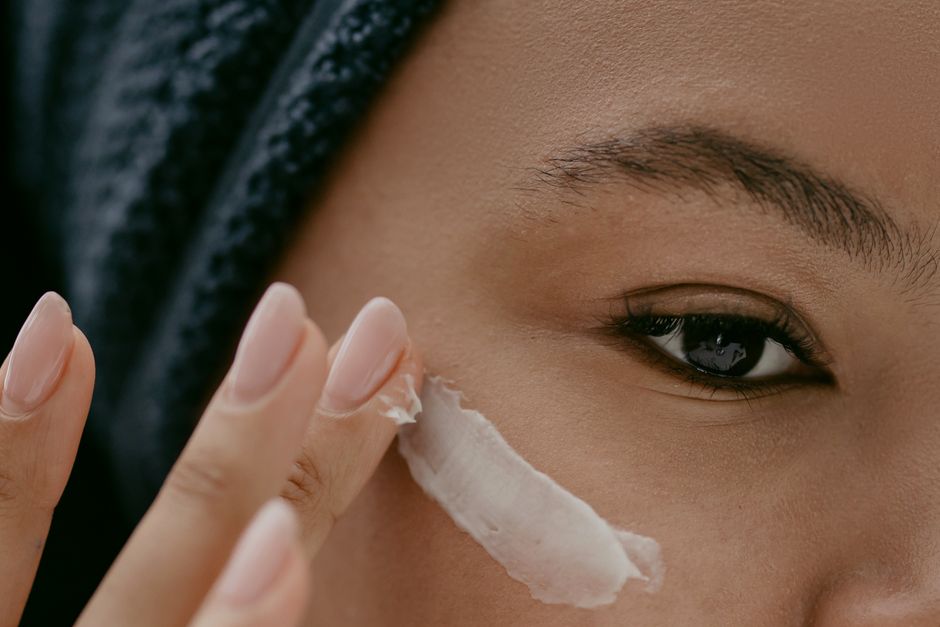
When the cold winds start to blow across Europe, from the snowy Alps to the chilly streets of London or Berlin, or the brisk air descends on New York City, our skin often bears the brunt. That once-dewy complexion can quickly turn tight, flaky, and uncomfortable. It’s easy to feel overwhelmed by the sheer volume of products promising miraculous hydration, leaving you wondering what truly works amidst all the marketing noise.
Many of us have been there: staring at a shelf full of serums, creams, and balms, each proclaiming to be the ultimate solution for dry winter skin. The reality is, effective practical beauty and skincare for dry winter weather doesn’t require a dozen steps or an expensive roster of niche ingredients. It boils down to understanding your skin’s basic needs and selecting products that genuinely support its natural barrier function.
This guide cuts through the confusion, offering a straightforward approach to nourishing your skin when the temperature drops. We’ll focus on what matters most for solid hydration, helping you compare products based on efficacy rather than flashy claims.
Understanding Winter Skin: Why Hydration Becomes Crucial
The colder months bring unique challenges for our skin. Lower humidity in the air, both outdoors and indoors (thanks to central heating), draws moisture away from the skin. This environmental stress can compromise your skin’s natural barrier, the outermost layer responsible for keeping moisture in and irritants out. When this barrier is weakened, skin becomes more susceptible to dryness, redness, irritation, and even sensitivity.
Think of your skin barrier like a brick wall: the skin cells are the bricks, and lipids (natural fats) are the mortar. In winter, the ‘mortar’ can become depleted, leading to gaps that allow moisture to escape more easily. This is why mere surface hydration often isn’t enough; we need to support the barrier’s integrity to truly lock in moisture and protect against the elements. Recognizing this fundamental shift in your skin’s needs is the first step towards effective practical beauty and skincare for dry winter weather.
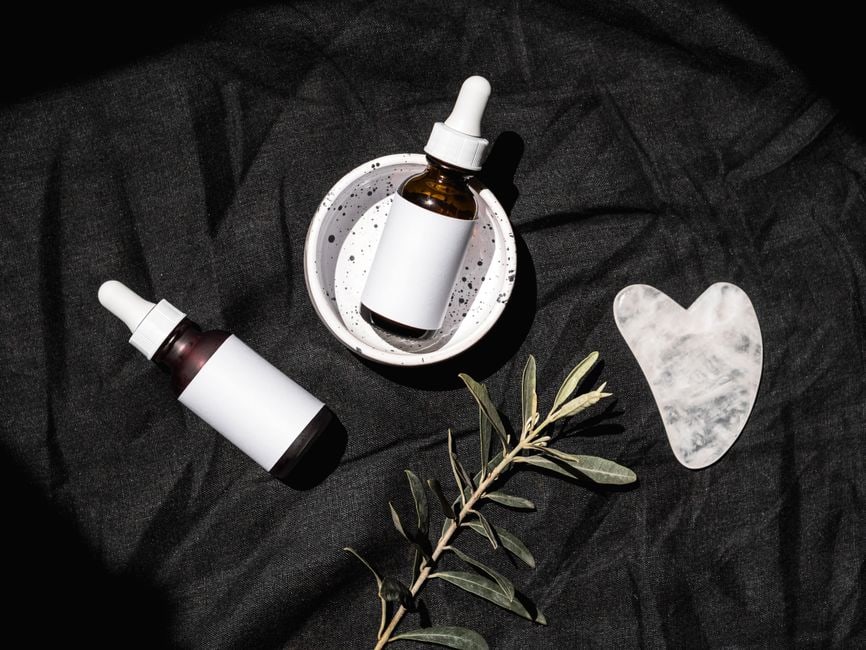
Building Your Winter Skincare Arsenal: Key Ingredients and Product Types
Instead of chasing every new trend, focus on a few tried-and-true ingredients and product categories that deliver real results for dry skin. Here’s a pragmatic approach to assembling your winter skincare routine:
1. Gentle Cleansing: Skip the Stripping
- What to look for: Cream cleansers, oil cleansers, or balm cleansers. These formulations are designed to clean without stripping essential oils from your skin.
- Ingredients to consider: Glycerin, ceramides, hyaluronic acid (in very small amounts in a cleanser). Avoid harsh sulfates (like Sodium Lauryl Sulfate) which can be too drying.
- Practical Tip: Use lukewarm water, not hot, which can further dehydrate your skin. In the mornings, if your skin isn’t oily, a splash of water might be all you need.
2. Serums for Targeted Hydration: The Moisture Boost
- What to look for: Hydrating serums applied after cleansing but before moisturizer. These often contain a higher concentration of active ingredients designed to attract and hold water.
- Key Ingredient: Hyaluronic Acid (HA): This powerhouse humectant can hold up to 1,000 times its weight in water, drawing moisture into the skin. Look for formulations with different molecular weights for penetration at various skin depths.
- Other considerations: Serums with Vitamin B5 (Panthenol) or polyglutamic acid can also offer excellent hydration.
3. Moisturizers: The Moisture Seal
- What to look for: Richer creams, balms, or ointments rather than lightweight lotions. These provide an occlusive layer to prevent water loss.
- Key Ingredients: Ceramides: Crucial for repairing and strengthening the skin barrier. They are naturally occurring lipids that make up a significant portion of the skin’s ‘mortar’.
- Other considerations: Look for ingredients like shea butter, squalane, fatty acids, cholesterol, and petrolatum (Vaseline, CeraVe Healing Ointment) for their occlusive properties.
4. Sunscreen: Non-Negotiable Protection (Even in Winter)
- What to look for: Broad-spectrum SPF 30 or higher. Even on cloudy winter days, UVA and UVB rays can cause damage, accelerating aging and impairing barrier function.
- Practical Tip: Many facial moisturizers now include SPF, offering a convenient two-in-one step. Choose one that feels comfortable and doesn’t leave a white cast.
5. Targeted Treatments: Retinol and Sensitive Skin
- Retinol: While excellent for skin renewal, retinol can be drying, especially during winter. If you use retinol, consider reducing its frequency or switching to a lower concentration. Always layer it with a solid moisturizer.
- Sensitive Skin: If your skin is prone to redness or irritation, opt for fragrance-free, dye-free, and alcohol-free products. Look for soothing ingredients like colloidal oatmeal, centella asiatica, or allantoin.
Comparing Hydrating Products: Beyond the Buzzwords
Navigating the product aisle can feel like deciphering a foreign language, especially with brands vying for your attention. Here’s a simplified way to compare products for effective practical beauty and skincare for dry winter weather:
Beauty Essentials for Long-Haul Flights: Your Practical Guide for US and European Travelers
Focus on the ingredient list, not just the front-of-pack claims. Ingredients are listed in descending order of concentration. The first few ingredients tell you what the product is primarily made of. Look for a balance of humectants (attract water), emollients (smooth and soften skin), and occlusives (create a barrier to prevent water loss).
| Product Category | Key Ingredient Examples | What it Does for Dry Skin | Red Flags to Avoid |
|---|---|---|---|
| Hydrating Cleanser | Glycerin, Ceramides, Squalane, Oat Extract | Cleanses without stripping, maintains moisture, soothes irritation. | Strong foaming agents (SLS), high alcohol content, heavy fragrance. |
| Hydrating Serum | Hyaluronic Acid (various molecular weights), Panthenol (B5), Polyglutamic Acid, Trehalose | Draws moisture into deeper layers, plumps skin, enhances moisturizer efficacy. | High concentrations of denatured alcohol, essential oils (if sensitive). |
| Rich Moisturizer | Ceramides, Cholesterol, Fatty Acids, Shea Butter, Petrolatum, Dimethicone | Forms protective barrier, prevents water loss, repairs skin barrier, softens. | Irritating plant extracts, strong synthetic fragrances, unnecessary dyes. |
For example, if a moisturizer claims to be ‘deeply hydrating’ but has alcohol denat high on the ingredient list, it’s likely to be counterproductive for dry skin. Conversely, a less flashy product with ceramides, shea butter, and glycerin listed prominently is a much safer bet. Brands like CeraVe, La Roche-Posay, and Eucerin, widely available across the US, UK, and Germany, often excel in creating effective, barrier-supporting formulas due to their focus on dermatological ingredients rather than elaborate marketing.
Common Mistakes to Avoid in Your Winter Skincare Routine
Even with the best intentions, it’s easy to fall into common pitfalls that can exacerbate dry winter skin. Being aware of these can save you discomfort and product waste.
A common mistake is using overly hot water when showering or washing your face. While a steamy shower might feel comforting in the cold, hot water strips your skin of its natural oils, leaving it even drier and more vulnerable. Opt for lukewarm water instead.
Another error is neglecting SPF. Many believe that sunscreen is only for sunny summer days. However, UVA rays, which contribute to aging and skin barrier damage, are present year-round and can penetrate clouds and windows. Consistent use of a broad-spectrum SPF is crucial for maintaining skin health, even in dreary winter weather. This is especially true if you are using active ingredients like retinol, which can increase sun sensitivity.
Over-exfoliation is another trap. While exfoliation can remove dead skin cells and improve product absorption, doing it too frequently or with harsh physical scrubs can compromise your already delicate skin barrier in winter. Reduce the frequency of chemical exfoliants (AHAs/BHAs) and opt for gentle methods if needed, paying close attention to how your sensitive skin reacts.
Finally, layering too many active ingredients without understanding their interactions can lead to irritation. If you’re using a potent ingredient like retinol, introducing a new Vitamin C serum or a strong exfoliating acid at the same time can overwhelm your skin. Simplify your routine during winter and introduce new products one at a time to gauge your skin’s tolerance, particularly if you have sensitive skin.
Hydrating Skincare for Dry Winter Weather: A Simple Routine for Beginners
FAQ: Your Winter Skincare Questions Answered
What is the simplest beauty routine for healthy-looking skin?
The simplest routine for healthy skin involves three steps: gentle cleansing to remove impurities without stripping, moisturizing generously to hydrate and protect the skin barrier, and applying a broad-spectrum SPF daily for UV protection. This foundational approach addresses the core needs of your skin, especially vital for maintaining health in drying winter conditions.
How can I protect my skin barrier in winter?
To protect your skin barrier in winter, focus on gentle care. Use a hydrating cleanser, apply moisturizers rich in ceramides, cholesterol, and fatty acids to fortify the ‘mortar’ between skin cells, and avoid harsh exfoliants or hot water. Regular use of a humidifier indoors can also help prevent moisture loss from the environment.
Is hyaluronic acid enough for dry winter skin?
Hyaluronic acid is an excellent humectant that attracts moisture, but it’s rarely enough on its own for dry winter skin. It needs to be sealed in with an occlusive moisturizer (a cream or balm) to prevent the attracted moisture from evaporating, especially in low-humidity environments. Think of it as a sponge that needs to be squeezed into a rich protective layer.
Should I change my makeup routine in winter?
Yes, consider adapting your makeup routine in winter. Switch from matte or powder foundations to hydrating liquid or cream foundations, tinted moisturizers, or BB/CC creams that offer a more dewy finish and don’t cling to dry patches. Prioritize cream blushes and highlighters over powders to avoid accentuating dryness.
Can diet impact dry winter skin?
While skincare products are key, a healthy diet can support skin health from within. Ensure adequate hydration by drinking enough water. Incorporate foods rich in omega-3 fatty acids (like fatty fish, flaxseeds) and antioxidants (fruits, vegetables) to help support skin barrier function and reduce inflammation, contributing to overall skin resilience.
Is it okay to use retinol in winter?
You can use retinol in winter, but often with adjustments. Since winter air is drying and retinol can increase sensitivity, consider reducing its frequency (e.g., from every night to every other night) or switching to a lower concentration. Always follow retinol with a solid, hydrating moisturizer to minimize potential irritation and support your skin barrier.
Navigating the world of skincare, particularly for the challenging winter months, doesn’t have to be confusing. By understanding fundamental skin needs, prioritizing effective ingredients like ceramides and hyaluronic acid, and making smart product choices, you can achieve healthy, hydrated skin without falling prey to marketing hype. For more insights and trusted advice on beauty and skincare, explore more beauty guides on AtTheFashion.






Leave feedback about this