


What makes a shoe comfortable for walking all day, especially across diverse terrains like European cobblestones, is a combination of supportive cushioning, adequate arch support, a roomy toe box, and a secure heel fit. The sole should offer good shock absorption and traction, while the upper material should be breathable yet durable. Crucially, the shoe needs to fit well from the start, accommodating slight foot swelling throughout the day without pinching or rubbing, making a comfortable footwear guide essential for any traveler seeking to avoid pain and maximize their European city experience.
Imagine finally standing before the Eiffel Tower or wandering through the Colosseum, only to have your excitement overshadowed by throbbing feet. It’s a common story. Travelers, often focused on itineraries and flight details, overlook one of the most critical elements for a successful trip: their footwear. A memorable European city adventure hinges significantly on your ability to walk comfortably, mile after mile, across diverse surfaces from slick metro stairs to ancient, uneven cobblestones.
Many believe any athletic shoe will do, or worse, prioritize fashion over function. This misconception leads to preventable pain, blisters, and missed opportunities to explore. Choosing the right walking shoes isn’t just a recommendation; it’s a necessity for enjoying iconic destinations like London, Paris, and Rome without physical discomfort becoming the dominant memory of your holiday.
This guide offers practical insights into selecting the most comfortable footwear guide: best walking shoes for European city travel, helping you avoid the common pitfalls that transform an exciting exploration into a painful endurance test.
Understanding the Demands of European City Walking
European cities, while breathtaking, present unique challenges for your feet. Unlike the smooth pavements often found in modern cities like New York or Chicago, many historic European centers boast uneven cobblestone streets, worn flagstones, and significant pedestrian-only zones. This means extended periods on your feet, often on unforgiving surfaces that demand specific shoe characteristics.
Consider the daily rhythm: a morning museum visit, an afternoon stroll through a market, an evening walk to dinner – all involve substantial walking. Public transport often requires walking to and from stations, and spontaneous detours are part of the charm. Your shoes need to be versatile, able to handle everything from a sudden downpour to a long ascent up a historic hill.

The key to enduring comfort lies in shoes that offer a balance of support, cushioning, and durability, without being overly heavy or clunky. They must protect your feet from impact, provide stability on unpredictable surfaces, and allow for natural foot movement, all while blending somewhat smoothly with your travel wardrobe.
Comfortable Office Shoes for Long Workdays: Budget-Friendly Options for US and European Shoppers
Key Attributes of Comfortable Walking Shoes for Travel
- Superior Cushioning and Shock Absorption: The relentless impact of walking on hard surfaces, particularly cobblestones, necessitates excellent midsole cushioning. Look for materials like EVA foam or gel inserts that absorb shock effectively, reducing strain on your joints and feet.
- Adequate Arch Support: Proper arch support distributes pressure evenly across your foot, preventing fatigue and pain, especially for those with high arches or flat feet. Many modern walking shoes integrate this support, or you can add custom orthotics.
- Roomy Toe Box: Your toes need space to splay naturally when you walk. A cramped toe box can lead to blisters, bunions, and general discomfort, especially as feet tend to swell slightly throughout a day of walking.
- Secure Heel Fit: A shoe that slips at the heel causes friction and blisters. Conversely, one that’s too tight will pinch. The heel counter should gently cup your heel, providing stability without excessive movement.
- Breathable Upper Material: To prevent overheating and sweating, which can lead to blisters, choose shoes with breathable uppers like mesh, knit fabrics, or perforated leather. This is particularly important during warmer months in destinations like Italy or Spain.
- Durable, Grippy Outsole: Uneven surfaces and potential wet conditions in places like London or Paris demand an outsole with excellent traction. Rubber outsoles with multi-directional lugs or patterns provide stability and prevent slips.
- Lightweight Construction: While support is crucial, an overly heavy shoe will only add to fatigue. Modern materials allow for shoes that are both supportive and surprisingly lightweight, making them easier to wear all day and pack.
- Water Resistance or Waterproofing: Depending on the season and destination, a degree of water resistance can be a lifesaver. Stepping in a puddle or getting caught in a sudden shower with soggy feet is a quick route to discomfort.
Comparing Top Footwear Options for European Adventures
When selecting your travel footwear, it’s not a one-size-fits-all scenario. Different styles offer various benefits. Here’s a comparison of popular choices:
| Shoe Type | Pros | Cons | Best For |
|---|---|---|---|
| Athletic Sneakers (Running/Walking) | Excellent cushioning, wide range of support options, often breathable and lightweight. | Can look overly casual, some styles lack lateral stability for uneven terrain. | Long walking days, active sightseeing, general comfort. |
| Comfort Travel Flats/Loafers | More stylish than sneakers, easy to slip on/off (airport security), some offer good arch support. | Less cushioning than sneakers, may lack solid traction, not ideal for very long walks. | Shorter walks, dining out, business travel, mixing style with moderate comfort. |
| Ankle Boots (Supportive) | Excellent ankle support, good for cooler weather, can be stylish, better protection against elements/cobblestones. | Heavier, can be hot in warmer climates, may require break-in period. | Autumn/winter travel, rugged terrain, fashionable yet practical option. |
| Walking Sandals (Supportive) | Breathable, good for warm weather, some offer excellent arch support and traction. | Not suitable for all weather, open toes offer less protection, can look too casual. | Summer travel in warmer climates, light walking, beach/resort areas. |
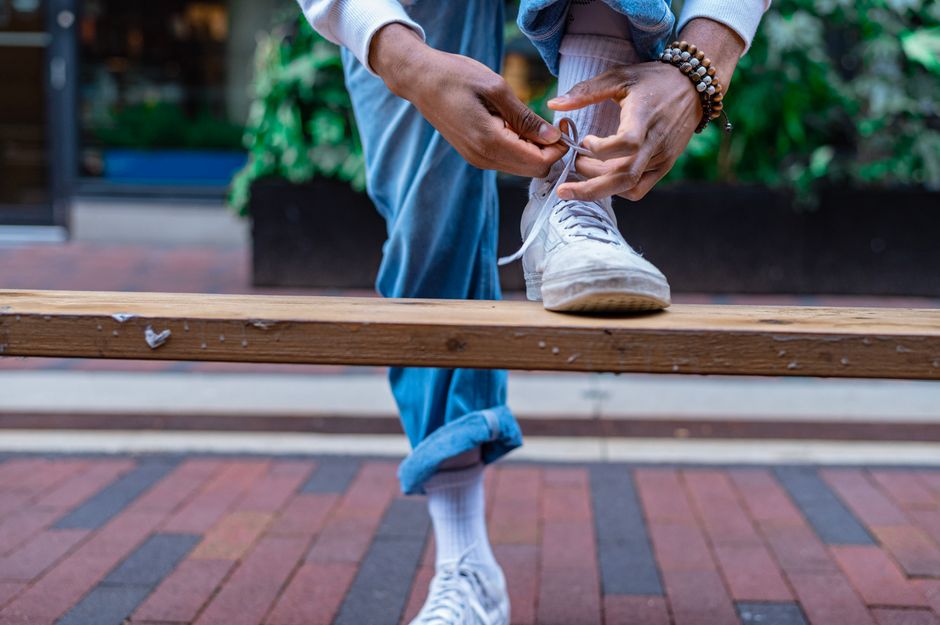
Common Mistakes That Cause Pain and How to Avoid Them
Making the wrong footwear choice can severely impact your European trip. Here are the most common blunders travelers make and how to steer clear:
1. Prioritizing Style Over Comfort and Support
It’s tempting to want to look chic in Paris or fashionable in Milan, but sacrificing comfort for aesthetics is a common regret. High heels, rigid fashion boots, or flimsy ballet flats might look good for a photo, but they are a recipe for agony after a few blocks on European cobblestones. Always try to find a balance; many brands now offer stylish options that integrate serious comfort features.
2. Not Breaking In New Shoes
Never pack brand-new shoes for a trip without wearing them extensively beforehand. New shoes, even comfortable ones, need time to mold to your feet. A minimum of a few weeks of regular wear (including some long walks) is advisable. This break-in period allows you to identify any hot spots or areas of discomfort before you’re miles from your hotel.
3. Ignoring Weather Conditions and Terrain
Packing open-toed shoes for a November trip to Germany or non-waterproof sneakers for a rainy spring in Poland is asking for trouble. Always check the seasonal weather forecast and research the typical terrain of your destinations. Waterproofing or water resistance is often a smart investment, especially for places known for unpredictable weather like London.
4. Packing Only One Pair of Shoes
Even the most comfortable footwear guide: best walking shoes for European city travel need a break. Packing at least two comfortable, supportive pairs allows you to alternate them daily. This not only gives each pair time to air out but also provides your feet with a slightly different pressure point distribution, reducing the likelihood of developing specific aches or blisters. A versatile pair of sneakers and a slightly dressier, but still comfortable, loafer or ankle boot is a good strategy.
Running Shoes Versus Walking Shoes for Beginners: Avoiding Painful Mistakes
5. Neglecting Proper Fit
Many people wear the wrong shoe size. Your feet can change size over time, and different brands fit differently. Always get your feet measured, and try on shoes at the end of the day when your feet are slightly swollen. Ensure there’s a thumb’s width of space between your longest toe and the end of the shoe, and that your heel doesn’t slip. If you use orthotics, bring them when trying on shoes.
FAQ: Your Questions About Travel Footwear Answered
What’s the best way to test if shoes are comfortable enough for long walks?
Wear them around your home for several hours, then gradually increase to longer walks outdoors. Pay attention to any rubbing, pinching, or pressure points. If a shoe feels tight or uncomfortable after an hour, it likely won’t improve over a full day of sightseeing in Europe.
Should I size up my walking shoes for travel?
It’s generally recommended to choose your true size, but ensure there’s enough room in the toe box. Your feet may swell slightly during a day of walking, so trying shoes on at the end of the day can help ensure they accommodate this without becoming too tight.
Are waterproof shoes really necessary for European travel?
While not always strictly necessary, water-resistant or waterproof shoes offer significant peace of mind, especially in regions known for rain (like the UK, Ireland, or even parts of Italy and France). Stepping in a puddle with dry feet is far better than squelching through the rest of your day with wet socks and shoes.
How do I keep my feet from getting tired while walking all day?
Beyond choosing the right shoes, regularly elevating your feet, taking short breaks, stretching your calves and feet, and staying hydrated can help. Alternating between two pairs of comfortable shoes can also distribute pressure differently, reducing fatigue.
Can I wear sandals for extensive walking in European cities?
While some supportive walking sandals (often from brands known for outdoor footwear) can be comfortable for moderate walking in warm weather, they generally offer less protection and support than closed-toe shoes. They’re best for lighter activity or specific warm-weather destinations, not for all-day urban exploration on challenging surfaces.
Equipping yourself with the right footwear is a foundational step for any successful European adventure. By focusing on support, cushioning, and fit, and by avoiding common mistakes, you can ensure your comfortable footwear guide: best walking shoes for European city travel carry you through countless unforgettable moments, pain-free. To discover more expert advice on enhancing your travel experience, explore more footwear guides on AtTheFashion.





Leave feedback about this