

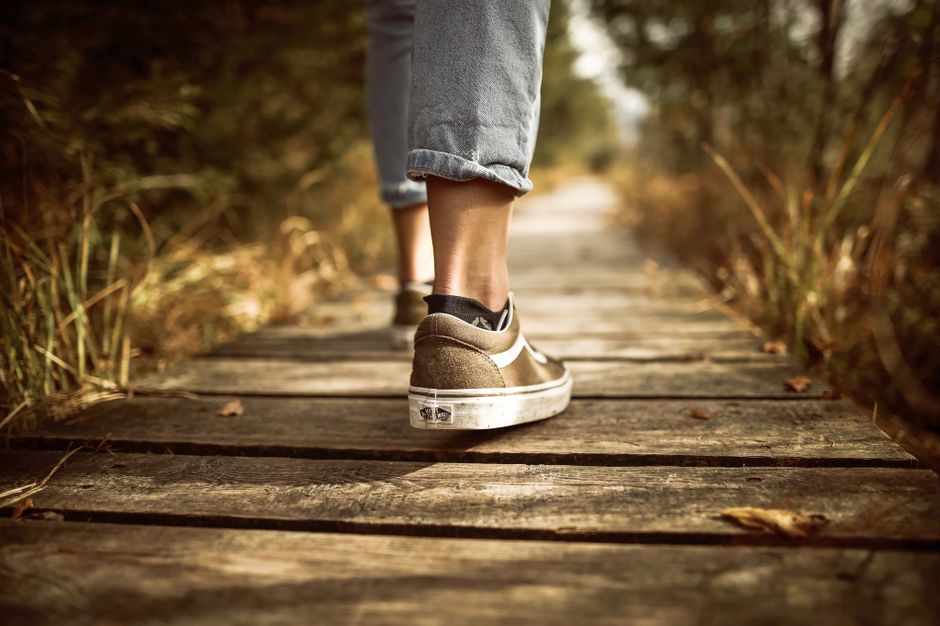
From navigating the bustling streets of New York or London to catching early morning trains in Paris, or even just moving between desks and meeting rooms, your feet endure a lot. For professionals, particularly those who spend significant time on their feet or commuting long distances, the choice of office footwear isn’t just about style; it’s a critical factor in overall well-being and productivity. The wrong shoes can turn a productive workday into a painful ordeal, impacting everything from your concentration to your mood.
Ignoring foot comfort often leads to issues beyond tired feet, such as back pain, knee strain, and even chronic conditions. Finding truly comfortable office shoes for long workdays becomes an investment in your health, ensuring you remain focused and pain-free, whether you’re dealing with European cobblestones on a business trip to Rome or the lengthy corridors of a corporate campus in Chicago.
This guide to comfortable footwear explores the practical features that truly matter, helping you make informed decisions when selecting your next pair. We’ll look at the specifics that transform ordinary shoes into all-day allies.
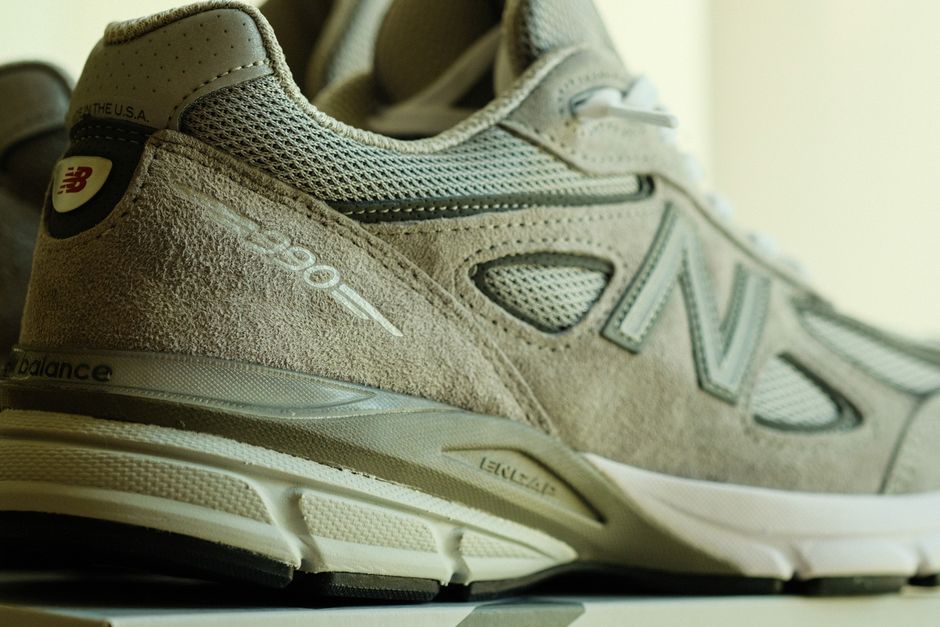
Your Quick Guide to All-Day Foot Comfort
- Proper Fit: Your most critical consideration. Shoes that are too tight or too loose will inevitably cause problems.
- Cushioning & Shock Absorption: Essential for mitigating impact, especially on hard surfaces.
- Arch Support: Crucial for maintaining foot alignment and preventing strain, tailored to your foot type.
- Breathable Materials: Keeps feet cool and dry, reducing the risk of odor and fungal issues.
- Flexible Sole: Allows your foot to move naturally, promoting a comfortable stride.
- Non-Slip Outsole: Provides stability and safety, important for various terrains and office environments.
- Heel Height: Moderate and stable heels are generally better for prolonged wear than high, narrow heels.
The Cornerstone of Comfort: Achieving the Perfect Fit
It sounds obvious, but a shoe’s fit is paramount. Many people wear the wrong size, often sacrificing comfort for perceived style. When seeking comfortable office shoes for long workdays, always prioritize how the shoe feels on your foot, not just how it looks on the shelf. Your toes should have ample room to wiggle, and the widest part of your foot should align with the widest part of the shoe. There should be no pinching, slipping, or excessive pressure points right out of the box.
Understanding Foot Shape and Sizing
Your foot size can change throughout the day, often swelling slightly by the afternoon. It’s wise to try on shoes later in the day when your feet are at their largest. Furthermore, don’t assume your size is static; factors like age, weight, and even pregnancy can alter foot dimensions. European sizing (like that found in Germany, France, Italy, or Spain) differs from US or UK sizing, so always consult a conversion chart or get professionally measured. A good rule of thumb is to ensure a thumb’s width of space between your longest toe and the end of the shoe.
The Importance of Width
Often overlooked, shoe width is as important as length. Shoes that are too narrow can compress your toes, leading to bunions or hammertoes, while overly wide shoes can cause your foot to slide, resulting in blisters. Brands often offer various widths (e.g., Narrow, Medium, Wide, Extra Wide). If you’ve struggled with foot pain, exploring wider options could be a revelation for your comfortable footwear journey.
Cushioning and Shock Absorption: Your Feet’s Best Friends
Walking on hard surfaces, be it pavement in New York or polished office floors, sends shockwaves through your body. Effective cushioning and shock absorption are critical features in comfortable office shoes for long workdays. This isn’t just about feeling soft; it’s about protecting your joints, reducing fatigue, and enhancing overall comfort.
Types of Cushioning Materials
Modern shoe technology offers various materials designed for cushioning:
Running Shoes Versus Walking Shoes for Beginners: Avoiding Painful Mistakes
- EVA Foam: Lightweight and flexible, offering good shock absorption. Common in many walking shoes and sneakers.
- PU (Polyurethane) Foam: Denser and more durable than EVA, providing excellent long-term cushioning and support. Often found in higher-quality comfortable footwear.
- Gel or Air Pockets: Strategically placed to absorb impact at key pressure points, particularly in the heel and forefoot.
- Memory Foam: Molds to the shape of your foot, offering personalized comfort, though it can sometimes retain heat.
The best shoes often combine several of these technologies to provide a balanced experience. Consider how much time you spend standing versus walking. A professional traveling frequently, perhaps across a sprawling airport or navigating European city centers, will benefit immensely from superior cushioning.
Arch Support: The Foundation of Foot Health
The arch of your foot acts as a natural shock absorber and helps distribute body weight. Adequate arch support is vital for preventing pain and discomfort, especially for those with flat feet or high arches. Without proper support, your foot can collapse or overpronate, leading to issues not just in your feet but also in your ankles, knees, hips, and back. This is a crucial element for comfortable office shoes, often underestimated.
Understanding Your Arch Type
Most people have one of three arch types: neutral, flat, or high. Knowing yours can guide your shoe choices:
- Neutral Arch: Benefits from moderate arch support to maintain natural alignment.
- Flat Feet (Pes Planus): Require firm arch support to prevent overpronation. Stability shoes or those with motion control are often recommended.
- High Arches (Pes Cavus): Need extra cushioning and flexible support to absorb shock, as the arch itself doesn’t collapse easily.

Many comfortable footwear brands now integrate anatomical arch support into their designs. For some, custom orthotics or supportive insoles might be necessary to achieve the optimal level of support within their office shoes.
Upper Materials and Breathability: Keeping Cool Under Pressure
Your feet have thousands of sweat glands, and trapped moisture can lead to discomfort, odor, and even fungal infections. Breathable upper materials are essential, particularly for long workdays. The difference between feeling fresh and feeling clammy can hinge on this feature.
Material Matters
- Leather: A classic choice for office shoes. High-quality leather is naturally breathable and molds to your foot over time. Full-grain leather is generally preferred for its durability and breathability.
- Suede/Nubuck: Offer a softer feel and good breathability, but require more maintenance and are less water-resistant.
- Mesh/Knit Fabrics: Extremely breathable and lightweight, often found in more casual or athletic-inspired comfortable footwear suitable for modern office environments. While common in walking shoes, they are increasingly integrated into smart-casual designs.
- Synthetics: Vary widely in breathability. Look for advanced synthetic materials designed to wick moisture and allow airflow.
For those commuting in diverse climates, perhaps from a rainy London morning to a stuffy office, a breathable yet somewhat water-resistant material can be ideal. Think about the conditions you face daily – a solid leather might be better for an unpredictable European climate, while a mesh upper could be perfect for a perpetually warm office in the US sun.
Sole Flexibility and Traction: Moving with Ease and Confidence
The sole of your shoe plays a dual role: providing flexibility for natural foot movement and offering traction to prevent slips. Stiff soles can hinder your stride and contribute to fatigue, while a poor outsole can be a safety hazard.
Waterproof Shoes for Rainy Commutes: Budget-Friendly Options for US and European Shoppers
Flexibility for Natural Movement
A good comfortable office shoe should flex at the ball of your foot, mimicking the natural motion of walking. Test this by bending the shoe; it should offer resistance but not be completely rigid. A sole that bends easily helps prevent foot strain and promotes a more comfortable, natural gait. This is especially important for walking shoes or travel footwear where you’re covering significant distances.
Outsole Grip and Durability
Look for outsoles made of durable rubber or a blend of materials that provide good grip on various surfaces. A pattern with lugs or grooves can enhance traction, which is crucial for safety, whether you’re navigating wet pavements in Berlin or polished marble floors in a corporate building in Madrid. Good traction is a non-negotiable feature for any truly comfortable footwear, preventing embarrassing slips and potential injuries.
FAQ: Common Questions About Comfortable Office Shoes
What makes a shoe comfortable for walking all day?
Comfort for all-day walking hinges on proper fit, generous cushioning, strong arch support, breathable materials, and a flexible, grippy sole. These elements work synergistically to absorb impact, distribute pressure evenly, reduce strain on your feet and joints, and prevent issues like blisters or fatigue, making extended periods of standing or walking manageable.
Are flat shoes always the most comfortable for long workdays?
Not necessarily. While extremely high heels are generally not recommended, a very slight, stable heel (around 1-1.5 inches) can actually be more comfortable than completely flat shoes for some people. This moderate elevation can reduce strain on the Achilles tendon and distribute pressure more evenly across the foot. The key is stability and a broad heel base.
How often should I replace my comfortable office shoes?
The lifespan of comfortable footwear depends on wear frequency, quality, and your activity level. As a general guideline, professional shoes worn daily may need replacing every 6-12 months. Look for signs like worn-down soles, decreased cushioning, noticeable creasing, or a loss of support. Don’t wait until you feel discomfort to consider a new pair.
Can I use insoles to make my current office shoes more comfortable?
Yes, insoles can significantly enhance the comfort and support of existing shoes, especially if they lack adequate cushioning or arch support. Over-the-counter insoles can address common issues, while custom orthotics prescribed by a podiatrist offer tailored support for specific foot conditions. Ensure the insole doesn’t make the shoe too tight.
What’s the difference between walking shoes and comfortable office shoes?
While walking shoes prioritize athletic performance, shock absorption, and flexibility for prolonged activity, comfortable office shoes blend these ergonomic features with a more professional aesthetic. The best comfortable office shoes integrate the support and cushioning of good walking shoes into designs suitable for formal or smart-casual work environments, offering a versatile solution for daily wear and travel footwear needs.
Key Takeaways for Your Comfortable Footwear Journey
Choosing comfortable office shoes for long workdays isn’t a luxury; it’s a necessity for your health and performance. Remember to focus on a few core principles:
- Fit is king: Always prioritize a proper fit over style alone, ensuring ample toe room and correct width.
- Cushioning matters: Invest in shoes with quality shock absorption to protect your joints and reduce fatigue.
- Support your arches: Good arch support is crucial for alignment and preventing widespread pain.
- Breathe easy: Opt for breathable materials to keep your feet fresh and healthy.
By keeping these features in mind, you can navigate your workday, commute, or even explore the historic sites of Kraków or the modern cityscape of Frankfurt, with comfort and confidence. Your feet work hard for you; choosing the right footwear is how you return the favor. For more insights on selecting the best footwear for every occasion, explore more footwear guides on AtTheFashion.





Leave feedback about this