

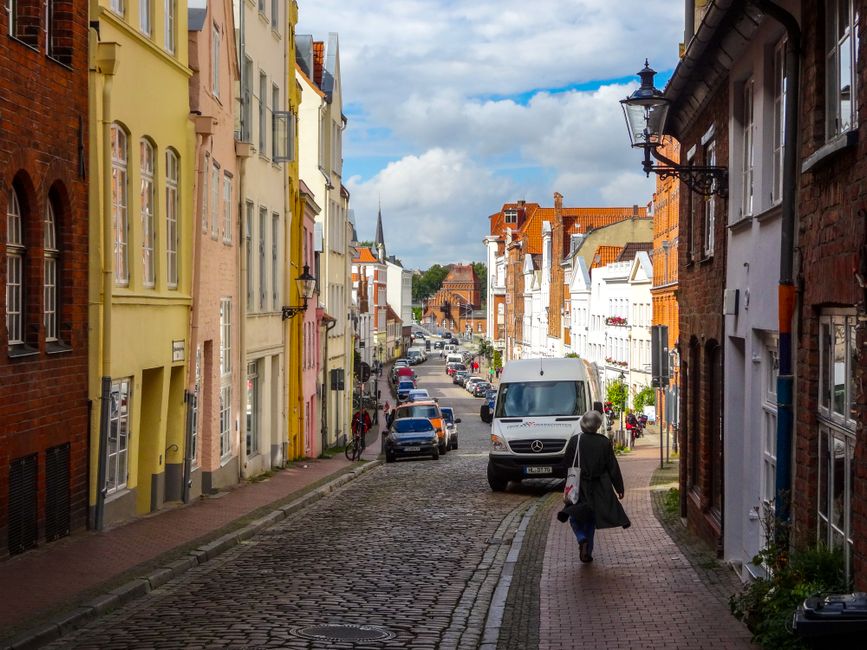
What makes a shoe comfortable for walking all day, especially across European cities with their notorious cobblestones and expansive sites, boils down to a blend of superior cushioning, arch support, a secure yet flexible fit, and appropriate outsole grip. Prioritizing shoes with energy-returning midsoles, breathable uppers, and a wide toe box prevents fatigue and common foot issues like blisters. For destinations like London, Paris, or Rome, waterproof or water-resistant materials are also crucial for unexpected weather changes, ensuring your feet stay dry and comfortable through long hours of exploration.
Picture this: you’ve just landed in Rome, the Colosseum is in sight, and you’re ready to tackle the ancient city’s wonders. Or perhaps it’s Paris, and endless boulevards call for exploration. The excitement is palpable, but a few hours in, the reality of European travel sets in—cobblestones, uneven pavements, and miles upon miles of walking. This isn’t your usual stroll around the block; it’s an all-day endurance test for your feet.
Many travelers pack stylish shoes only to regret it halfway through their first day. The charming streets of London or the sprawling museums of New York demand practical footwear that can keep up. Choosing the right walking shoes for European city travel isn’t just about avoiding pain; it’s about maximizing your experience, allowing you to focus on the sights and sounds, not the blisters forming on your heels.
This comfortable footwear guide will help you understand the essential features that make a significant difference, ensuring your feet are as ready for adventure as you are.
Understanding the Demands of European City Walking
European cities, while undeniably beautiful, present unique challenges for your feet. Unlike the smooth sidewalks you might find in Chicago or parts of New York, cities like Rome, Paris, and even historic sections of Berlin are characterized by uneven surfaces. Think ancient cobblestones, steep inclines, countless stairs, and vast pedestrian zones. This varied terrain, combined with the sheer volume of walking most tourists undertake, means your typical casual shoe often won’t suffice. The goal is to find walking shoes that offer both resilience and sustained comfort.
Key Comfort Features for Your European Adventure
When selecting the best walking shoes for European city travel, focus on these critical attributes. They form the bedrock of a truly comfortable footwear experience, ensuring you can go the distance.
1. Superior Cushioning and Midsole Technology
This is arguably the most crucial factor. Look for shoes with responsive cushioning that absorbs impact without feeling squishy. Modern midsoles often feature advanced foams like EVA or proprietary blends from brands like Hoka or Brooks. These materials offer energy return, propelling you forward and reducing fatigue over long distances. Adequate cushioning protects your joints from the constant pounding on hard surfaces, especially on those unforgiving European cobblestones.
2. solid Arch Support
Whether you have high arches, flat feet, or something in between, proper arch support is non-negotiable. It helps distribute pressure evenly across your foot, preventing strain and common issues like plantar fasciitis. Many reputable brands offer shoes with integrated arch support, but for some, an orthopedic insole might be necessary to augment the shoe’s natural support. Test different levels to find what feels right for your foot’s biomechanics.
Waterproof Shoes for Rainy Commutes: Budget-Friendly Options for US and European Shoppers
3. A Secure Yet Flexible Fit
A comfortable footwear guide always stresses fit. Your shoes should hold your foot snugly without pinching, allowing your toes to splay naturally in the toe box. A common mistake is choosing shoes that are too tight, leading to rubbing and blisters. Conversely, too loose, and your foot slides, causing friction. Look for shoes that offer flexibility in the forefoot for natural movement but stability around the heel and midfoot. Remember to try shoes on at the end of the day when your feet are slightly swollen, mimicking their state after hours of walking.
4. Breathable and Durable Uppers
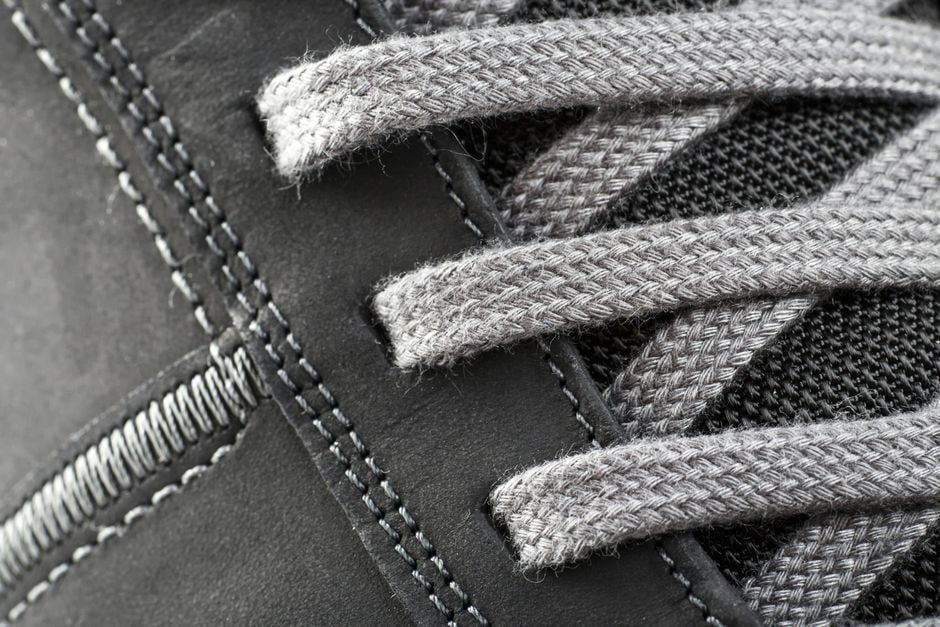
Walking extensively can lead to sweaty feet, which in turn can cause blisters and discomfort. Opt for uppers made from breathable materials like mesh, knit fabrics, or perforated leather. These allow air circulation, keeping your feet cooler and drier. Durability is also key; the upper needs to withstand daily wear and tear from accidental scuffs and scrapes against city elements.
5. Outsole Grip and Stability
Slick cobblestones in the rain, polished museum floors, or uneven historical pathways—a good outsole provides the necessary traction. Look for rubber outsoles with multi-directional lugs or patterns that offer reliable grip. A wider sole base also contributes to stability, reducing the risk of twists or falls, which is particularly important when navigating busy streets in cities like London or negotiating the steep hills of Lisbon.
6. Water Resistance or Waterproofing
European weather can be unpredictable. A sunny morning in Paris can quickly turn into a drizzly afternoon. Waterproof or water-resistant shoes, often featuring Gore-Tex or similar membranes, keep your feet dry. While full waterproofing can sometimes compromise breathability, the trade-off is often worth it for peace of mind, especially if your itinerary involves extensive outdoor exploration. Nobody wants to tour the Louvre with soggy socks.
7. Lightweight Construction
Heavy shoes quickly become a burden, adding to foot and leg fatigue. Aim for shoes that feel substantial enough to offer support and protection but aren’t excessively heavy. Modern materials allow for excellent cushioning and support without unnecessary bulk, making your comfortable footwear guide choice easier to carry through airports and across cities.
Comparing Popular Walking Shoe Categories for Travel
Choosing the best walking shoes for European city travel often comes down to balancing function with your personal style preferences. Here’s a quick comparison:
| Shoe Type | Pros | Cons | Best For |
|---|---|---|---|
| Athletic Sneakers (Running/Walking) | Excellent cushioning, superior arch support, breathable, lightweight. | Style might be too casual for some fine dining or specific attractions. | Maximum comfort, long walking days, active itineraries. |
| Stylish Travel Sneakers | Blend of comfort and aesthetic, versatile for day-to-night. | May offer less aggressive support than true athletic shoes. | Everyday wear, when you need a dressier option, shorter distances. |
| Hiking Shoes/Light Hikers | Superior grip, often waterproof, excellent ankle support. | Can be bulky, heavier, might look out of place in urban settings. | Mixed urban/light trail itineraries, very wet conditions, uneven terrain. |
| Supportive Flats/Loafers | More formal appearance, easy to slip on/off. | Limited cushioning, less support for long distances. | Short walks, specific dress codes, secondary pair for evenings. |
Common Mistakes to Avoid When Choosing Travel Footwear
Even with a clear comfortable footwear guide, it’s easy to make missteps that can derail your trip. Avoid these common pitfalls:
Buying brand new shoes right before your trip: Always break in new shoes for at least a few weeks before departure. This allows the shoes to mold to your feet and reveals any potential hot spots before you’re miles from your hotel in a foreign city. A common mistake is to think a shoe will ‘stretch out’ enough on the first day.
Comfortable Office Shoes for Long Workdays: Budget-Friendly Options for US and European Shoppers
Prioritizing style over comfort: While looking good is part of the travel experience, crippling foot pain is not. Cities like New York, Chicago, and particularly European destinations demand practicality. Find a balance, but never sacrifice essential comfort features for fashion alone. There are plenty of stylish and comfortable options available.
Packing only one pair of shoes: Even the best walking shoes need a break. Packing two comfortable pairs allows you to alternate, letting each pair air out and giving your feet a different pressure point distribution. This is especially useful for longer trips or if one pair gets unexpectedly wet.
Ignoring socks: High-quality moisture-wicking socks made from merino wool or synthetic blends are just as important as the shoes themselves. Cotton socks retain moisture, leading to blisters and discomfort. Invest in several pairs of good walking socks.
Skipping a pre-trip ‘test drive’: Before you leave, wear your chosen shoes and socks for a full day of activity similar to what you expect on your trip. Walk several miles, go up and down stairs, and test them on different surfaces. This ‘dress rehearsal’ can reveal issues before they become vacation-ruining problems.
Frequently Asked Questions About Comfortable Travel Footwear
Are walking sandals suitable for European city travel?
While some supportive walking sandals can be comfortable for short periods in warmer climates, they generally offer less protection and support than closed-toe shoes. Cobblestones and crowded urban environments make them less ideal for all-day wear or extensive walking, increasing the risk of stubbed toes or foot fatigue. They are best reserved as a secondary, lighter option.
How important is shoe weight for travel?
Shoe weight is very important. Lighter shoes reduce overall fatigue on your feet and legs, especially over long walking days in cities like London or Paris. They also contribute less to your luggage weight, which is a significant consideration when flying with baggage restrictions. Look for shoes that feel substantial enough to offer support but are not excessively heavy.
Should I choose waterproof or water-resistant shoes?
For most European city travel, water-resistant shoes are a good balance. They offer protection against light rain and splashes without compromising breathability too much. If your trip involves significant outdoor activity in very wet climates, or if you’ll be in places like the UK or Poland during their rainy seasons, fully waterproof shoes with membranes like Gore-Tex are a wise investment for ultimate dryness.
How do I know if my shoes fit correctly for walking long distances?
A correct fit means your longest toe should have about a thumb’s width of space from the end of the shoe when standing. Your heel should feel secure, not slipping. The midfoot should feel snug without pinching, and the widest part of your foot should align with the widest part of the shoe. Try shoes on with the type of socks you plan to wear, ideally later in the day when feet are slightly swollen.
What’s the best way to clean my walking shoes after a trip?
Most walking shoes can be cleaned with a soft brush or damp cloth to remove surface dirt. For deeper cleaning, follow the manufacturer’s instructions. Many synthetic and mesh shoes can be hand-washed with mild soap and water. Always air dry shoes thoroughly at room temperature, away from direct heat, to prevent damage and odor. Remove insoles to dry separately.
Choosing the best walking shoes for European city travel is a crucial step in preparing for an enjoyable and comfortable adventure. By focusing on these essential comfort features, you’ll be well-equipped to explore every charming street, historical site, and vibrant market without your feet holding you back. Get ready to experience the world on your own two feet, comfortably. Explore more footwear guides on AtTheFashion.


Leave feedback about this