


When the cold winds start to blow and the heating systems kick into high gear, many of us notice a shift in our skin. That comfortable, balanced feeling often gives way to tightness, flakiness, and an overall dullness. It’s a common experience, whether you’re braving the urban chill in New York, navigating the damp cold of London, or enduring the frosty air in Berlin.
This isn’t just about feeling dry; it’s a sign that your skin’s natural barrier is under stress. The dry air, both indoors and out, saps moisture, making it harder for your skin to protect itself. This article will walk you through a practical beauty and skincare guide focused on hydrating skincare for dry winter weather, tailored specifically for beginners, busy adults, and even travelers who need an efficient routine.
You don’t need a dozen products or an hour each day to make a real difference. The goal here is efficiency and effectiveness, providing foundational steps that truly support your skin through the toughest season.
Understanding Your Skin in Winter: The Barrier’s Battle
Our skin is our body’s first line of defense, and its outermost layer, the skin barrier, is crucial. Think of it like a brick wall: the skin cells are the bricks, and lipids (like ceramides, cholesterol, and fatty acids) are the mortar holding them together. In dry winter weather, this ‘mortar’ can become depleted, leading to cracks in the wall. This allows moisture to escape more easily (transepidermal water loss) and irritants to enter, causing redness, sensitivity, and discomfort.
Environmental factors play a huge role. Low humidity, both outside and from indoor heating, pulls moisture directly from your skin. Long, hot showers, tempting as they are on a cold day, can also strip natural oils. This is why a targeted approach to hydrating skincare for dry winter weather isn’t just a luxury; it’s a necessity for maintaining skin health and comfort, especially if you have sensitive skin.
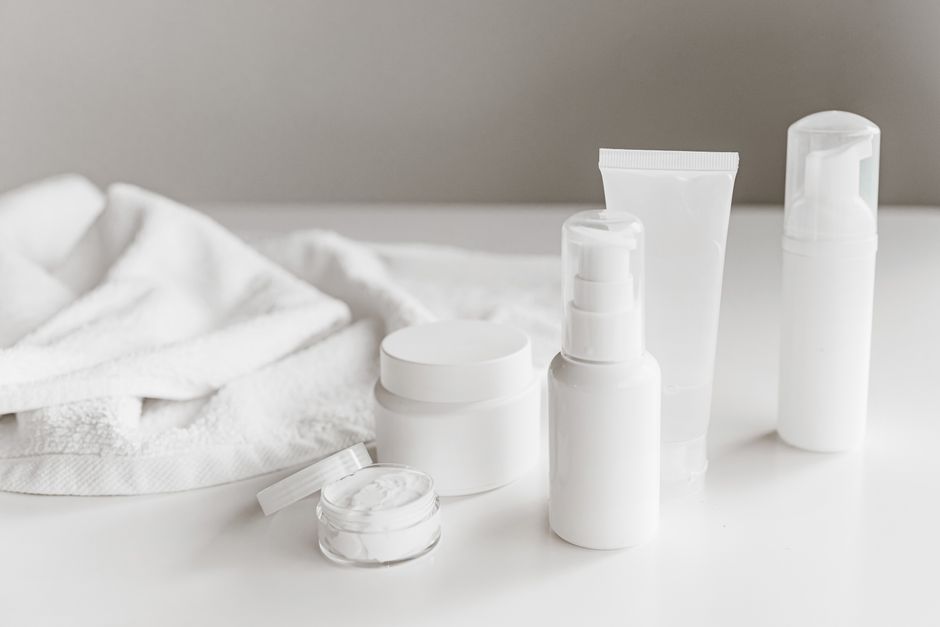
Focusing on gentle products and layering hydrating ingredients helps to repair and strengthen this barrier. When your barrier is healthy, your skin feels smoother, looks more radiant, and is better equipped to handle daily aggressors. This foundational understanding simplifies product choices and ensures you’re addressing the root cause of winter dryness, rather than just masking the symptoms.
Your Simple, Effective Hydrating Skincare Routine for Winter
Building a practical beauty and skincare guide for hydrating skincare doesn’t require a lot of steps, just the right ones. Here’s a routine designed for maximum impact with minimal effort.
1. Cleanse Gently (Morning & Evening)
Forget harsh, foaming cleansers that leave your skin feeling ‘squeaky clean’—that sensation often means your skin’s natural oils have been stripped. In winter, opt for creamy, milky, or oil-based cleansers. Look for formulas that are sulfate-free and contain hydrating ingredients like glycerin or hyaluronic acid. A good example might be a gentle cleansing milk from a brand like La Roche-Posay or Cerave, widely available across Europe and North America.
How to: Use lukewarm water (never hot). Massage a small amount onto damp skin for 30-60 seconds, then rinse thoroughly. Pat your skin dry with a soft towel.
2. Apply a Hydrating Serum (Morning & Evening)
This is where you infuse your skin with a concentrated dose of moisture. Hyaluronic acid is a superstar here, as it can hold up to 1,000 times its weight in water, drawing moisture into the skin. Serums containing ceramides are also excellent for barrier repair. Apply this to slightly damp skin to help it absorb better.
How to: While your skin is still slightly damp from cleansing, dispense 2-3 drops of serum onto your fingertips and gently press it into your face and neck.
Hydrating Skincare for Dry Winter: A Practical Guide for US & European Shoppers
3. Layer with a Rich Moisturizer (Morning & Evening)
Your moisturizer acts as a protective blanket, sealing in the serum and preventing moisture loss. During winter, swap your lightweight summer lotion for a thicker cream or balm. Look for occlusive ingredients like petrolatum, dimethicone, or squalane, alongside humectants (like glycerin) and emollients (like shea butter or fatty acids).
How to: Apply a generous amount to your face and neck, ensuring full coverage. Don’t forget areas prone to dryness like around the nose and mouth. If you’re in the UK, brands like Eucerin or Aveeno offer excellent options.
4. Don’t Skip SPF (Morning)
Yes, even in winter! UV rays are present year-round, even on cloudy days, and can contribute to skin barrier damage and accelerated aging. A broad-spectrum SPF of 30 or higher is non-negotiable. Many hydrating moisturizers now include SPF, making this step even easier. Consider a mineral-based SPF if you have sensitive skin.
How to: Apply as the final step in your morning routine, at least 15-20 minutes before sun exposure. Be diligent about reapplying if you spend extended time outdoors.
5. Incorporate an Exfoliant Judiciously (1-2x Week)
While exfoliation is important to remove dead skin cells, over-exfoliating in winter can weaken your barrier. Opt for gentle chemical exfoliants (like lactic acid or polyhydroxy acids – PHAs) rather than harsh physical scrubs. Start with once a week and adjust based on your skin’s response.
How to: Apply to clean, dry skin after cleansing, typically in the evening. Follow with your hydrating serum and moisturizer. If you’re new to actives like retinol, introduce them slowly and not on the same nights as exfoliation.
6. Consider a Humidifier (Especially for Dry Climates)
This isn’t a skincare product, but it’s a powerful tool for hydrating skincare for dry winter weather. Running a humidifier in your bedroom at night can significantly increase the moisture in the air, directly benefiting your skin (and even your nasal passages). This is particularly useful in places with very dry indoor heating, from US homes to apartments in Poland.
How to: Place it near your bed and keep it clean to prevent mold growth.
Comparing Hydrating Ingredients for Winter Skin
Understanding what ingredients do can help you choose the right products for your routine. Here’s a quick overview of some winter-friendly heroes.
| Ingredient | Benefit for Dry Winter Skin | Example Products/Use |
|---|---|---|
| Hyaluronic Acid | Powerful humectant, draws moisture from the air/deeper skin layers to the surface, plumps skin. | Serums, hydrating toners. Apply to damp skin for best results. |
| Ceramides | Lipids that are natural components of the skin barrier, essential for ‘sealing’ moisture in and protecting against irritants. | Moisturizers, barrier repair creams. Look for formulations with a 3:1:1 ratio of Ceramides, Cholesterol, Fatty Acids. |
| Glycerin | Another excellent humectant, very gentle and widely used in many hydrating products. | Cleansers, serums, moisturizers. Good for sensitive skin. |
| Shea Butter / Squalane | Emollients that smooth and soften skin, filling in the gaps between skin cells. Shea butter also has anti-inflammatory properties. | Rich creams, balms, body butters. Ideal for very dry or flaky patches. |
| Petrolatum / Dimethicone | Occlusive agents that form a protective layer on the skin’s surface, preventing moisture loss. Highly effective for barrier support. | Thick moisturizers, overnight masks, ‘slugging’ (applying a thin layer over entire routine). |
| Retinol (with caution) | Promotes cell turnover and collagen production. Can be drying, so introduce slowly in winter with extra hydration, especially for sensitive skin. | Night serums or creams. Use 1-2 times a week, gradually increasing frequency as tolerated. Always follow with moisturizer. |

Common Mistakes to Avoid in Your Winter Skincare Routine
Even with the best intentions, a few missteps can undermine your efforts to keep skin hydrated.
Beauty Essentials for Long-Haul Flights: Your Practical Skincare and Makeup Guide
Over-Cleansing or Using Harsh Cleansers: That tight feeling after washing isn’t a sign of ‘clean’ skin; it’s a sign your skin’s natural oils have been stripped. This weakens your barrier, making it harder to retain moisture. Stick to gentle, creamy, or oil-based cleansers and lukewarm water.
Skipping Sunscreen on Cloudy Days: Many people believe that because it’s cold or cloudy, they don’t need SPF. This is incorrect. UVA rays, which contribute to aging and barrier damage, penetrate clouds and windows year-round. Consistent SPF 30+ is vital for a practical beauty and skincare guide focused on hydrating skincare for dry winter weather.
Forgetting About Your Body: Your face isn’t the only part of you affected by dry winter air. Your hands, legs, and arms can also become dry and itchy. Extend your hydrating habits to your body with a rich body cream immediately after showering, especially if you live in a colder region like Scandinavia or the Alps.
Introducing Too Many New Actives at Once: Winter skin can be more sensitive. If you’re experimenting with ingredients like retinol or stronger acids, introduce them one at a time, slowly, and prioritize hydration and barrier support. Overloading your skin can lead to irritation and further dryness.
Hot Showers and Baths: While they feel wonderful on a chilly evening, prolonged exposure to hot water strips your skin of its natural oils. Keep showers shorter and use lukewarm water. Follow immediately with moisturizer to lock in any remaining dampness.
FAQ: Answering Your Winter Skincare Questions
What is the simplest beauty routine for healthy-looking skin?
The simplest routine for healthy-looking skin involves three core steps: cleanse gently, moisturize richly, and protect daily with SPF. For winter, improve your moisturizer to a thicker cream and consider adding a hydrating serum with ingredients like hyaluronic acid or ceramides. This fundamental framework supports your skin barrier and addresses common concerns like dryness and sensitivity, applicable whether you’re in the US, Italy, or Spain.
Can I use retinol during winter if I have sensitive skin?
Yes, but with caution and a focus on hydration. Retinol can be drying, especially for sensitive skin. Start with a low concentration (e.g., 0.25%) once or twice a week, on nights when you’re not using other strong actives. Always follow with a rich, barrier-supporting moisturizer to counteract potential dryness. If irritation occurs, reduce frequency or stop and consult a dermatologist.
How do I know if my skin barrier is damaged?
Signs of a damaged skin barrier include persistent dryness, flakiness, redness, increased sensitivity (products stinging), itching, and breakouts that don’t respond to usual treatments. Your skin might feel tight or look dull. If you notice these symptoms, focus on gentle cleansing, soothing ingredients like ceramides and hyaluronic acid, and avoiding harsh exfoliants or fragrances.
Are facial oils good for dry winter skin?
Yes, facial oils can be an excellent addition for dry winter skin, acting as occlusives to help seal in moisture. Apply them as the final step in your evening routine, after your moisturizer, to create a protective layer. Look for non-comedogenic oils like squalane, argan oil, or rosehip oil. However, they don’t replace a moisturizer; they complement it.
What’s the best way to choose a moisturizer for very dry winter skin?
For very dry winter skin, look for moisturizers labeled as creams, balms, or ointments rather than lotions. Prioritize formulas rich in ceramides, hyaluronic acid, glycerin, shea butter, and occlusive agents like petrolatum or dimethicone. Choose fragrance-free options if you have sensitive skin, which is often exacerbated by winter dryness. Brands such as Avène or Uriage, popular in French and German pharmacies, offer great choices.
Embracing a practical beauty and skincare guide for hydrating skincare for dry winter weather doesn’t have to be overwhelming. By focusing on these core principles—gentle cleansing, deep hydration, and consistent protection—you can keep your skin comfortable and radiant, no matter how harsh the elements become. Remember, consistency is key, and listening to your skin’s needs will always guide you best.
To explore more ways to keep your skin healthy and glowing year-round, Explore more beauty guides on AtTheFashion.


Leave feedback about this